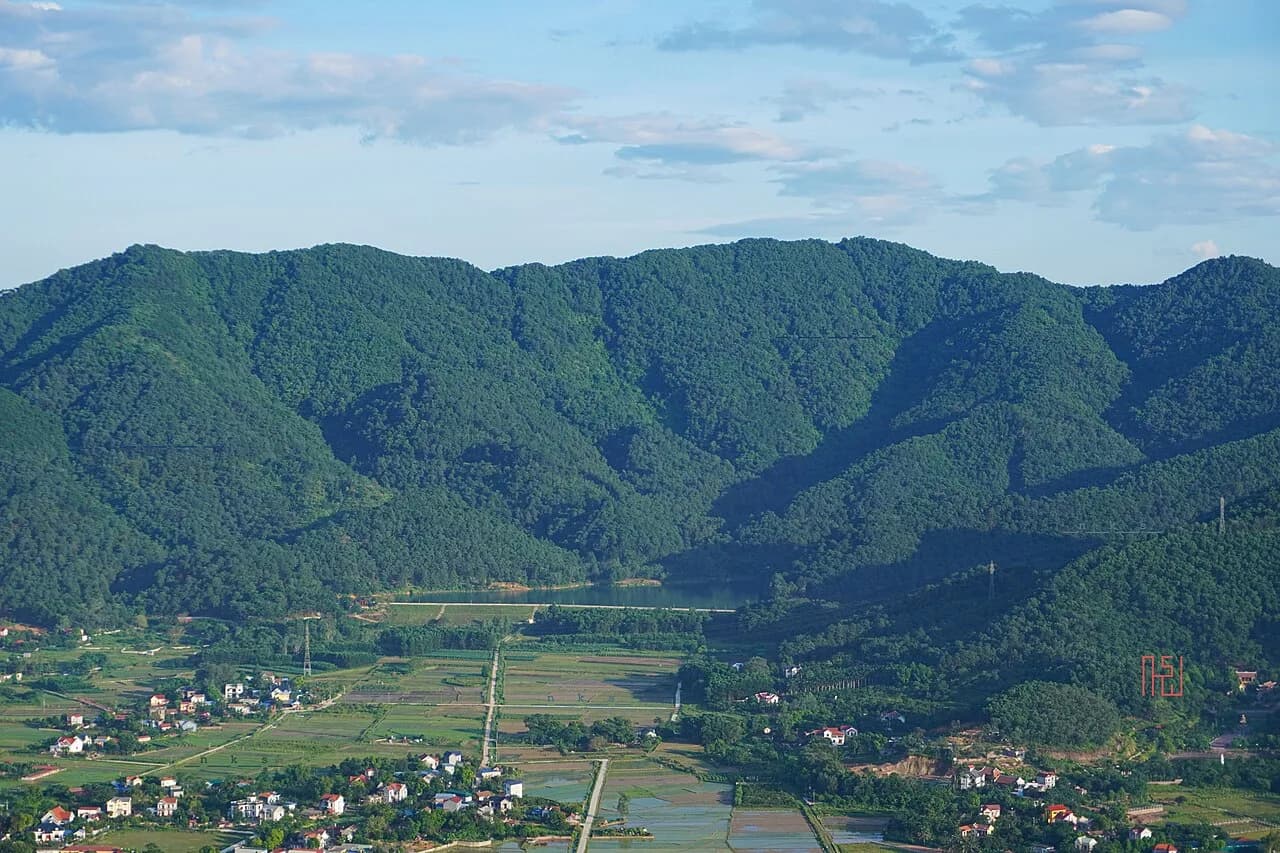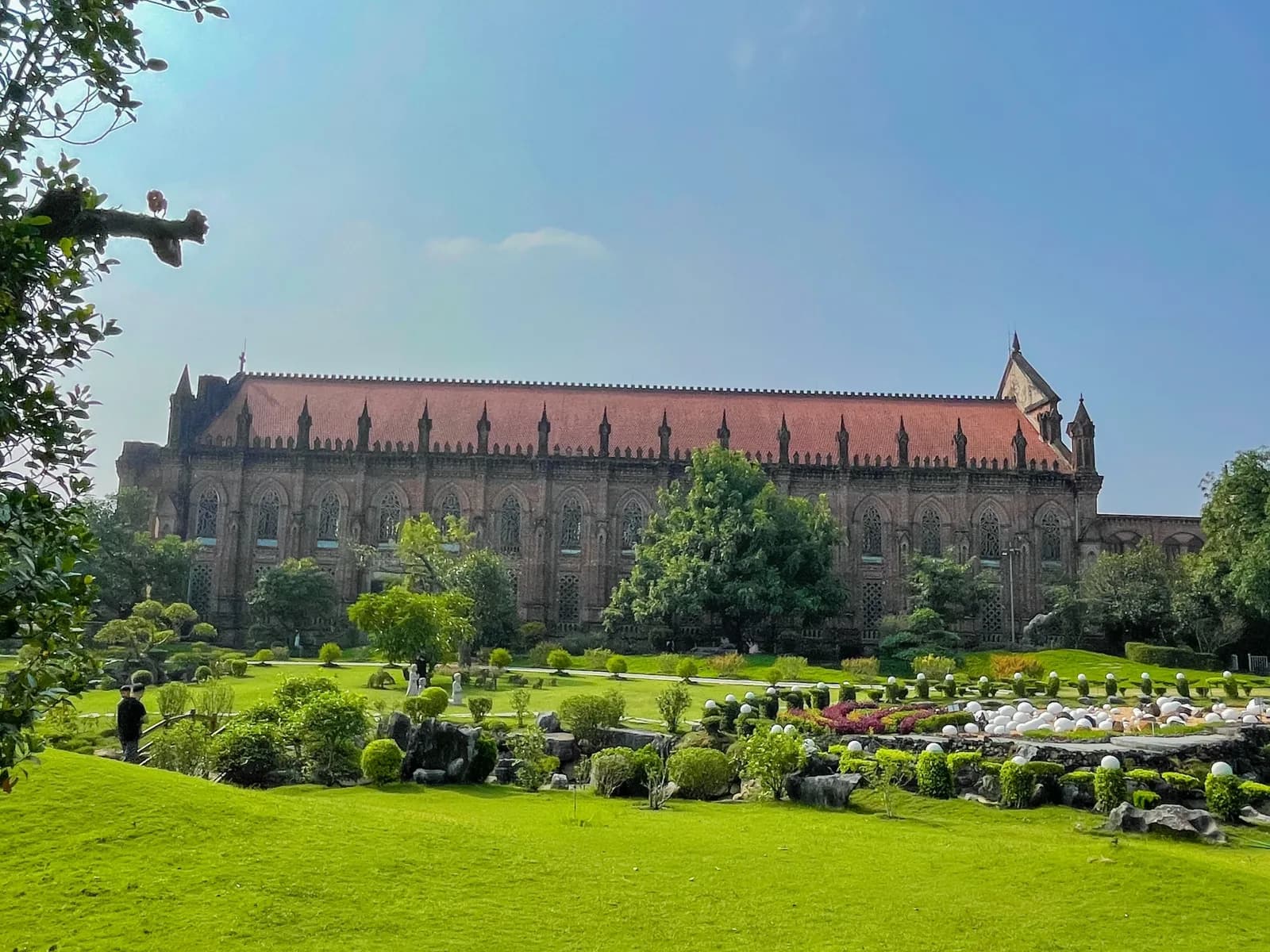
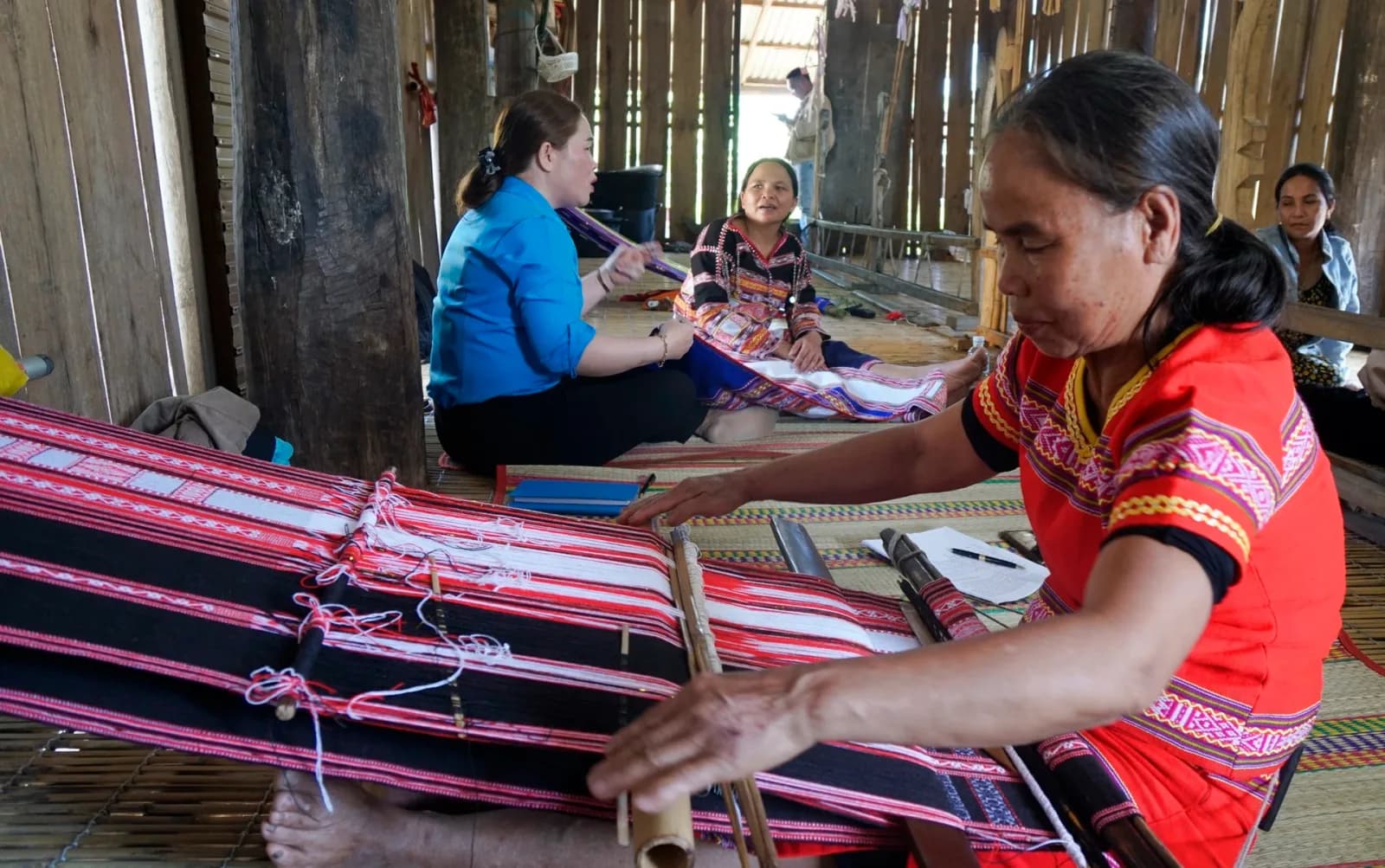

In Vietnam’s Central Highlands, a textile can invite you to look more closely at a place. A geometric pattern draws your attention first. Then you notice the individual threads, the movement of the loom and the concentration required to keep everything aligned.
Bahnar weaving offers travellers a way to explore Gia Lai through craftsmanship. Time spent beside an artisan can reveal how fabric is made, how knowledge is shared and how traditional skills continue evolving.
For outdoor travellers, a weaving visit can also bring another dimension to a highland journey: an opportunity to pause between walks and learn from the people whose lives shape the surrounding landscape.
What Is Bahnar Backstrap Weaving?
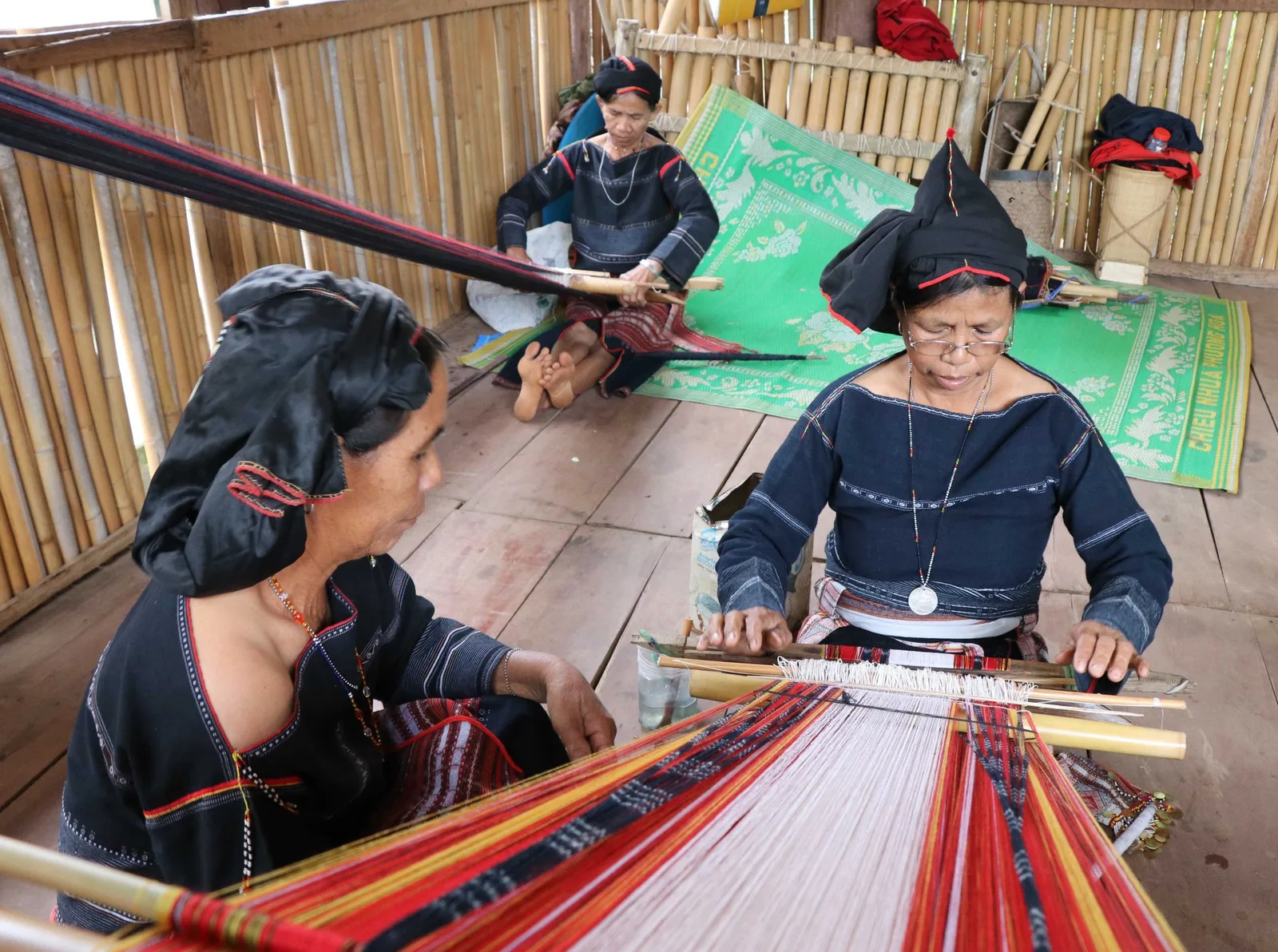
The Bahnar, also written Ba Na, are among the communities whose textile traditions form part of Gia Lai’s cultural heritage. Vietnam’s tourism authority identifies weaving as a craft closely connected with both Bahnar and Jrai communities, while documenting distinct local groups and initiatives.
A heritage storytelling publication hosted by the British Council describes Bahnar women in Mo H’ra using wooden loom components assembled for weaving. The weaver sits with her legs extended and a strap around her back to help hold the loom in position. Body control becomes part of maintaining a steady working rhythm.
Watching this process changes how you see the finished cloth. Consistent edges and repeating patterns reflect decisions made throughout the work.
A short introduction may help you appreciate those decisions. Developing the skill requires considerably more practice.
Where Can Travellers Learn About Bahnar Weaving?
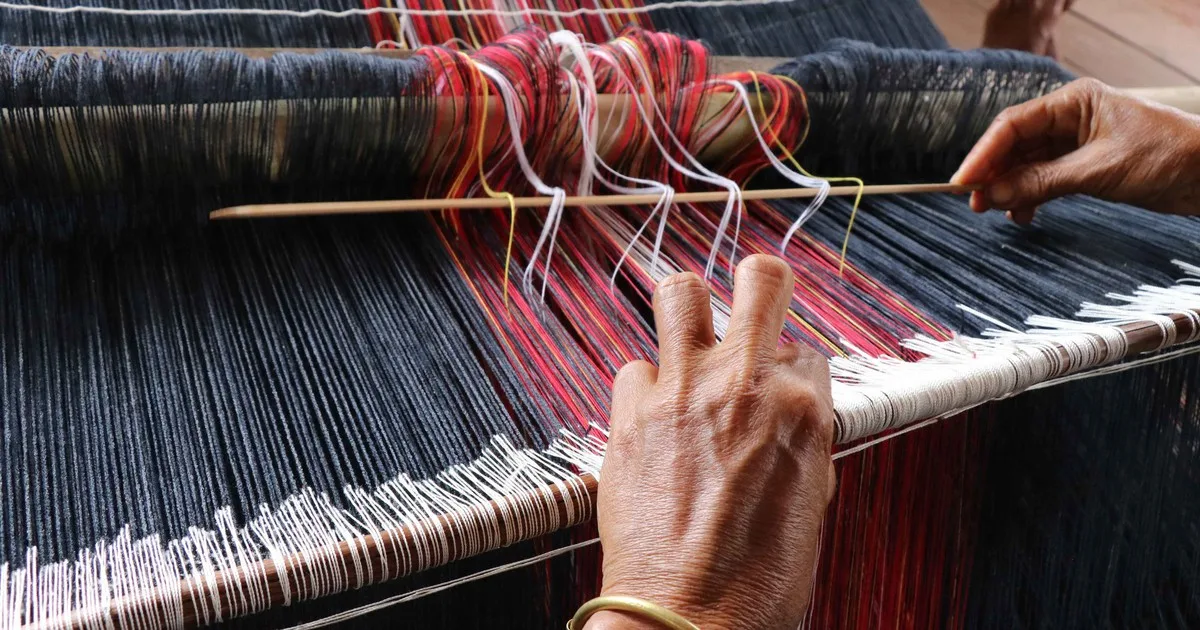
Two documented examples provide useful starting points for planning. Neither should be treated as a walk-in workshop with guaranteed daily availability.
Kgiang Village: Meet Artisans and Explore Their Work
Gia Lai Newspaper reports that Kgiang village, in To Tung commune, has a weaving group bringing experienced artisans and learners together.
The village’s community tourism activities have created opportunities for visitors to meet weavers, ask about textiles and purchase handmade products. The report also describes visitors trying a loom under local guidance.
Before travelling, ask a local tourism organiser or your accommodation to confirm whether artisans can receive you. Explain whether you want to observe, discuss the craft or try a short introductory session.
Mo H’ra: A Documented Heritage Initiative
The British Council documents work with Mo H’ra villagers involving heritage storytelling and traditional crafts. Its account describes weaving training organised with local women in 2022, including making products for sale as souvenirs.
This provides evidence of community heritage activity. For a visit today, confirm the current contact, meeting place and available experiences rather than relying on an older project description as a booking listing.
Understanding the Patterns: Start with the Maker
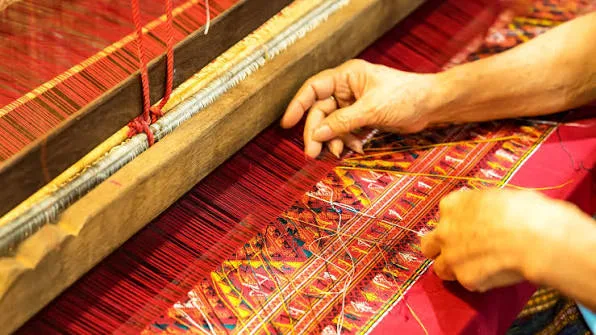
The visual appeal of Bahnar textiles often lies in their precise repetition and contrasting colours. At Kgiang, reporting describes artisan Dinh Thi Ponh explaining motifs through connections with fields, forests and everyday village life. Other weavers discuss how inherited colours and patterns remain important as products change to meet customer preferences.
Let those local explanations guide your understanding. Avoid assuming that a shape carries the same meaning in every Bahnar community or that you can identify someone’s social role from a garment alone.
Useful questions include:
What is this textile used for?
Who taught you to make this pattern?
Are the threads prepared locally or purchased?
Which parts of the design have changed?
What would you like visitors to understand about your work?
Ask whether your host is comfortable with notes, photographs or recordings before documenting the conversation.
What to Expect from a Weaving Visit
The best experience depends on what the artisan is willing and able to share.
Experience | What you might learn | What to arrange |
Demonstration | Loom setup, thread handling and the weaving sequence | An agreed time and viewing arrangements |
Introductory practice | Basic movements with an artisan’s guidance | Whether visitor participation is offered |
Textile discussion | Materials, uses and the maker’s interpretation of patterns | Translation if needed |
Direct purchase | Differences between available handmade pieces | Prices, payment and care instructions |
Do not expect to complete an intricate textile during a brief visit. A session can be worthwhile simply because it helps you recognise the work behind a finished piece.
Likewise, a short workshop can be meaningful when it is led well and fairly paid. The quality of the exchange matters more than its length.
Combine a Craft Visit with a Highland Walk
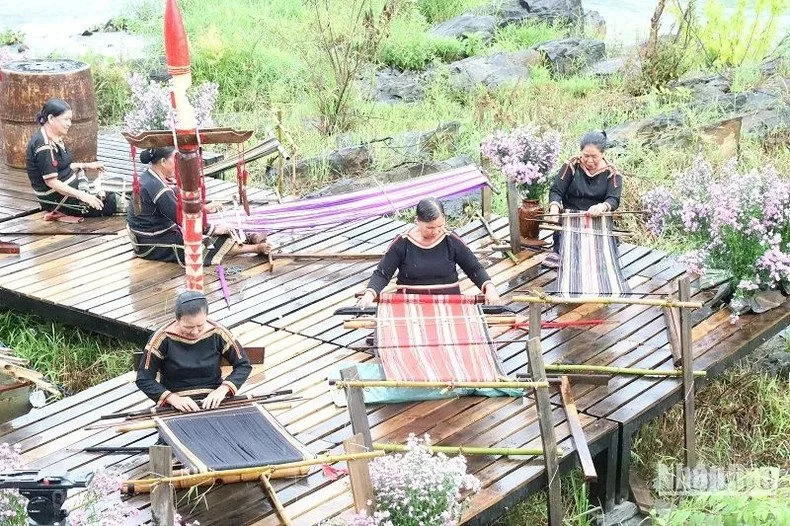
A village visit and a walk can complement each other, provided both are arranged around local conditions.
Ask a local guide to suggest a suitable route and confirm which paths are appropriate for visitors. Check the walking distance, terrain, transport and weather before deciding how much to include.
Give the craft session its own time. Arriving tired and rushing through a demonstration leaves little room for conversation.
For broader walking inspiration, explore ExoTrails’ guide to the best hikes in Vietnam.
If you want a longer stay, arrange accommodation and additional visits separately. There is no need to assume that several villages form an established, continuous trekking route.
How Your Visit Can Support Weavers
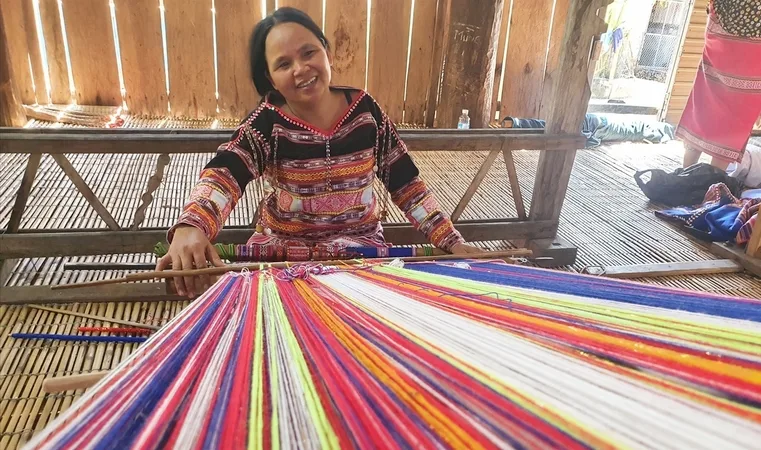
Heritage preservation involves more than attracting visitors. A Bahnar weaving initiative reported by Vietnam’s Government News brought women together to learn from experienced artisans, with support from a British Council-funded project. It illustrates the importance of organised teaching alongside opportunities to sell finished work.
As a visitor, you can make practical choices:
Pay agreed demonstration or teaching fees. An artisan’s time has value.
Buy directly when possible. Ask who made the item and how payment is shared.
Respect the asking price. Discuss your budget without dismissing the labour involved.
Let hosts set boundaries. Homes, ceremonies and personal stories are not automatically open to visitors.
Credit makers when sharing their work. Ask how they would like to be named.
These choices can support income and recognition. The community should retain control over what it shares and how tourism develops.
FAQs About Bahnar Weaving
Can beginners try a backstrap loom?
Some documented village visits have included introductory participation. Confirm this in advance; observing a demonstration may be the available option.
Is a three-day weaving trek available?
This guide does not identify a verified, standard three-day product. Ask a local organiser to provide a confirmed itinerary, village contacts and accommodation details before booking a longer journey.
Can I buy textiles from artisans?
Direct sales are documented at Kgiang. Ask about available pieces, their makers, materials and care instructions.
Is Bahnar weaving the same as other Vietnamese textile traditions?
Treat each community’s craft as distinct. For another perspective, explore ExoTrails’ introduction to My Nghiep Cham weaving village.
Leave Time to Learn
A highland journey can include both movement and stillness: a walk through the landscape, followed by time beside a loom.
You may leave with a textile. You may leave with a better understanding of the hands, decisions and practice behind it. Either way, let the makers lead the story.
Explore more cultural and outdoor destinations with ExoTrails and find inspiration for your next journey through Vietnam.