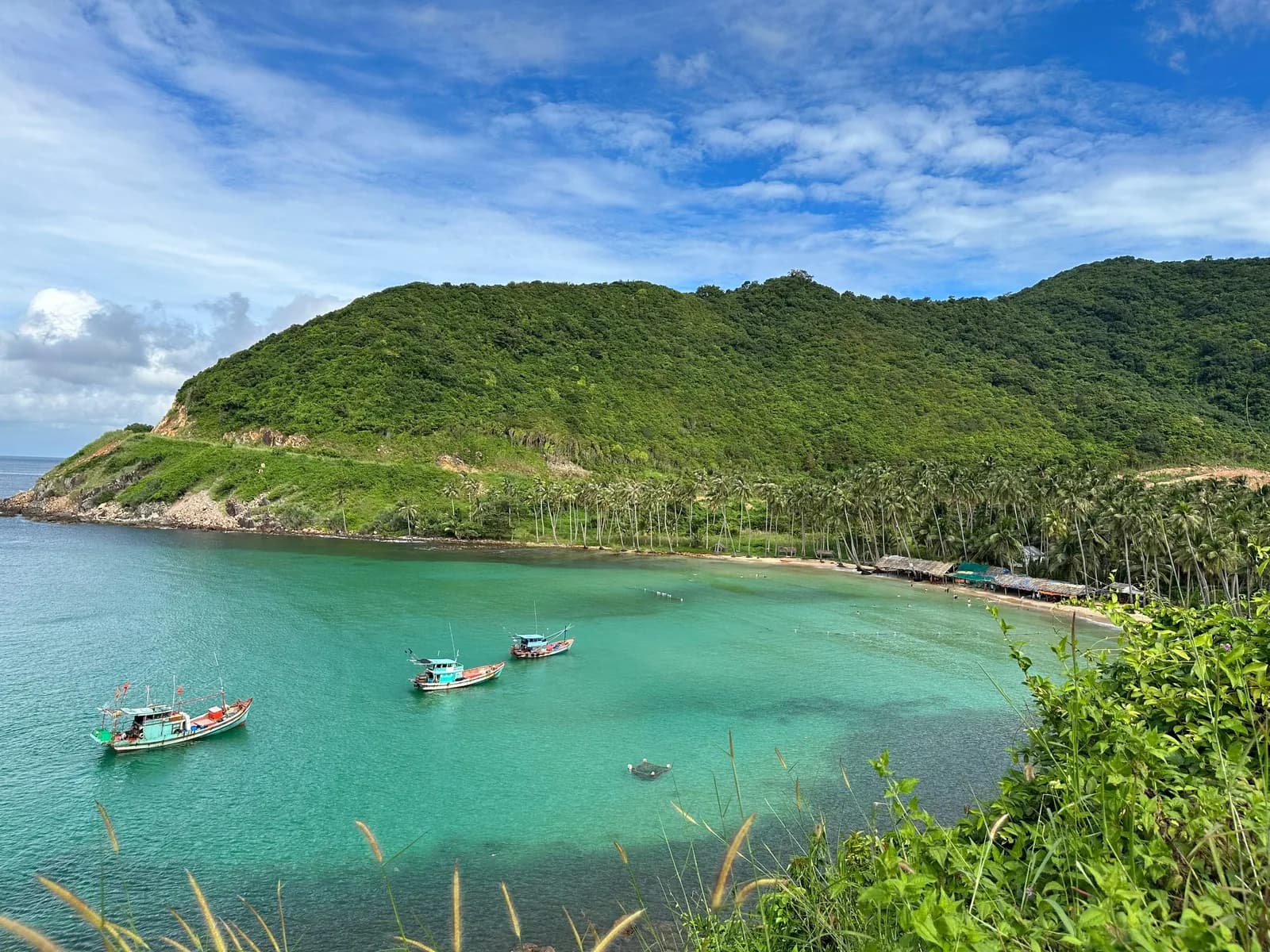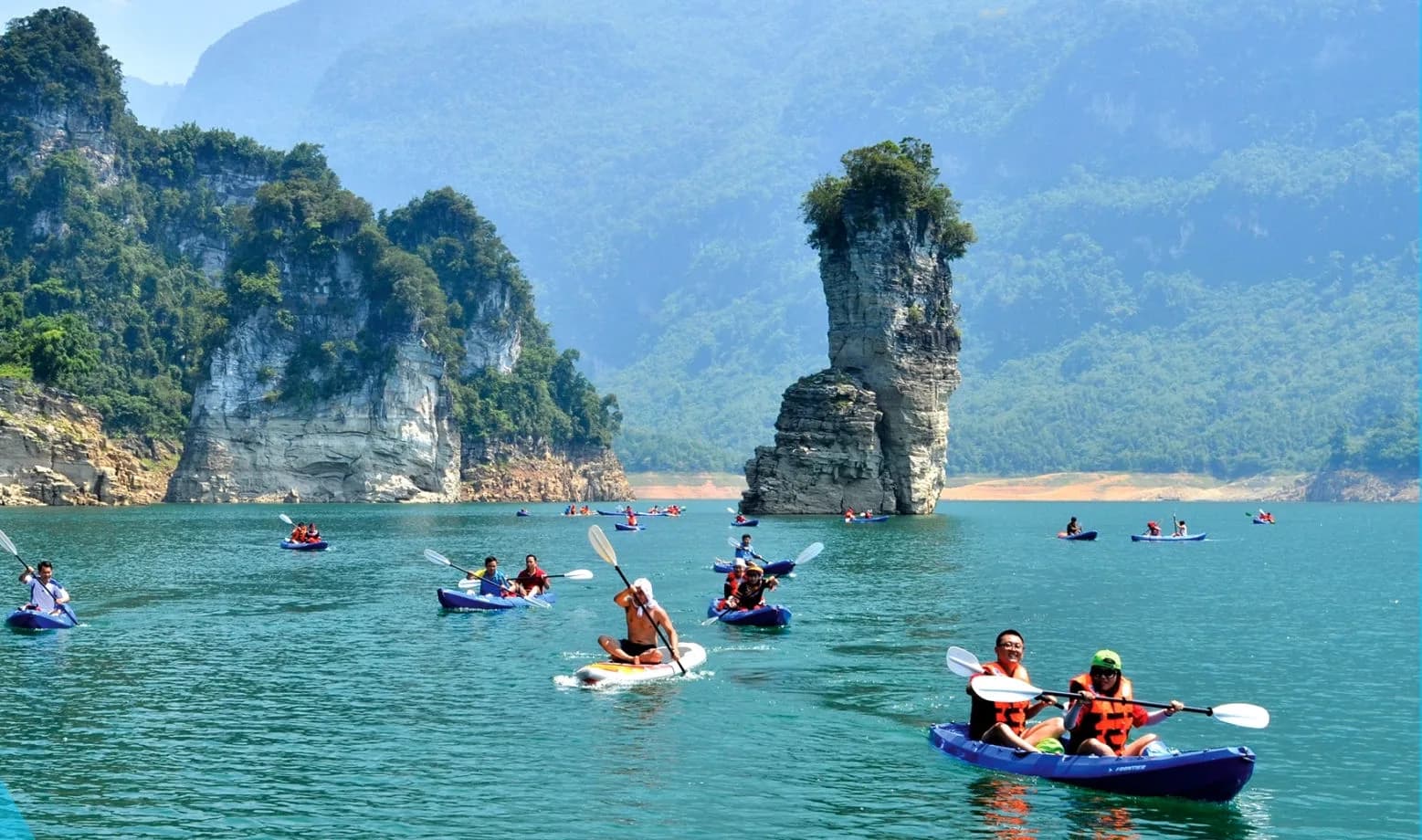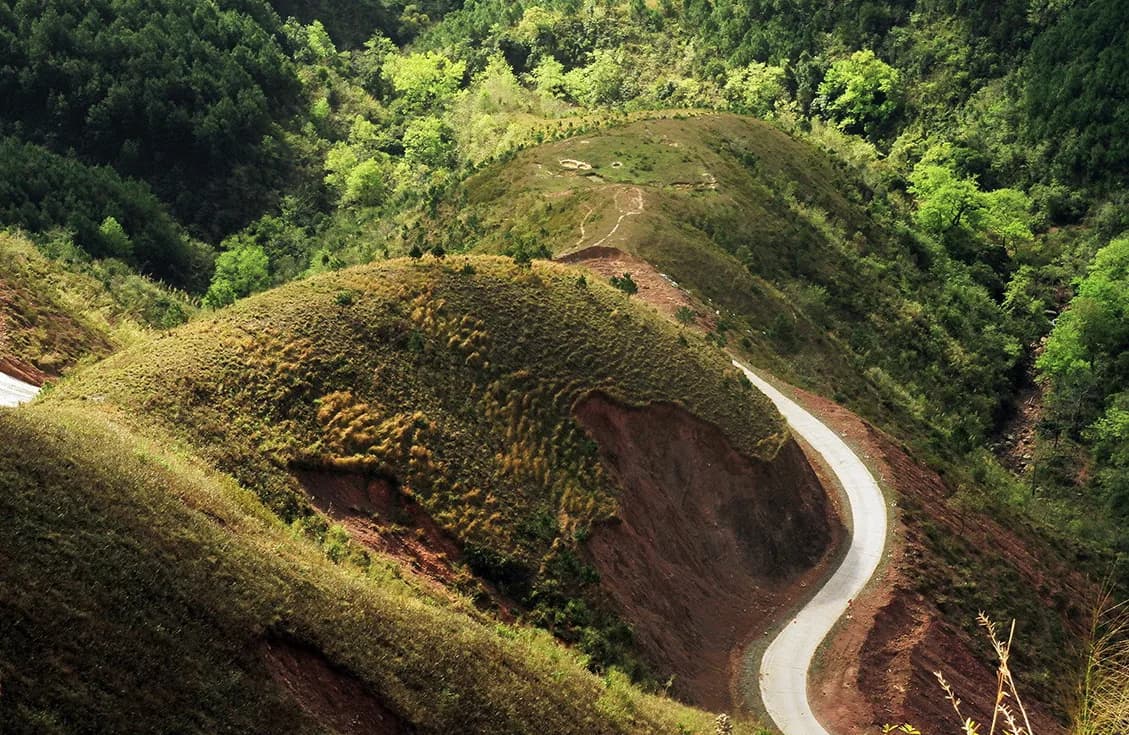
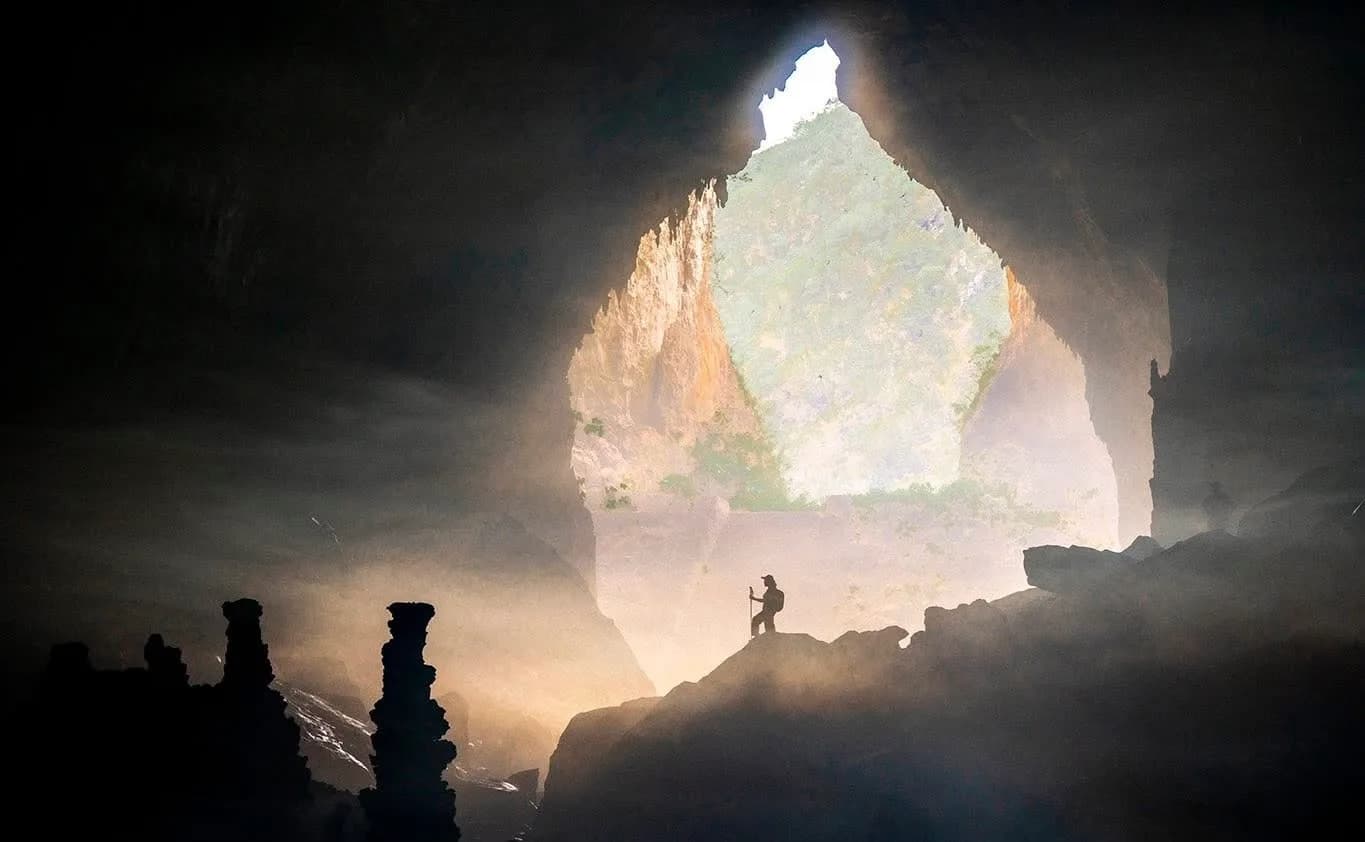

On the Ha Giang Loop, it is easy to keep looking up: limestone peaks, mountain roads, and valleys unfolding below the passes. But the landscape has another story beneath its surface.
Dong Van caves offer a different perspective on the karst plateau, where water has shaped underground passages as well as the scenery above.
Lung Khuy Cave is a useful starting point for travellers interested in a developed visitor attraction. Other caves appear in the plateau’s geological heritage records, although that does not establish that they are currently open or equipped for tourism.
This guide explains what makes these caves interesting, what to expect at Lung Khuy, and what to confirm before including an underground visit in your itinerary.
Discover more fascinating guides:
1. Where Are the Dong Van Caves?
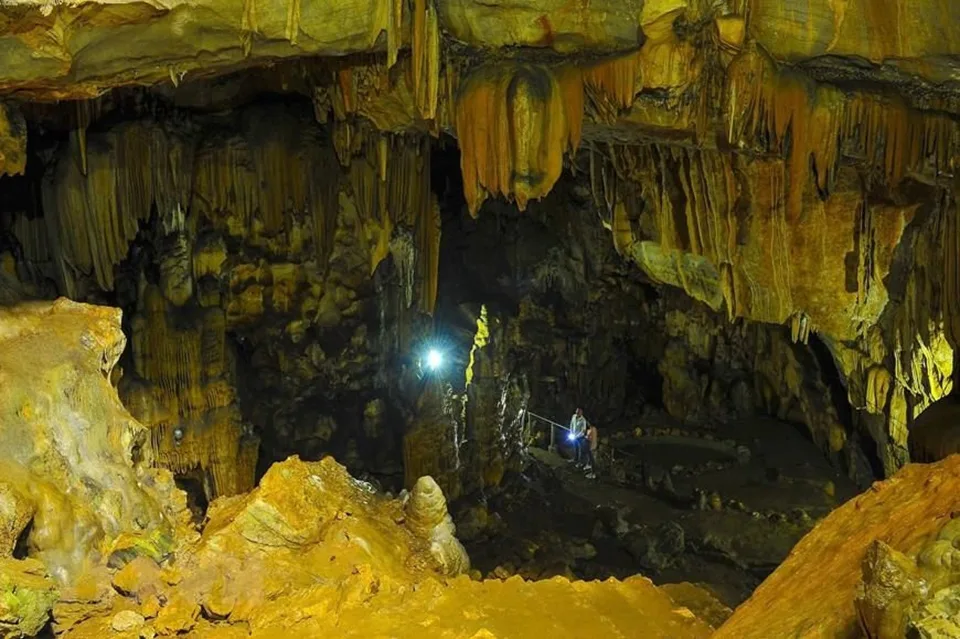
“Dong Van caves” is best understood as a search term for caves across the Dong Van Karst Plateau, rather than a single attraction or cave complex.
The geopark extends across the areas historically described as Quan Ba, Yen Minh, Dong Van, and Meo Vac. This distinction matters when planning transport: a cave within the geopark may be far from Dong Van town. Vietnam’s national biodiversity information website describes caves, deep valleys, and limestone peaks as important features of this broader landscape. en.nbca.gov.vn
When booking a visit, confirm the cave’s exact name, entrance location, and road access. Older district names remain common in travel articles, so use a confirmed meeting point rather than relying on a place name alone.
2. How Did the Plateau’s Caves Form?
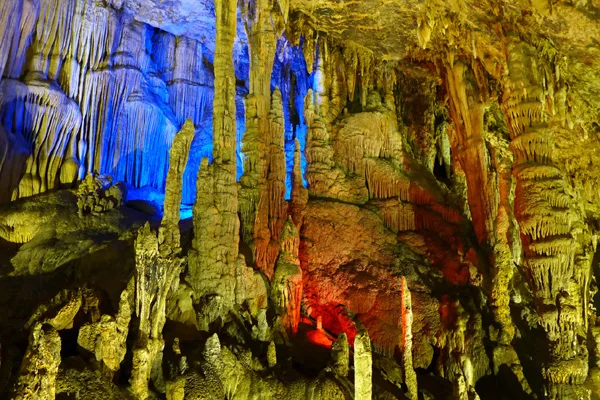
The plateau’s underground landscape reflects the interaction of soluble rock, water, and geological structures.
A study published in the International Journal of Earth Sciences examined cave survey data from the Dong Van Karst Plateau. Researchers identified different passage patterns, including branching caves, fault-influenced systems, and caves associated with former water-table conditions. These findings show that the underground landscape is more varied than a single network of connected tunnels. Springer Nature Link
Inside limestone caves, stalactites hang from ceilings, while stalagmites grow upward from floors. They form as mineral-bearing water deposits calcium carbonate; where the two eventually meet, they can form a column. nps.gov
Ancient limestone does not mean equally ancient stalactites. The rock, the passages dissolved through it, and the deposits growing inside those passages have different formation histories. A precise age for Lung Khuy’s formations should not be assigned without site-specific dating evidence.
3. Lung Khuy Cave: A Starting Point for Exploring Underground
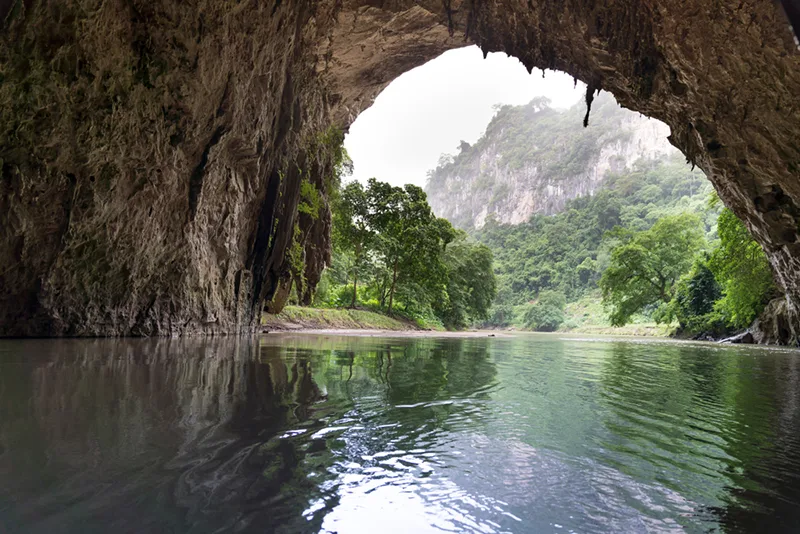
Understanding its location
Lung Khuy Cave, also written as Lùng Khúy, lies in the Quan Ba area of the Dong Van Karst Plateau.
A Vietnam National Authority of Tourism article describes it as approximately 10 kilometres from Tam Son, using the administrative names and access arrangements recorded at publication. The same account describes an uphill approach of more than one kilometre from the parking area. Treat these as planning references and confirm the current route locally. www.dulichvn.org.vn
Plan Lung Khuy around your Quan Ba stop, with enough time for the approach, the cave visit, and the return walk.
What makes Lung Khuy worth visiting?
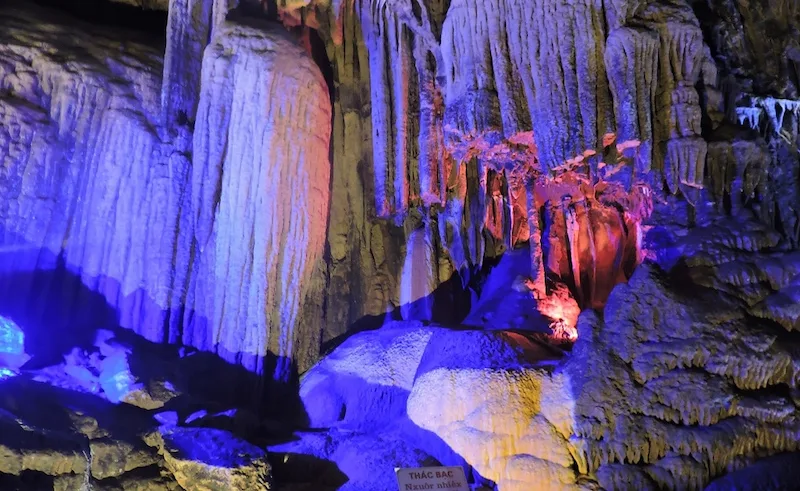
Published tourism descriptions highlight stalactites, stone columns, and formations resembling towers or flowers. The cave is described as more than 300 metres long, with additional branches; that figure should not be interpreted as the length of the currently permitted visitor route. www.dulichvn.org.vn
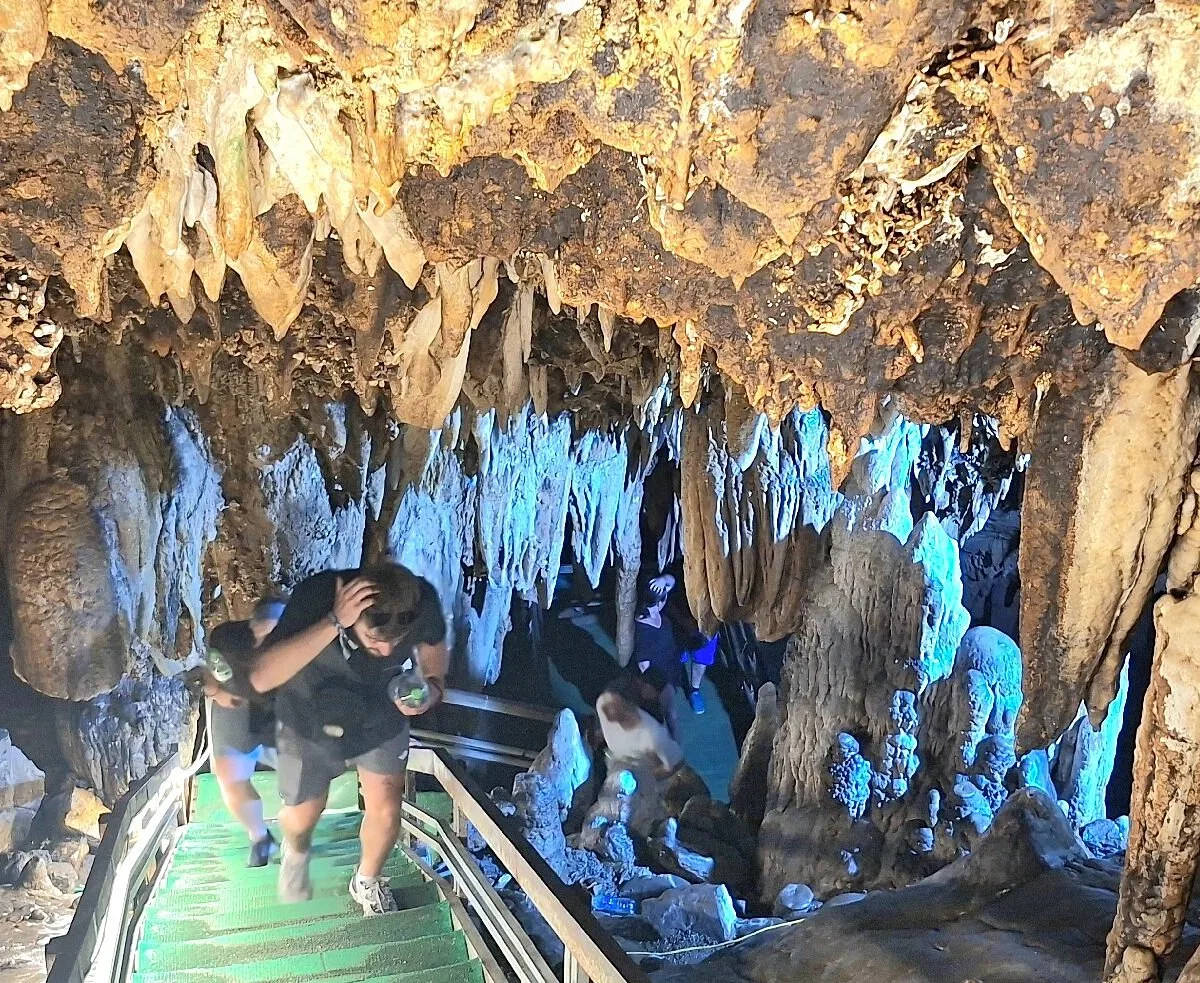
Contemporary local reporting records Lung Khuy’s formal inauguration on 31 December 2015 and describes stairs installed for visitors. The setting combines an underground attraction with a hillside approach overlooking the surrounding landscape. Báo Hà Giang điện tử
Take time to notice the different shapes and textures without stepping beyond barriers or touching formations. The experience does not depend on reaching every passage.
What should you confirm before visiting?
Ask your accommodation, operator, or site management about:
Whether the cave is open on your intended date.
Current entrance fees and opening hours.
The parking location and condition of the approach path.
Lighting, stairs, handrails, and any closed sections.
Whether a guide is required or available.
Any restrictions affecting children or visitors with limited mobility.
Historical descriptions of lighting and walkways do not establish their present condition. Avoid building a tightly timed itinerary around an unconfirmed visit.
4. Other Caves Recorded Across the Plateau
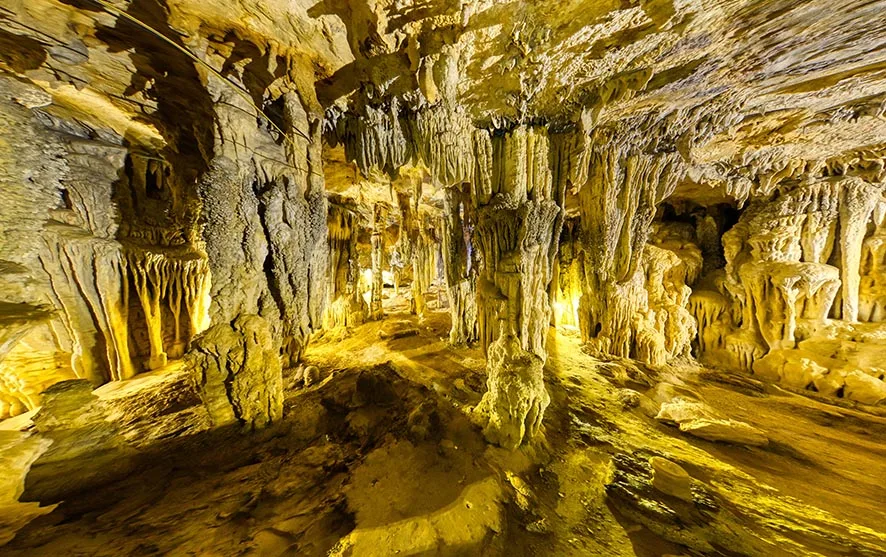
Vietnam’s official tourism heritage material names several other caves as examples of the plateau’s karst development. The locations below use the names recorded in that source. vietnamtourism.vn
Cave | Location recorded in heritage material | Planning consideration |
Rong Cave | Sang Tung, Dong Van area | Confirm the exact site and whether visitor access is permitted. |
Kho My Cave | Tung Vai, Quan Ba area | Ask about current access, route conditions, and guiding arrangements. |
En Grotto | Van Chai, Dong Van area | Confirm the location carefully; this is a different site from Hang En in Phong Nha. |
These names provide a starting point for learning about the geopark. They are not a confirmed list of operating cave tours.
Before paying for an excursion, request the cave’s exact name, the permitted route, the operator’s relevant experience, and the equipment and support provided. Do not assume that a cave mentioned in a geological inventory has lighting, marked paths, or visitor staff.
5. Cave Sightseeing and Adventure Caving Require Different Preparation
Visiting a managed tourist route
For a developed visitor section, follow site instructions and remain within the designated route. Watch for wet surfaces, uneven steps, and low ceilings.
General visitor guidance from the US National Park Service recommends using handrails, staying on marked paths, avoiding climbing on cave rocks, and stopping before taking photographs. These are useful precautions, while each Vietnamese site’s own rules take priority. nps.gov
Ask about guiding requirements rather than assuming that every managed cave visit requires a specialist expedition guide.
Entering undeveloped passages
Unlit branches and undeveloped caves require a different assessment. Cave safety guidance warns that rain can cause sudden flooding and advises against independent, solo exploration. nps.gov
Only consider such a trip when access is permitted and a competent caving operator can explain:
The leader’s experience in that specific cave.
Required skills and participant suitability.
Lighting, protective equipment, and any technical equipment.
Weather assessment and cancellation decisions.
Communication, emergency response, and surface support.
A general sightseeing guide or a headlamp alone does not establish that an undeveloped route is appropriate.
6. What to Bring for a Lung Khuy Sightseeing Visit
Confirm equipment requirements with site staff. For a planned visit to the managed section, consider:
Item | Purpose |
Footwear with good grip | For the approach and potentially damp steps |
Drinking water | For the walk; follow rules about consumption inside |
A compact daypack | Keeps hands free and limits bulky equipment |
Rain protection | For changing conditions on the approach |
A light layer | To adjust comfortably during stops |
A small backup light | For unexpected low light, subject to site guidance |
A rubbish bag | To carry your waste away |
A backup light is a precaution for the intended visitor route. It should never become a reason to enter closed or unlit branches.
Tell the operator about mobility limitations or discomfort in enclosed spaces before travelling to the entrance.
7. How to Visit Dong Van Caves Responsibly
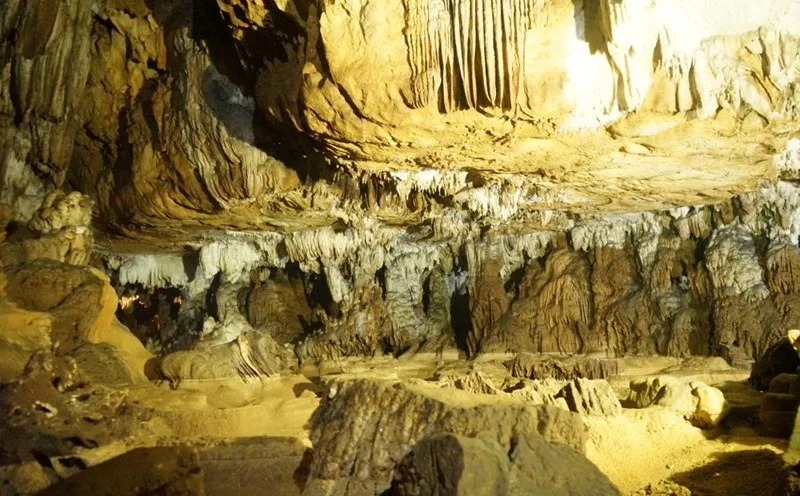
Cave formations and habitats can be damaged by accidental contact as well as deliberate interference. New Zealand’s Department of Conservation recommends careful movement, staying on marked routes, avoiding disturbance to cave wildlife, and removing everything brought underground. doc.govt.nz
During your visit:
Keep hands and equipment away from formations.
Stay behind barriers and within permitted areas.
Leave rocks, deposits, and other objects in place.
Keep noise low and avoid directing bright lights at animals.
Carry out rubbish, including tissues and food scraps.
Respect photography rules and instructions from staff.
On the approach, treat nearby homes and fields as places where people live and work. Ask before photographing residents or entering private spaces.
For another perspective on the plateau’s living landscape, explore our guide to trekking around Khau Vai. Plan it as a separate activity with its own transport and route arrangements.
8. Frequently Asked Questions About Dong Van Caves
Is Lung Khuy Cave in Dong Van town?
Lung Khuy is in the Quan Ba area, within the wider Dong Van Karst Plateau. Confirm its location when arranging your Ha Giang Loop itinerary. www.dulichvn.org.vn
How long is Lung Khuy Cave?
Published tourism material describes a cave longer than 300 metres with additional branches. Ask site staff how much of the visitor route is currently open. www.dulichvn.org.vn
Do I need a guide?
Confirm the rules for the managed visitor section with site management. Undeveloped passages require appropriate permission, specialist experience, equipment, and emergency planning.
Can I visit during rainy weather?
Check current conditions with site management before departure. Rain can affect approach paths and, in some cave systems, create flooding hazards. Follow closure notices and cancellation decisions. nps.gov
Can I rely on my phone underground?
Do not make mobile reception or a phone torch your emergency plan. Confirm the arrangements for the specific visit before entering, and remain on the authorised route.
Look Beyond the Mountain Views
Dong Van’s limestone scenery continues beneath the surface. A carefully planned cave visit offers time to appreciate that landscape from a different angle: quieter, closer, and shaped by processes that are easy to overlook from the road.
Start with a confirmed visitor attraction, respect the permitted route, and leave its formations as you found them.
Planning your next highland journey? Discover outdoor destinations with ExoTrails, then confirm cave access and visiting arrangements directly with local management or your operator.
Connect with our outdoor community:
Join Run, Trek & Camp | Basecamp Việt Nam to share trip experiences and learn from fellow explorers.
Follow ExoTrails Worldwide for more outdoor inspiration and practical travel tips.