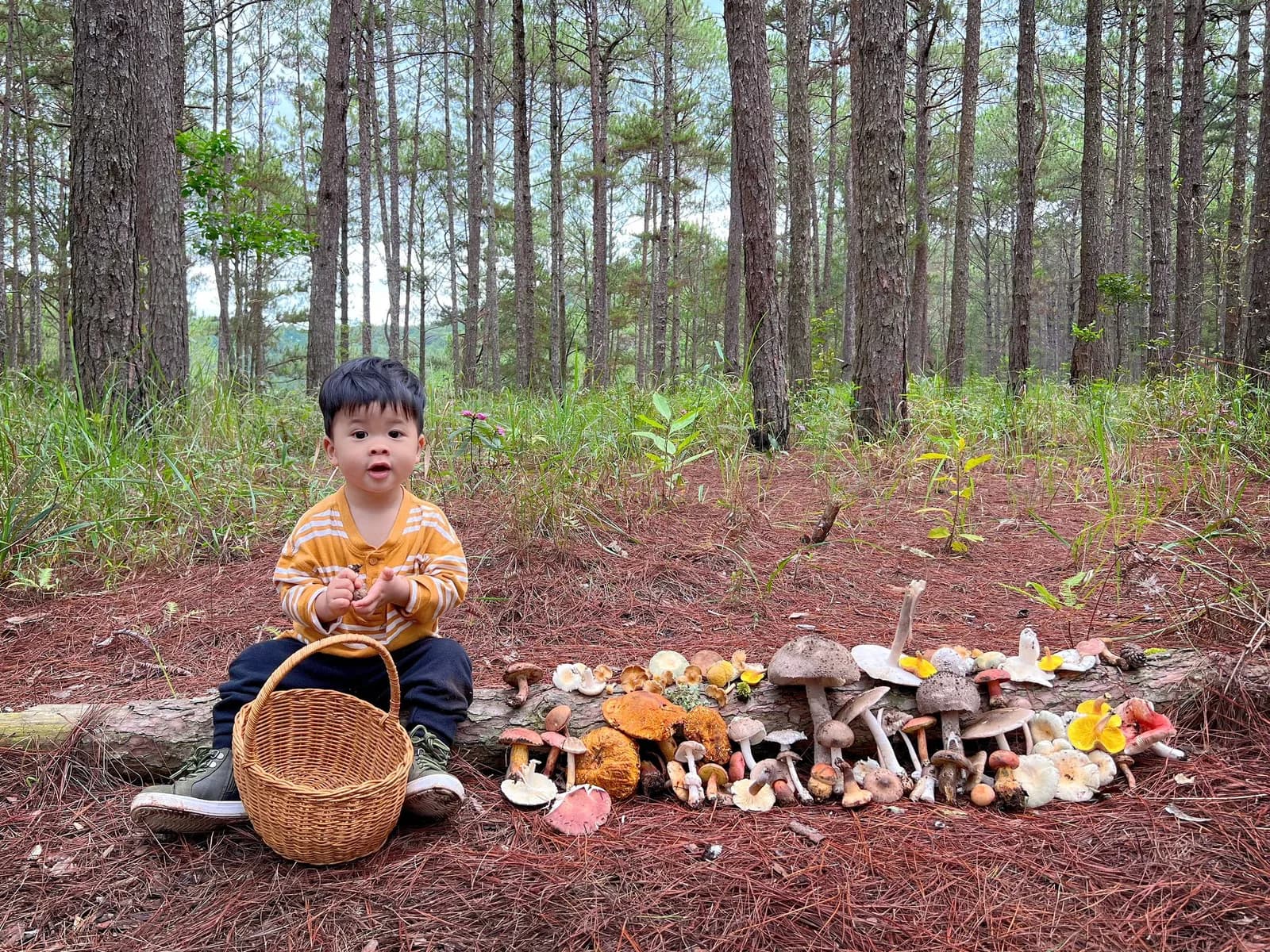
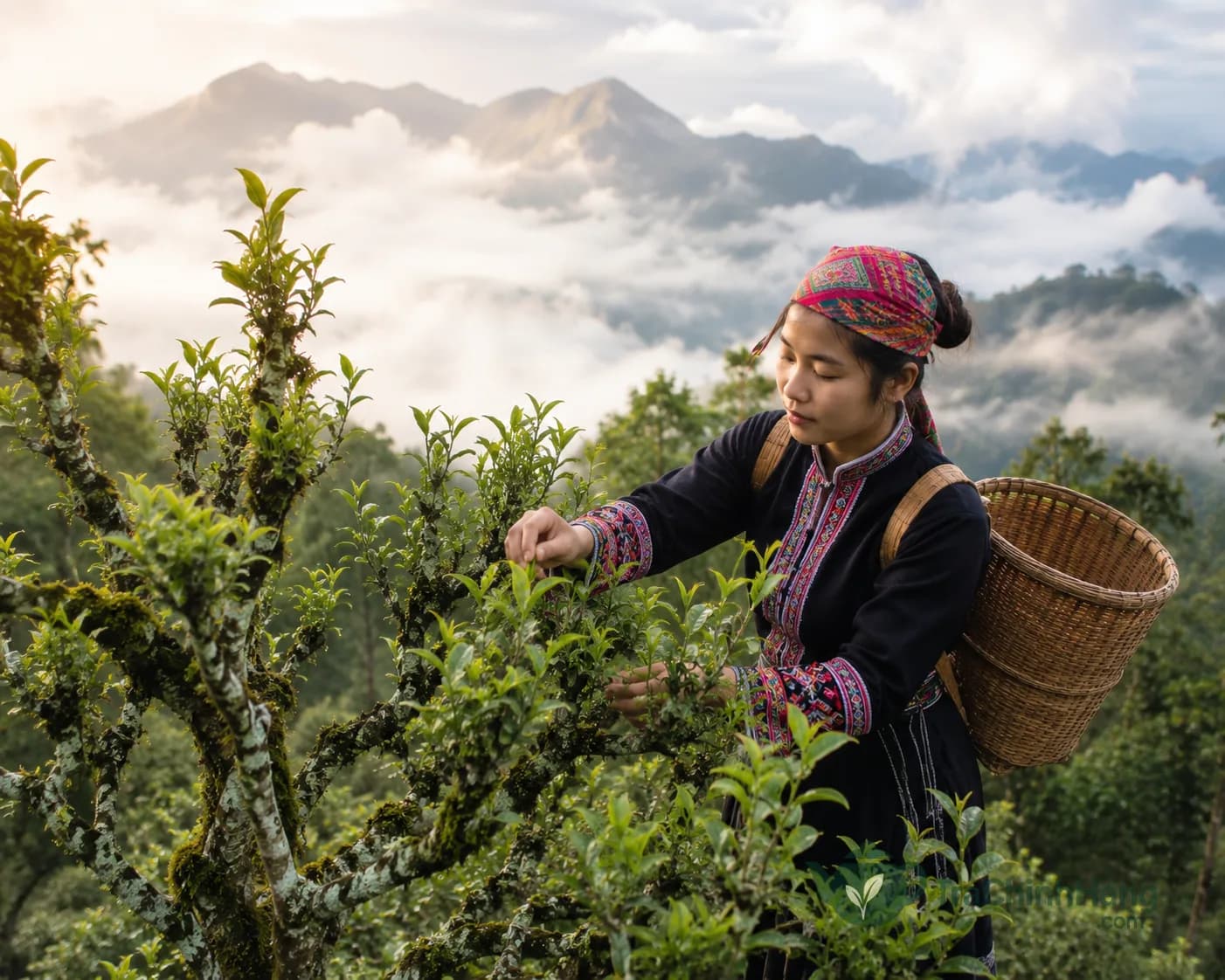

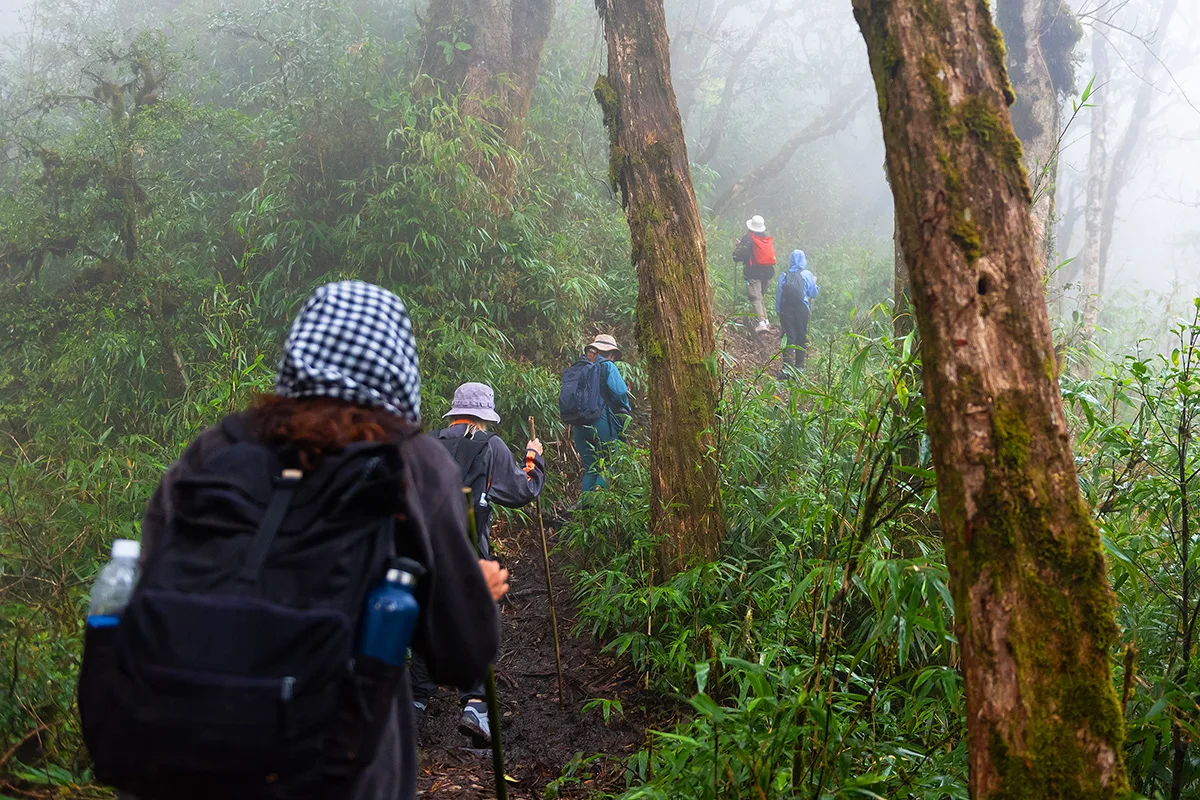
A mountain path, an old tea tree, and a warm cup shared after the walk: discovering Shan Tuyet tea can bring together some of northern Vietnam’s most rewarding pleasures.
Around Cao Bo, on the slopes of the Tay Con Linh range, tea is part of a working landscape. Mature trees, harvesting knowledge, and the skill of processing leaves connect the mountains with the people who make their living here.
A carefully arranged visit offers time to understand that connection. Walk with a local guide, learn what is happening in the tea season, and let the conversation continue over a freshly prepared pot.
Discover more fascinating guides:
1. What Is Shan Tuyet Tea?

Shan Tuyet is associated with highland tea-growing areas in northern Vietnam. Its pale, silvery buds are a recognisable feature behind its “snow tea” name.
In Cao Bo, published reporting describes mature trees estimated at hundreds of years old, alongside harvesting, processing, and local tea businesses. The landscape is shaped by generations of work as well as mountain conditions.
That distinction matters when visiting. These trees are part of people’s livelihoods, with owners, caretakers, and agricultural routines.
Take time to observe their branching forms and the surrounding terrain. Then ask your host how the trees are managed and how suitable leaves are selected.
2. Where to Experience Shan Tuyet Tea Around Tay Con Linh
Cao Bo and Lung Tao Village
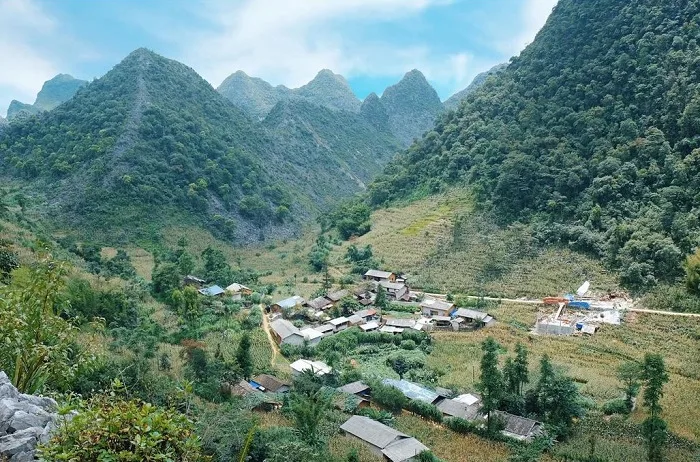
Cao Bo is a tea-growing area on the western slopes of Tay Con Linh. Lung Tao is among the villages associated with its old tea trees and community-based tourism.
A September 2026 report identifies Lung Tao in Cao Bo commune, Tuyen Quang province, within the buffer zone of Tay Con Linh Nature Reserve. Older articles commonly place the area in Vi Xuyen district, Ha Giang, using the former administrative names.
Confirm your host’s location and directions before arranging transport, especially when working from an older itinerary.
A Tea Walk Is Different from a Summit Trek
The Tay Con Linh name can refer to a broad mountain setting. It does not mean every tea visit involves climbing to the summit or sleeping deep inside a forest.
Ask which village, grove, and paths your programme includes. This gives you a much clearer picture than a general promise of a “cloud-forest adventure.”
3. What Can a Tea-Focused Visit Include?

Vietnam’s rural tourism promotion website describes Cao Bo experiences involving walks through old tea-growing areas, tea picking, learning to roast leaves, and tasting tea in Dao homestay settings. Availability depends on local arrangements and the agricultural schedule.
Experience | What to confirm |
Guided tea-grove walk | Location, duration, gradients, and conditions after rain |
Harvesting observation | Whether picking is taking place during your visit |
Visitor participation | Which tasks the host permits and supervises |
Processing demonstration | What stage you will see and whether it is scheduled |
Tea tasting | Which locally produced teas are included |
Homestay | Rooms, meals, language support, and transfers |
A worthwhile visit does not need to contain every activity.
Watch Skilled Harvesters at Work
If picking is underway, let the producer explain the process before joining in. Ask which buds may be taken and where you should stand.
Do not assume that climbing a mature tea tree is a visitor activity. Observe experienced harvesters and follow your host’s instructions around roots, branches, and slopes.
Learn How Leaves Become Tea
A demonstration can reveal the decisions behind a finished tea: how leaves are handled, heated, shaped, or dried for the product being made.
Cao Bo’s tea sector also includes modern processing facilities and cooperatives. Handcrafted visitor experiences and contemporary production can exist within the same region.
Ask your host which methods they use and why.
4. Stay Overnight for a More Unhurried Experience
An overnight stay can give you room for a shared meal, a conversation after the day’s activities, and a slower morning.
Arrange that experience with the household rather than expecting a midnight ceremony. Ask when tea is normally served and what the hosts would like to share.
The atmosphere may be memorable without a special ritual: water warming, cups being prepared, and someone explaining the tea they have made.
Before booking, confirm:
Private or shared sleeping arrangements.
Bedding, bathroom facilities, and hot water.
Included meals and dietary requirements.
Arrival and departure transport.
Who will guide or interpret.
Activities available on your dates.
Respect household routines. A family home should remain comfortable for the people who live there.
5. Taste the Tea with Curiosity
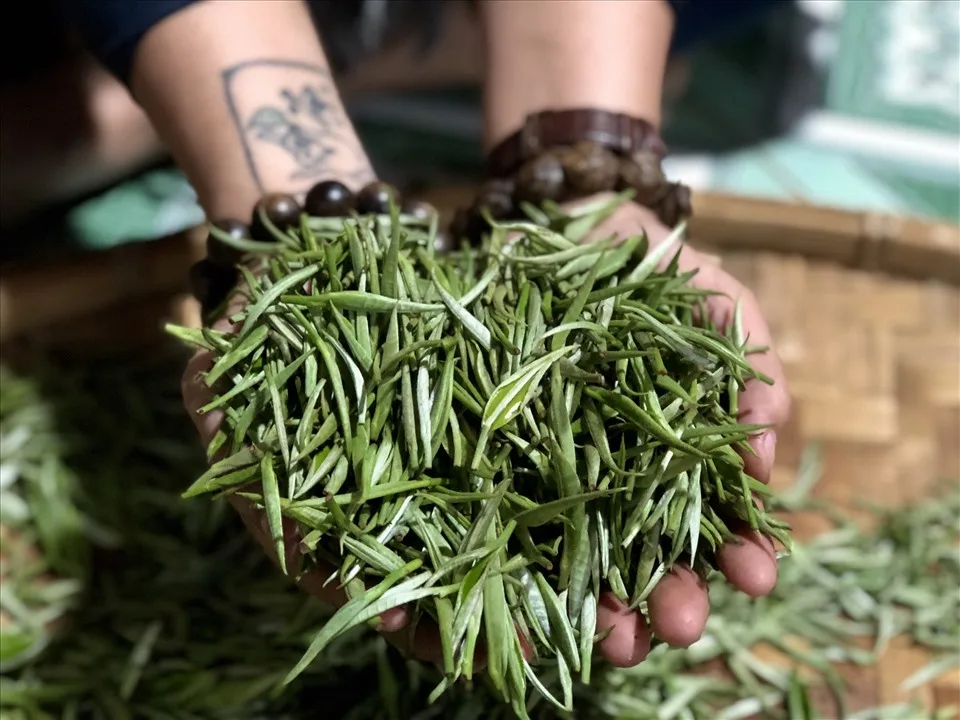
Allow the producer to introduce the particular tea in your cup.
Ask where it was grown, when it was harvested, how it was processed, and how they prefer to prepare it. Notice its aroma and taste without expecting every tea from the region to have the same character.
Useful questions include:
What distinguishes this batch from another?
Which processing stages need the most attention?
How does the working year change between harvests?
What would the producer like visitors to understand?
If you buy tea, ask about packaging and storage. A purchase can continue the conversation and connect your spending directly with a participating producer.
For a separate highland destination with its own tea heritage, explore our Suoi Giang guide. Plan it as a different journey rather than an extension of the same village walk.
6. Preparing for a Tay Con Linh Tea Walk
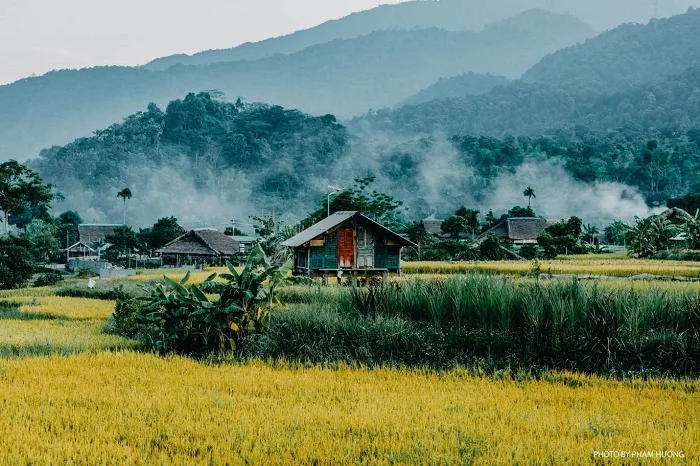
There is no single distance or difficulty rating for tea-focused walking around the range.
Before choosing a programme, request the starting point, walking time, elevation changes, terrain, and return arrangements. Discuss your experience honestly and ask how the route can change in unsuitable conditions.
Bring footwear with grip, drinking water, rain protection, adjustable layers, and personal essentials. For longer walks, discuss lighting, spare power, food, and emergency arrangements with your guide.
If the route enters protected forest, confirm access requirements with the organiser and relevant management. A village stay does not automatically establish permission for every adjoining trail.
Choose Dates Around the Experience You Want
If harvesting or processing is your priority, ask producers when those activities will happen. Avoid treating a general regional season as a guaranteed schedule.
Check recent weather and access conditions close to departure. A tasting or workshop visit may provide an alternative when a longer walk is unsuitable, if agreed with your host.
7. Support Tea Heritage Through Practical Choices
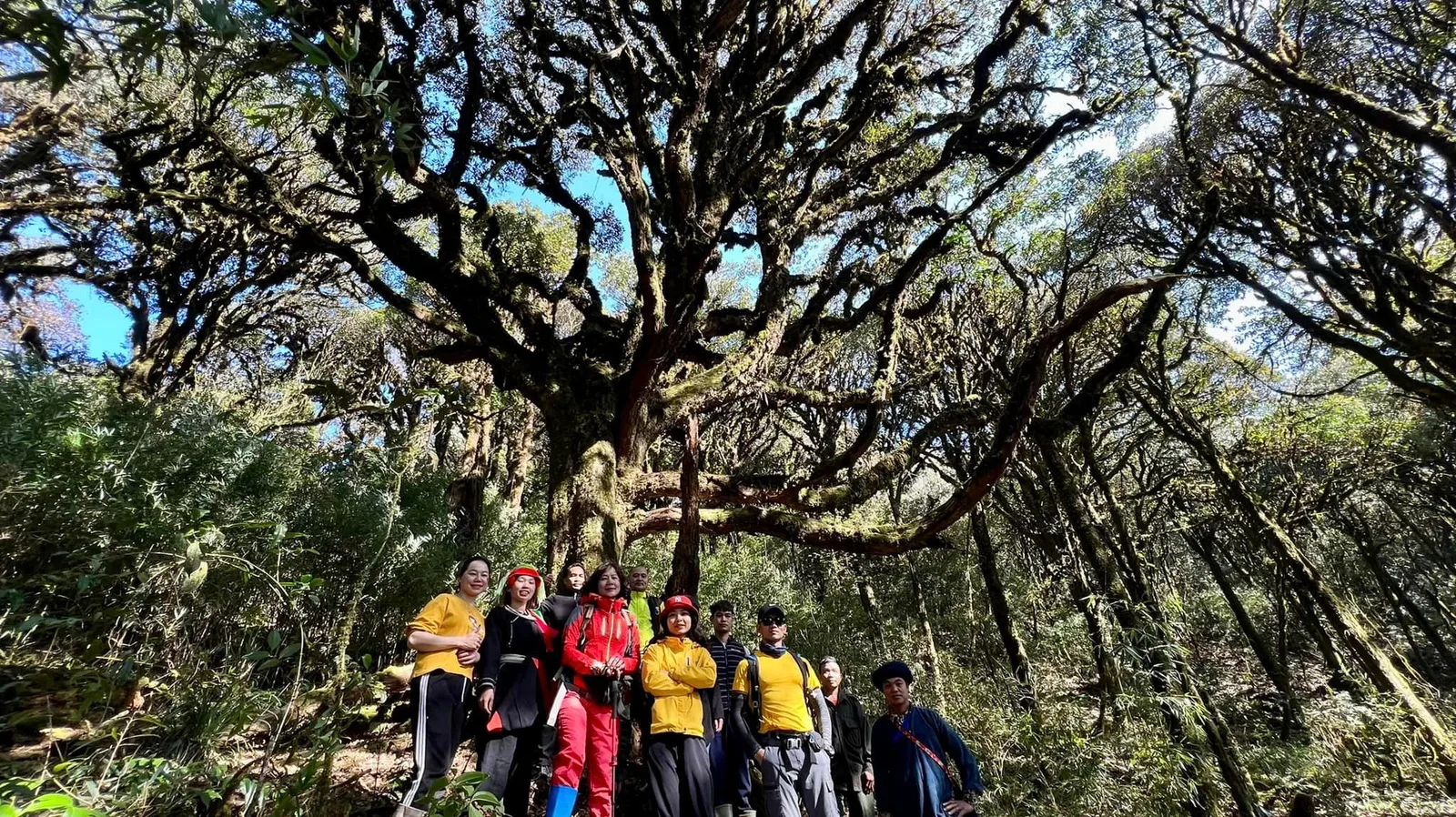
Cao Bo has documented conservation work connecting old tea-tree protection with livelihoods, community agreements, and tourism development. An April 2026 project assessment describes training, tree care, and community tourism activities among its measures.
Visitors can contribute through straightforward actions:
Pay agreed rates for guiding, demonstrations, and accommodation.
Seek permission before harvesting or entering working areas.
Avoid damaging roots and branches.
Carry away rubbish.
Ask before photographing people or recording their stories.
Buy products from businesses that can explain their origin.
These choices support a considerate visit. Stronger claims about regeneration or conservation outcomes need evidence from the programme itself.
8. Frequently Asked Questions About Shan Tuyet Tea Experiences
Can I visit ancient tea trees near Tay Con Linh?
Cao Bo is a documented tea-growing area with visitor experiences. Arrange the specific location and activities with a local host before travelling.
Do I need to climb Tay Con Linh?
A tea visit does not automatically involve a summit ascent. Confirm the actual walk and transport arrangements.
Can I pick tea myself?
Only with the producer’s permission and guidance, when suitable harvesting activity is available.
Is “Tea Vigil” a traditional local ceremony?
This guide has not verified it as the name of a recognised local ceremony. Arrange an evening tasting or homestay experience on its actual terms.
Are all the tea trees the same age?
No. Published estimates concern particular trees or populations. Avoid assigning one age to every tree you visit.
Make Time for the People Behind the Tea
A journey through Cao Bo can change how you see a familiar drink. The cup becomes connected to a tree, a landscape, and the knowledge of the person preparing it.
Give that connection time. Walk thoughtfully, listen closely, and enjoy the tea your hosts choose to share.
Discover inspiration for your next mountain journey with ExoTrails, then confirm routes, accommodation, and seasonal activities locally.
Connect with our outdoor community:
Join Run, Trek & Camp | Basecamp Việt Nam to exchange travel experiences.
Follow ExoTrails Worldwide for more outdoor and cultural discovery ideas.