
Table of Contents Show
Nestled within the lush mountains of Northern Vietnam lies Sapa, a breathtaking destination renowned for its rice terraces and vibrant hill tribes. However, beyond its picturesque landscapes, Sapa harbors a rich tapestry of history woven into its forgotten sky trails. These ancient pathways, once bustling with caravans connecting villages, trade routes, and migrating tribes, now serve as living relics of a time long past. Walking these trails today evokes the feeling of traversing a thousand-year-old story written into the earth itself — a journey that reveals why these paths are considered among the best hiking routes in Sapa for travelers seeking both history and soul-stirring scenery.
Read more interesting posts here:
- Silent Stories: Exploring the Grandeur of Hue Imperial City
- The Freedom Loop: A Guide to Ha Giang Loop Motorbike Rental and Adventure
- Where Deadlines Meet Mountain Lines: The Best Cities for Digital Nomads in Vietnam
The Echoes of History in the Best Hiking Routes in Sapa
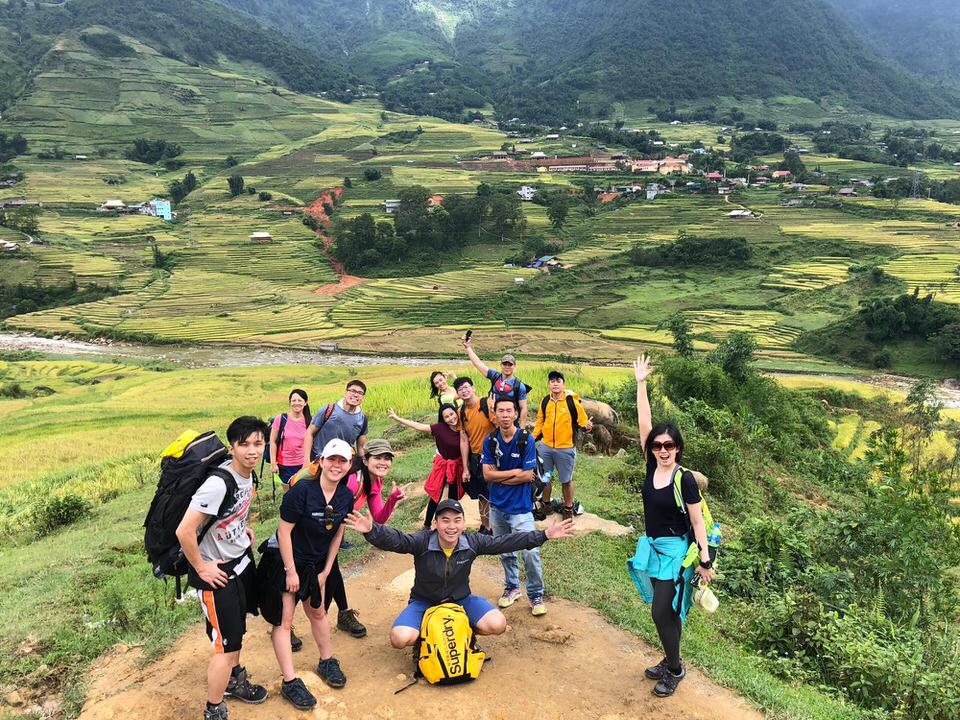
Before trekking tourism made its mark, the ridgelines of Sapa were vital arteries of trade and culture. Ethnic groups such as the Hmong, Dao, and Tay utilized these routes to transport goods, exchange ideas, and connect distant communities. The trails are etched into the landscape, often perched high above the valleys, offering not only practical routes but also stunning panoramic views that have captivated wanderers for centuries.
These ancient pathways bear witness to countless stories—the laughter of traders, the exhaustion of travelers, and the serene moments of locals tending to their crops along the hillsides. Each curve and incline of the trail reveals remnants of this vibrant history, inviting you to step back in time and immerse yourself in the cultural heritage of the region. It’s along these timeless paths that the best hiking routes in Sapa unfold—not just as journeys through nature, but as quiet conversations between past and present.
Exploring the Trails Today
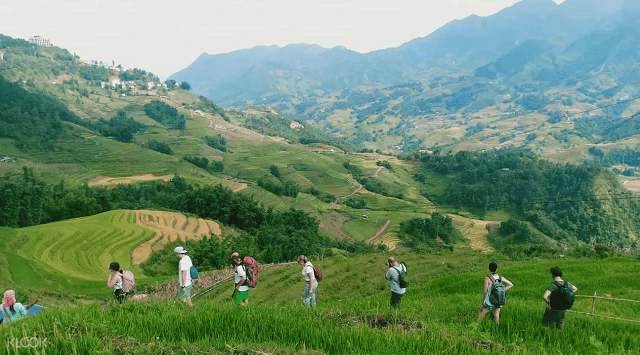
Today, these sky trails stand in stark contrast to the modernity of Sapa’s bustling centers. Trekking along these routes allows adventurers a chance to escape the crowds and delve into the surrounding natural beauty. The paths wind through verdant forests, over babbling streams, and past terraced rice fields, bordered by towering peaks that seem to touch the sky.
One of the most popular routes is the trek to Tà Van Village — a highlight among the best hiking routes in Sapa. This enchanting journey leads you through the heart of the Muong Hoa Valley, where ancient stone carvings and lush landscapes intermingle. As you hike, be prepared to encounter local artisans showcasing their crafts, from vibrant textiles to handcrafted tools. These interactions offer a deeper understanding of the culture that thrives in this mountainous region and the traditions that have endured through time.
Nature’s Masterpiece Along the Best Hiking Routes in Sapa
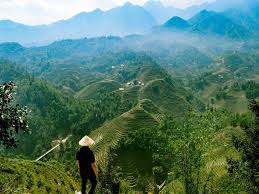
The flora and fauna along the sky trails are as diverse as the cultures that inhabit the region. The subtropical climate nurtures a rich tapestry of biodiversity, with vibrant wildflowers, towering bamboo groves, and sometimes elusive wildlife. Birdwatchers will rejoice at the chance to spot rare species flitting through the treetops, while nature enthusiasts can marvel at the myriad plants used traditionally by local communities for medicine and sustenance.
Moreover, the changing seasons paint a captivating picture across the landscape, shaping some of the best hiking routes in Sapa. Spring brings colorful blossoms, summer unveils lush greenery, autumn lights the hills with golden hues, and winter blankets the town in a misty charm. Each season offers a unique vantage point, framing the forgotten trails in a different light and allowing for an ever-evolving adventure that never feels the same twice.
The Importance of Preservation for the Best Hiking Routes in Sapa
As the interest in Sapa’s amazing sky trails grows, it becomes essential to balance tourism with preservation. The ancient paths are not just scenic routes; they are vital to the cultural identity of the indigenous tribes and the ecological health of the region. Sustainable trekking practices, guided by knowledgeable locals, can help protect the trails while providing economic benefits to the communities.
Engaging with local guides enriches your trekking experience, offering insights into the area’s history, culture, and natural wonders along some of the best hiking routes in Sapa. These guides are not only navigators but also stewards of the land, ensuring that the ancient stories written into the earth are honored and preserved for future generations.
Conclusion
The best hiking routes in Sapa are those that venture beyond the main town and deep into the Muong Hoa Valley, particularly the trails leading to villages like Tà Van and Lao Chải. These routes provide unparalleled views of the iconic terraced rice fields and offer the most authentic, immersive cultural exchange with the Hmong and Dao ethnic communities.
Ready to explore the legendary Muong Hoa Valley? Join our vibrant community on Facebook to share your trekking stories and tips, and don’t forget to like the ExoTrails fanpage for the latest updates and exclusive offers!
Frequently Asked Questions (FAQs)
Q: Which are the best hiking routes in Sapa for a beginner?
A: Easy to moderate treks to villages like Cat Cat or the lower parts of the Muong Hoa Valley (Lao Chải or Tà Van) are ideal for beginners.
Q: When is the best time of year to hike in Sapa?
A: The best time is during the planting season (May-June) for bright green fields or the harvest season (late September-early October) for the stunning golden rice terraces.
Q: Do I need a guide for the best hiking routes in Sapa?
A: While possible to go solo, hiring a local Hmong or Dao guide is strongly recommended for navigation, cultural context, and supporting the local economy.
Q: How do I get to the start of the best hiking routes in Sapa?
A: Most routes begin near Sapa town and can be reached by a short taxi ride, or many homestays provide transport to the trailheads.
Klook.com