
Table of Contents Show
In the stunning landscapes of Ninh Bình, where towering karsts pierce the sky and lush greenery blankets the earth, a remarkable agricultural innovation is quietly taking shape—the limestone greenhouses. These micro-farms, nestled beneath the dramatic limestone formations, showcase a unique blend of geology, cuisine, and culture. For travelers interested in exploring Vietnam’s rich agricultural traditions and the interplay between nature and cultivation, the limestone greenhouses offer a captivating glimpse into the future of sustainable farming and are a rising feature of Ninh Binh tourism.
Read more interesting posts here:
- Vietnam by Taste: Mapping the Diverse Landscape of Regional Vietnamese Cuisine
- Hidden Nature Sanctuaries: Exploring the Sacred Forests Vietnam Protects
- A Journey into Soundscapes: Discovering the Echo Valleys in Vietnam’s Sơn La Province
A Geological Wonderscape Enhancing Ninh Binh Tourism
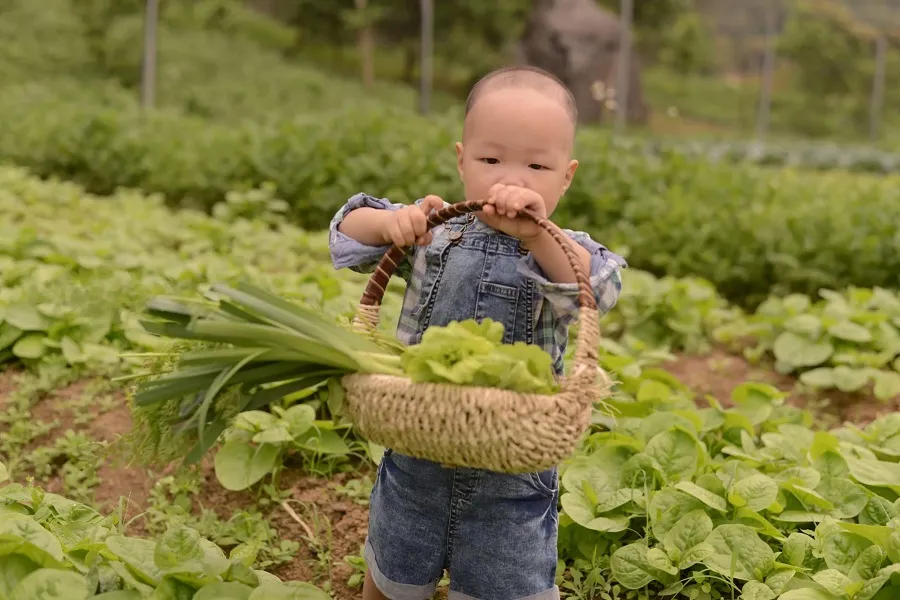
Ninh Bình is renowned for its breathtaking karst topography, which has become a defining feature of Ninh Binh tourism, consisting of limestone mountains created over millennia through geological processes. These dramatic formations not only provide a spectacular backdrop but also play a vital role in the region’s unique agricultural practices. The reflection of sunlight off these stone structures creates a microclimate that nurtures a diverse array of vegetables, making the area an ideal setting for innovative farming.
Farmers have adapted their cultivation techniques to harness the natural resources available in this striking environment, producing crops that thrive in the unique soil and climate conditions. The interplay of rock, sunlight, and water management fosters a rich ecosystem where vegetables flourish, creating hyper-local food systems that are increasingly important in today’s world.
Hyper-Local Farming Practices and Sustainable Ninh Binh Tourism
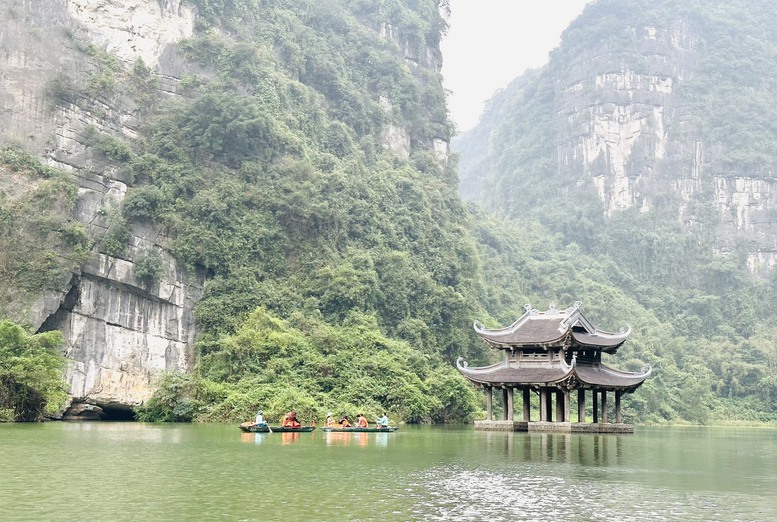
The limestone greenhouses are more than just picturesque farms; they represent a commitment to sustainable and hyper-local farming practices. Small-scale farmers have embraced organic techniques, relying on natural pest control and minimal chemical inputs to cultivate their crops. This method not only enhances the quality and flavor of the vegetables but also promotes environmental stewardship, making this a responsible focus of Ninh Binh tourism.
Within these greenhouses, you’ll find a variety of unique vegetables, many of which are indigenous to the region. Seasonal crops such as green mustard, herbs, and even specialized leafy greens thrive in this limestone-rich soil. The fresh produce provides local communities and markets with high-nutrient vegetables, contributing to healthier diets while supporting the local economy.
Culinary Connections: Taste the Difference in Ninh Binh Tourism

The vegetables grown in Ninh Bình’s limestone greenhouses are an integral part of the local culinary culture. The vibrant flavors and textures of these hyper-local ingredients play a pivotal role in traditional Vietnamese dishes, from the well-known pho to more regional specialties.
Indulging in meals prepared with these fresh, locally sourced vegetables allows travelers to experience the true essence of Vietnamese cuisine. Restaurants and home cooks are increasingly focusing on “farm-to-table” dining, celebrating the unique flavors that come directly from the limestone greenhouses. This connection between farming and cuisine highlights the importance of local ingredients in creating authentic dining experiences, a key element of authentic Ninh Binh tourism.
Cultural Heritage and Community in Ninh Binh Tourism
The limestone greenhouses of Ninh Bình also represent a rich cultural heritage shaped by generations of farming practices. The techniques used by local farmers have been passed down through families, reflecting a deep-seated respect for the land and the environment. This agricultural legacy is intertwined with the identity of the Ninh Bình people, creating a strong sense of community and cultural pride.
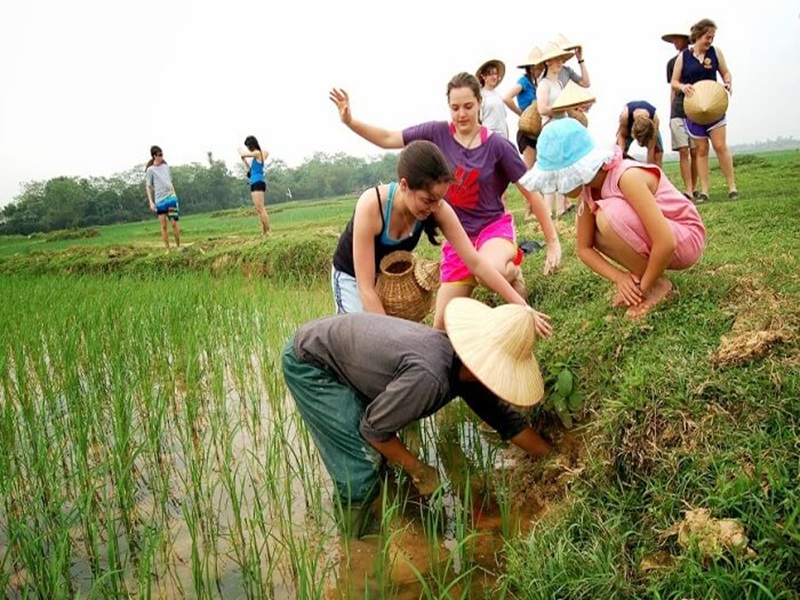
Visitors to the region can engage with local farmers, a meaningful part of Ninh Binh tourism, gaining insights into their practices and the history of the area. Tours often include hands-on experiences, where travelers can participate in planting or harvesting, fostering a deeper connection to the land and its people.
Conclusion
The limestone greenhouses of Ninh Bình are a testament to the innovative spirit of local farmers and a distinctive highlight of Ninh Binh tourism, reflecting the intersection of geology, cuisine, and culture. These micro-farms thrive in an extraordinary environment, producing unique vegetables that enrich both the local ecosystem and the culinary landscape of Vietnam.
For travelers seeking a deeper understanding of Vietnam’s agricultural traditions, a visit to Ninh Bình offers a rare opportunity to explore hyper-local farming practices while appreciating the remarkable beauty of its limestone karsts. This multifaceted experience not only enriches the palate but also deepens the connection to the region’s cultural heritage, underscoring the integral relationship between nature and human ingenuity. The limestone greenhouses are not just a farming innovation; they are a vibrant symbol of sustainability, community, and the rich tapestry of Vietnamese culture.
Ready to explore these stunning landscapes and sustainable farms? Join our vibrant community on Facebook to share your trekking stories and tips, and don’t forget to like the ExoTrails fanpage for the latest updates and exclusive offers!
Frequently Asked Questions (FAQs)
Q: Are the limestone greenhouses a major part of Ninh Binh tourism?
A: They are a growing part of sustainable and eco-tourism in Ninh Binh, offering travelers a unique, hands-on experience beyond the famous karst sites.
Q: What makes the soil in Ninh Binh unique for farming?
A: The soil is rich in limestone minerals from the surrounding karst mountains, which creates a special microclimate and mineral composition ideal for unique vegetable varieties.
Q: Can tourists visit the limestone greenhouses in Ninh Binh?
A: Yes, many local farms offer guided tours and hands-on experiences, allowing travelers to learn about the hyper-local farming techniques used in the region.
Q: What popular regional dishes use vegetables from these Ninh Binh farms?
A: The fresh vegetables are integral to many local dishes, including goat meat specialties and various herbs used in phở and other regional soups.
Klook.com