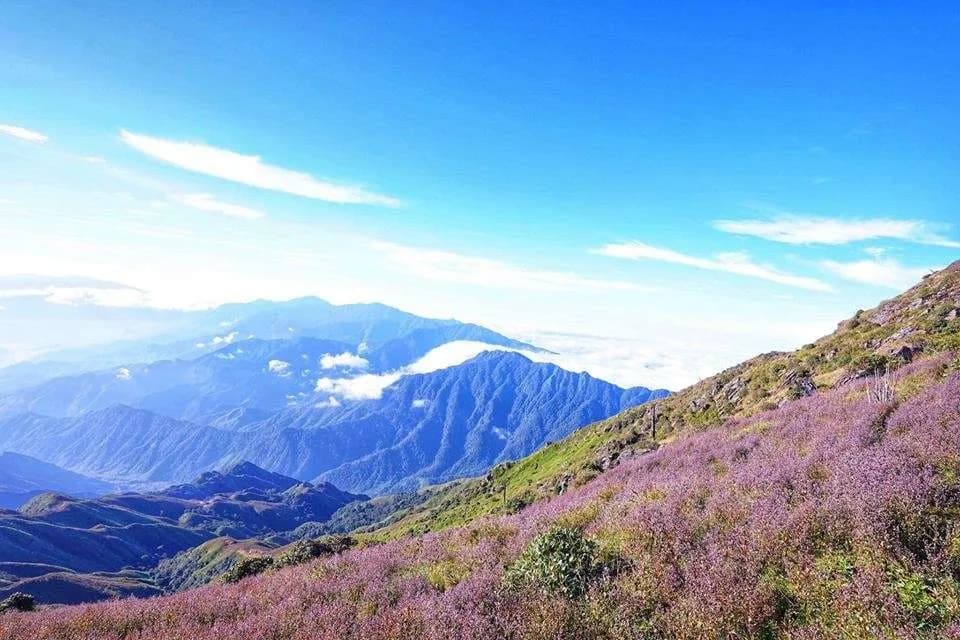
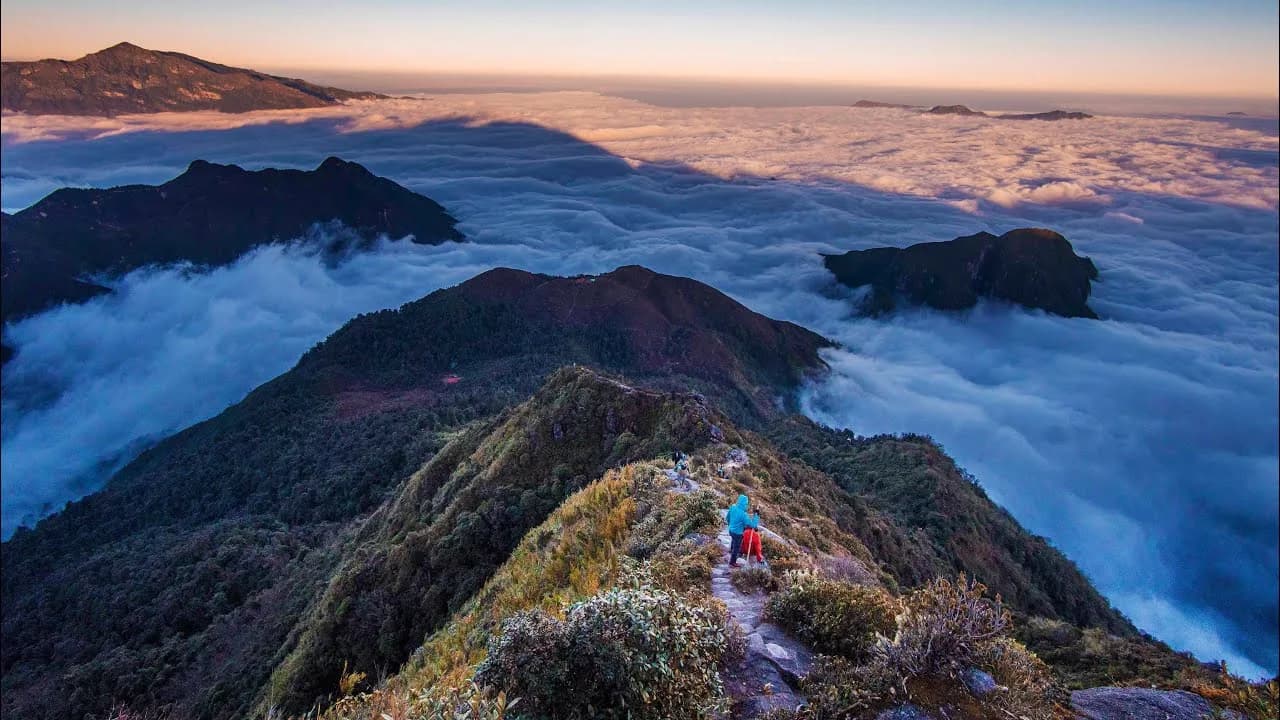

Rolling grasslands, moss-covered forests, mountain peaks above the clouds, or a night inside a vast cave: every trail offers a different way to explore Vietnam. If you are looking for some of the best hikes in Vietnam, these 10 routes will help you choose your next adventure and understand what to prepare.
This is ExoTrails’ selection of memorable hiking and trekking experiences, rather than an official ranking of scenery or difficulty. You can explore them at your own pace, and a rewarding trip does not have to be the toughest one.
Before you plan: Distances, trip lengths, overnight stops, and access conditions depend on the specific route. Confirm the details with the park authority or tour operator before booking. Weather and trail conditions may change the itinerary.
Discover more fascinating guides:
Ta Xua Travel Guide A-Z: Ultimate Tips for a 100% Successful Cloud Hunting Trip
Ta Chi Nhu Trekking Guide: 2-Day Itinerary & Detailed Budget Planning
Compare 10 Hiking and Trekking Routes in Vietnam
Use this table to narrow down the experience you want. The preparation notes complement a guide’s assessment of the route and your fitness.
Hiking or trekking route | Experience to explore | What to consider |
Ta Nang – Phan Dung | Rolling grasslands and a point-to-point trek | Endurance, water, sun exposure, and transport from the finish |
Ta Lien Son | Mountain forests and vegetation | Steep trails, damp ground, and dry clothes for rest stops |
Ky Quan San | A summit trek and high mountain scenery | A multi-day itinerary, cold conditions, and altitude |
Ta Xua from Tram Tau | Mountain forests and ridges | Terrain experience, weather, and options for turning back |
K50 Waterfall - Gia Lai | Forest trekking and waterfall views | Slippery terrain, weather, grippy footwear, and an experienced guide |
Lao Than | Sunrise and mountain views around Y Ty | Wind, cold, and conditions for cloud views |
Bidoup – Ta Giang | A route linking forest terrain with the Ta Giang area | The exact itinerary, stream crossings, and descents |
Ngu Ho - Bach Ma | Pools and waterfalls along a forest trail | Wet rock and the total distance if adding other stops |
Chu Yang Lak - Dak Lak | Forest trekking and a summit hike | Endurance, steep trails, drinking water, and route conditions |
Lung Cung | Mountain forests and a summit trek | Starting point, approach roads, and endurance |
1. Ta Nang – Phan Dung: Trek Across Rolling Grasslands
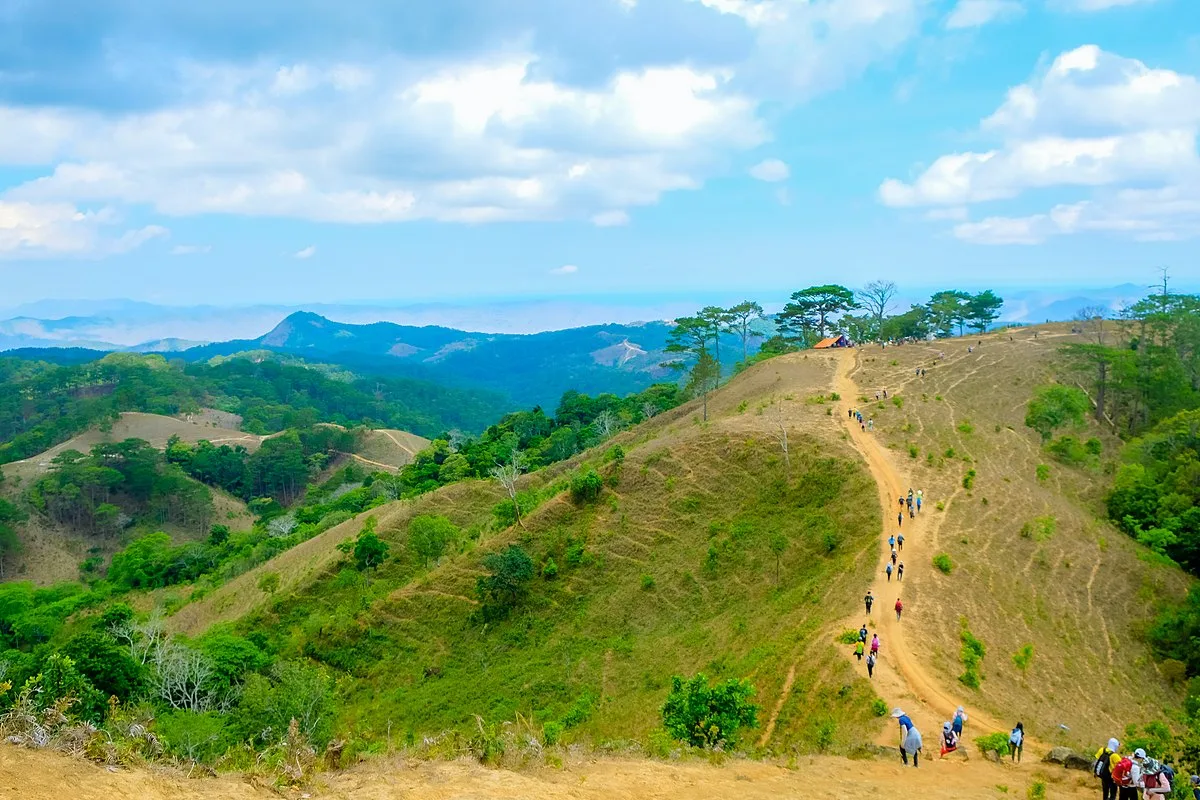
Ta Nang – Phan Dung draws walkers with its rolling grassy hills and the experience of hiking from one end of a route to another. It is worth exploring if you enjoy open landscapes and want an overnight adventure.
Understand the route: There is no single distance for every itinerary. For example, Bitour describes a route via Doi Linh of around 35 km. Before booking, ask about the starting point, finish, campsite, and whether any waterfall detour is included.
What to prepare: Prioritize endurance, sun protection, water for each stage, and footwear you have already tested. If camping, protect your clothes and sleeping gear from water inside your backpack.
Look beyond photos of the grasslands when choosing a trip. Check the rain forecast, stream crossings on your exact route, and transport from the finish. If you are unfamiliar with forest trails, go with someone experienced on this route.
Explore this trail on ExoTrails now: https://link.exotrails.com/Sq63wrofc7b
2. Ta Lien Son: Explore the Mountain Forests of Lai Chau
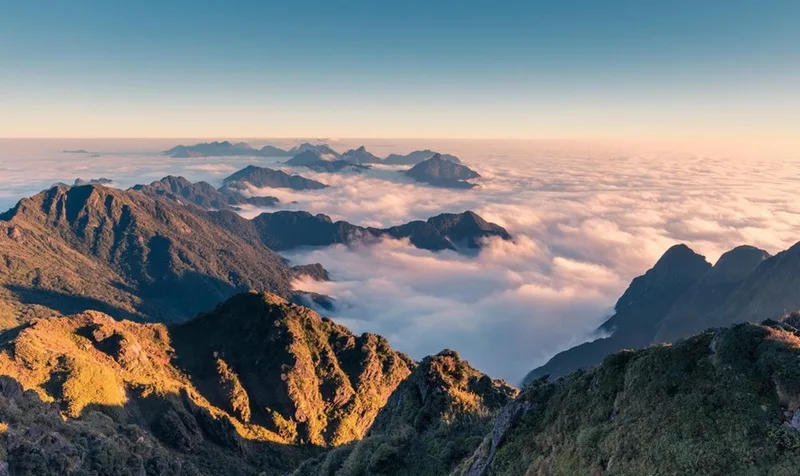
Ta Lien Son is worth considering if you enjoy walking beneath a forest canopy, with old trees, moss, and ferns along the way. The journey through the forest is part of the appeal, alongside reaching the summit.
Viettrekking lists a 2-day, 1-night Ta Lien Son trek, including an overnight stop on the mountain, and rates it “Advanced” within its own system. That duration applies to the specific program and does not account for every possible journey from your home or accommodation.
What to prepare: Footwear with grip on damp ground, spare socks, rain protection, and dry clothes for resting. Train for both uphill and downhill walking: the return journey requires strength and concentration when your legs are already tired.
Ask about shelter conditions, drinking water, sleeping equipment, and what porters will carry. On wet trails or in thick mist, stay appropriately spaced within the group and avoid taking unconfirmed side paths.
Explore this trail on ExoTrails now: https://link.exotrails.com/p1nowssfc7b
3. Ky Quan San: A Mountain Trek That Calls for Endurance
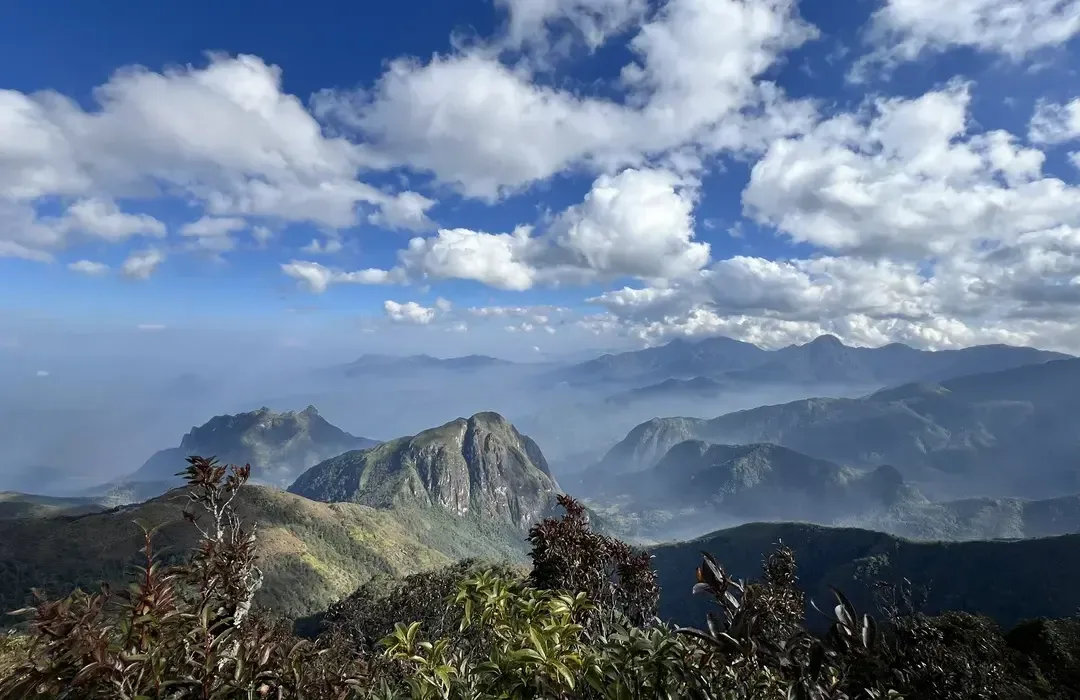
Ky Quan San, also commonly known as Bach Moc Luong Tu, is an option for trekkers seeking a mountain challenge. Cloud-filled views are part of its appeal, although they cannot be guaranteed on every trip.
Viettrekking offers a 3-day, 2-night itinerary, rated “Challenging” within its own system. Review the daily stages and fitness requirements carefully before signing up.
What to prepare: Insulating layers, wind and rain protection, a headlamp, and sleeping equipment suited to the expected temperatures. Prepare on hills with the backpack you intend to carry, rather than relying entirely on flat-ground walking.
Confirm the overnight stops, sleeping elevations, turnaround times, and support available if you cannot continue to the summit. Report unusual symptoms promptly instead of pushing yourself to maintain the group’s pace.
Explore this trail on ExoTrails now: https://link.exotrails.com/Q1q5IDvfc7b
4. Ta Xua from Tram Tau: Check Which Trek You Are Booking
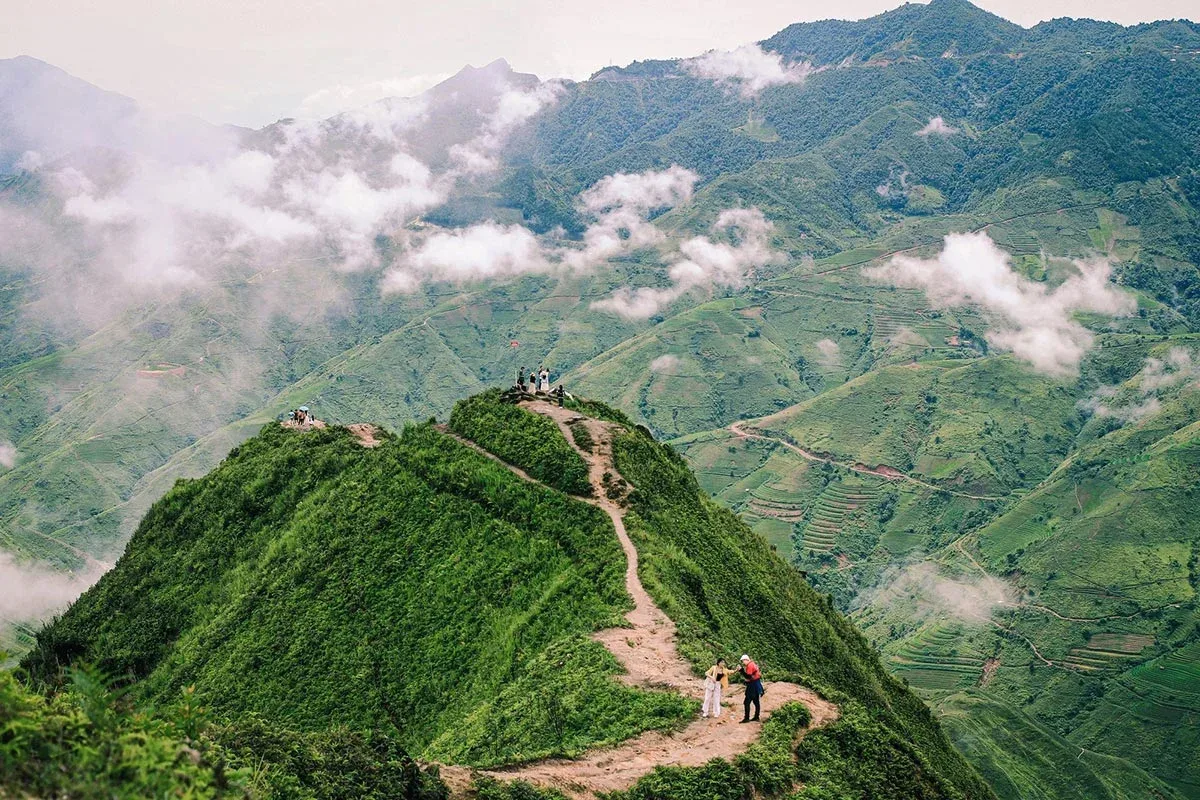
Searching for “Ta Xua trekking” can bring up both mountain treks and sightseeing trips focused on cloud views. The trek from Tram Tau is a different itinerary from a sightseeing visit to Ta Xua in Bac Yen.
Vietrek describes a trekking program associated with Ban Cong – Tram Tau, with overnight stops on the mountain. Ask your operator about the exact starting point, destination, and ridge sections included in the itinerary.
What to prepare: Alongside endurance, assess your ability to move on narrow paths and terrain where a fall could have serious consequences. Well-fitting footwear, a stable backpack, wind and rain protection, and following your guide’s instructions all matter.
Stay away from ridge edges when taking photos. Changing your objective when wind, mist, or trail conditions are unsuitable is a normal part of trekking. A fixed rope on a section of trail does not make it safe for every person to cross.
Explore this trail on ExoTrails now: https://link.exotrails.com/qnBSPr0H46b
5. K50 Waterfall – Gia Lai: Trek Through the Forest to a Spectacular Waterfall
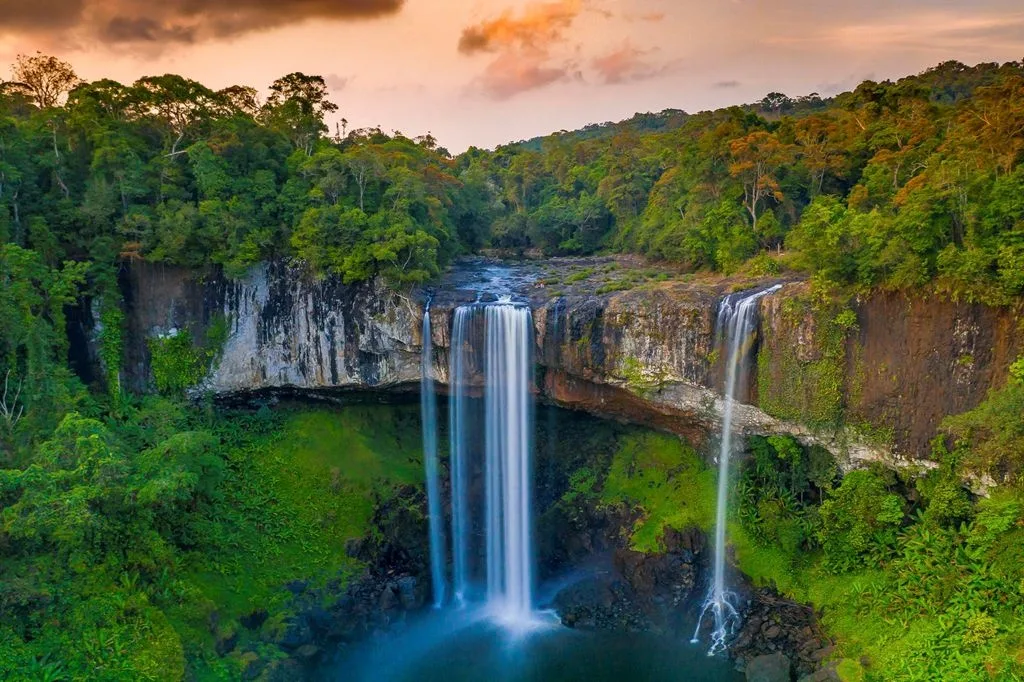
K50 Waterfall lies within Kon Chu Rang Nature Reserve, where cascading water and moss-covered cliffs create a striking forest setting. The journey is worth exploring if you enjoy walking beneath the canopy and discovering the Central Highlands’ forests and waterfalls.
The approach route and walking time depend on the itinerary. Before your trip, confirm the starting point, transfers, overnight arrangements, and access conditions with your operator or the reserve management.
What to prepare: Footwear with good grip on damp ground, quick-drying clothing, rain protection, and waterproof bags for personal items. If staying overnight, keep a separate set of dry clothes and socks to change into.
Water and moss can make surfaces near the waterfall slippery. Avoid approaching the current, climbing onto wet rocks, or leaving the group to find a photo spot. In heavy rain or unsuitable trail conditions, follow your guide’s instructions about changing the itinerary.
Explore this trail on ExoTrails now: https://link.exotrails.com/mo3nFs2fc7b
6. Lao Than: Sunrise and Mountain Views Around Y Ty
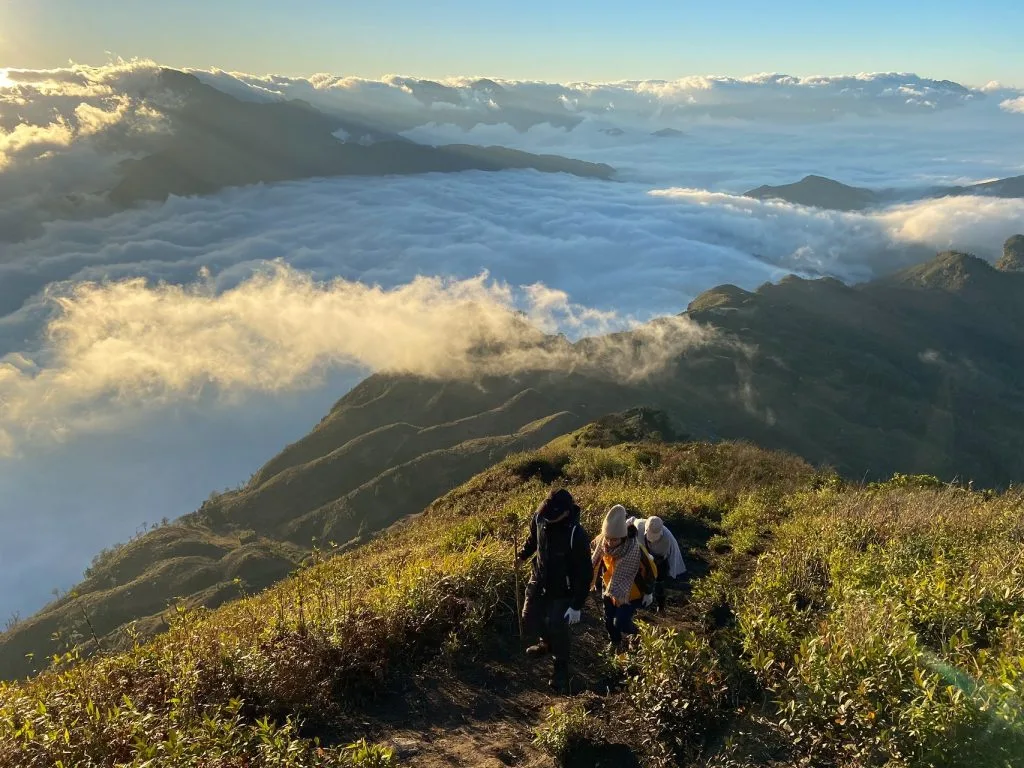
Lao Than attracts trekkers interested in sunrise and cloud views around Y Ty. It is a route to explore if you enjoy pausing to take in mountain scenery after a walk.
Viettrekking lists a 2-day, 1-night program, rated “Basic” within its own system. That label does not mean everyone can join without preparation.
What to prepare: Clothing that is easy to adjust while walking, plus wind protection and warm layers for stops. Ask whether any stage takes place in darkness so you can prepare lighting and spare power.
Treat a “sea of clouds” as a possibility rather than a promise. Trail conditions, weather, and your health remain the priorities. Choose stable places for photos and follow your guide’s directions.
Explore this trail on ExoTrails now: https://link.exotrails.com/UlVrqDCfc7b
7. Bidoup – Ta Giang: Understand the Connecting Route
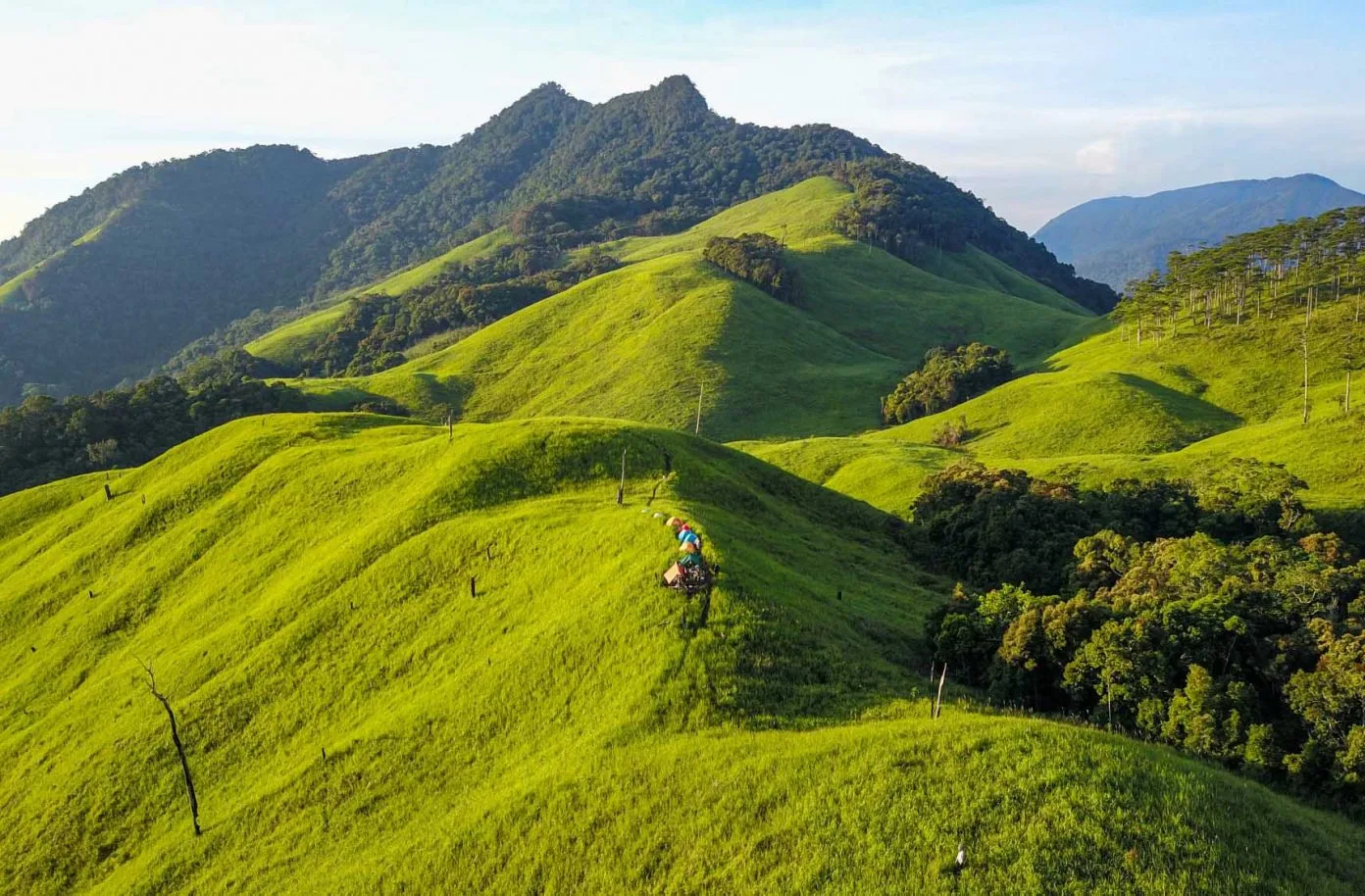
The name Bidoup – Ta Giang might suggest climbing Bidoup’s summit and then visiting Ta Giang. In practice, you need to check the specific connecting route offered by your operator.
Nobitrip describes an itinerary of approximately 30 km over 2 days and 1 night, starting around Hon Giao, passing through forest and stream sections, and finishing toward Ta Giang. These figures describe that program, rather than every route sold under the same name.
What to prepare: Ask which footwear is appropriate for wading, and pack dry socks and quick-drying clothing. Waterproof your sleeping kit, medication, and electronics.
Arrange transport at both ends. Long descents also take energy; a controlled pace is often more useful than trying to move quickly. Stream crossings must be assessed at the time of your trip, rather than from an old GPS track.
Explore this trail on ExoTrails now: https://link.exotrails.com/ATAU3XEfc7b
8. Ngu Ho – Bach Ma: A Shorter Trail Still Needs Preparation
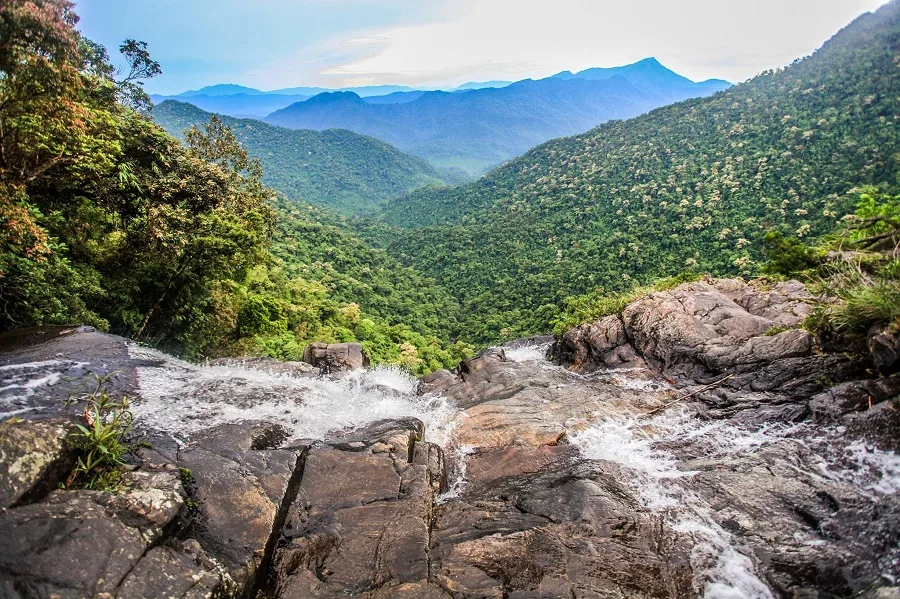
Ngu Ho in Bach Ma National Park is worth exploring if you want pools and waterfalls on a trail shorter than the multi-day mountain treks in this list.
The park describes the Ngu Ho trail as approximately 1.5 km long. That distance applies to the Ngu Ho trail itself, rather than your entire day if you add Do Quyen or other stops.
What to prepare: Footwear with grip on wet surfaces, rain protection, water, snacks, and a waterproof pouch for your phone. Confirm the trail entrance, current conditions, and when you need to return.
A short walk still has hazards. Take care around wet rock, pool edges, and flowing water. Do not assume swimming is allowed in every pool; follow signs and park instructions.
Explore this trail on ExoTrails now: https://link.exotrails.com/pKuXlyGfc7b
9. Chu Yang Lak – Dak Lak: Follow Forest Trails to the Summit
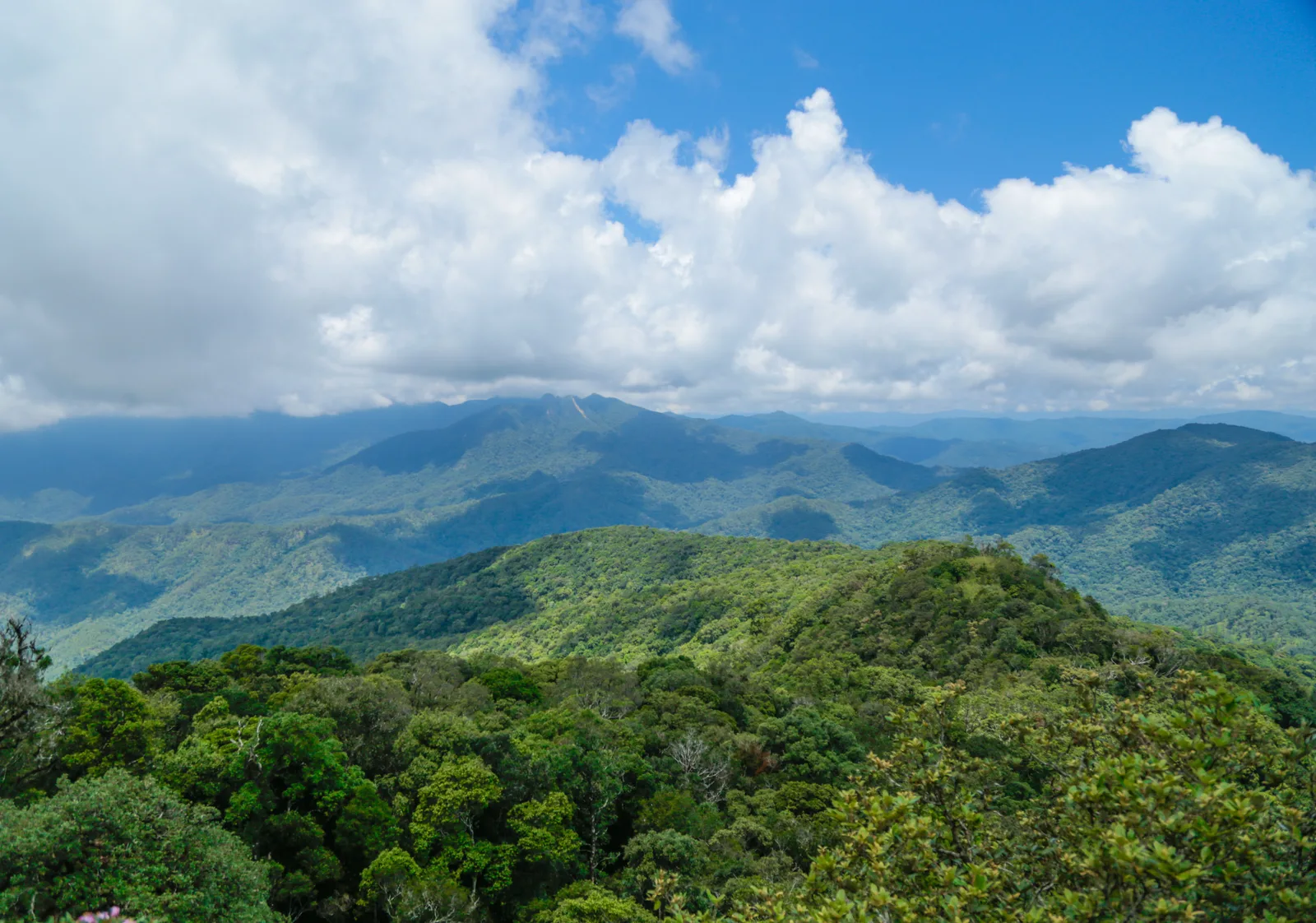
Chu Yang Lak is an option for travelers who want to explore Dak Lak’s mountain forests on foot. The hilly terrain calls for endurance, making the experience as much about pacing yourself and enjoying the trail as reaching the summit.
Trip duration and distance depend on the ascent and descent routes. Before booking, ask about the starting point, steep sections, water refill points, and any overnight arrangements. Summit elevation alone does not determine a trek’s difficulty.
What to prepare: Footwear you have already tested, water for each stage, snacks, rain protection, and a headlamp. For an overnight trip, add dry clothing and warm layers suited to the expected temperatures.
Save energy for the descent, maintain a comfortable pace, and avoid taking unconfirmed side trails. If the path becomes slippery, the weather deteriorates, or you feel unwell, tell your guide early so the plan can be adjusted.
Explore this trail on ExoTrails now: https://link.exotrails.com/QgAa3UVfc7b
10. Lung Cung: Choose the Itinerary That Fits You
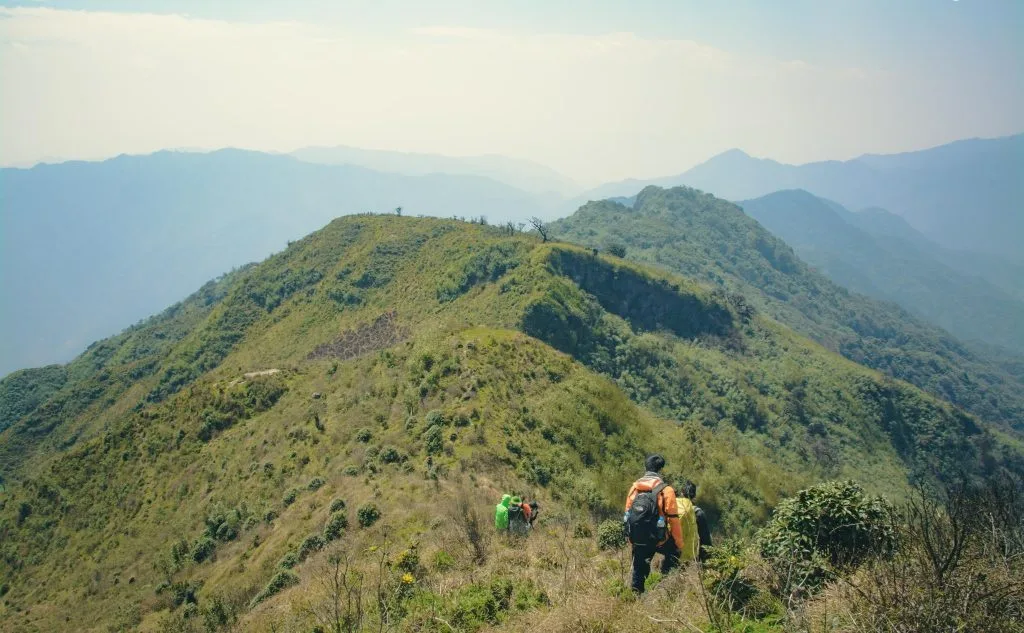
Lung Cung is worth considering for further exploration of the mountain forests around Mu Cang Chai. Before booking, look at the starting point and daily stages, alongside the summit photos.
Vietrek describes a program involving approximately 23 km of trekking. Other operators may use different routes and schedules, so confirm the walking distance, overnight stops, and travel arrangements.
What to prepare: Grippy footwear, rain protection, warm layers, and dry clothes for resting. Ask about the road to the trailhead, transfer vehicles, and meeting times as well.
Save enough energy for the return journey. If access roads or weather conditions change, adjust the departure time and objectives to match the group’s assessment.
Explore this trail on ExoTrails now: https://link.exotrails.com/Z5awiYvhc7b
11. How to Choose Your Next Trek in Vietnam
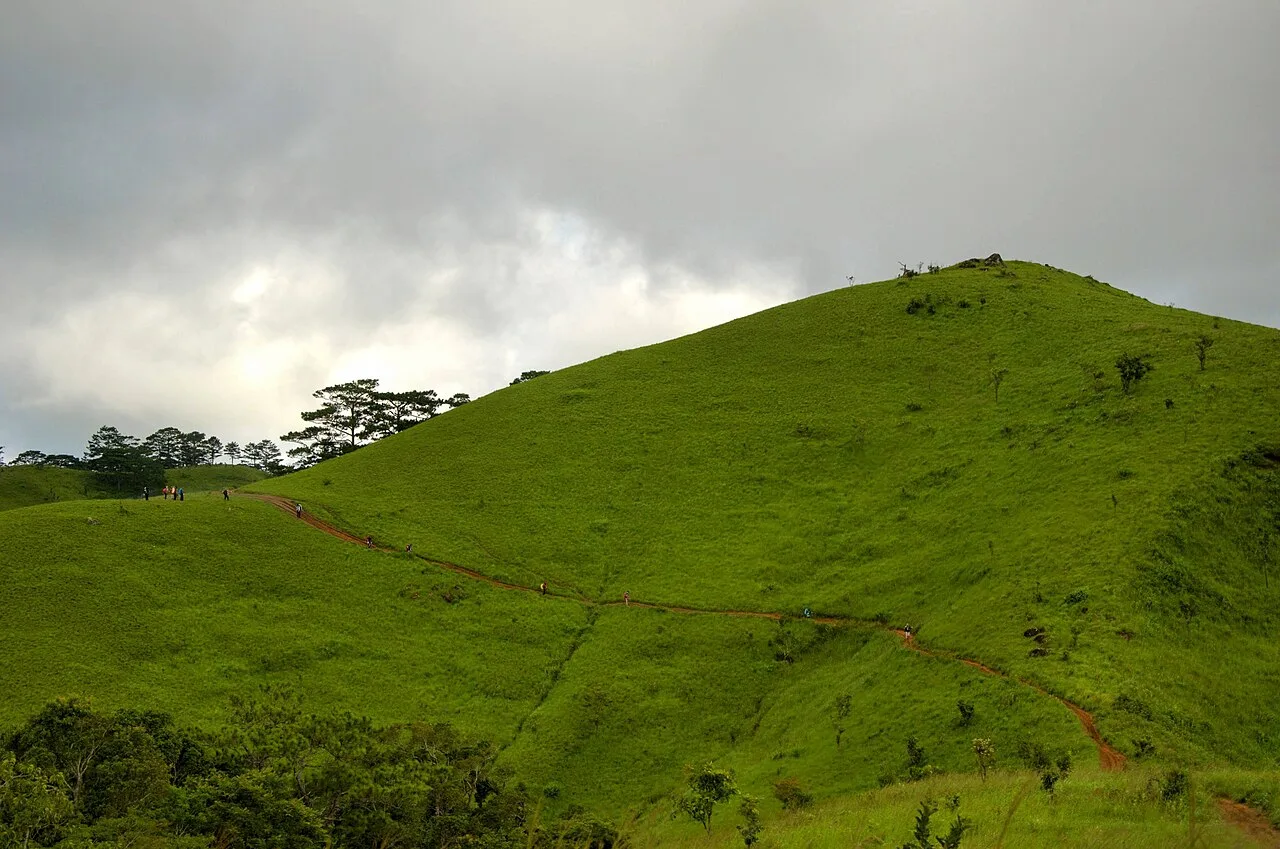
Start with three questions: What experience do you want, what terrain are you used to, and how much time do you have?
For grassland scenery, explore Ta Nang – Phan Dung. For forests, look into Ta Lien Son or the specific Bidoup – Ta Giang route. For caves, review the participation requirements for Hang En. If you prefer a trip without an overnight stay, check the scope of the Ngu Ho trail before planning.
For summit treks, distance alone does not tell the whole story. Gradients, surfaces, pack weight, weather, and access to rescue support affect the demands of a trip. Your pace on flat ground is not a complete measure of your ability on mountain trails.
Before booking, ask:
Where does the route start and finish, and how long will you walk?
Are there narrow sections, stream crossings, or stages in darkness?
Who leads the group, who stays at the back, and what happens if someone turns around?
What drinking water, sleeping arrangements, and equipment are provided?
Will the operator change the route, reschedule, or cancel in poor weather?
What does the insurance cover, and what exclusions apply?
12. When Is the Best Time to Go Trekking in Vietnam?
There is no single best season for all 10 routes. Seasonal scenery and suitable trail conditions need to be considered together.
Green grass may come with rain; beautiful cloud views may coincide with cold, damp conditions. Little rain at the starting point does not prove that stream crossings farther along the route are suitable.
Before your trip, check both the forecast and the route: rain, thunderstorms, wind, temperatures, flash flood or landslide warnings, approach roads, and park notices. Review current bulletins for the correct area from Vietnam, then confirm conditions with your operator.
For cave trips, check the operating schedule directly. For mountain treks, ask about expected temperatures at the overnight stop, rather than relying solely on a forecast for the nearest town.
13. Vietnam Hiking Gear Checklist: Pack for Your Route
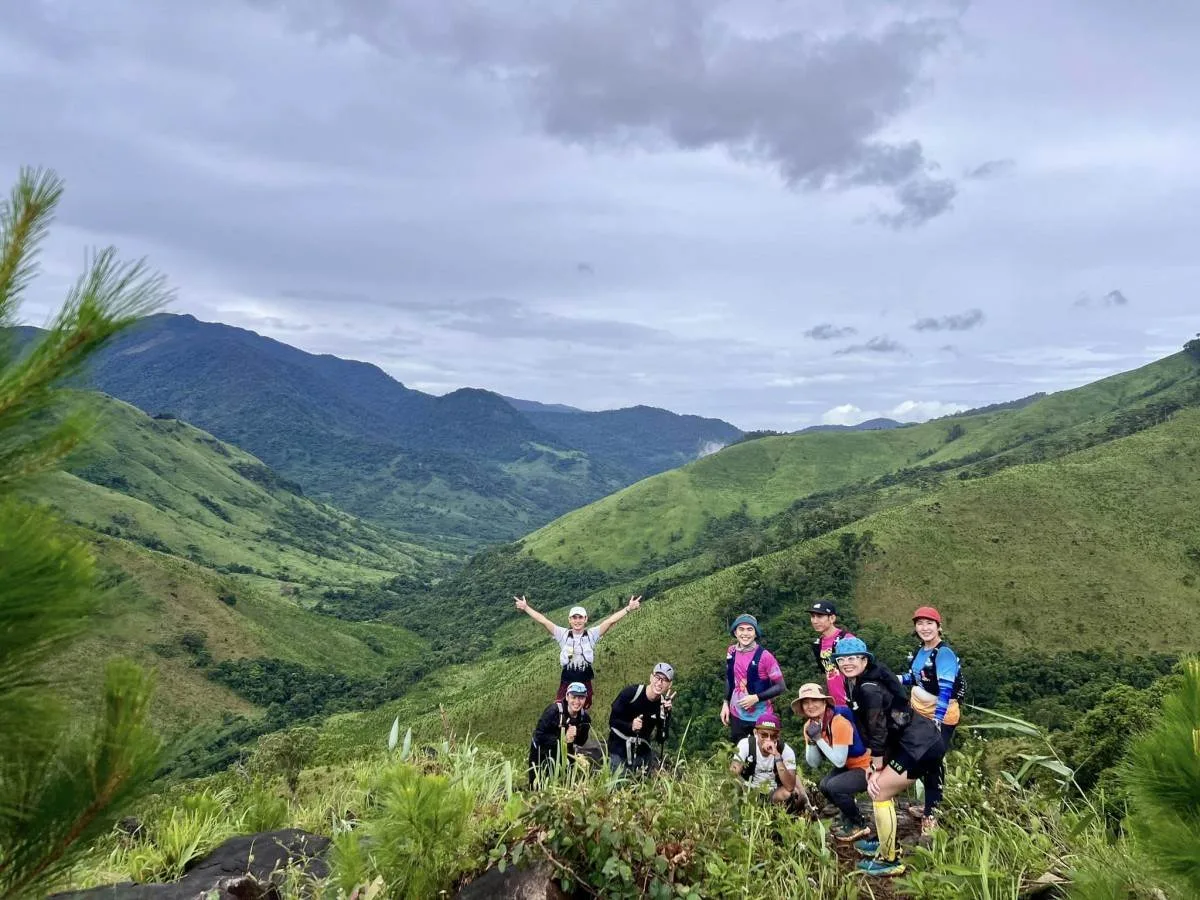
You do not need to buy a large amount of equipment at the start. Prioritize items that fit, that you have tested, and that suit your itinerary. A basic checklist covers navigation, lighting, weather protection, first aid, water, food, and shelter for an unexpected delay.
Hiking Shoes and Socks: Fit Comes First
Try footwear with the socks you will wear. Check toe room when walking downhill, heel security, and pressure points. Test the shoes on a shorter outing before your main trek. Check older footwear for sole wear and failing adhesive.
Choose for the terrain: waterproof footwear and footwear designed to drain serve different needs. Waterproof membranes may reduce breathability. For routes with frequent wading, ask your operator before deciding.
Keep spare dry socks in a sealed bag. If you notice rubbing, tell your guide and address it early rather than continuing until a blister becomes severe.
Clothing: A Walking Outfit and a Dry Set for Resting
While walking: Quick-drying tops and trousers that allow easy movement. Long sleeves and trousers are useful for forest routes.
While resting: A dry change of clothes, dry socks, and insulating layers for the expected conditions.
In rain and wind: A hooded rain jacket and wind protection. Add rain trousers where the itinerary requires them.
Keep sleeping clothes separate from wet items. Adjust your layers while moving to limit overheating and excessive sweating. Keeping your gear dry is an important part of staying warm.
Backpack and Waterproofing: Test the Full Load
Choose a backpack for your torso length and actual load, alongside capacity. Pack everything and try it on; adjust the straps for stability and limit loose items hanging outside.
Keep water, snacks, rainwear, and first aid easy to reach. Use sealed bags or a waterproof liner inside your pack for sleeping gear, medication, and electronics. A pack cover does not fully replace protecting important items inside.
Headlamp, Maps, and Spare Power
Carry a headlamp even for a planned day hike, since the trip may finish later than expected. Test it and bring a suitable backup power source.
Download your map and open it without a connection. Save the correct starting and finishing points and contact details. Pack a power bank and cables protected from water. Navigation tools only help when you know how to use them; an old GPS track does not confirm that a trail is still open.
Water and Food: Plan for Each Stage
There is no universal rule that “2 liters a day is enough” for every trek. Plan water around the weather, time between refill points, and your own needs. Confirm refill arrangements before leaving.
Clear-looking water can still contain pathogens. If a source is not known to be safe, use an appropriate treatment method. Different filters do not remove all pathogens equally.
Bring food that is easy to eat on the move and suits your dietary needs, plus a reserve for delays. Keep essential water and food with you, rather than placing everything in luggage that may be carried separately.
First Aid, Emergency Items, and Accessories
Pack a personal kit with dressings, medical tape, blister care supplies, first-aid gloves, and medication you have been instructed how to use. Tell the trip leader about allergies or relevant health conditions.
Add a whistle, emergency shelter suited to the route, basic repair items, sun protection, and insect repellent used according to its label. Trekking poles may help while walking, but stow them on sections where you need your hands, following your guide’s instructions.
Even with porter support, keep items needed on the trail or in an emergency with you: water, food, lighting, rain protection, necessary weather-protection layers, and personal medication.
Sleeping Bag, Sleeping Pad, and Tent for Overnight Trips
Ask what the operator supplies, including sizes and equipment condition. If bringing your own kit, choose a sleep system for the expected temperatures, including both the sleeping bag and insulation beneath you.
Do not treat a sleeping bag’s “extreme” temperature rating as a comfortable sleeping temperature. Comfort and limit ratings have different meanings. Your sleeping pad and the ability to keep the kit dry also affect warmth.
Adjust Your Packing List to the Conditions
Conditions | Equipment to prioritize |
High mountains, cold, and wind | Insulation, wind and rain protection, dry clothes, and a suitable sleep system |
Open grasslands and sun | Sun protection, water for each stage, and accessible snacks |
Damp forests | Grippy footwear, quick-drying clothing, protected sleeping gear, and insect protection |
Frequent wading | Footwear recommended for the route, dry clothing, and protection for electronics and medication |
Caves | Specialist equipment for the exact program and instructions for its use |
Day hikes | Lighting, rain protection, first aid, and spare food and water |
14. Hiking Safety in Vietnam: Risks and When to Turn Back
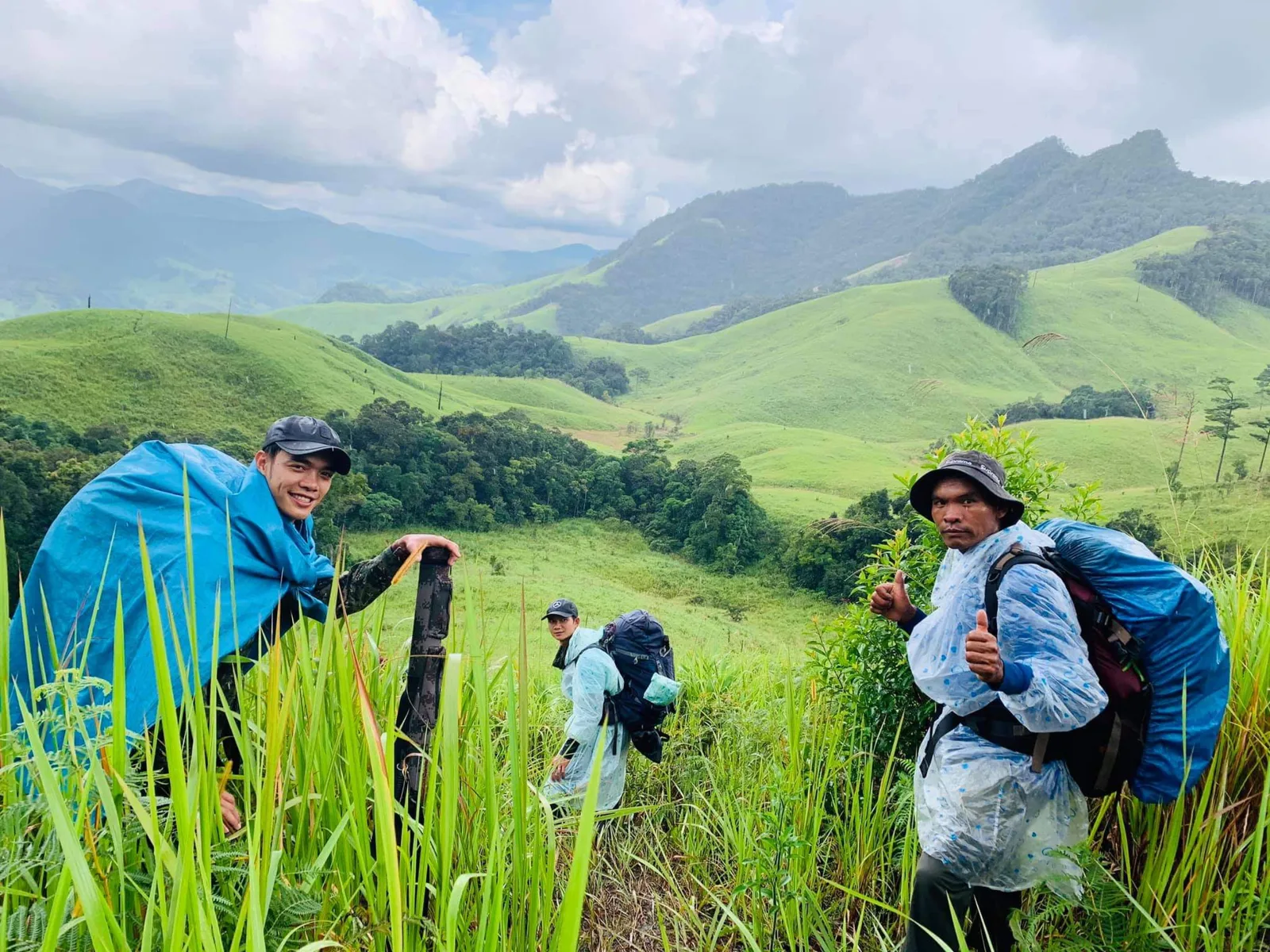
Rising Streams and Heavy Rain
Do not attempt to cross rising or fast-flowing water on your own. Someone else crossing successfully does not establish that the conditions are suitable for you. If a crossing is unsafe, follow the trip leader’s assessment and plan to reroute, turn back, or wait.
Thunderstorms and Exposed Ridges
Watch changing weather and avoid continuing toward a summit or exposed ridge as a thunderstorm approaches. Follow the retreat plan and seek appropriate shelter. An isolated tree or tent is not safe lightning shelter.
Altitude and Your Health
Good fitness does not rule out altitude illness. Headache with nausea, dizziness, or unusual fatigue after ascending should be reported and assessed. Do not continue ascending with symptoms consistent with altitude illness. Severe or worsening symptoms require descent and medical assistance. People with heart, lung, or related conditions should discuss their trip with a doctor beforehand.
Cold, heat, and exhaustion can also affect your trip. Report health concerns early; determination is not a substitute for assessment and support.
Losing Your Way or Becoming Separated
Agree on the lead guide, the person at the back, and meeting points. Avoid taking a different path for photos. If you lose your bearings, stop moving without a plan, assess immediate hazards, and follow your communication plan. Do not assume that following a stream will lead you out.
Turning back when needed is a responsible decision. Agree on time limits, situations requiring a change of plan, and support for anyone injured, exhausted, or unwell.
15. Vietnam Trekking Costs: Compare What Is Included
Costs depend on the route, travel date, group size, and services. Compare equivalent inclusions before booking to avoid treating different packages as the same product.
Cost item | What to confirm |
Transport and transfers | Pickup and drop-off points, travel stages, and luggage |
Fees and registration | Which charges are included |
Guides and porters | Responsibilities and luggage limits |
Food and water | Meals and refill arrangements |
Equipment and overnight stays | Shelter or tent, sleeping bag, pad, and extra charges |
Insurance | Coverage, benefits, and exclusions |
Changes or cancellation | Policies for weather and route changes |
Allow a contingency for additional transport or schedule changes. Request a quote specifying the date, route, and excluded costs.
16. Before You Go: A Trekking Checklist
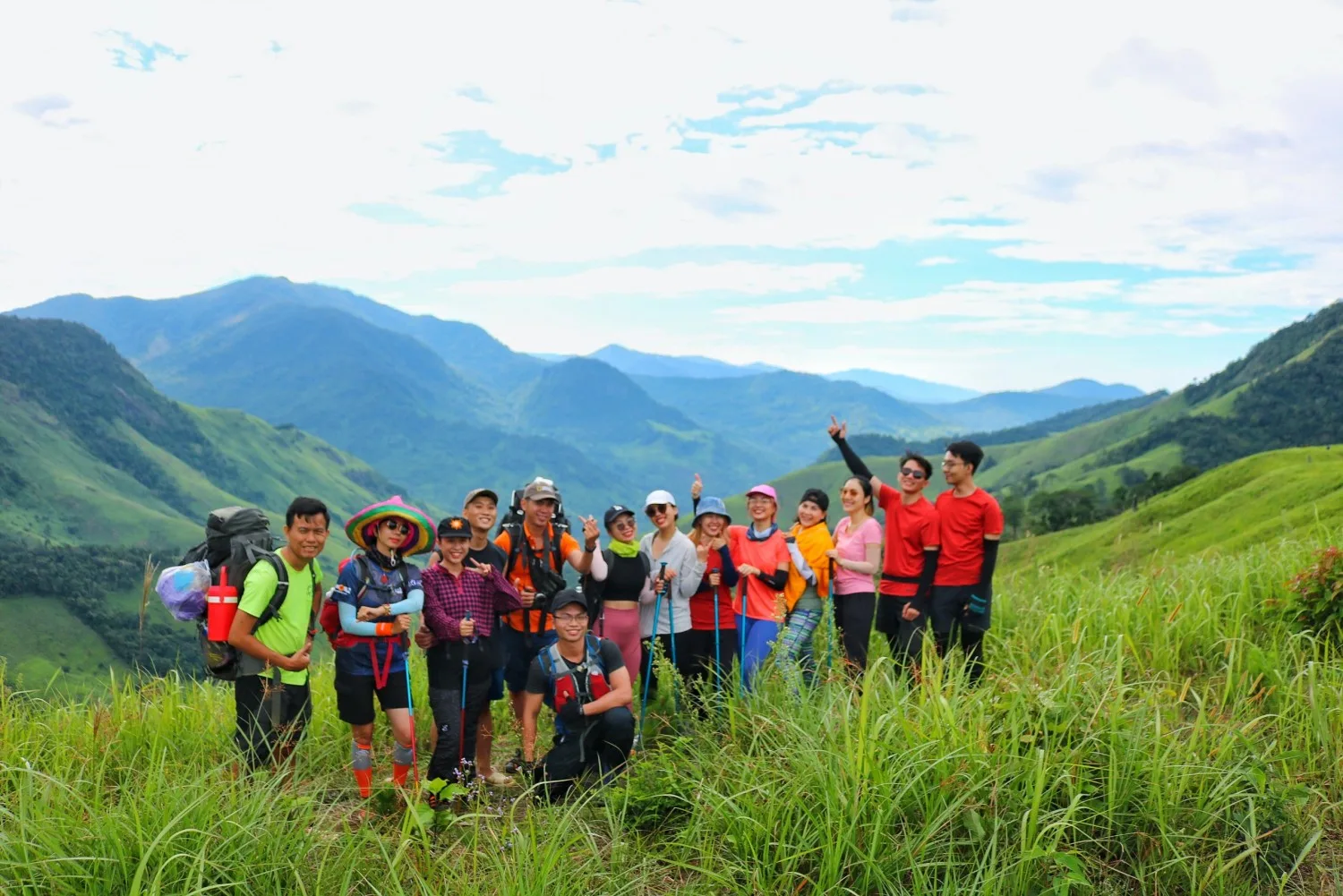
Confirm the exact route, participation requirements, and access conditions.
Check forecasts, warnings, and the operator’s latest information.
Test your shoes, backpack, and equipment on a shorter outing.
Download maps, test them offline, and charge your phone and headlamp.
Pack a separate dry set and check water, food, and medication.
Share your itinerary and contact details with someone staying behind.
Attend the briefing and agree on group arrangements and the turnaround plan.
During the trip, carry out your rubbish, avoid picking plants or damaging cave formations, and follow local rules about fires and access. Ask before photographing local people and keep overnight stops quiet.
17. Frequently Asked Questions About Hiking in Vietnam
Which Trek Should Beginners Choose?
Choose according to the specific route and your current ability. Ngu Ho has a shorter trail, but conditions still need checking. For overnight trips, describe your experience honestly to the operator so they can advise you. A “Basic” label alone is not enough to choose a trip.
Do I Need a Guide?
For remote forest routes, unfamiliar trails, or trips involving streams, caves, and complex terrain, go with an experienced guide. Where registration or a guide is required, follow the destination’s rules.
Do I Need a Backpack if the Tour Has Porters?
You still need to carry trail essentials and emergency items. Confirm what porters carry, the weight limit, and when you can access that luggage.
Can I Navigate Using Only My Phone?
A phone can help, but batteries can run out and devices can break or get wet. Prepare offline maps, spare power, device protection, and a group navigation plan.
Do I Need to Know How to Swim for Hang En?
Requirements depend on the exact program and activities. Ask before booking, explain your swimming ability, and follow instructions about safety equipment.
Choose a Route and Start Preparing
Among these 10 hiking and trekking routes in Vietnam, the best trip for you is one that matches your fitness, available time, and actual conditions. Choose a place that makes you want to explore, then prepare step by step: understand the route, train, check your gear, and go with a suitable team.
Start researching destinations on ExoTrails. Save this list and packing checklist for your next adventure, and confirm the latest information with the park authority or operator before setting out.
Connect with our outdoor community and stay updated:
👥 Join our Facebook Group: Run, Trek & Camp | Basecamp Việt Nam – Share your foraging spots, trail reviews, and connect with fellow adventurers!
👍 Like our Facebook Page: ExoTrails Worldwide – Get real-time trail updates, forest safety tips, and exclusive offers.