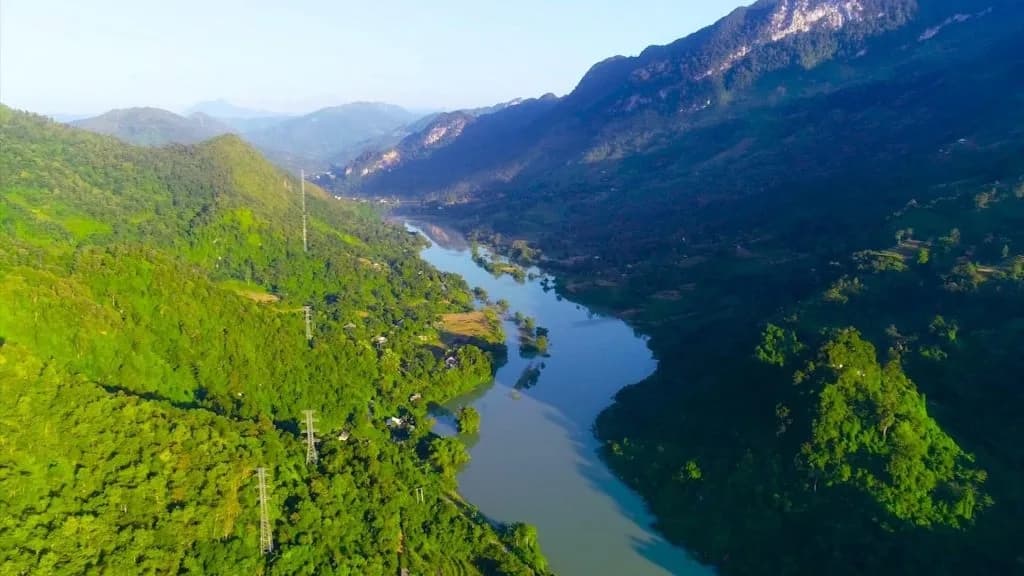
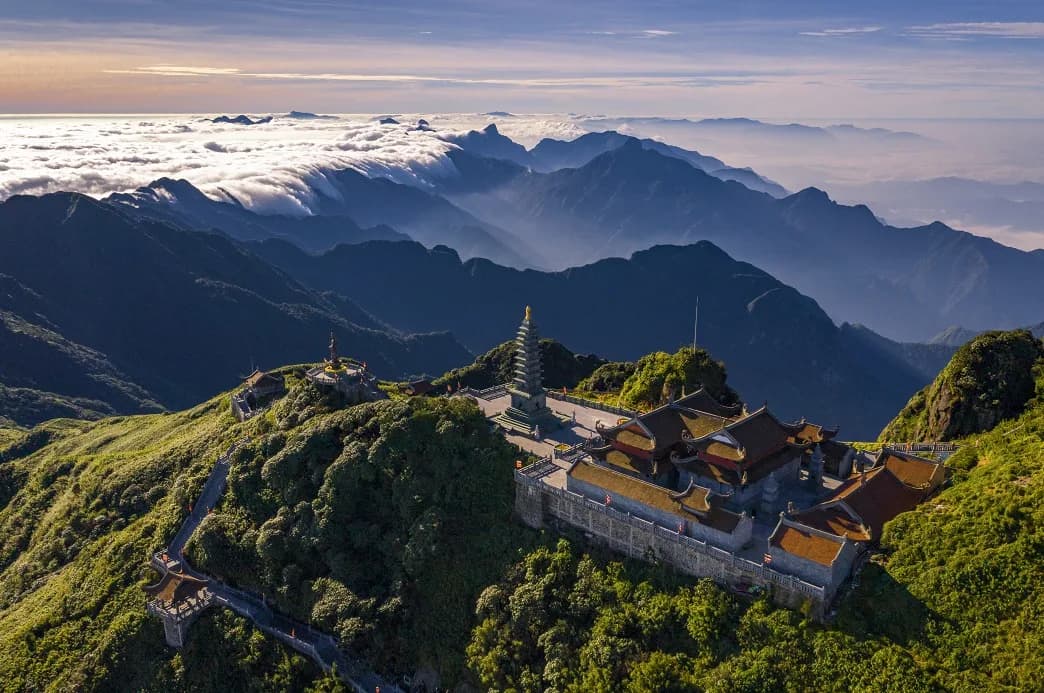

A forest path wrapped in mist. Rhododendrons brightening a mountainside. A clear interval revealing the ridges of Hoang Lien Son. Fansipan offers different experiences throughout the year, but choosing a month requires more than matching your trip to a photograph.
For travellers researching the best time to hike Fansipan, spring and autumn are useful starting points. Vietnam’s tourism website highlights March–May for milder conditions and flowers around Sa Pa, and September–November for autumn travel. These are regional seasonal patterns, rather than a guarantee of conditions on the summit trail.
The right choice also depends on your route, fitness, equipment and the weather immediately before departure.
Fansipan Weather by Month: A Planning Overview
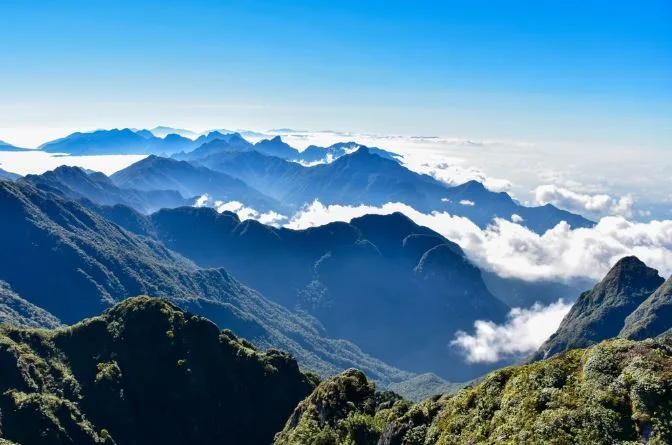
The table below translates broad seasonal patterns into planning priorities. It is not a summit forecast, and adjacent months often share similar conditions.
Vietnam’s tourism climate guide describes Sa Pa as cold and misty in winter, warmer during spring, stormier and humid in summer, and generally cooler and drier in autumn. Conditions higher on Fansipan require a separate assessment.
Month | Seasonal context | What to prioritise |
|---|---|---|
January | Cold-season conditions | Cold-weather assessment and flexibility |
February | Winter conditions may persist | Warm equipment and current trail information |
March | Transition toward spring | Prepare for both damp weather and cold |
April | Spring trekking and flowering interest | Ask about flowers on your exact route |
May | Warmer conditions and seasonal transition | Rain protection and updated forecasts |
June | Increasing wet-season influence | Check recent rain and route suitability |
July | Summer rain and humidity | Be ready to postpone or change plans |
August | Wet-season considerations continue | Confirm conditions close to departure |
September | Transition toward autumn | Avoid assuming the wet season has ended |
October | Common autumn planning choice | Confirm visibility expectations and overnight conditions |
November | Cooler autumn conditions | Prepare for colder stops and overnight stays |
December | Winter conditions become more relevant | Check cold spells and any operating changes |
Spring: Flowers and Changing Conditions
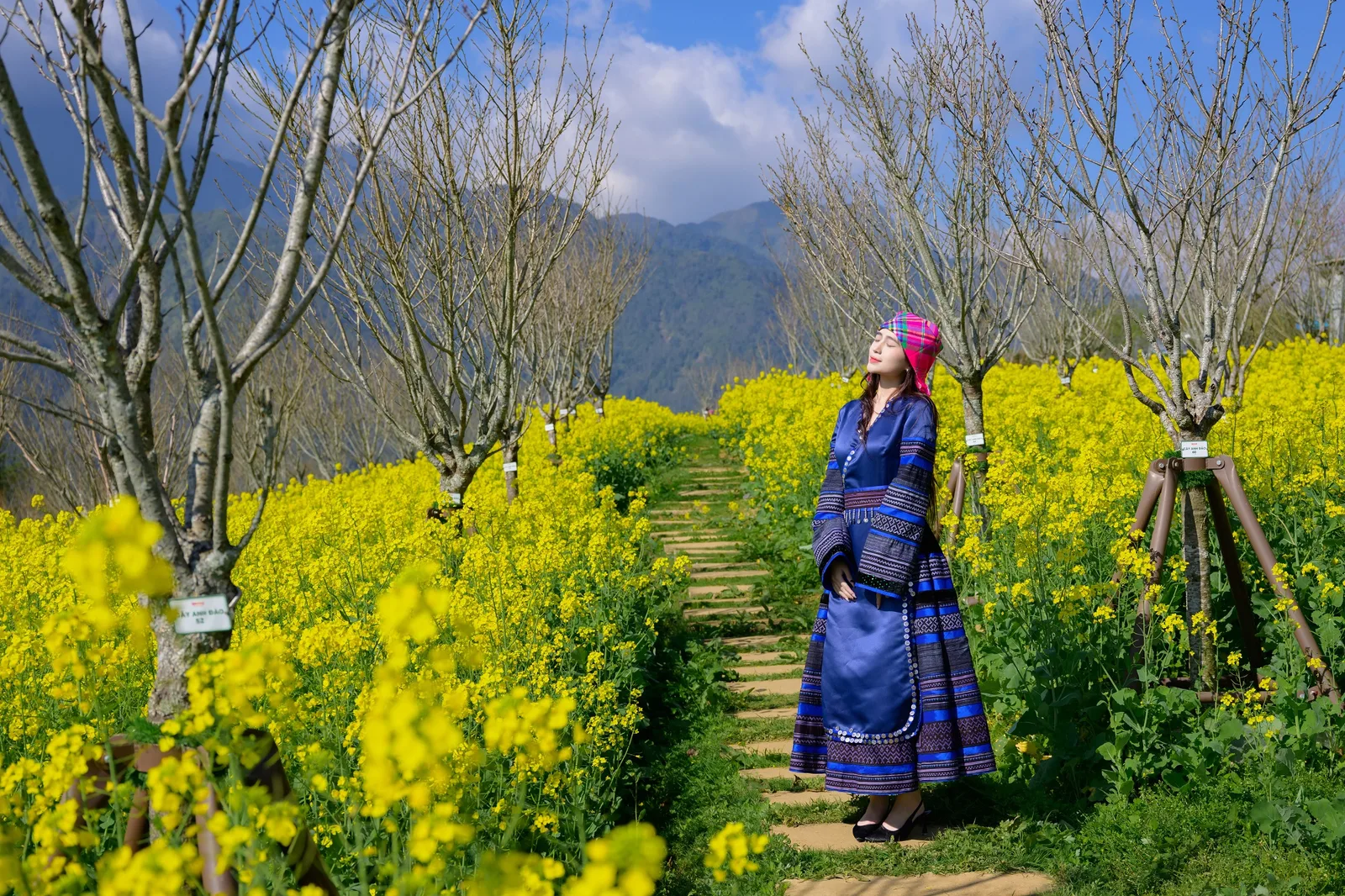
March–May
Spring is appealing for travellers interested in forest vegetation and flowering rhododendrons.
Sa Pa’s tourism office describes different rhododendron species flowering in successive periods across the Hoang Lien Son range, broadly from February into June. This makes a single fixed “peak bloom week” unreliable without recent local information.
Ask your operator which flowers have recently been seen along the planned route. Flower displays around visitor facilities and wild flowering along a trekking trail are different experiences.
Spring scenery also does not make Fansipan an easy walk. Hoang Lien National Park’s published route information describes different distances, gradients and itineraries, so preparation should follow the route rather than the season’s appearance.
Plan for: flowering interest, changing visibility and clothing suitable for both movement and rest.
Summer: Green Forests and Wet-Weather Decisions

June–August
Summer brings a different planning emphasis. Sa Pa’s regional climate guidance identifies June–August as a period of stormy, warm and humid conditions. For a Fansipan hiking tour, ask how recent weather has affected the actual trail. A general description of lush forest is less useful than an up-to-date assessment from someone who has walked the route.
Discuss:
Whether the planned itinerary remains suitable.
What conditions would trigger cancellation.
How the group will manage wet clothing and equipment.
Whether additional time or a different plan is needed.
Choose dates with room for adjustment. Persistent bad weather should change the plan rather than become part of a promised adventure.
Plan for: waterproof packing, flexible bookings and an operator willing to postpone.
Autumn: A Strong Starting Point for Trek Planning

September–November
Autumn is often the first season travellers consider for Fansipan. Regional tourism guidance identifies September–November as a favourable period for visiting Sa Pa.
Use that recommendation to narrow your dates, then evaluate them with your operator. September should not be treated as an automatic end to wet weather, and a clear day in town does not establish summit visibility.
If you also want rice-terrace photography, arrange a separate valley excursion and check local harvesting progress. A forest ascent should not be sold as a guaranteed walk through golden fields.
Plan for: a combination of trekking and a separately timed Sa Pa visit, with warm layers for stops.
Winter: Cold, Fog and Occasional Snow
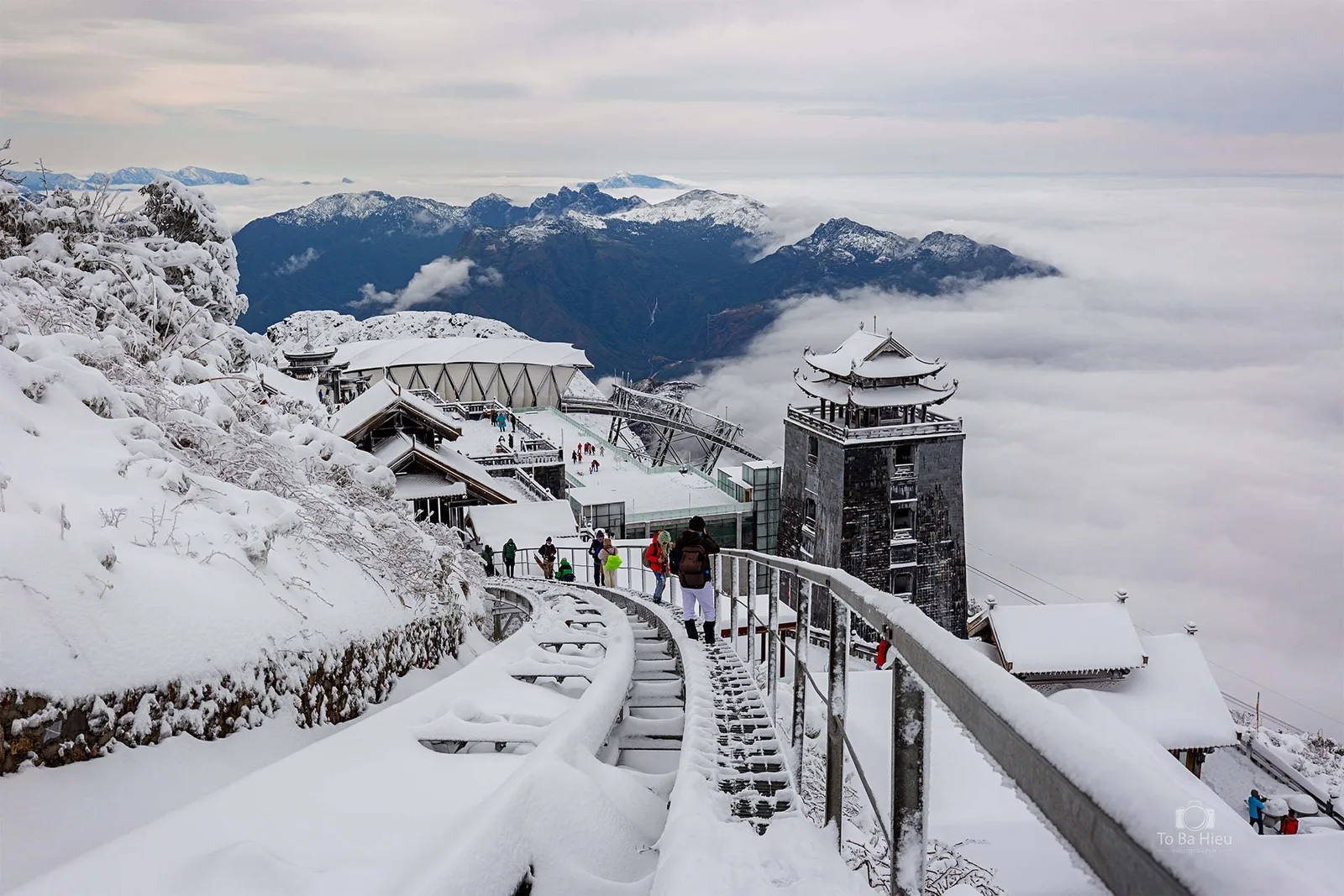
December–February
Winter requires particular care in how the experience is described.
Freezing conditions and snow have been documented on Fansipan. Vietnam News Agency reporting recorded snowfall above approximately 3,000 metres during a January 2025 cold spell. Such events establish that snow is possible, not that it can be reliably planned.
Avoid booking a trek around a promise of snow or solitude. The decision to hike should follow the current conditions, the group’s preparation and the operator’s assessment.
Ask specifically whether your clothing, footwear and overnight arrangements suit the forecast. Be prepared to cancel when necessary.
Plan for: specialist local advice, suitable cold-weather equipment and a flexible itinerary.
Choose the Route Before Finalising the Season
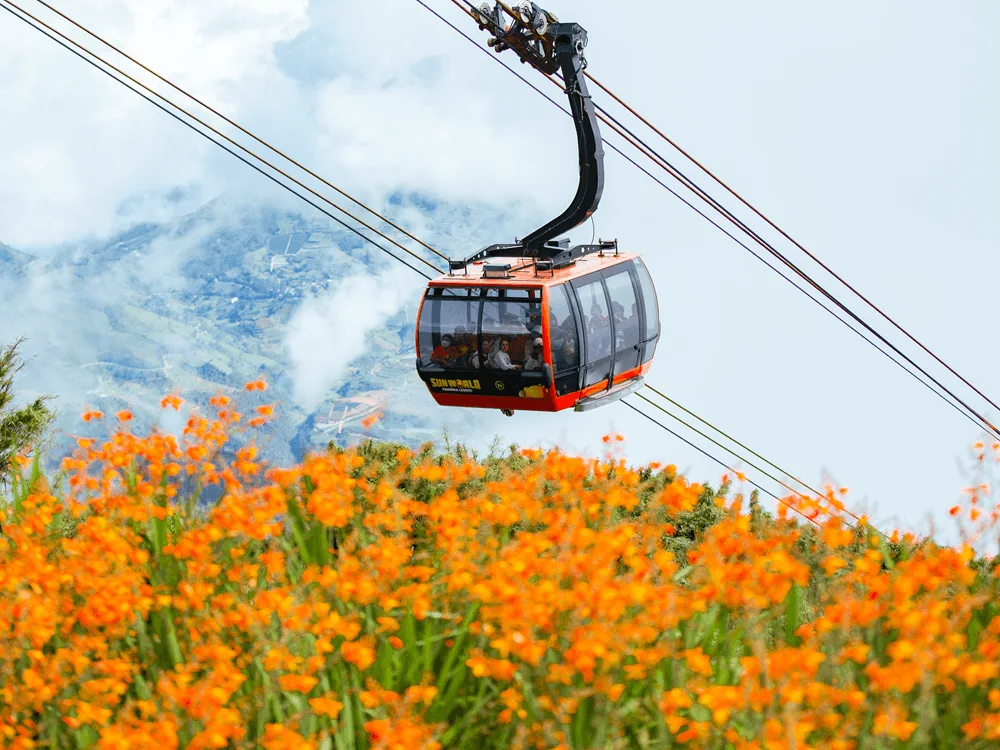
Seasonal advice becomes more useful once the itinerary is clear.
Hoang Lien National Park publishes several Fansipan trekking routes and describes both shorter and overnight programmes. Its Tram Ton route information, for example, gives approximately 10.5 kilometres from the starting point to the summit. Actual arrangements must be confirmed for your booking.
Before paying, establish:
Item | What to confirm |
|---|---|
Route | Starting point, ascent and descent |
Duration | Walking days and expected daily effort |
Overnight stay | Shelter, bedding and facilities |
Park arrangements | Registration and required permissions |
Support | Guide, group size and assistance procedures |
Changes | Cancellation, rescheduling and alternatives |
The park’s tourism centre states that trekkers should register, obtain the required permission and join an organised trip with a guide rather than climb independently.
Hiking and Cable-Car Visits Need Different Plans
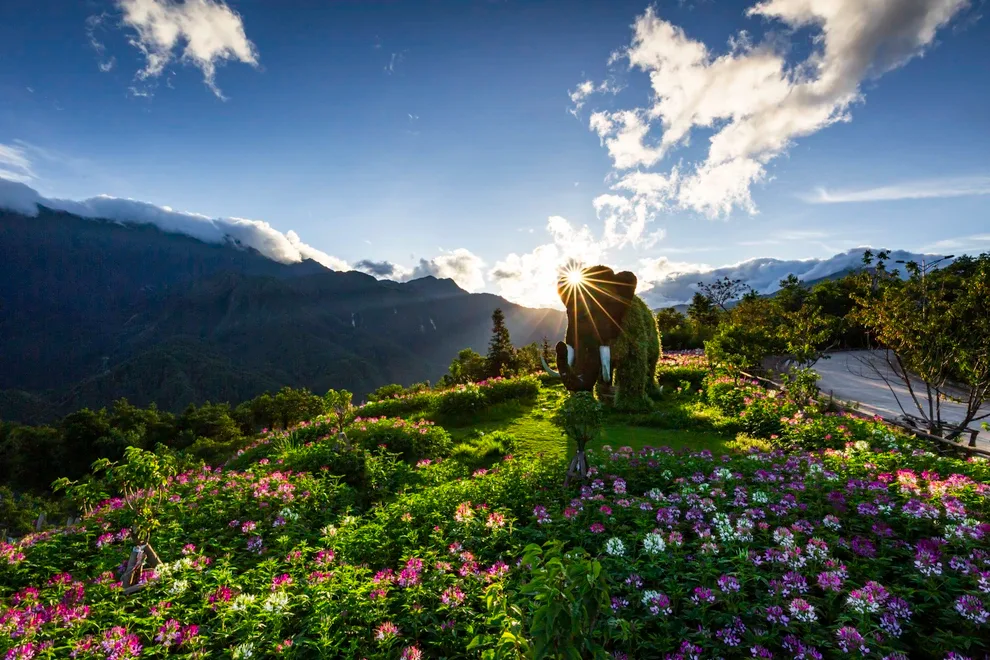
A cable-car visit and a trekking itinerary involve different levels of exposure, effort and time. If your plan includes a cable-car descent, confirm tickets, operating hours and what happens if the service is unavailable. Sa Pa’s tourism office publishes maintenance notices, illustrating why normal operations should not be assumed for every date. For a walking descent, allow for the complete return journey when assessing your fitness and schedule.
What to Prepare in Every Season
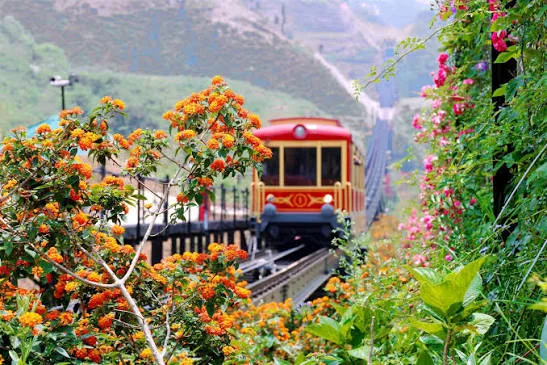
Agree on a packing list with your operator rather than relying on a generic checklist.
Discuss footwear, rain protection, warm layers, dry storage, drinking water, food, lighting and personal medication. For an overnight trek, establish what the operator supplies and what you must carry.
Save your itinerary and essential contact details before departure. Digital maps can support preparation, while route access and decisions on the mountain should follow current park guidance and the agreed guiding arrangements.
FAQs About the Best Time to Hike Fansipan
What is the best season for a first Fansipan trek?
Spring and autumn are useful starting points. Choose the exact date and itinerary with an operator who can assess your preparation and current conditions.
When do rhododendrons flower?
Sa Pa’s tourism office describes successive flowering periods across the range from approximately February to June. Ask about recent observations on your planned trail.
Is Fansipan snowy every winter?
Snowfall has been recorded, but it is not a dependable annual visitor experience.
Can I hike Fansipan independently?
Follow park requirements. Hoang Lien’s tourism centre advises registration, permission and an organised guided trek.
Is a clear summit view guaranteed in autumn?
No. Seasonal patterns help with planning, but visibility depends on the weather during your visit.
Find the Season That Fits Your Journey
The best time to hike Fansipan combines a suitable season with a realistic route, good preparation and flexibility.
Choose flowers, forest scenery or autumn views as inspiration. Let current conditions guide the final decision.
Download ExoTrails to discover trekking destinations and prepare ideas for your next journey.
Continue exploring with ExoTrails’ guide to the best hikes in Vietnam to compare landscapes, routes and preparation needs.