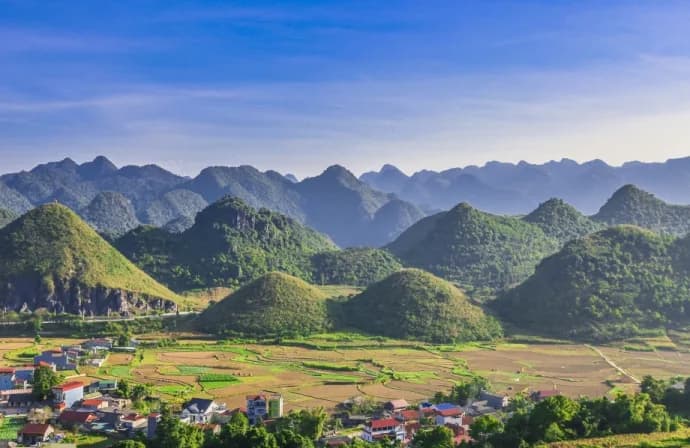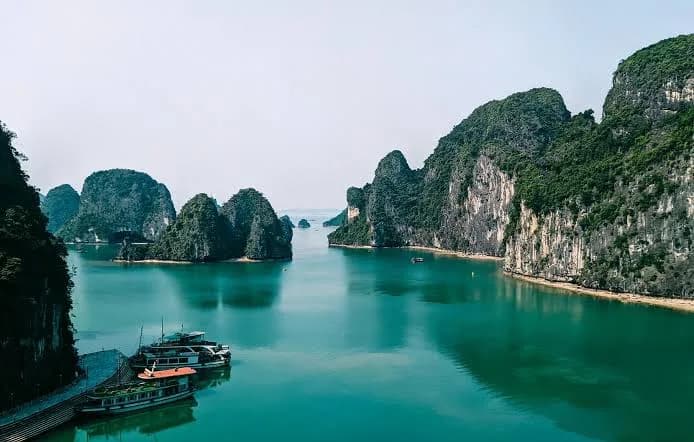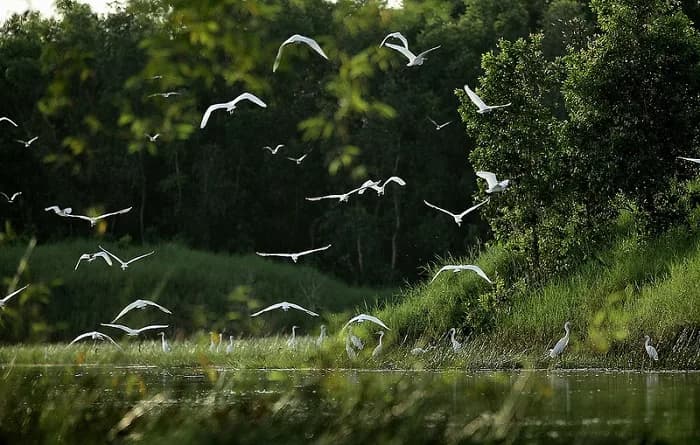
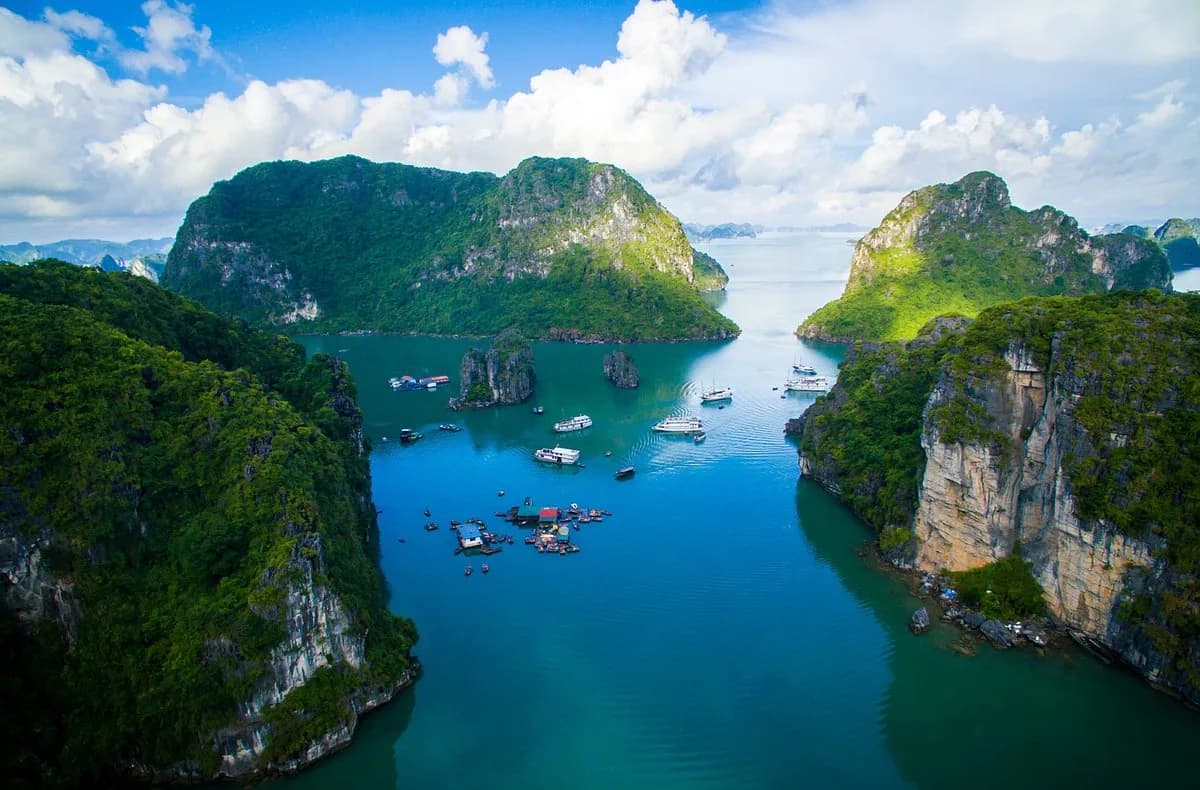

Vietnam’s landscapes are often remembered in shades of green: rice terraces, forest canopies, and limestone islands rising above the sea.
But Cam Pha Vietnam invites travelers to notice a different relationship between landscape and human activity.
In this part of Quang Ninh, coal-mining heritage sits alongside coastal scenery. Industrial infrastructure, workers’ history, and views toward Bai Tu Long Bay reveal a region shaped by both the mountains and the sea.
For curious travelers, Cam Pha offers more than an unusual photograph. It provides an opportunity to understand the people and industries behind a significant chapter of Vietnam’s development.
The most rewarding approach begins with distinguishing accessible heritage sites from working industrial land.
Discover more fascinating guides:
Ha Long Bay Overnight Cruise: Experience the Quiet Magic of the Water
Bai Tu Long National Park: Vietnam’s Quiet Island Paradise and How to Explore It
Cam Pha Vietnam: A Landscape Shaped by Coal
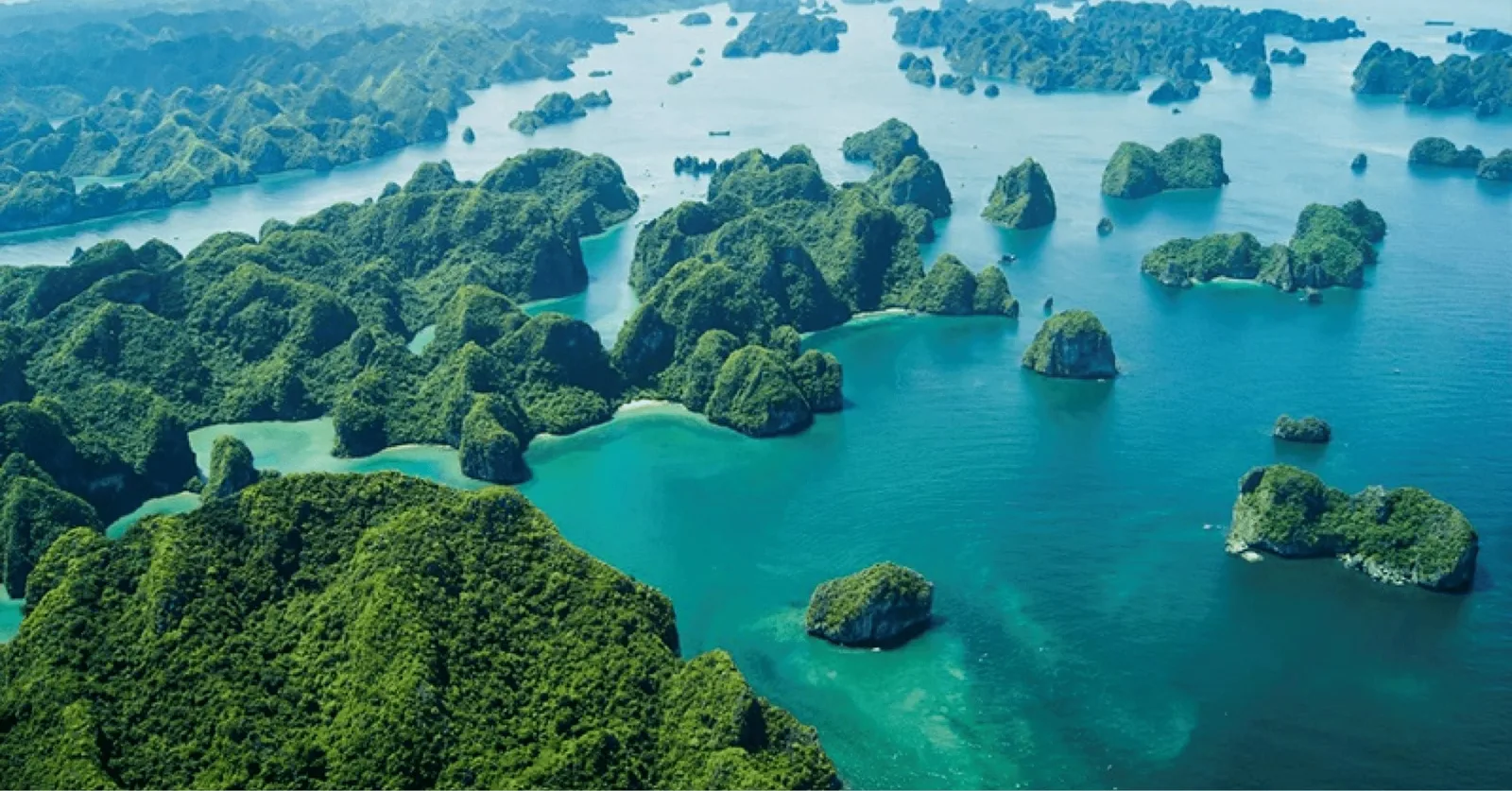
Coal is central to Cam Pha’s identity.
Mining has influenced the area’s economy, settlements, transport infrastructure, and collective memory. Names such as Deo Nai, Coc Sau, and Cua Ong belong to a working industrial landscape as well as its history.
The scale of extraction can be striking, but it should not be mistaken for an abandoned setting awaiting exploration.
Deo Nai–Coc Sau remains associated with active mining operations. Visitors should not assume that pit edges, haul roads, processing areas, or industrial structures are accessible.
Understanding Cam Pha means recognizing that industry here is a present-day livelihood, not simply a backdrop from the past.
Beyond the “Ghost Mine” Image
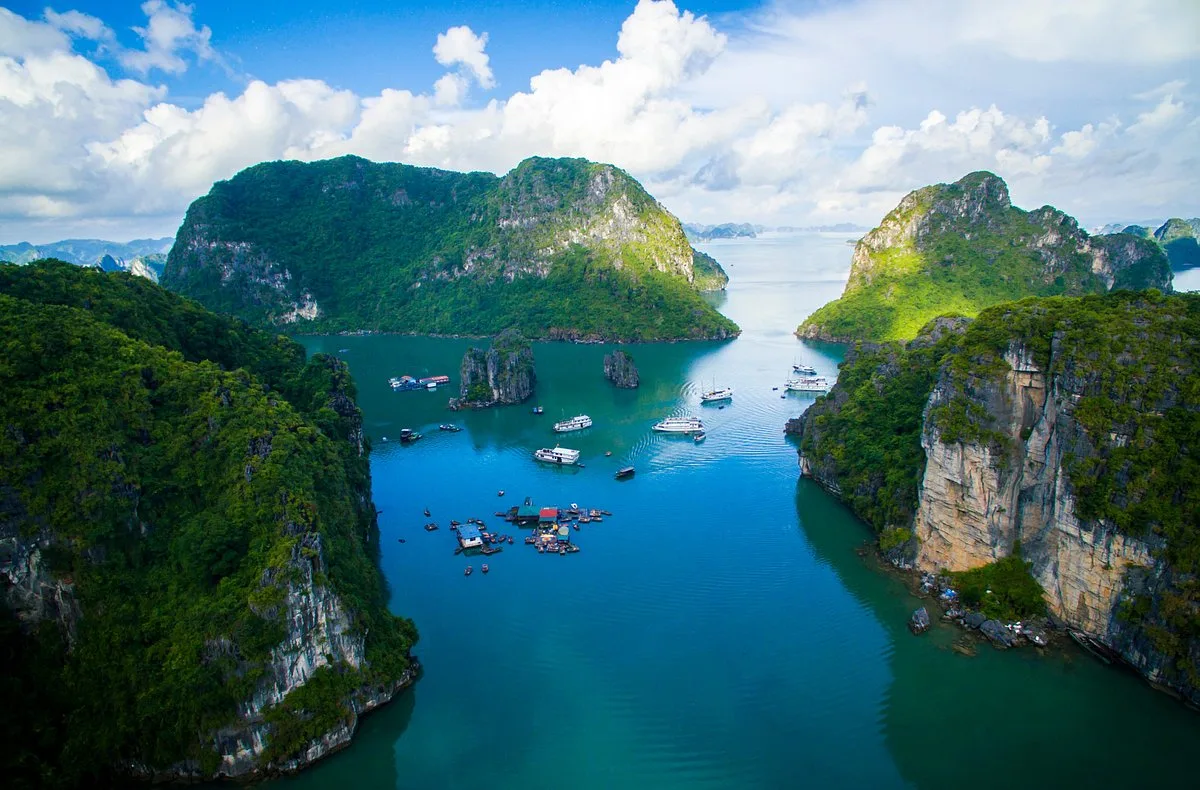
The idea of a flooded mine transformed into a blue lake is visually compelling. However, the original description does not establish a verified visitor destination in Cam Pha.
Without a named, documented site and confirmed access arrangements, “sapphire lakes” should not be presented as an attraction travelers can expect to find.
Water color alone also cannot establish water quality or ecological recovery. Mine drainage can involve chemical reactions between water and exposed minerals; understanding a particular site requires environmental evidence.
A blue surface is therefore not proof that a former industrial area has become a healthy recreational lake.
The more meaningful story is how industrial landscapes are managed, remembered, and restored—and what can actually be demonstrated at each location.
Discovering Cam Pha’s Mining Heritage
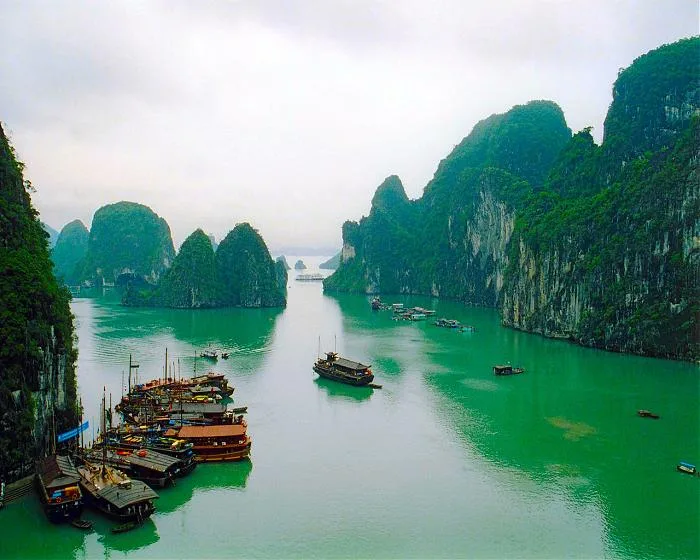
There are established ways to explore the region’s industrial history without treating a working mine as an open-access attraction.
Quang Ninh tourism sources identify several places connected with the coal industry, including the Cam Pha Coal Region Memorial Area, November 12 Square, and the memorial site associated with Ho Chi Minh’s visit to Deo Nai Mine.
Together, these places offer starting points for learning about miners, community identity, and historical events.
Deo Nai’s Historical Memorial Site
The memorial site records Ho Chi Minh’s visit to Deo Nai Mine on March 30, 1959.
Its significance lies in the relationship between the mining workforce and national history. A visit can add context to a name that otherwise appears only on a map or industrial photograph.
Confirm current visiting arrangements before traveling. Access to a memorial does not automatically include access to the mine itself.
The People Behind the Landscape
The Vietnamese term thợ mỏ means miners. In Cam Pha, their work is an important part of regional identity.
Rather than presenting miners as figures from a vanished world, a thoughtful visit recognizes their skills, working lives, and contribution to the community.
Historical interpretation, local exhibitions, and conversations arranged with willing participants can bring that perspective into focus.
Ask before photographing workers or recording personal stories. Industrial heritage is also people’s living history.
Coastal Contrasts Around Cam Pha
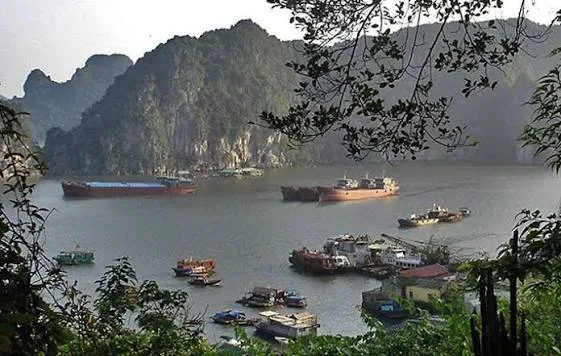
The coast adds another dimension to a Cam Pha Vietnam itinerary.
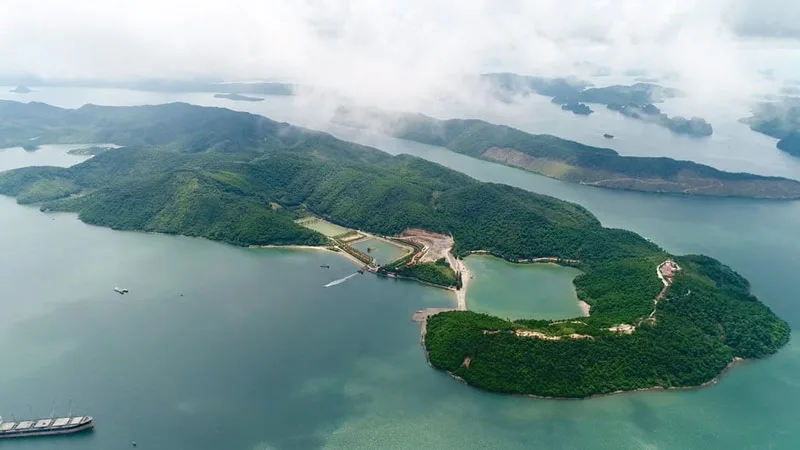
Bai Tu Long Bay forms part of the surrounding setting, while Cua Ong Temple offers a cultural stop with views toward the bay.
The contrast is powerful without needing an invented “ghost-lake” experience: a region of mining heritage also contains coastal landscapes and places of worship.
Cua Ong Temple
Cua Ong Temple is associated with Tran Quoc Tang and the historical defense of Vietnam’s northeastern region.
Its hillside setting and outlook toward Bai Tu Long Bay make it a place to appreciate both cultural history and geography.
Dress respectfully, follow visitor instructions, and allow time for steps when planning your visit.
Planning a Separate Bay Excursion
If you want to add a boat trip, confirm the actual departure port, route, and operator.
Being close to Bai Tu Long Bay does not mean every coastal location offers scheduled tourist departures. Similarly, the bay and Bai Tu Long National Park should not be treated as interchangeable destinations.
Use our Bai Tu Long guide as a starting point for further research, then verify the arrangements for your chosen itinerary.
Can Visitors Tour the Mines in Cam Pha?
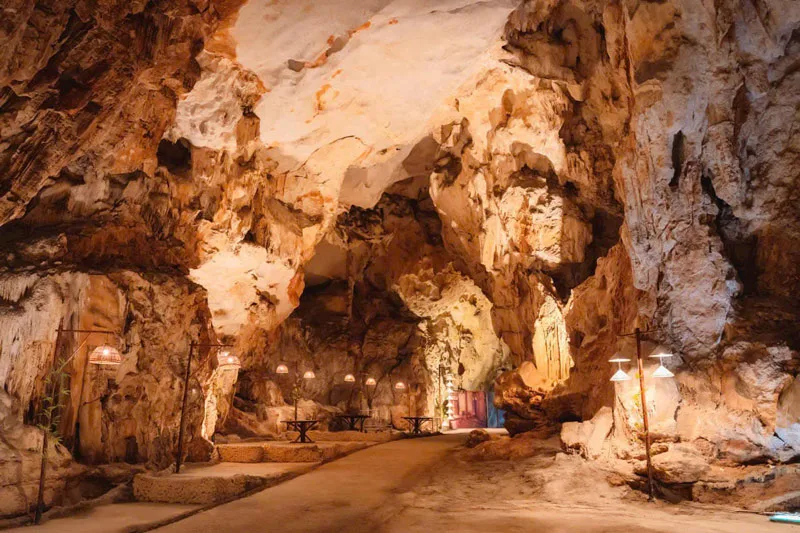
Quang Ninh has discussed connecting coal-related heritage sites and industrial locations through tourism products. That does not establish unrestricted public access or guarantee a bookable mine visit on a particular date.
If industrial tourism is your main interest, ask an established operator or the site manager whether an authorized visit is available.
Confirm:
Which site and viewing area are included.
Who grants access and accompanies the group.
Whether operations affect the visit.
What protective equipment is required.
What photography restrictions apply.
Whether the experience is suitable for everyone in your group.
Do not enter industrial land, approach pit edges, or use haul roads without authorization. A vehicle capable of reaching a location does not establish permission to visit it.
Environmental Recovery: Look Beyond the Photograph

Cam Pha offers a setting for thinking about how industry changes the land.
But meaningful environmental recovery involves more than vegetation returning or water collecting in a pit. Claims about restoration should be supported by information about land stability, water management, monitoring, and the intended future use.
For visitors, this is an opportunity to ask better questions.
What has changed? Who manages the site? What work is underway? Which outcomes have been measured?
These questions reveal more about a landscape’s future than describing it as reclaimed by nature.
Before You Visit Cam Pha Vietnam
Plan around confirmed destinations and access:
Check opening arrangements for heritage and cultural sites.
Obtain exact meeting points from your host or operator.
Confirm authorization for any industrial visit.
Wear suitable footwear and carry water and weather protection.
Follow photography rules and respect working areas.
Arrange meals at an established venue rather than an unapproved mine location.
A clear itinerary makes it easier to appreciate the region’s contrasts without relying on uncertain attractions.
Conclusion: Read the Landscape Through Its People
The appeal of Cam Pha Vietnam lies in the relationship between coal, coast, and community.
Its mining heritage adds depth to the familiar scenery of Quang Ninh. Memorial sites, cultural landmarks, and coastal views reveal different parts of that story.
Come with curiosity, respect the boundaries of working places, and give the region’s history time to unfold.
The lasting impression may be an understanding of how people have shaped this landscape—and how its next chapter is still being written.
Ready to discover another side of northeastern Vietnam? Explore outdoor destinations on ExoTrails, and save this guide for your next journey. Confirm current access and visiting arrangements before setting out.
Connect with our outdoor community and stay updated:
👥 Join our Facebook Group: Run, Trek & Camp | Basecamp Việt Nam — Share your favorite outdoor spots, trip reviews, and connect with fellow adventurers!
👍 Follow our Facebook Page: ExoTrails Worldwide — Discover outdoor inspiration, practical travel tips, and ideas for your next adventure.