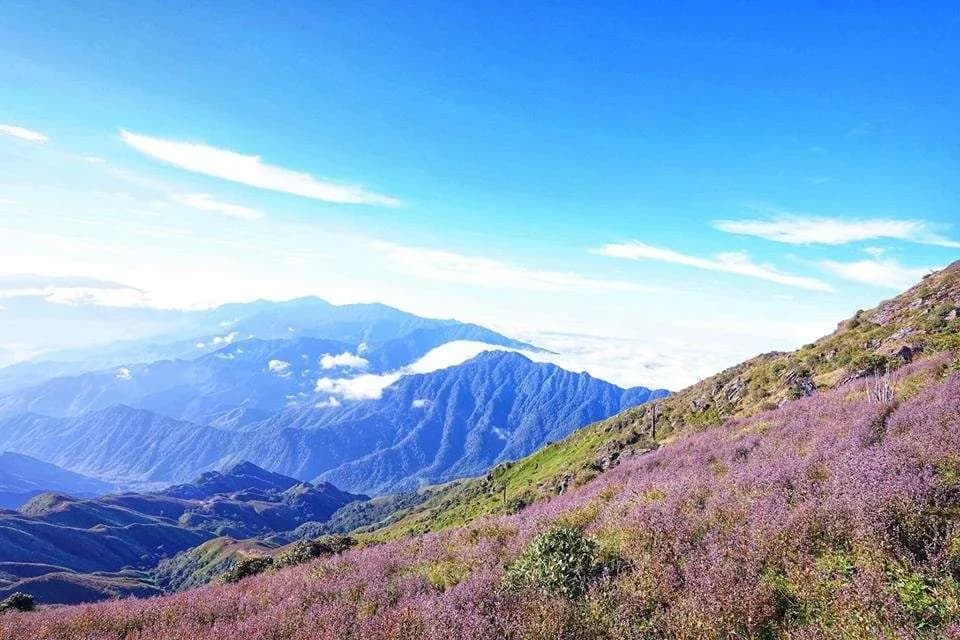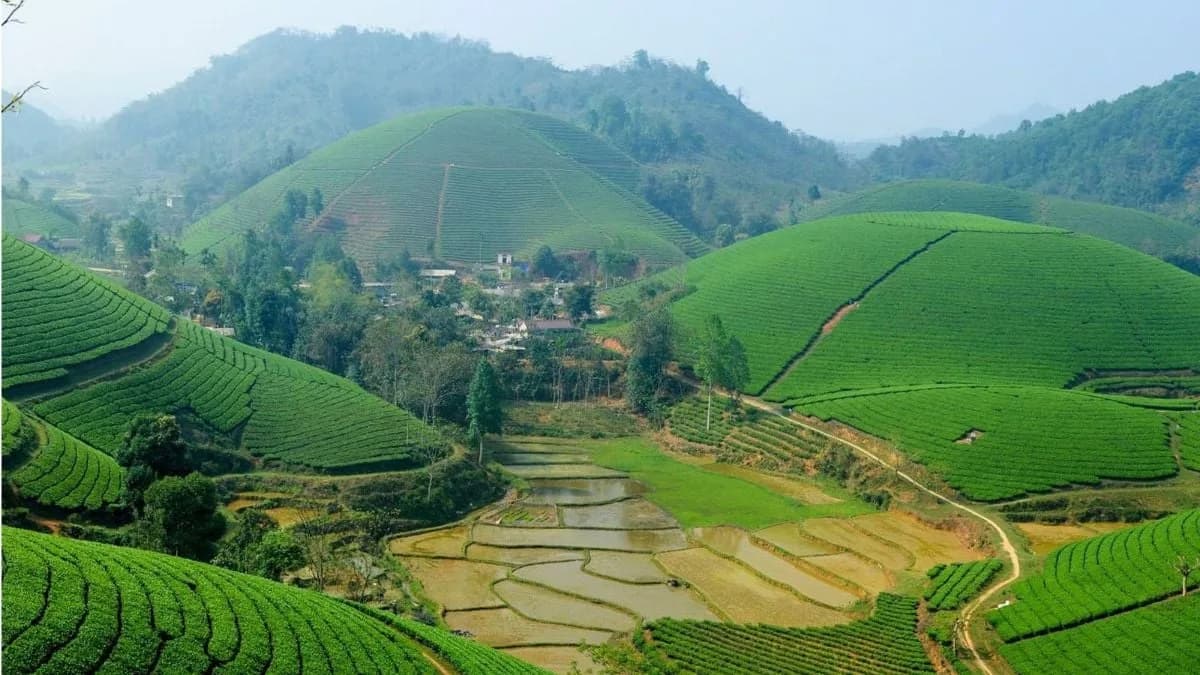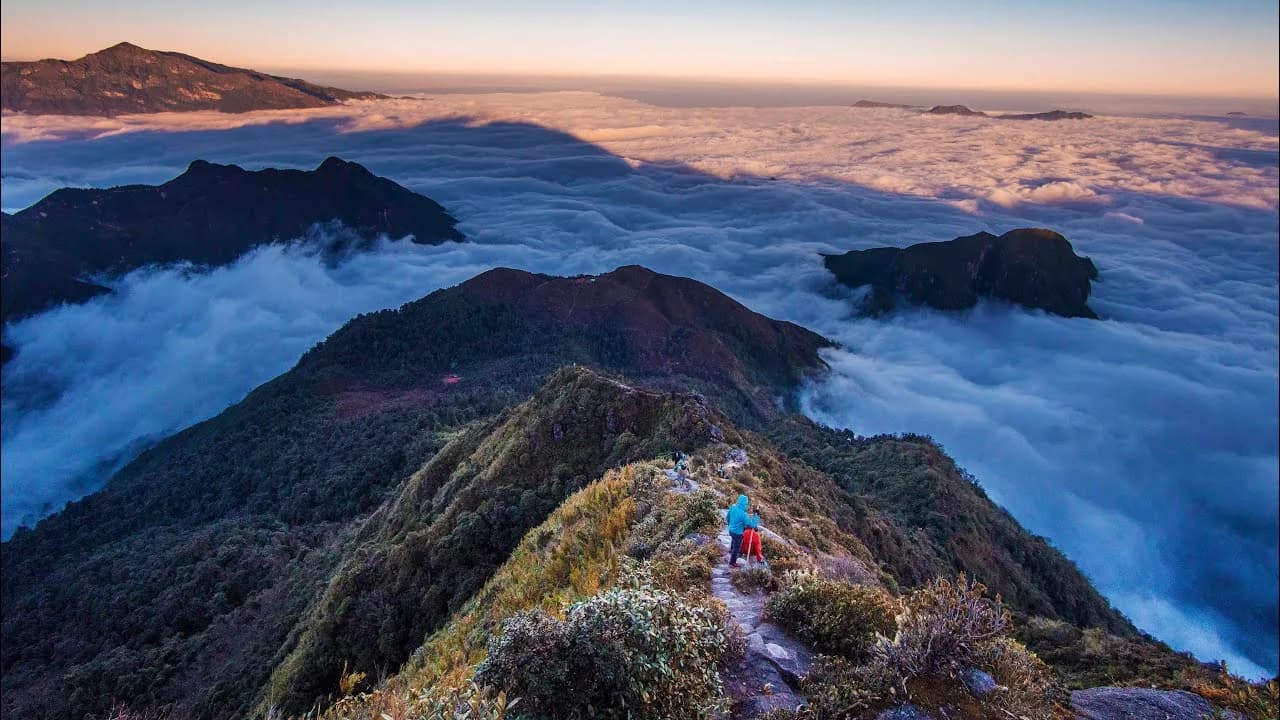
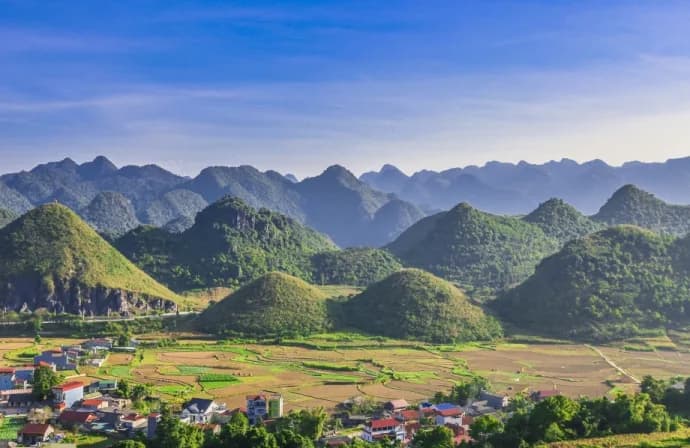

In northern Vietnam, some landscapes seem to belong to mythology.
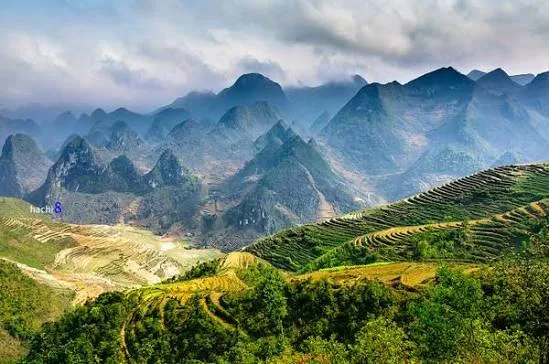
Limestone slopes rise above deep valleys. Weathered rock breaks through the hillsides, while paths connect settlements and cultivated land across the mountains.
For travelers interested in Dong Van Karst Plateau trekking, Khau Vai offers a reason to look beyond panoramic photographs and discover the relationship between people and the land.
Best known for its Love Market, Khau Vai also invites visitors to explore its mountain setting and local culture. Walking can bring these elements together, provided the route is arranged with someone who knows the area.
The experience becomes more meaningful when the stone landscape is understood as a place where people live and work.
Discover more fascinating guides:
Hmong Culture in Ha Giang: Meet the People the Mountains Made
Thien Huong Ancient Village: Footprints of Time on the Dong Van Karst Plateau
Dong Van Karst Plateau Trekking: Understanding the Landscape
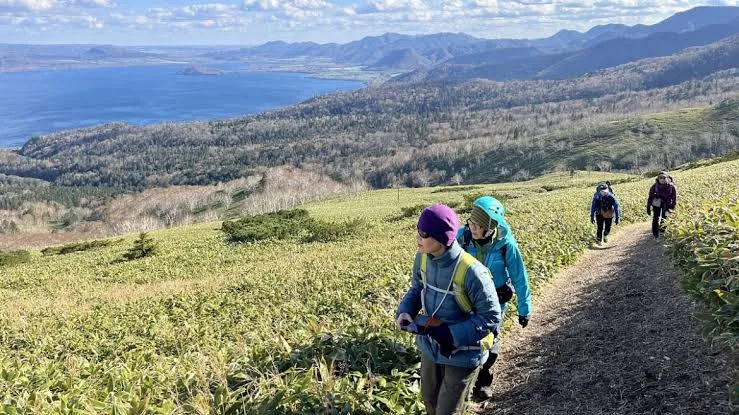
Dong Van Karst Plateau UNESCO Global Geopark is known for its limestone formations, mountain peaks, and deep canyons. Its geological record spans more than 550 million years.
That long history should not be confused with the age of every visible cliff or path. The scenery reflects different rocks and processes, shaped over time into the landscape visitors encounter today.
Walking offers a closer perspective than passing through by road. Changes in slope, uneven ground, and the arrangement of settlements become easier to notice.
The terrain also influences the demands of a trek. Distance alone cannot explain how difficult a route will feel.
Khau Vai: Beyond the Love Market
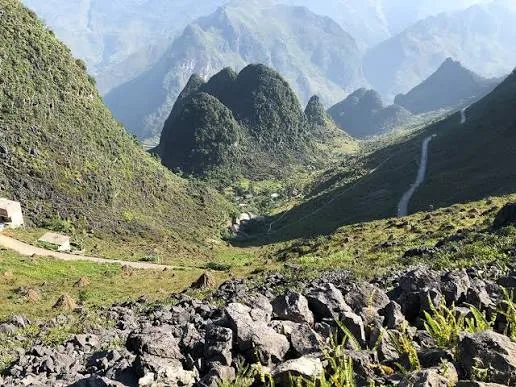
Khau Vai’s Love Market is an important cultural event, bringing together residents and visitors through local traditions, performances, and community activities.
Outside festival dates, a visit offers a different rhythm. Rather than expecting the same atmosphere throughout the year, ask your host what can be experienced during your stay.
Khau Vai is now a commune in Tuyen Quang province, within the area historically known to travelers as Ha Giang. Older guides commonly describe it as part of the former Meo Vac district.
Confirm the current location and meeting point when arranging transport, especially if you are using an older itinerary.
A Stone Landscape with a Human Story
The “labyrinth of rocks” is a useful image for the region’s limestone scenery. Yet it should not suggest that every walk follows narrow corridors between towering stone needles.
Ask your guide which landscapes the proposed route actually includes: village lanes, agricultural paths, exposed slopes, or rocky sections.
This turns a dramatic description into an experience you can assess and prepare for.
Farming Among the Rocks
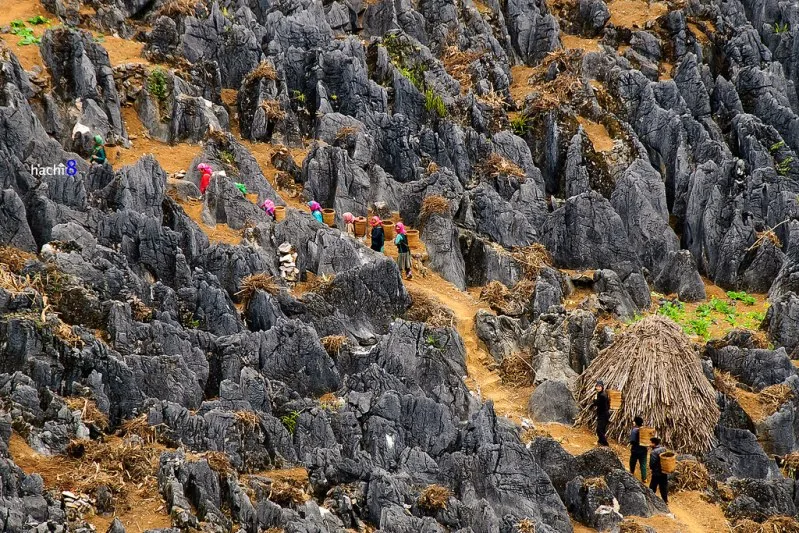
One of the most striking aspects of the wider karst plateau is the relationship between cultivation and limited soil.
Maize grown among limestone, stone boundaries, and carefully used patches of land reveal the work involved in farming this terrain.
For visitors, these details can change the meaning of a mountain view. What first appears to be scenery also contains livelihoods, skill, and decisions made across generations.
Hmong communities are an important part of the plateau’s population, alongside other ethnic groups with their own histories and traditions. Local knowledge adds depth to the landscape, but it is best understood through conversation rather than assumptions.
Ask residents or your guide how farming works in the places you visit. Avoid treating every field or household as representative of the entire region.
Walking Paths That Serve Everyday Life
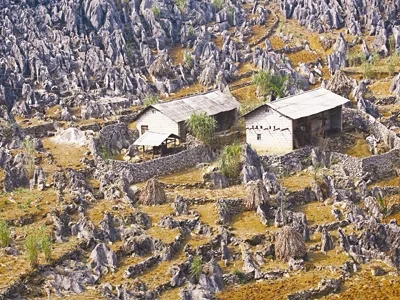
Some paths across the plateau connect homes, fields, and neighboring settlements. Their importance extends beyond tourism.
Walking an agreed route can help visitors appreciate how movement and daily work fit the mountain terrain. However, the age of a particular path, or claims that it has remained unchanged for centuries, should not be assumed.
The phrase “Path of the Ancestors” captures a sense of continuity, but it is not used here as the name of a verified, waymarked trekking route.
If an operator offers a walk under that title, request the actual route, starting point, distance, and access arrangements before booking.
Planning a Khau Vai Walk: Match the Route to Your Ability
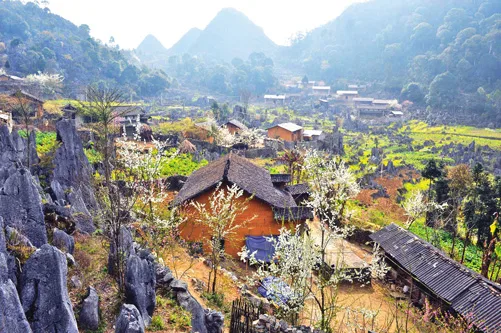
There is no single difficulty rating for Dong Van Karst Plateau trekking. A short village walk and a longer mountain route can require very different preparation.
Before choosing an itinerary, confirm:
Where the walk starts and finishes.
The distance, elevation changes, and expected walking time.
Whether there are narrow paths, steep drops, or loose rock.
How conditions change after rain or in mist.
Where the group can rest or shorten the route.
What support is available if someone cannot continue.
Choose a guide familiar with the specific route. A location pin or an old GPS track does not establish that a path is accessible or suitable.
Prepare for Changing Conditions
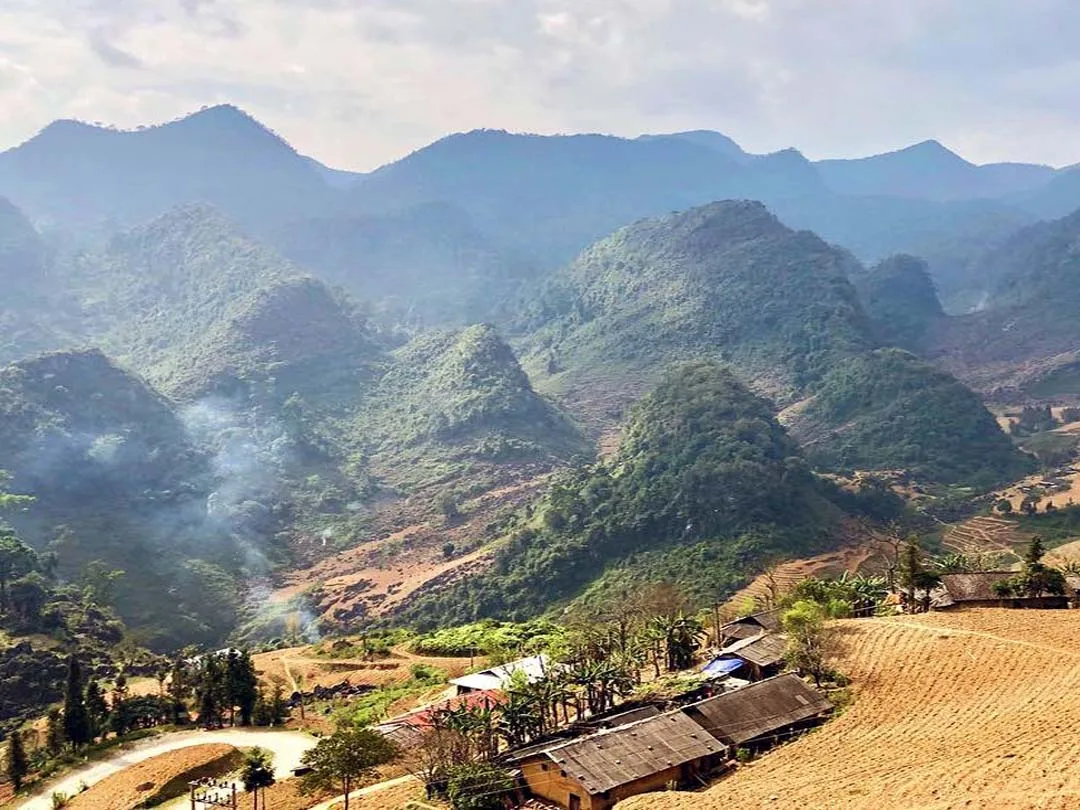
Wet limestone can be slippery, and mist can reduce visibility. Wear footwear with grip and bring rain protection, drinking water, food, and suitable layers.
Keep your pace comfortable, especially on descents. Stop in stable places for photographs and follow your guide’s assessment if conditions require a change of plan.
The purpose of preparation is to give you more time to appreciate the journey.
Cultural Encounters Along the Way
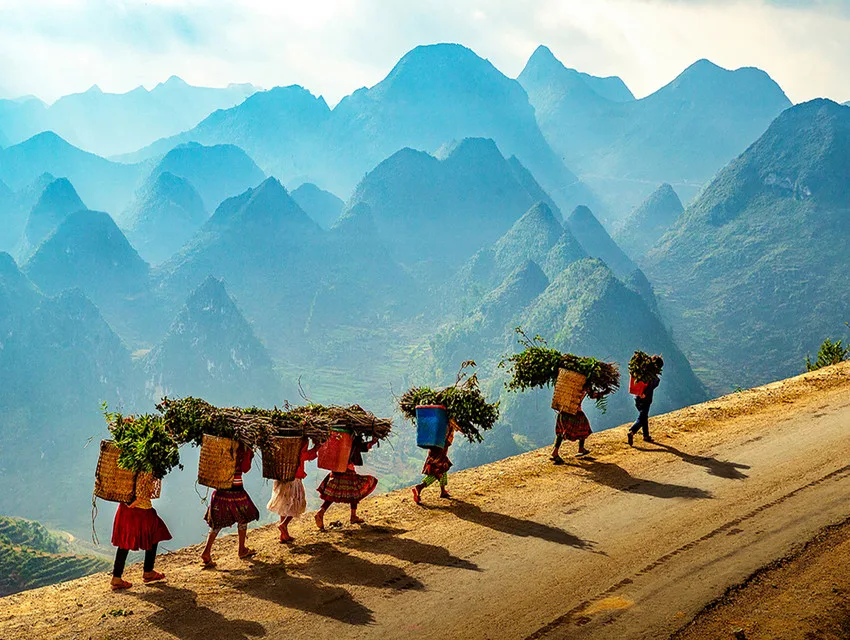
A walking visit can create opportunities to learn about local life, but encounters should remain respectful and voluntary.
Ask before photographing people, entering courtyards, or approaching working areas. Keep paths clear for residents and livestock, and avoid stepping into crops for a better view.
If meals, demonstrations, or household visits are included, confirm that hosts have agreed to them and are paid fairly.
Local communities are part of a changing, contemporary landscape. Appreciating their heritage does not require presenting their lives as untouched by modernity.
Responsible Dong Van Karst Plateau Trekking
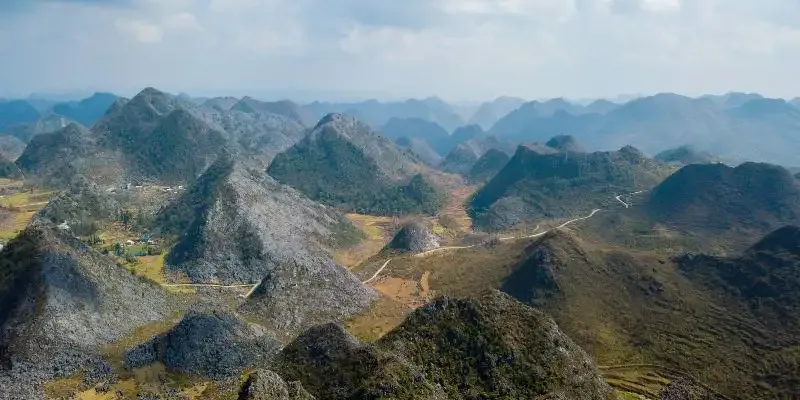
The plateau’s geological and cultural significance makes considerate travel important.
Stay on agreed paths, take rubbish away, and leave rocks, fossils, and plants where they belong. Stone walls and agricultural boundaries should be respected as working structures.
Locally provided guiding, meals, and accommodation can help direct visitor spending toward residents. Ask who provides the services and how the arrangements benefit participating households.
For operators, responsible tourism requires more than a small group or an evocative itinerary name. Clear access agreements, fair payment, waste management, and local participation make the difference.
Before You Go: A Practical Checklist
Before setting out around Khau Vai:
Reconfirm your guide, meeting point, and transport.
Check weather and current trail conditions.
Review the route’s demands honestly.
Carry navigation information and spare power.
Save important contacts offline.
Ask permission before entering private land.
Confirm accommodation and meal arrangements.
Leave room in the schedule for changes.
For another perspective on village life across the plateau, read our guide to Thien Huong Ancient Village. It is a separate destination, so plan transport and activities accordingly.
Conclusion: Look Beyond the Limestone
The appeal of Dong Van Karst Plateau trekking lies in the connection between the mountains and the people who call them home.
Around Khau Vai, a thoughtfully arranged walk can bring that relationship into focus: cultivated ground, paths between settlements, and the knowledge that makes everyday life possible in demanding terrain.
Take time to look closely and listen to the people sharing their landscape.
The lasting impression may be more than the shape of the mountains. It may be a deeper appreciation of the lives unfolding among them.
Ready to explore northern Vietnam on foot? Discover outdoor destinations on ExoTrails, and save this guide for your next mountain journey. Confirm your route, access, and local arrangements before setting out.
Connect with our outdoor community and stay updated:
👥 Join our Facebook Group: Run, Trek & Camp | Basecamp Việt Nam — Share your favorite outdoor spots, trip reviews, and connect with fellow adventurers!
👍 Follow our Facebook Page: ExoTrails Worldwide — Discover outdoor inspiration, practical travel tips, and ideas for your next adventure.