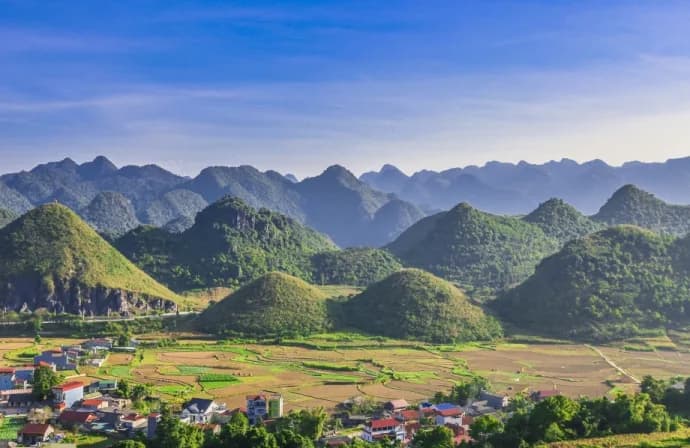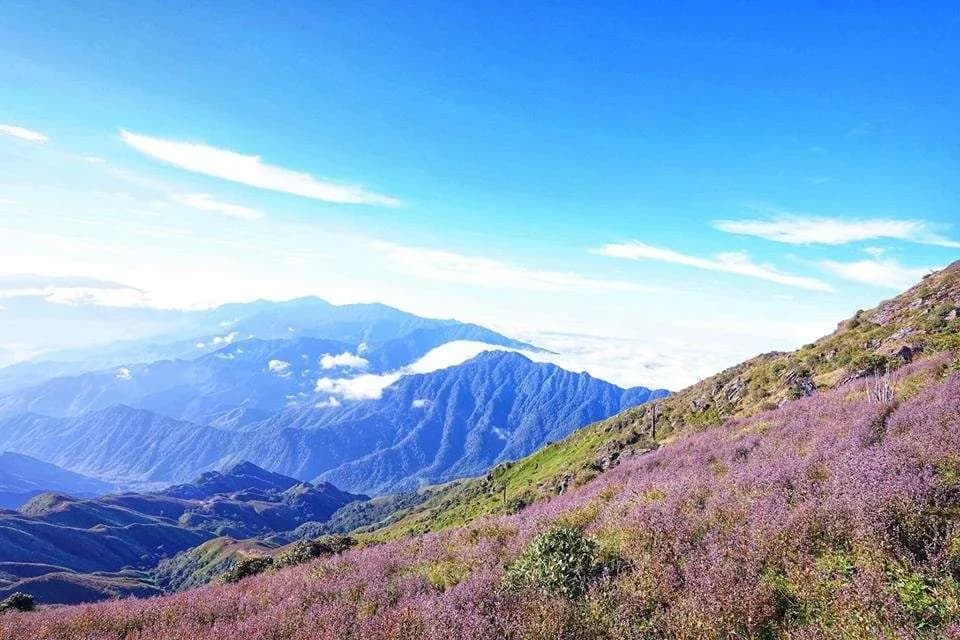
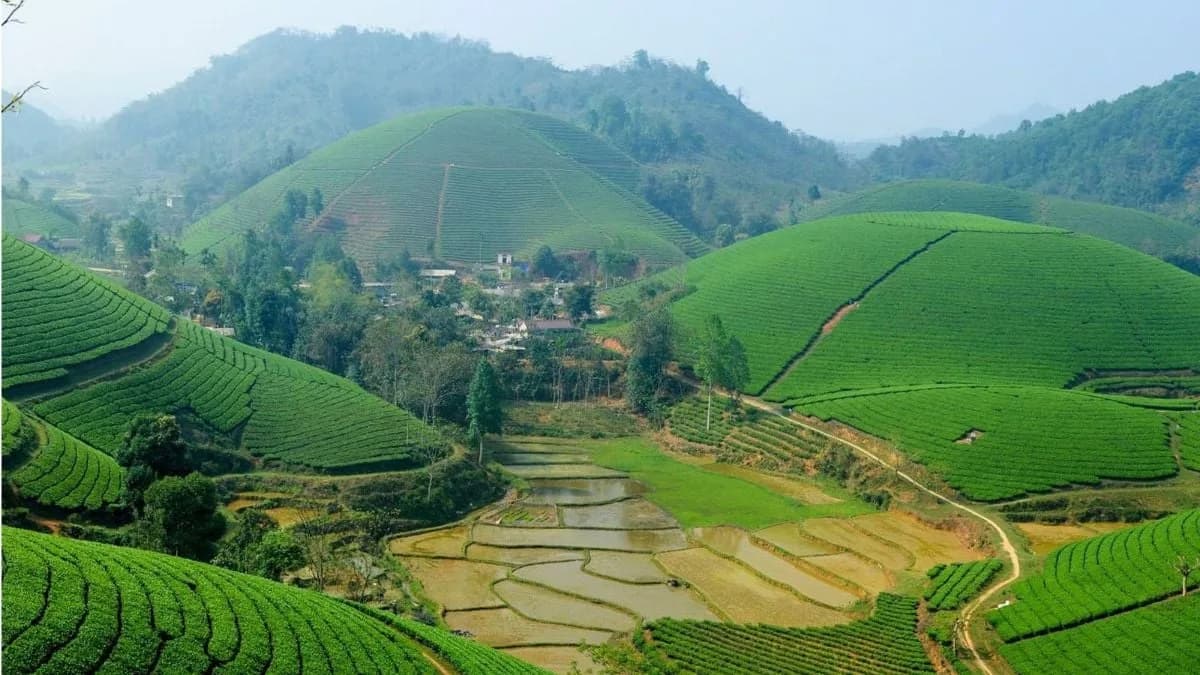

High above the valleys of northern Vietnam, the mountain road climbs toward cooler air.
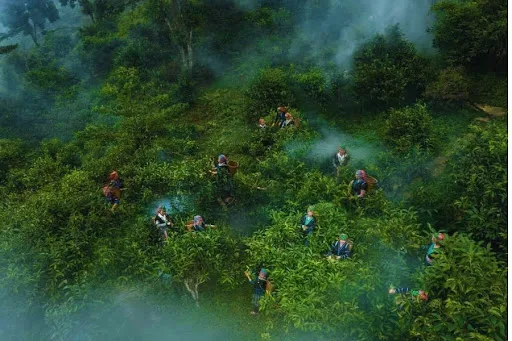
Mist moves across the hillsides. Old tea trees emerge through the changing light, their weathered trunks and spreading branches revealing a landscape shaped by generations of care.
For travelers researching Yen Bai trekking, Suoi Giang offers a different kind of mountain experience: walking among ancient Shan Tuyet tea trees and discovering the people whose lives remain closely connected to them.
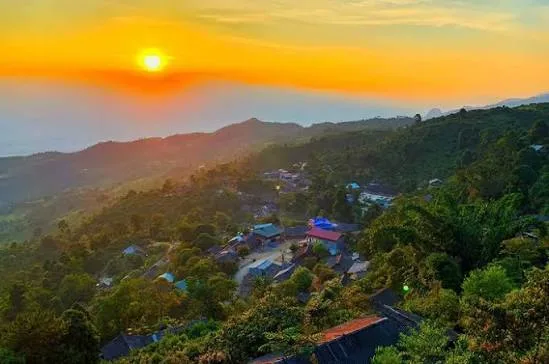
At around 1,400 meters above sea level, this highland tea-growing area brings together mountain scenery, hand-harvesting traditions, and Hmong cultural heritage.
Historically associated with Yen Bai, Suoi Giang is now within Van Chan commune, Lao Cai province. Older guides and travel searches still commonly use the former provincial name.
Discover more fascinating guides:
Shan Tuyet Tea Trekking: A Night with the Cloud-Forest Guardians of Tay Con Linh
Exploring the Soul of the Highlands: Discovering the Best Tea Hills in Vietnam
Yen Bai Trekking in Suoi Giang: A Journey Through Tea Heritage
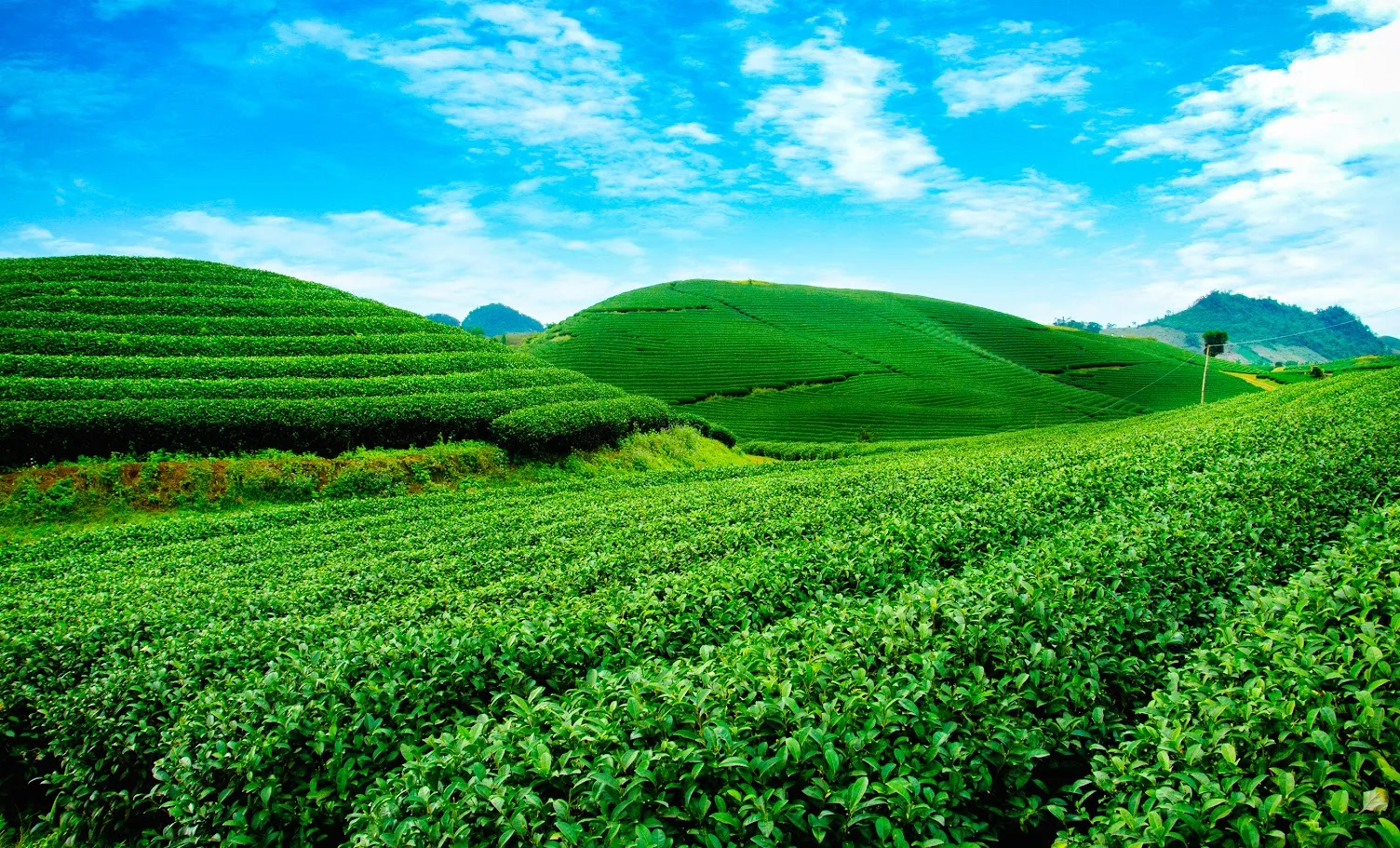
Suoi Giang offers more than a view across cultivated hills. Its old tea trees are part of a working landscape where livelihoods, knowledge, and local identity meet.
Walking here can bring you close to the trees and the everyday activities surrounding them. Depending on the arrangements and season, a visit may include observing tea harvesting, learning about processing, or sharing tea with a local host.
The pace is part of the appeal. Instead of focusing entirely on distance or a summit, you can make time for the details: the shape of a trunk, freshly picked buds, or the conversation that develops over a warm cup.
A visit can be an introduction to mountain walking and tea culture, but the difficulty depends on the actual route. Do not assume that every tea-grove walk is an easy stroll or a demanding forest trek.
The Ancient Shan Tuyet Tea Trees of Suoi Giang
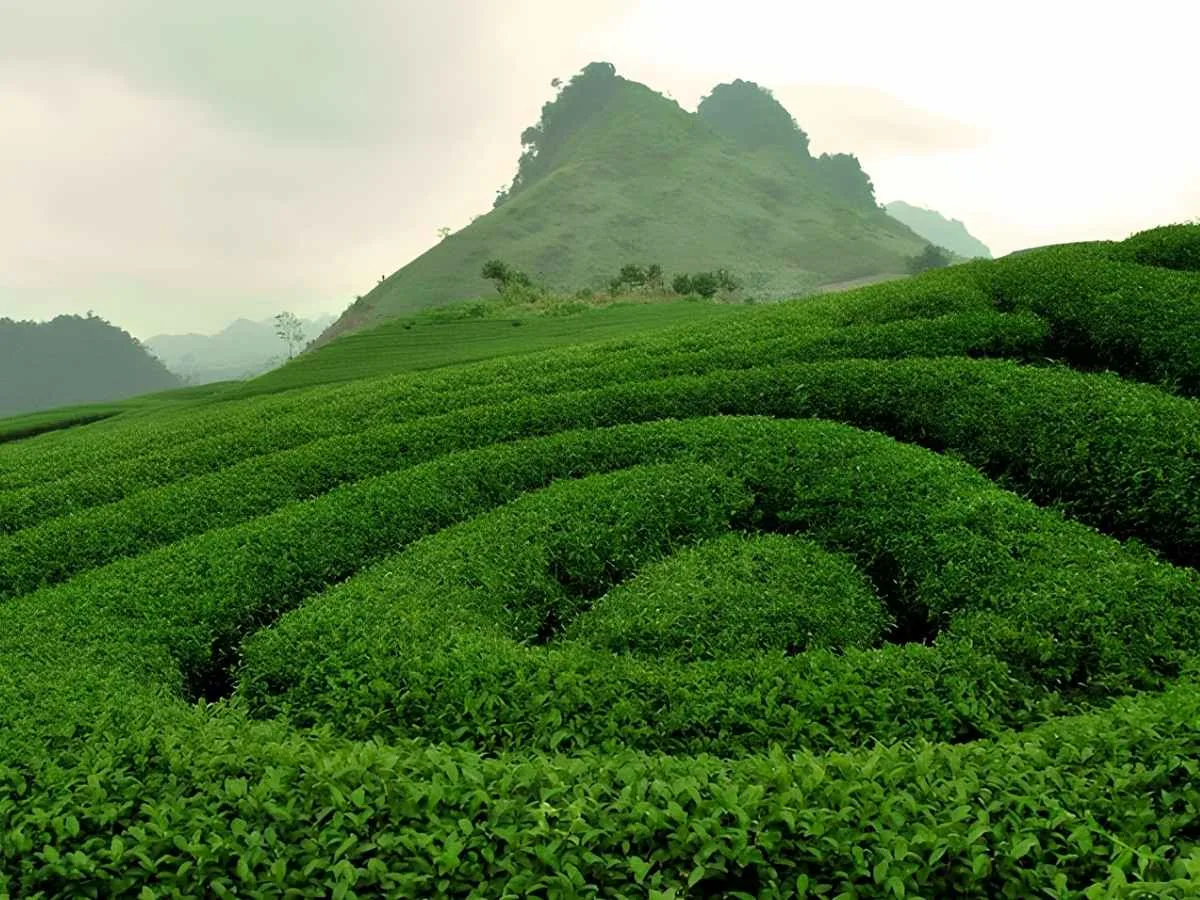
Suoi Giang is known for tea trees described as hundreds of years old. Published accounts give different age estimates, so it is more accurate to describe the groves as ancient rather than assign a precise age to every tree.
Their mature trunks and branching canopies distinguish the landscape from the neatly trimmed rows commonly associated with plantation tea.
Shan Tuyet is also recognized for the fine pale hairs on its young buds and leaves. These are part of the visual character behind its “snow tea” name.
Hand-Harvesting and the Making of Tea
Tea is still harvested by hand in Suoi Giang. Experienced harvesters may climb larger trees to reach suitable growth, bringing skill and familiarity to work that visitors should observe respectfully.
If picking is offered as part of your visit, ask the host which buds to select and where participation is appropriate. Tree climbing should not be assumed to be a visitor activity.
Watching the processing can be equally revealing. The journey from leaf to finished tea involves choices that influence its aroma, appearance, and flavor.
Taste the Tea Without Rushing
The flavor of Shan Tuyet varies with the leaf, season, processing method, storage, and brewing.
Rather than expecting every cup to taste floral, smoky, or mineral-rich, let your host introduce the particular tea being served. Ask about its origin and preparation, then notice how the taste develops.
That conversation can be as rewarding as the tasting itself.
Hmong Culture and the People Behind the Tea
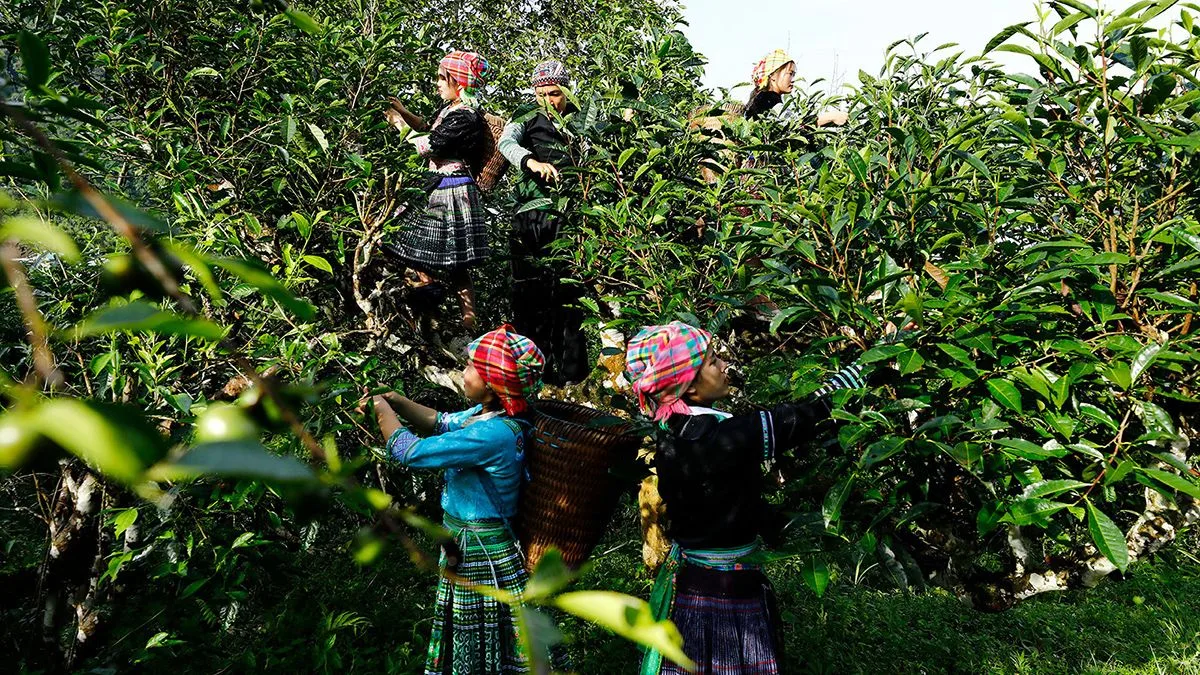
The connection between Suoi Giang’s Hmong communities and its tea trees is central to the experience.
Tea provides income, carries cultural meaning, and connects present-day work with knowledge passed between generations. Local reporting also describes ceremonies honoring the ancestral tea tree, illustrating the place tea holds in community life.
For visitors, this is an opportunity to listen rather than arrive with a ready-made story about the people or landscape.
Ask hosts how they learned their skills, how harvesting changes through the year, and what challenges they face. Allow their answers to guide your understanding.
Permission matters: ask before taking portraits, entering working areas, or recording personal stories.
Planning a Suoi Giang Tea Walk or Overnight Stay
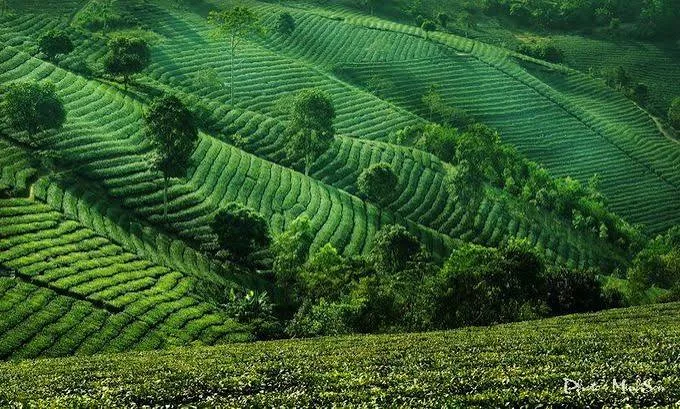
A tea-focused visit can fit into a broader Yen Bai trekking itinerary, but its activities need to be arranged specifically.
Confirm whether the experience includes a guided walk, harvesting observation, processing demonstration, meals, or accommodation. These should not be assumed to come together as a standard multi-day package.
Match the Walk to Your Ability
Before booking, ask about:
Walking distance and expected duration.
Uphill and downhill sections.
Trail surfaces and conditions after rain.
Whether transport can shorten the route.
Rest stops and arrangements if someone cannot continue.
Choose footwear with grip and bring a layer for cooler conditions. Mist, rain, and temperature changes can affect both comfort and visibility.
Confirm Harvesting Opportunities
Tea work follows agricultural schedules. Harvesting or processing may not be taking place when you arrive.
If participation is important, ask your host what is realistically available on your travel dates. A worthwhile visit can still include learning about the trees and tasting tea when picking is not underway.
Stay Longer for Cultural Exchange
An overnight stay can create more time for conversation, shared meals, and an unhurried morning.
Confirm room facilities, meals, language support, and the planned activities before booking. Staying with a family should be an agreed hosting arrangement, with fair payment and respect for household routines.
Responsible Tourism Among the Tea Groves
The relationship between visitors and the landscape depends on everyday decisions.
Stay on agreed paths, avoid damaging roots or branches, and do not pick leaves without permission. Take your rubbish away and respect any restrictions around working or culturally significant areas.
Buying tea directly from a producer can help connect your spending with local livelihoods. Ask who grows and processes it, and pay for demonstrations or guiding rather than treating local knowledge as a free attraction.
For travel operators, meaningful community partnerships require clear agreements, fair compensation, and local participation in decisions. Small groups can help manage a visit, but group size alone does not establish that an experience is sustainable.
The aim is to appreciate a living agricultural landscape while respecting the people who work within it.
Before You Go: A Yen Bai Trekking Checklist for Suoi Giang
Prepare for your visit by checking the practical details:
Use the current location and your host’s directions when arranging transport.
Confirm road conditions, meeting points, and arrival times.
Check the forecast and pack rain protection.
Bring suitable walking shoes, drinking water, and adjustable layers.
Ask which tea activities are available.
Download essential maps and save your host’s contact details.
Request permission before harvesting, photographing residents, or entering private land.
For a more demanding mountain trip elsewhere in the region, read our Ta Chi Nhu trekking guide. Treat it as a separate itinerary with its own preparation requirements.
Conclusion: Discover Continuity in Suoi Giang
A Yen Bai trekking journey through Suoi Giang can offer more than mountain scenery.
It brings you close to old tea trees, skilled hands, and the daily work that keeps a cultural landscape alive. The experience grows through small moments: watching leaves being selected, learning how tea is prepared, or sharing a cup with the people who produced it.
Give those moments time.
Among Suoi Giang’s tea groves, the most lasting memory may be the connection between a familiar drink and the generations of knowledge behind it.
Ready to explore more of northern Vietnam? Discover outdoor destinations on ExoTrails, and save this guide for your next mountain journey. Confirm walking routes, accommodation, and seasonal activities with your host before setting out.
Connect with our outdoor community and stay updated:
👥 Join our Facebook Group: Run, Trek & Camp | Basecamp Việt Nam — Share your favorite outdoor spots, trip reviews, and connect with fellow adventurers!
👍 Follow our Facebook Page: ExoTrails Worldwide — Discover outdoor inspiration, practical travel tips, and ideas for your next adventure.