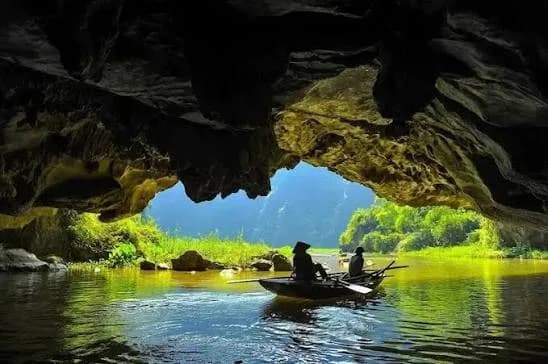
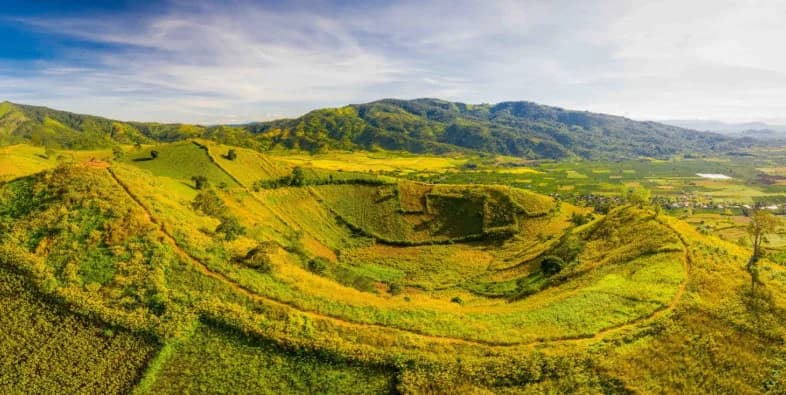

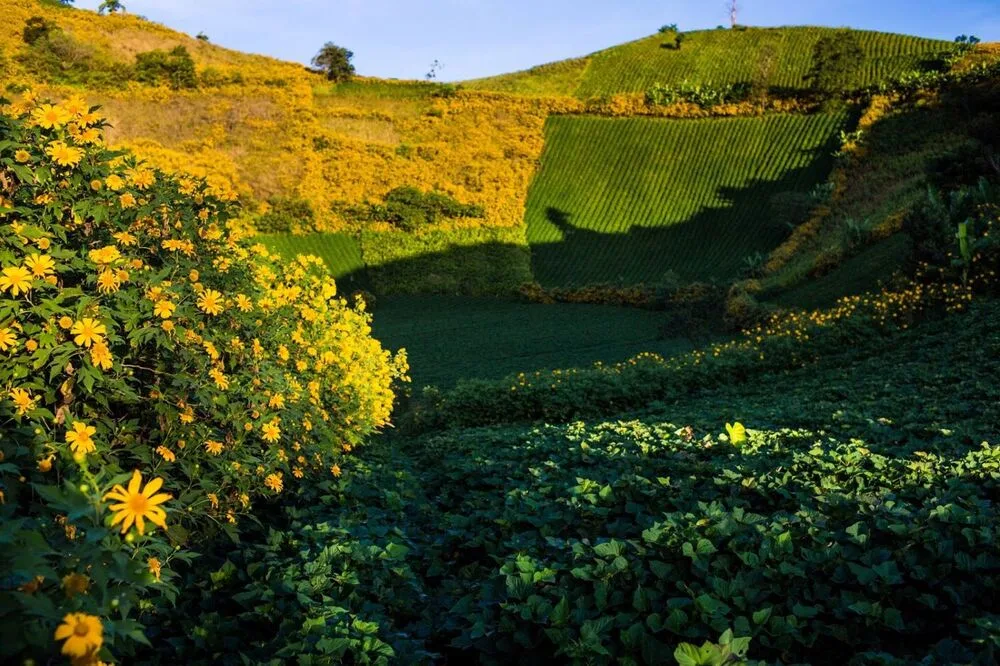
Yellow flowers line the paths, cultivated fields curve across volcanic slopes, and the highlands open into layers of green beyond the mountain. During wild sunflower season, Chu Dang Ya volcano offers a memorable setting for a walk near Pleiku.
On a misty morning, the landscape may reveal itself slowly: a hillside first, then a patch of flowers, then the outline of the crater. When the air is clear, the appeal changes to open views and the contrast between yellow blooms and farmland.
The experience rewards flexibility. Come for the landscape, allow time to walk, and let the weather shape the morning.
Discover more outdoor inspiration:
Where Is Chu Dang Ya Volcano?
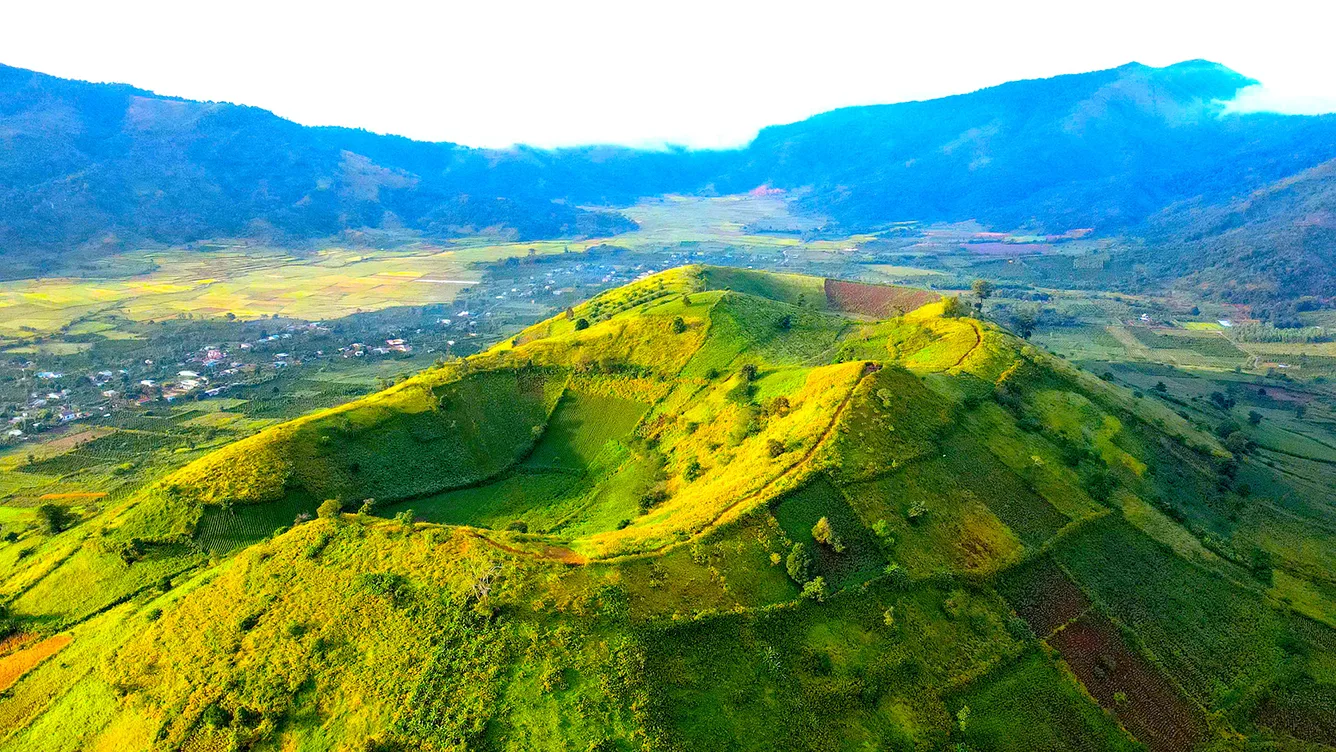
Chu Dang Ya is located in Ia Gri village, Bien Ho commune, Gia Lai province, approximately 30 kilometres northeast of Pleiku. Current reporting uses this address; older travel guides may refer to Chu Dang Ya commune and Chu Pah district.
Pleiku makes a practical base for visiting. Arrange transport to the volcano and confirm the current approach road, parking location and pedestrian access before leaving.
If you plan to walk, make sure your driver understands where you intend to start and finish. A clear collection point is more useful than an itinerary built around several loosely defined viewpoints.
What Makes Chu Dang Ya Worth Visiting?
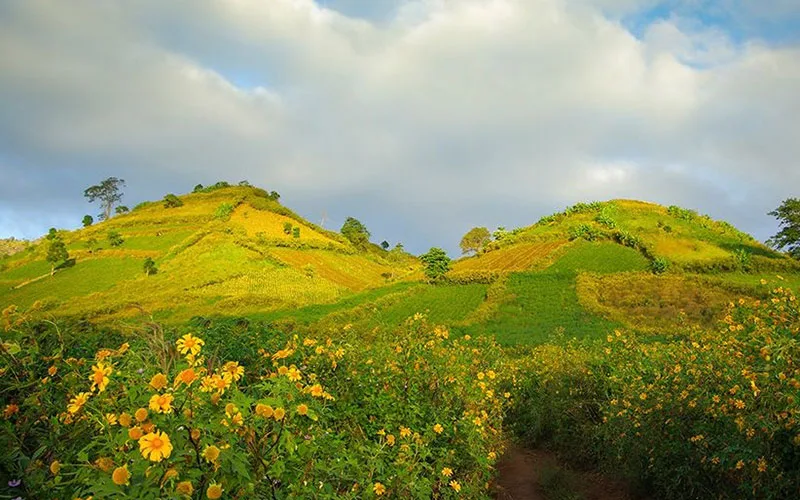
A Volcanic Landscape Shaped by Farming
Chu Dang Ya’s geological history remains visible in its crater forms, volcanic rocks and fertile red soil. Over time, weathered volcanic material helped create productive farmland across the mountain.
That relationship between land and livelihood gives the visit depth. Fields form part of the view, and farming routes shape how people move through the landscape.
Local reporting describes generations of residents growing crops such as sweet potatoes, maize and coffee on the volcanic slopes. For these families, the mountain remains a working landscape as well as a visitor destination.
Pause to notice the cultivated patterns, but ask before entering fields or photographing people at work.
Seasonal Colour Across the Hillsides
Wild sunflowers, known locally as hoa dã quỳ, are a major reason travellers visit Chu Dang Ya.
VOV identifies November as the characteristic flowering period, when yellow blooms appear around the extinct volcano and attract visitors to the area.
The flowers give even a short walk a sense of occasion. You can appreciate them along accessible paths without trying to reach every viewpoint.
When Is the Best Time to Visit Chu Dang Ya Volcano?
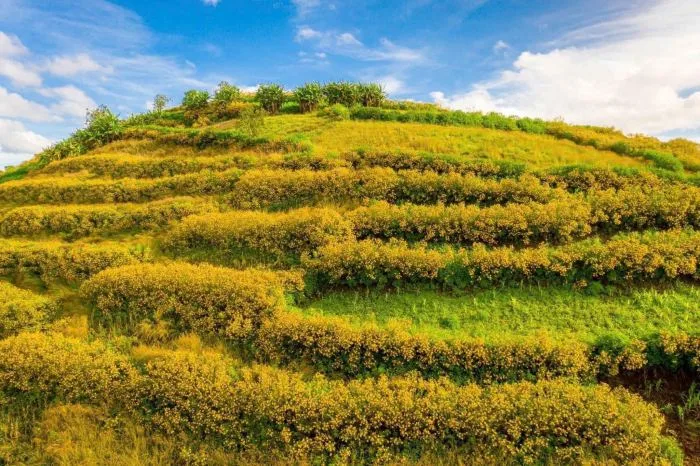
For wild sunflowers, plan around November and verify the bloom shortly before travelling.
VietnamPlus reports flowering from late October into early November, while other coverage highlights November more broadly. These descriptions provide a seasonal guide rather than a fixed annual schedule.
Recent photographs and local updates can help you judge whether the flowers match the experience you want.
Your priority | How to plan |
Wild sunflower photography | Check recent bloom reports before booking |
A quieter walk | Consider a weekday outside major event dates |
Cultural events | Check the current year’s official programme |
Clear landscape views | Review the forecast and retain some flexibility |
An early start | Confirm access and transport before setting out |
The annual flower season can coincide with cultural events and larger visitor numbers. Avoid assuming that November will offer solitude simply because the mountain is outside Vietnam’s best-known trekking areas.
What Is Hiking at Chu Dang Ya Like?
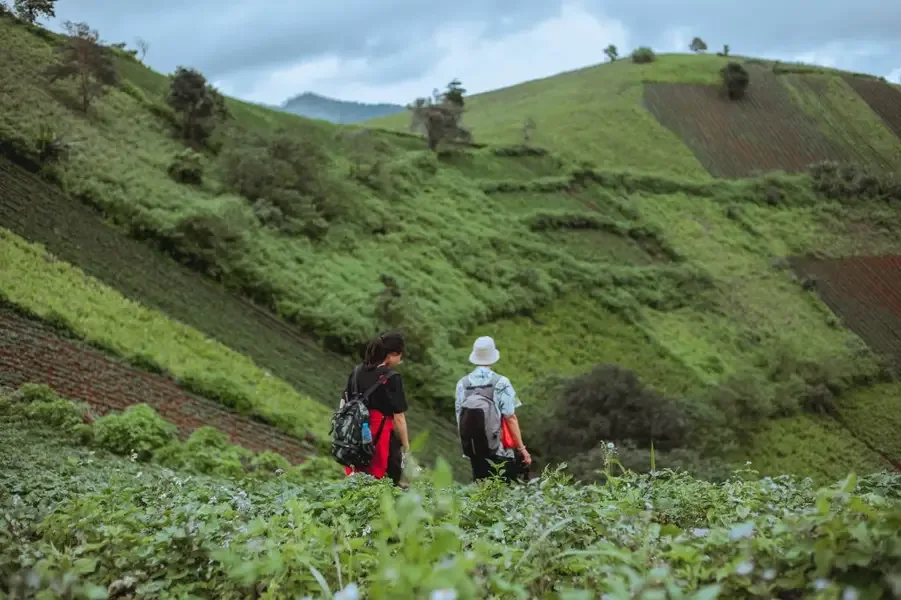
Walking at Chu Dang Ya brings you close to the mountain’s agricultural and volcanic features. VietnamPlus describes narrow paths around crater rims and access routes used by farmers, which can become slippery in rain and dusty during dry conditions.
There is no need to force every visit into the same route. A shorter flower-viewing walk may suit one group, while another may want a longer ascent.
Before choosing, confirm:
The precise starting point and finish.
Walking distance and expected ascent.
The steepest or most uneven sections.
Current access through cultivated land.
Whether the same path will be used for the return.
For unfamiliar routes, seek help from someone with direct local knowledge. Choose a walk that everyone in your group can comfortably complete, including the descent.
If you are comparing this outing with longer mountain trips, ExoTrails’ guide to the best hikes in Vietnam can help you consider different landscapes and preparation needs.
Sunrise, Mist and Photography: What to Expect
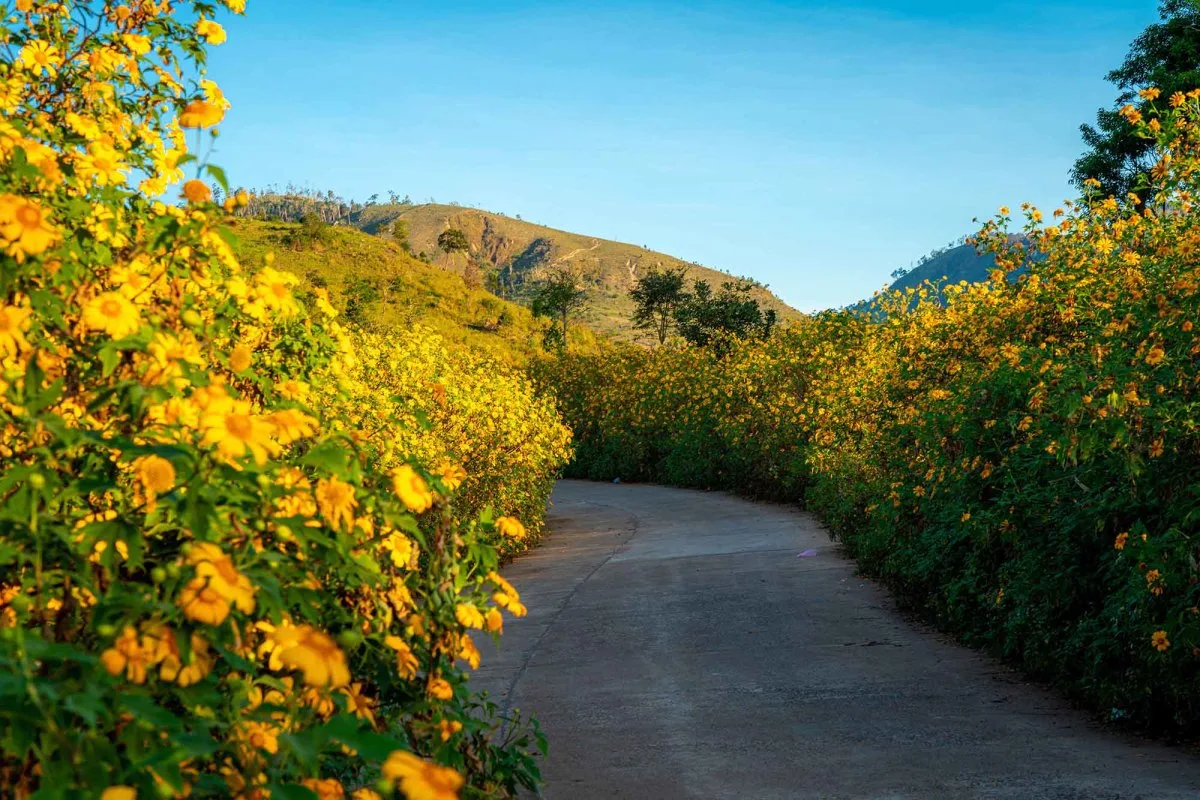
Early light can be a reason to visit, but avoid planning around a promised “silver” or “metallic” sunrise.
Fog may soften the landscape, obscure the view or fail to appear altogether. A clear morning can still offer rewarding photographs of flowers, field patterns and surrounding hills.
Build your photography plans around what you find:
Photograph flowers from existing paths.
Use wider compositions to include the agricultural setting.
Keep people and vehicles clear of narrow access routes.
Ask permission before making residents the subject of a photograph.
Accept reduced visibility rather than searching for an unfamiliar path through fog.
For a first visit, a walk after daylight is easier to assess. If you arrange a pre-dawn outing, confirm the route and access with a knowledgeable local guide and carry appropriate lighting.
A Suggested Half-Day Visit from Pleiku
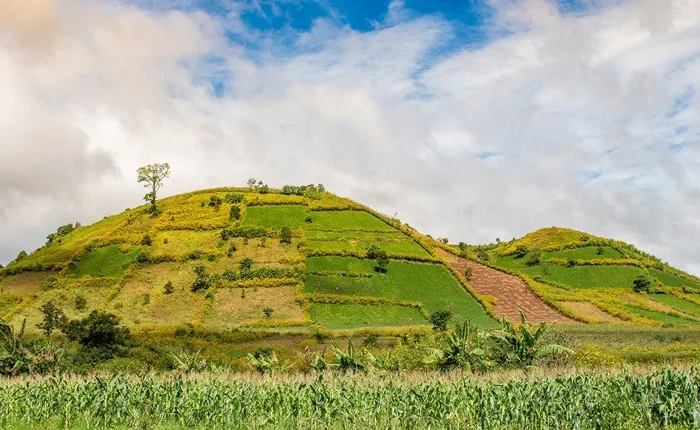
Keep the schedule simple enough to adjust to weather, flowers and local activity.
1. Confirm Conditions Before Departure
Ask your accommodation or local contact about the bloom, access arrangements and any events affecting the area. Confirm your return transport at the same time.
2. Arrive and Establish Your Walking Plan
At the starting point, check where visitors may walk. Decide on a turnaround point before setting off, particularly if your group has mixed fitness levels.
3. Explore at a Comfortable Pace
Allow time for photographs and rests. A shorter walk can still offer a satisfying introduction to the mountain’s flowers and farmland.
4. Leave Time for a Local Stop
If businesses are open, finish with a drink or meal nearby. Confirm what is available rather than relying on festival stalls or services operating every day.
Treat this as a suggested structure. Walking time depends on the route, conditions and your group.
Respect the Flowers and the People Who Farm Here
Responsible travel at Chu Dang Ya begins with practical choices.
In October 2026, local authorities urged visitors to stop picking wild sunflowers and breaking branches. Reporting also described efforts to discourage the collection of flowers for wreaths sold to tourists.
You can support that effort throughout your visit:
Leave flowers growing. Avoid picking blooms or buying items made from freshly collected wildflowers.
Stay on permitted paths. Do not create shortcuts through flower patches or crops.
Keep farming access clear. Park only where directed.
Ask before entering fields. An attractive photograph does not make cultivated land public.
Carry out your rubbish. Bring a bag for food packaging and other waste.
Support local services thoughtfully. Agree on prices and arrangements before using them.
These actions help protect the experience for later visitors while respecting the mountain’s everyday role in local life.
What to Bring
Pack according to your chosen walk and the forecast.
Walking shoes with reliable grip.
Drinking water and a small snack.
A hat and sun protection.
A light layer for a cool start.
Rain protection when needed.
A charged phone and power bank.
A small rubbish bag.
A headlamp if your confirmed itinerary includes darkness.
If considering an overnight stay or camping, confirm permission, the location and available facilities locally before making plans.
FAQs About Chu Dang Ya Volcano
Is Chu Dang Ya an active volcano?
Chu Dang Ya is described by VietnamPlus as a long-extinct volcano. Its present-day landscape includes volcanic formations and cultivated land.
When can I see wild sunflowers?
November is the main planning period, with some reports noting flowering from late October. Check current local updates because the display varies by date and year.
Is Chu Dang Ya suitable for beginner hikers?
Choose according to the exact route. A short walk near the flowers and a longer ascent require different levels of preparation. Confirm distance, terrain and conditions before deciding.
Will I see mist at sunrise?
Mist is weather-dependent. Keep your plans flexible and avoid treating a particular photograph as a guaranteed experience.
Is there a fixed entrance fee?
Confirm current charges locally, including parking, transport and any event-related services. Prices quoted for a past festival may not apply to an ordinary visit.
Explore Chu Dang Ya at Your Own Pace
The appeal of Chu Dang Ya volcano lies in the details: yellow flowers beside a red-earth path, cultivated slopes following the mountain’s contours, and a view that changes with the light.
Give yourself time to notice them. Choose a suitable route, respect the fields and leave the flowers for the next person.
Download ExoTrails to discover outdoor destinations and gather ideas for your next journey through Vietnam.
Follow ExoTrails on Facebook and join the ExoTrails community to share discoveries with fellow explorers.