
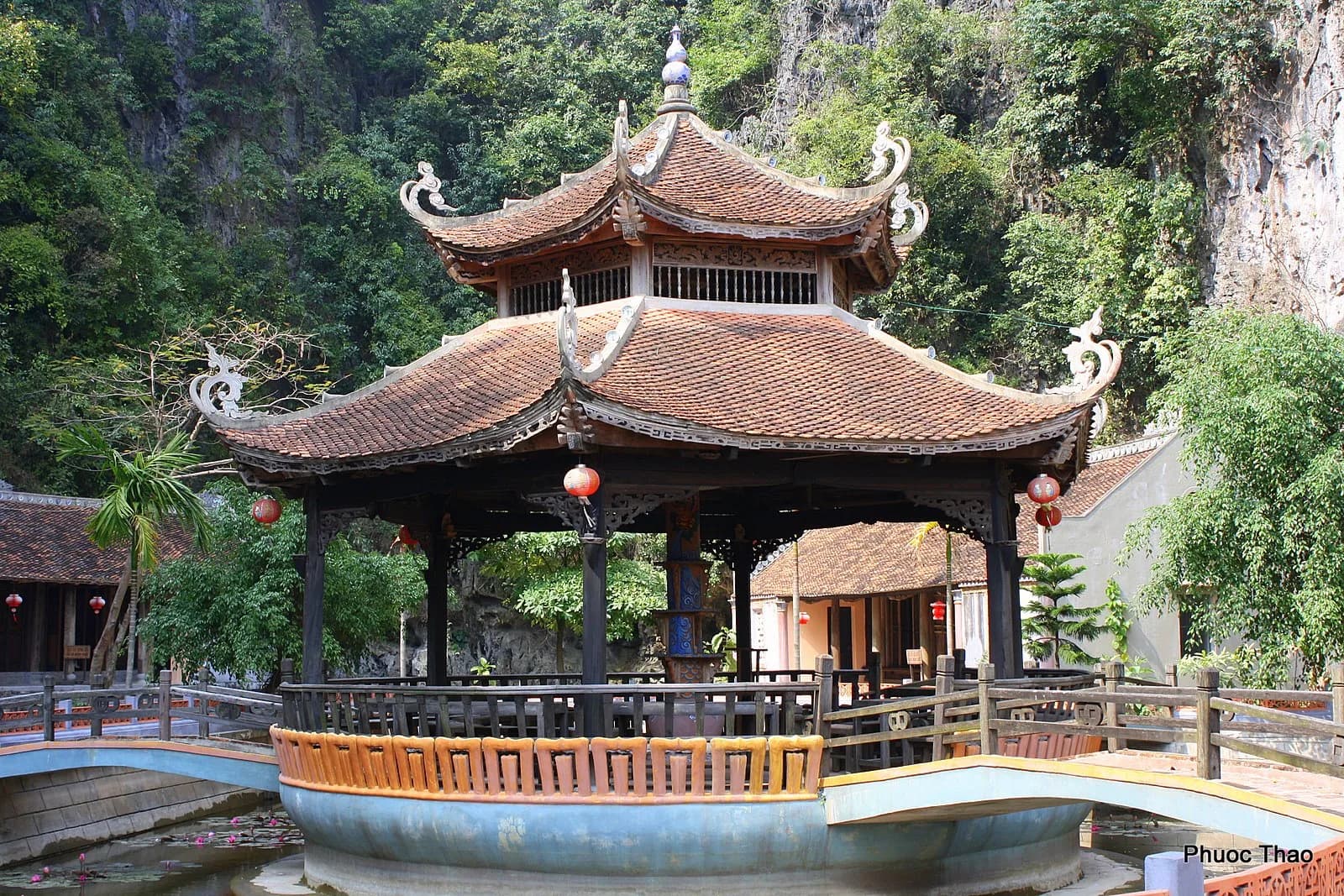

Ninh Binh’s limestone mountains draw the eye upward. Its architectural heritage invites a closer look: at a carved timber beam, the pattern of roof tiles or the arrangement of buildings around a courtyard.
Near the Tam Coc boat landing, Co Vien Lau brings these details into focus. Developed as a collection of traditional buildings gathered from different places, it recreates elements of a northern Vietnamese village within Ninh Binh’s mountain landscape.
Its story offers more than architectural interest. It also raises a question central to heritage travel: how do historic buildings survive after they have been collected, relocated and restored?
Can You Visit Co Vien Lau?
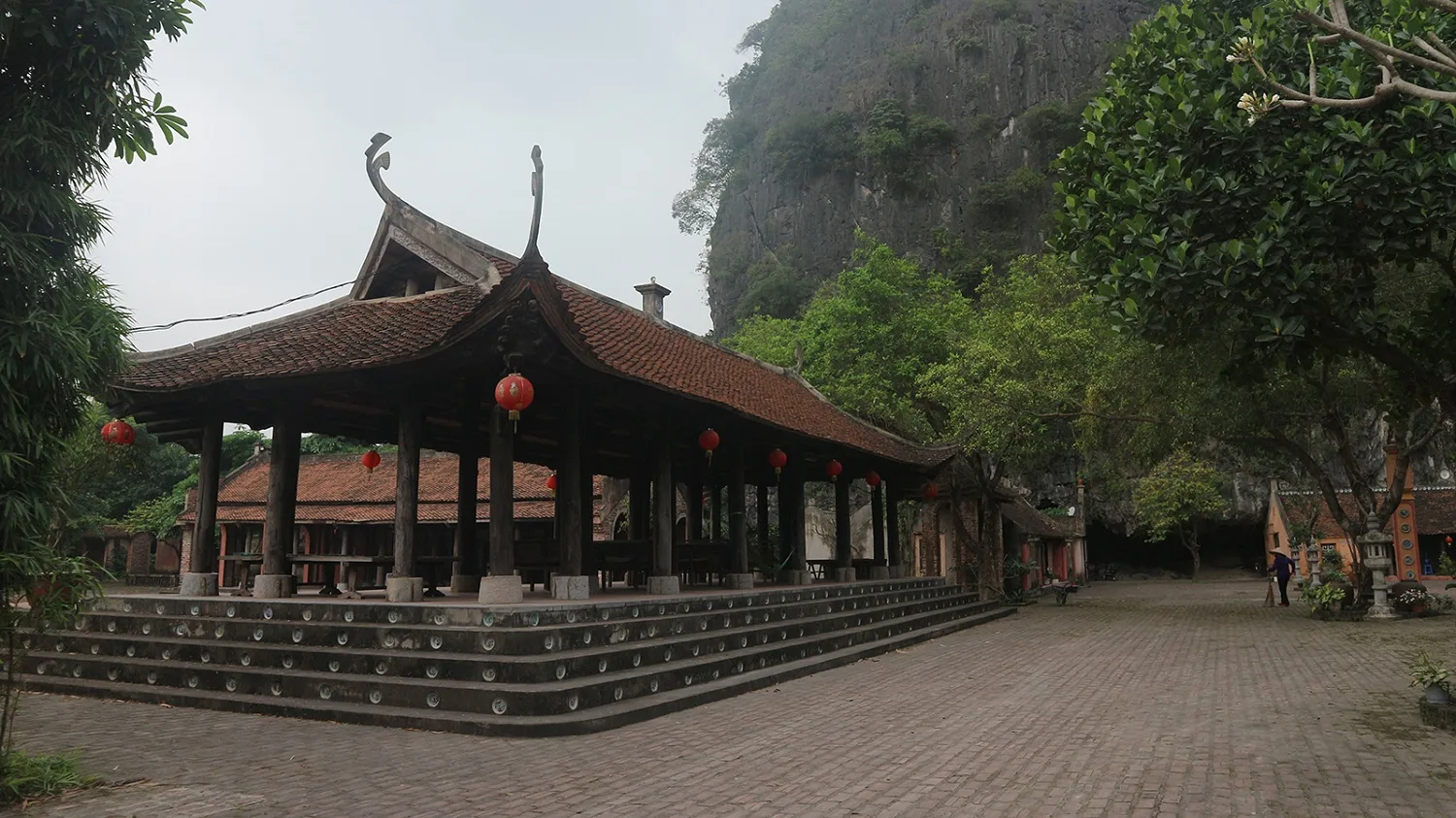
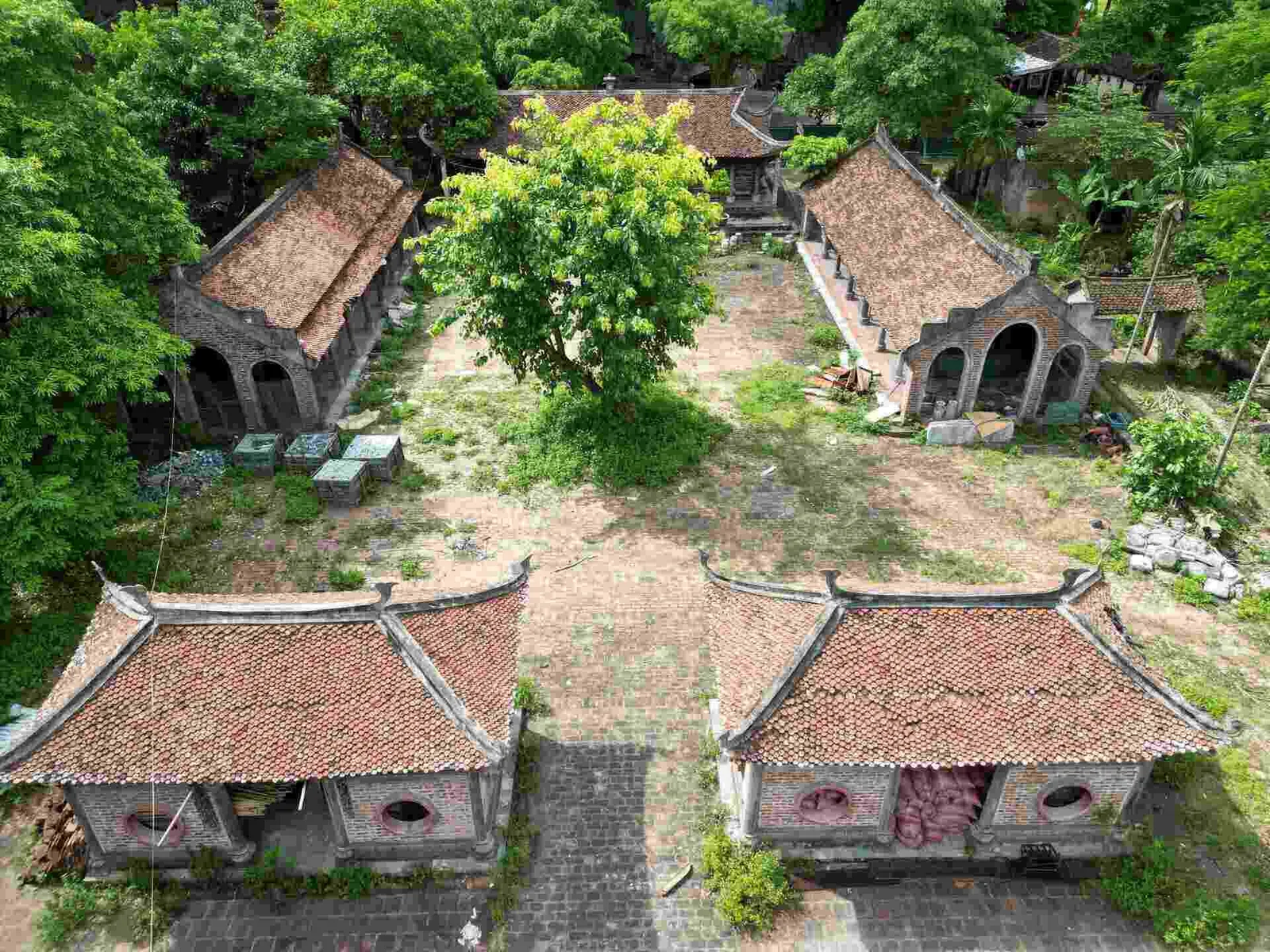
Reporting from 2024 documented interrupted operations and serious deterioration. VietnamNet reported that a limited section, including some old houses and a waterside pavilion, remained accessible at that time. These reports do not establish present-day opening arrangements.
Ask the current site representative or local tourism information service:
Whether visitors are being admitted.
Which areas are accessible.
Whether building interiors may be entered.
Whether guided interpretation is available.
What current admission arrangements apply.
Older photographs and travel articles can help explain the collection’s history. They should not be treated as confirmation of today’s conditions.
Where Is Co Vien Lau?
Co Vien Lau is beside the Tam Coc–Bich Dong boat landing, within the buffer zone of the Trang An World Heritage landscape. Its proximity to Tam Coc explains why it appears in many Ninh Binh itineraries.
The location makes it relevant to travellers interested in both scenery and built heritage. However, plan your day around activities with confirmed access, then consider Co Vien Lau if arrangements can be verified.
What Is Co Vien Lau?
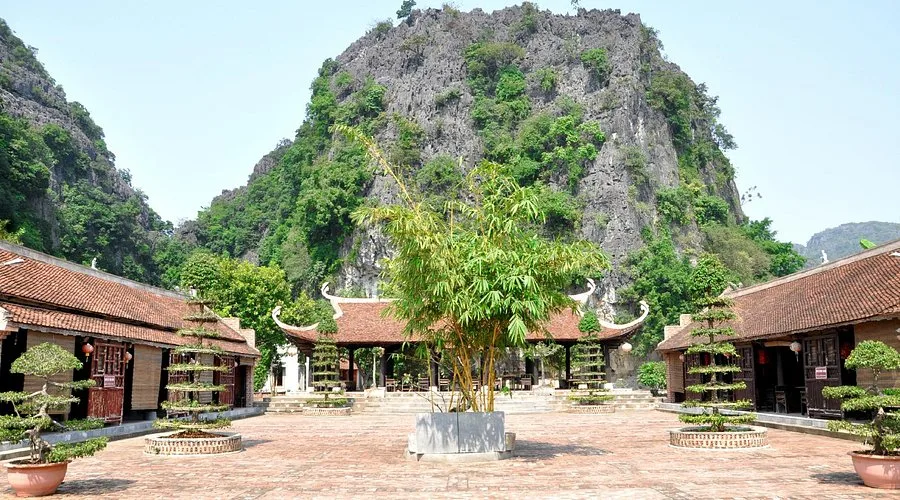
Co Vien Lau was developed as a collection of traditional architecture and objects, arranged to evoke a northern Vietnamese village.
The Department of Cultural Heritage documented the opening of its antiquities exhibition on 9 April 2008, describing nearly 20 representative residential structures collected from northern villages.
Later reporting described a collection exceeding 20 old houses. The distinction matters: Co Vien Lau presents buildings brought together from different locations, rather than an entire ancient village preserved unchanged where it originally stood.
Understanding that history helps visitors ask better questions about each building: where it came from, how it was reconstructed and which features belong to its original form.
Architectural Details That Define the Collection
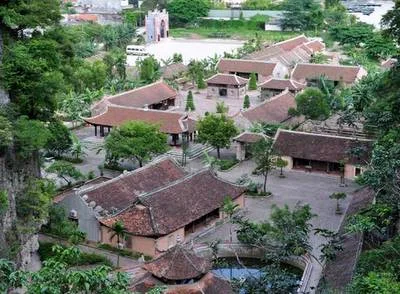
Timber Frames and Carved Structural Elements
Ninh Binh’s tourism authority describes wood as a principal material at Co Vien Lau and highlights carved columns and roof trusses in its communal architecture.
These details offer a way to appreciate the buildings beyond their age. Look at how structural elements are arranged, where decoration appears and how one component meets another.
Claims that every building uses ironwood or was constructed entirely without nails require building-specific evidence. A guide should distinguish original construction from later repairs and reconstruction.
Roof Tiles and Building Variety
The provincial tourism description identifies fish-scale roof tiles among the collection’s features. This is more precise than describing every roof as using yin-yang tiles.
It also describes modest thatched-roof, earthen-walled structures within the recreated village setting. The collection therefore should not be reduced to one uniform house type.
Differences in materials and scale can prompt discussion about domestic life, resources and the purpose of each structure.
Carvings and Their Interpretation
The tourism authority highlights lotus motifs in Co Vien Lau’s carved woodwork. Other interpretations should be tied to the actual carving and its context. Ask what is documented, what comes from a broader decorative tradition and what remains uncertain. That approach makes the explanation more rewarding than assigning a fixed symbolic meaning to every beam.
Questions to Ask a Heritage Guide
A knowledgeable guide can help connect architectural details with the history of an individual building.
Question | What it helps clarify |
Where did this building originate? | Its geographical and cultural context |
When was it built? | The evidence behind its stated age |
Which elements are original? | The extent of reconstruction and repair |
What was each space used for? | Domestic, communal or ceremonial functions |
What do the carvings represent? | Documented interpretation and uncertainty |
How is it being maintained? | The building’s conservation needs |
If feng shui is discussed, ask whether the explanation refers to the building’s original setting or its reconstructed position. Relocation makes that distinction especially relevant.
Any access to privately owned houses elsewhere must be arranged with the owners’ consent. A guide’s local connections do not establish a right to enter.
What Co Vien Lau Reveals About Conservation
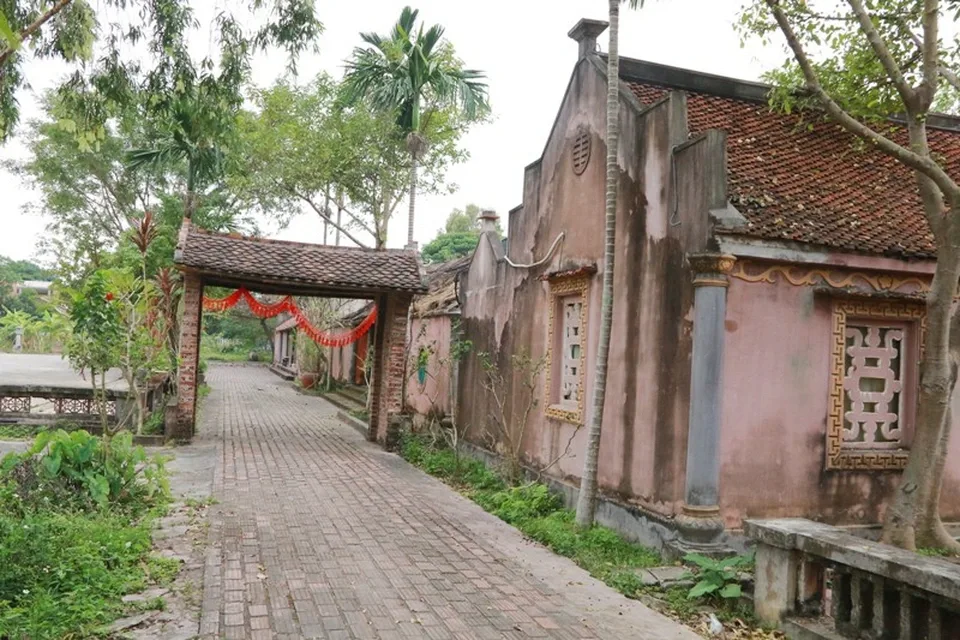
Collecting an old building is the beginning of a conservation commitment.
When documenting the exhibition’s opening in 2008, the Department of Cultural Heritage acknowledged limitations in reconstruction, display and preservation. Subsequent reporting on deterioration shows why continued care matters.
For travellers, this changes how the site should be approached. Its significance includes both the architecture assembled there and the challenges of sustaining that collection.
If access is permitted, follow the site’s boundaries. Avoid leaning on timber, touching carvings or entering structures whose condition has not been assessed for visitors.
How to Include Architectural Heritage in a Ninh Binh Trip
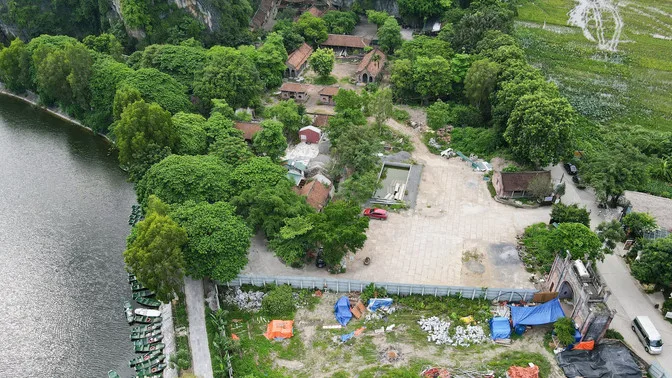
Keep your itinerary flexible. Start with confirmed activities around Tam Coc, then check whether a legitimate Co Vien Lau visit is possible. Nearby cultural sites listed by Ninh Binh’s tourism authority include Thai Vi Temple and Bich Dong Pagoda. Confirm their current visitor arrangements separately.
Allow time to observe details rather than moving quickly between photo stops. A quiet courtyard or carefully explained carving can add depth to a day otherwise centred on landscape views.
For another perspective on Vietnamese craft heritage, explore ExoTrails’ Quang Phu Cau incense village guide.
FAQs About Co Vien Lau
Is Co Vien Lau an original ancient village?
It is a collection of traditional buildings gathered and reconstructed to evoke a northern Vietnamese village. Individual houses have their own origins and histories.
Is Co Vien Lau currently open?
Current full access has not been verified. Published reports document disrupted operations and deterioration, so seek direct confirmation before travelling specifically to visit.
What are the entrance fee and opening hours?
Do not rely on old prices or schedules. Confirm current arrangements with an authorised representative.
Are all the houses built without nails?
That claim has not been verified across the collection. Ask about the construction and repair history of the specific building.
Can I enter the houses with a guide?
Only where access is authorised and the building is open to visitors. Confirm interior access before booking.
Discover the Stories Within the Buildings
Co Vien Lau’s story connects traditional architecture with the continuing work of preservation. Its value lies in the buildings’ origins, craftsmanship and the care needed to carry them forward.
Approach with curiosity, verify access and leave space in your Ninh Binh itinerary to understand the places you encounter.
Download ExoTrails to discover cultural stops and outdoor destinations for your next journey.
For more heritage-focused travel ideas, read ExoTrails’ guide to cultural immersion in Vietnam.