

High-capacity pressure, burnout, and broken interdepartmental connections remain major challenges for business leaders and HR Directors. Recent HR surveys indicate a growing disconnect between employees and their organizations when companies focus solely on KPIs while neglecting holistic wellness.
Today's effective employee engagement solutions go beyond standard parties or forced beach team-building games. Forward-thinking organizations are shifting toward Outdoor Wellness, a strategic combination of physical exercise, mental decompression, and organic trust-building.
Explore more interesting articles:
Vietnam Central Highlands Cultural Trekking: The "Back-Strap" Odyssey of the Bahnar
Ma Da Nature Reserve Guide: The Ultimate Secrets of Southern Vietnam's Green Lung, 80km from Saigon
Why Traditional Employee Engagement Solutions Fail

Many organizations allocate significant budgets for routine retreats, yet their Employee Net Promoter Score (eNPS) remains stagnant. Key causes include:
Forced Participation: Traditional team-building activities often feature high-stakes win-lose competition, adding pressure instead of relieving stress.
Lack of Deep Connection: Social drinking or passive resort trips offer limited space for genuine interpersonal sharing and empathy.
Low Sustainability: High-intensity, chaotic events consume energy without delivering long-term mental rejuvenation.
Outdoor Wellness: A Holistic Employee Engagement Solution
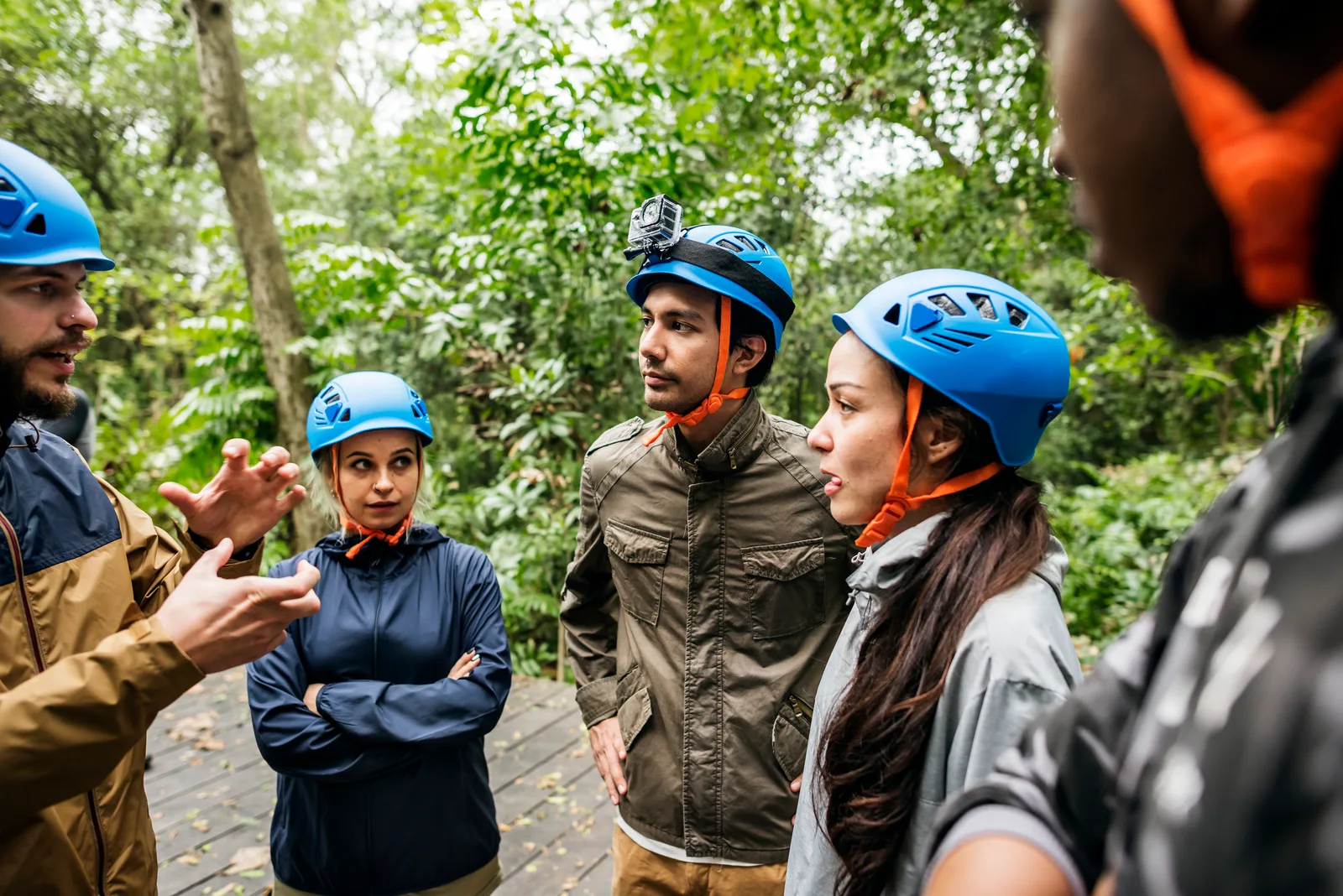
Transitioning into natural environments removes departmental barriers, allowing team members to regain balance and connect authentically.
Genuine Stress Relief and Energy Regeneration
Immersion in nature lowers cortisol levels (the primary stress hormone). Gentle hiking or trekking stimulates endorphins, enabling employees to release work pressures and recharge creative energy.
Fostering Natural Communication and Interdepartmental Trust
Overcoming a steep trail or pitching a tent together naturally levels hierarchical and departmental divides. Mutual trust develops through shared real-world actions rather than theoretical exercises.
Integrating ESG Values (Social & Environmental) into Corporate Culture
Modern outdoor wellness initiatives incorporate Leave No Trace environmental principles and support local communities. This approach helps companies operationalize ESG strategy across People (Social) and Planet (Environment), deepening employee pride in the organization.
4 Trend-Setting Outdoor Engagement Models for Enterprise
Model | Key Features | Target Audience |
Light Trekking & Hiking | Low-to-moderate difficulty nature walks. | Large teams seeking to boost morale, endurance, and shared purpose. |
Forest Bathing & Mindfulness | Forest immersion, guided meditation, and outdoors yoga. | Leadership teams, creative personnel, and high-stress roles. |
Camping & Survival Challenge | Camp setup, outdoor cooking, and real-time problem-solving. | Operations teams and project squads needing tighter execution sync. |
Eco-Volunteering | Trail cleanup trekking, reforestation, and highland school support. | ESG-focused firms building a culture of purpose and service. |
5-Step Process for Safe, Cost-Optimized Outdoor Wellness Programs

Assessment: Evaluate fitness levels, demographics, and psychological expectations before selecting trails.
Customization: Weave corporate culture themes into specific touchpoints along the journey.
Risk Management & Safety: Implement full insurance coverage, professional guides, and contingency medical plans.
Program Execution: Balance physical challenge with dedicated downtime for reflection and connection.
Post-Event Analysis: Collect eNPS metrics and qualitative feedback to refine future campaigns.
Measuring the ROI of Outdoor Wellness Programs
To secure C-suite approval, employee engagement solutions must demonstrate clear quantitative impact:
Retention Rate: Decreased turnover driven by a workplace culture that prioritizes employee health.
eNPS (Employee Net Promoter Score): Higher likelihood of employees recommending the organization as an employer of choice.
Labor Productivity: Reduction in both absenteeism (sick days) and presenteeism (working below capacity due to exhaustion).
Conclusion
Investing in employee engagement solutions through Outdoor Wellness is not merely a perks expense, it is a long-term strategic investment in a company's primary asset: its people. When physical well-being is strengthened and minds are cleared in nature, teams return to work with higher engagement and peak productivity.
Contact ExoTrails today for a consultation on tailored, ESG-aligned Outdoor Wellness & Trekking programs designed for your corporate budget and culture.
Frequently Asked Questions
1. Can employees with average fitness levels join Outdoor Wellness programs?
Yes. ExoTrails programs feature tiered difficulty levels ranging from beginner to advanced. We design specialized Light Trekking and Forest Bathing routes tailored for office personnel, ensuring safety and accessibility for all physical backgrounds.
2. How do you guarantee safety during corporate trekking events?
ExoTrails adheres to strict safety protocols: prior route reconnaissance, a 1:5 guide-to-participant ratio, specialized first-aid kits, mandatory travel insurance, and clear contingencies for severe weather.
3. What is the typical budget for an Outdoor Wellness program?
Costs vary based on destination, participant count, and chosen inclusions. ExoTrails delivers flexible, custom-designed solutions tailored to fit your company's actual budget.
4. What is the main difference between Trekking Wellness and traditional team building?
Traditional team building centers on short-term, competitive group games. Trekking Wellness prioritizes deep-level experiences, mental decompression, natural bonding, and long-term ESG integration.