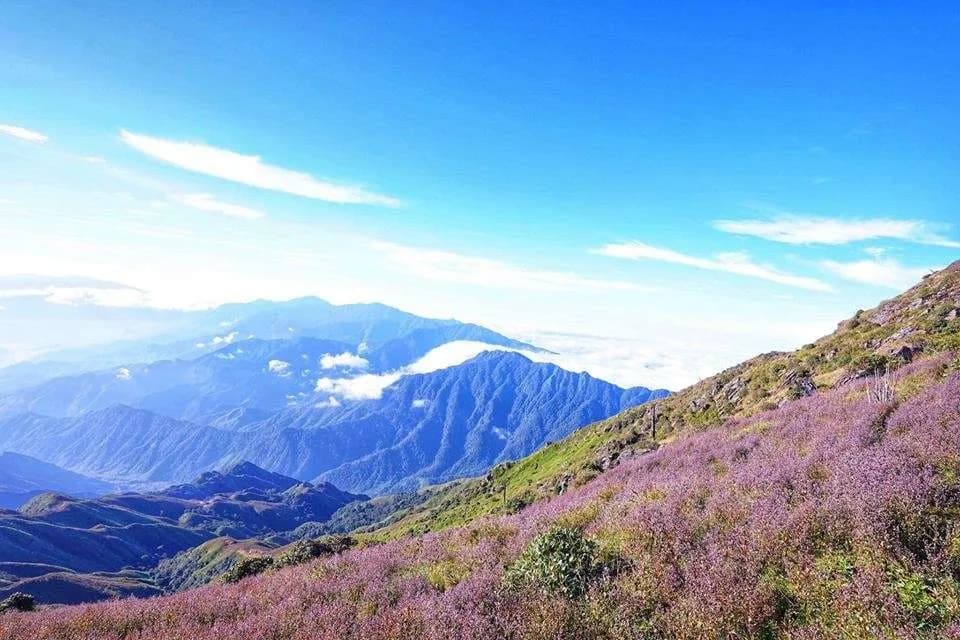


As a highlight of any Vietnam Central Highlands cultural trekking journey, in the highlands of Gia Lai, stories are not always spoken. Sometimes, they are woven. Inside wooden stilt houses surrounded by coffee fields, forested hills, and red-earth trails, Bahnar women sit quietly beside hand-built looms attached directly to their bodies. Threads stretch tightly across the floor while fingers move with a rhythm so practiced it feels instinctive: pull, tighten, weave, repeat.
Read more interesting articles here:
- Tuyet Tinh Coc Ninh Binh Guide: Scaling the "Dragon’s Spine" of the Vertical Sanctuary
- My Nghiep Cham Weaving Village: A Guide to Southeast Asia’s Oldest Textile Tradition
- Cinnamon Harvest in Vietnam: A Botanical Trek Into the Scented Secret of the High Passes
The "Back-Strap" Odyssey: A New Era of Vietnam Central Highlands Cultural Trekking
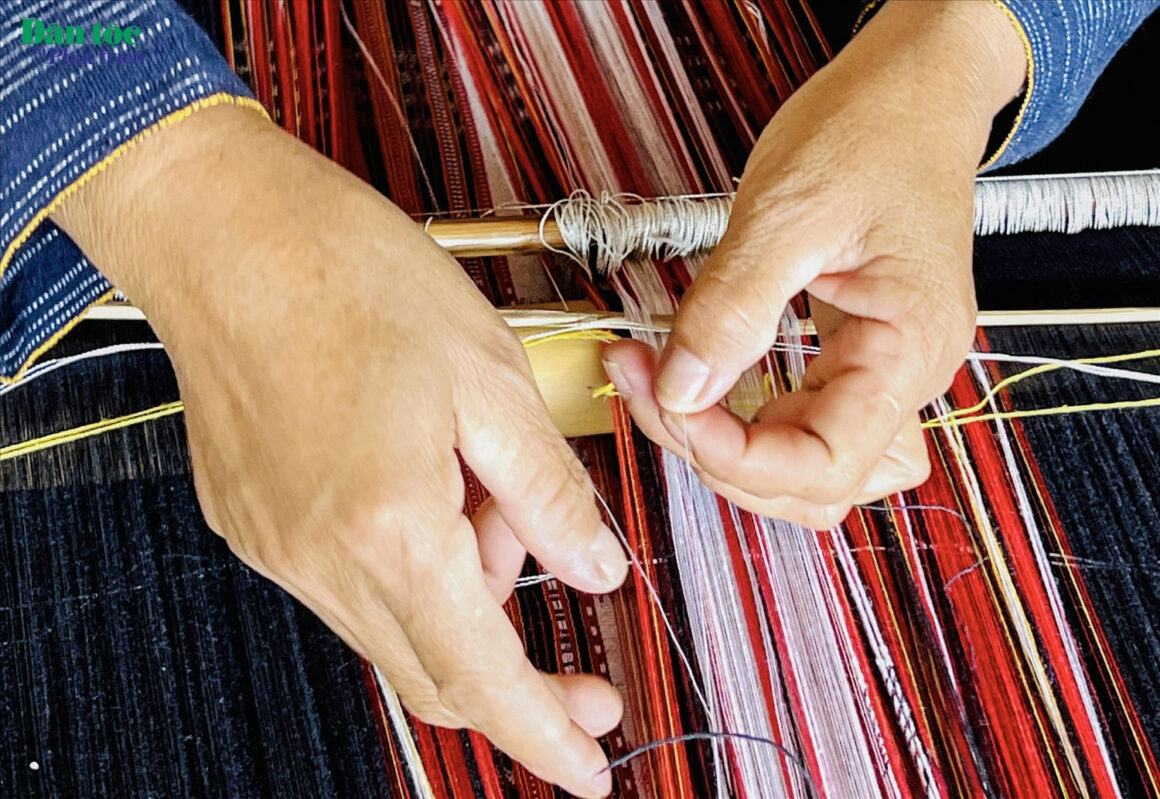
For travellers exploring this region, the experience has become known as the “Back-Strap Odyssey”, a multi-day Vietnam Central Highlands cultural trekking journey moving between remote Bahnar villages to apprentice in one of the region’s oldest living traditions. Unlike short tourism workshops designed for quick entertainment, this journey unfolds slowly: three days, several villages, and one continuous immersion into the “Life-Patterns” of the highlands.
The trek itself moves through landscapes rarely seen by mainstream tourism. Dirt paths cut between cassava farms, rice terraces, bamboo groves, and scattered Bahnar settlements where communal rong houses rise dramatically above the villages with steep wooden roofs reaching toward the sky.
More Than Decoration: Mapping Identity Through Traditional Patterns
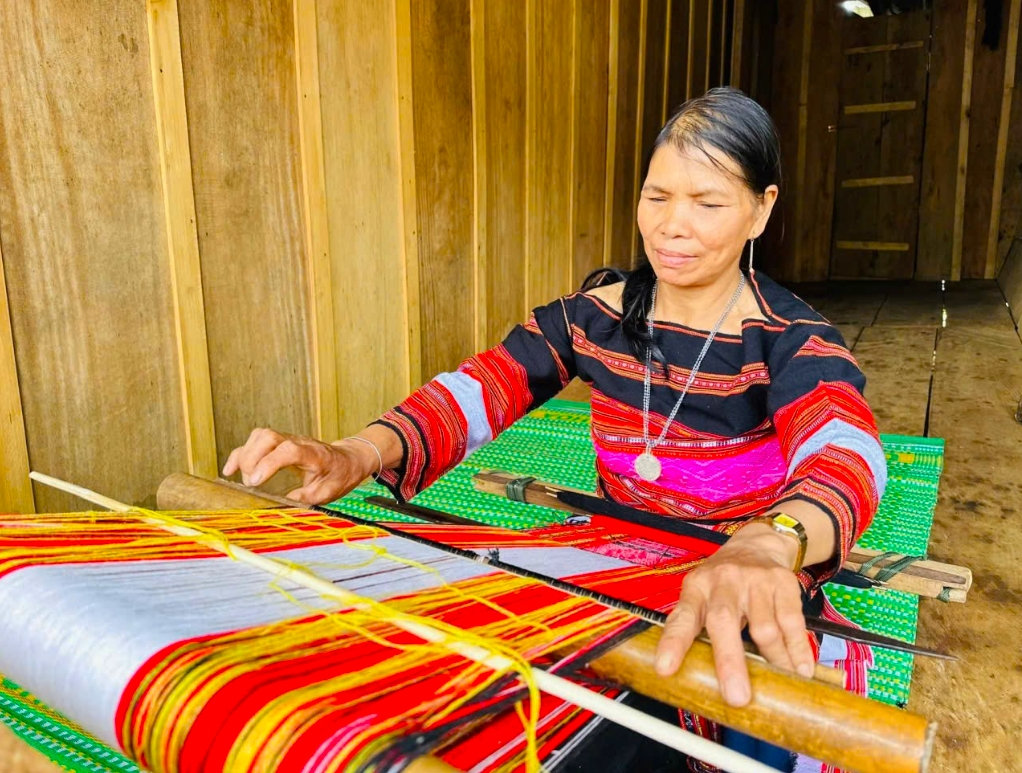
The pace is intentionally unhurried. Travellers walk from village to village alongside local guides while learning how weaving remains deeply connected to everyday life across the highlands. Every pattern tells a story. Some designs symbolize rivers, mountains, or forests. Others reflect animals, harvest cycles, or protective spiritual motifs passed between generations of Bahnar families.
Learning the craft is humbling. Back-strap weaving differs entirely from industrial textile production. The loom is secured around the weaver’s lower back, meaning body movement itself controls tension across the threads. Beginners on a Vietnam Central Highlands cultural trekking route quickly realize how physically demanding the technique actually is: hands cramp, threads tangle, and patterns drift unevenly. But slowly, under the guidance of village elders, the repetition begins making sense.
Why This Vietnam Central Highlands Cultural Trekking Journey Matters
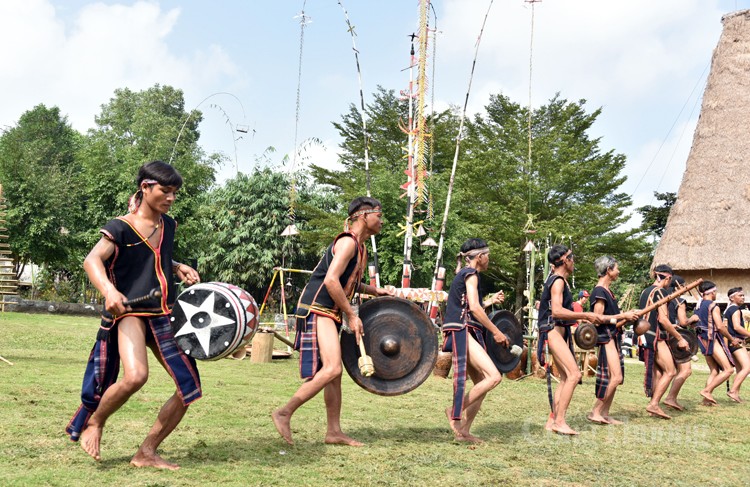
Across many rural regions, younger generations increasingly leave villages for urban employment, placing pressure on traditional practices. This is why Vietnam Central Highlands cultural trekking and community-led initiatives are so vital. They create opportunities for local artisans and elders to continue passing down these skills while benefiting directly from sharing their knowledge.
For global travellers, experiences like this reflect a broader shift happening within adventure tourism. People are seeking depth over speed, participation over performance, and connection over consumption. The Bahnar highlands offer exactly that, not through luxury or spectacle, but through patience and the quiet intimacy of learning something ancient by hand.
Preservation Through Participation: The Future of Highlands Heritage
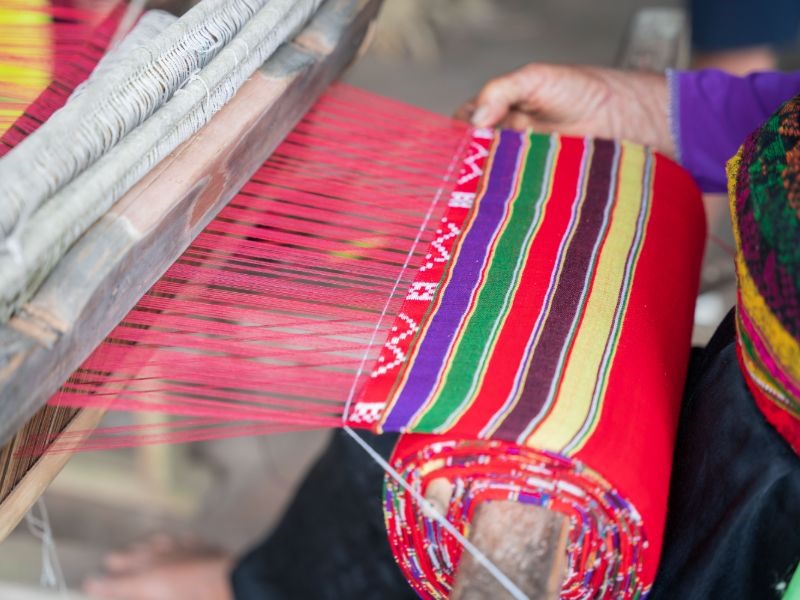
The weaving becomes meditative. Hours pass quietly inside open-air homes while rain moves across the highlands outside. Somewhere during the process, travellers stop feeling like tourists entirely; they become participants inside a living cultural system.
The preservation of traditional weaving is not simply about protecting handmade crafts. It is about sustaining intergenerational knowledge, supporting indigenous livelihoods, and ensuring ancient traditions remain economically valuable in the modern world.
Conclusion
In conclusion, Vietnam Central Highlands cultural trekking is more than just a physical journey through Gia Lai’s landscapes; it is an exploration of human resilience and artistic memory. By the final evening of the trek, sitting beside a loom while mist settles over the mountains, you begin realizing the textiles were never simply fabric. They were memory woven into pattern, one thread at a time.
Join our outdoor community! Follow our Facebook Page and join our ExoTrails Community Group to connect with fellow explorers and stay updated on the latest trails!