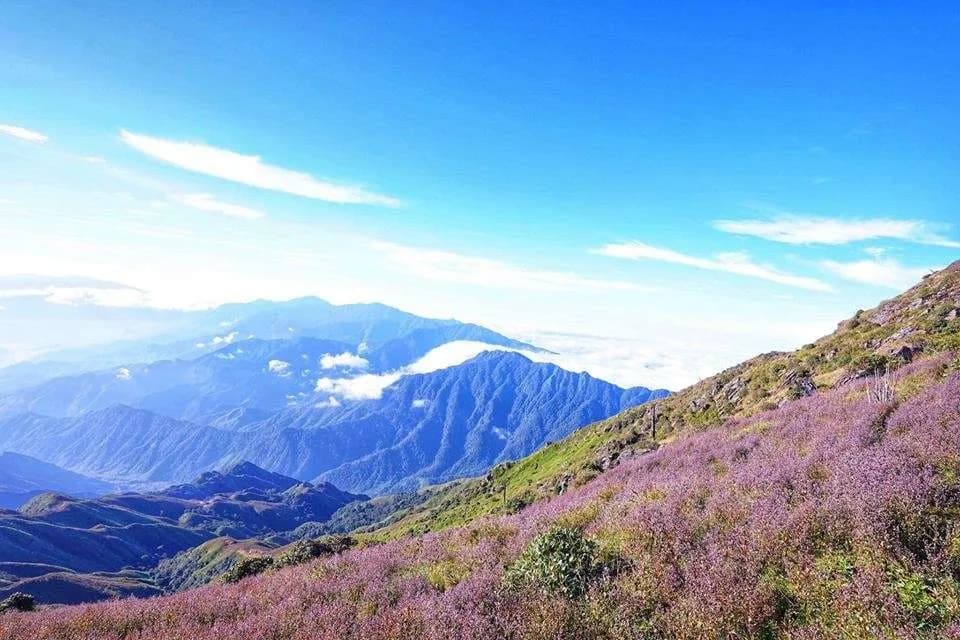


Before the karst peaks. Before the UNESCO designation. Before the motorbike convoys and the buckwheat flower selfies, there were the H'Mong. Understanding the Hmong culture in Ha Giang is the key to unlocking the true soul of the plateau; if you travel to Dong Van without truly meeting them, you've seen the stage but missed the entire play.
The H'Mong's notable presence in the region dates back three centuries, when they moved southward to flee persecution. They arrived to find the more accessible valleys already claimed, so they did what the H'Mong have always done, they climbed higher. Today, they are the largest of the seventeen ethnic communities living within the Dong Van Karst Plateau Geopark, making up 32% of the total population.
Read more interesting posts here:
- The Best Rice Terraces in Northern Vietnam: Discovering the Wild Soul of Hoang Su Phi
- Bau Truc Pottery Village: The Ancient Cham Art of Shaping Earth by Hand
- Sapa Traditional Silver Smithing: A Journey into the Heart of the Highlands
A Culture Written in Cloth: The Visual Identity of Hmong Culture in Ha Giang
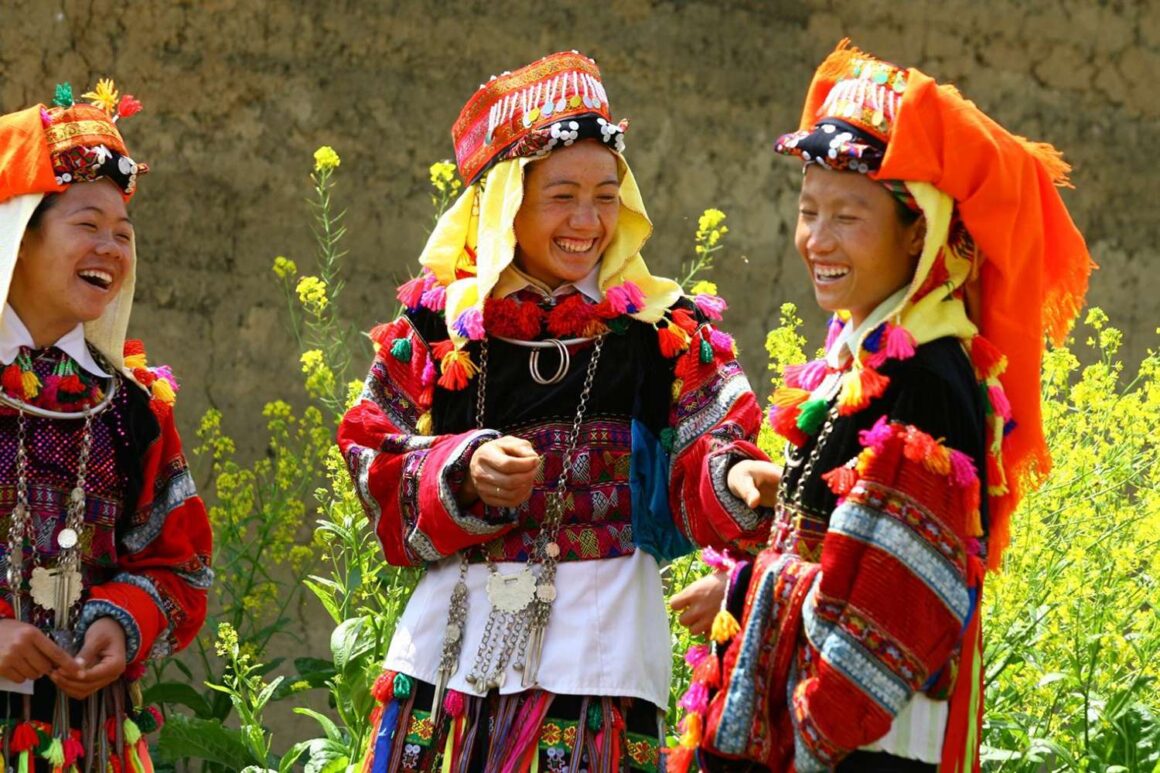
You'll see the H'Mong before you speak to them. Their clothing is impossible to miss layered, vivid, and dense with meaning. The H'Mong are famous for their beeswax batik patterns, intricate embroidery, and sophisticated linen-weaving techniques.
In Hmong culture in Ha Giang, every motif on a woman's skirt tells a story of her village, her lineage, the seasons, and the spiritual world. This is not fashion; it is a living archive. The two main sub-groups here are the White H'Mong and the Flower H'Mong, each identifiable by the distinctive patterns and colour palettes of their dress. When you see a woman at the Meo Vac market, she hasn't dressed up for you; she represents a legacy passed down from her grandmother.
The Art of Living on Stone: Ingenuity in Hmong Culture in Ha Giang
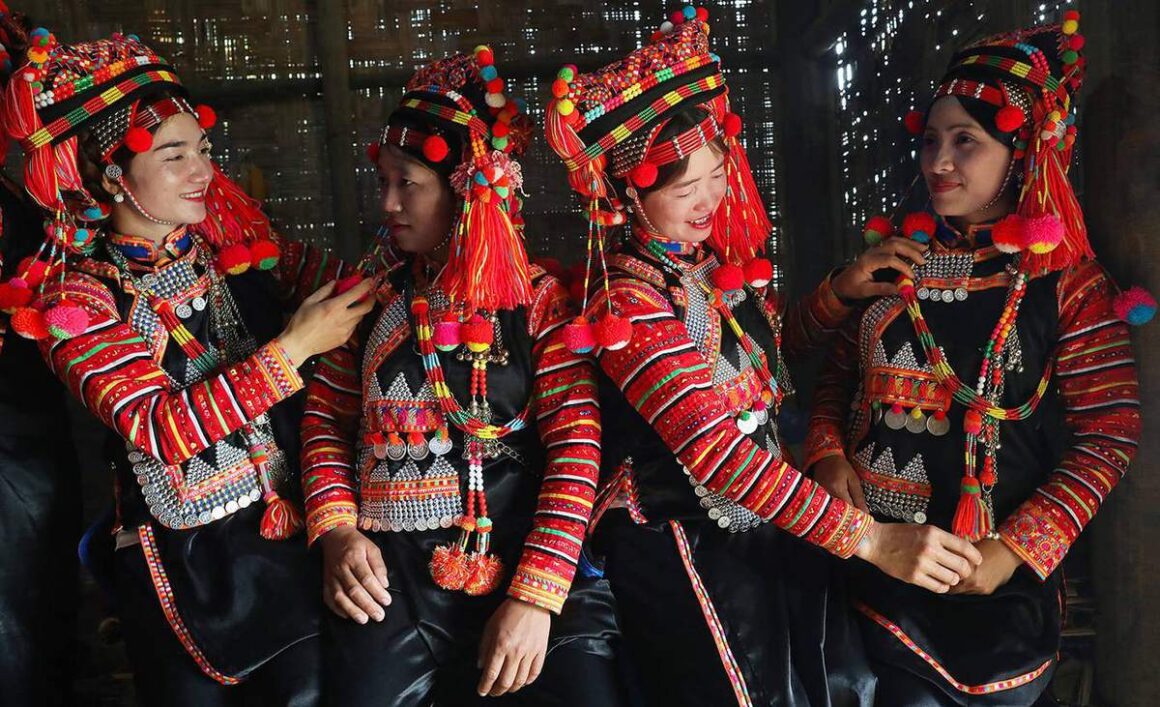
The H'Mong don't just live on the plateau, they have mastered it. They developed "rock-holed soil farming," a unique agricultural technique adapted to the high-mountain terrain filling crevices in limestone with gathered soil to grow maize where none should grow. It is an act of extraordinary ingenuity repeated across thousands of hillside plots.
Their handicraft traditions: weaving, forging, and casting, reflect the resilience inherent in Hmong culture in Ha Giang. Even their architecture is symbolic; the H'Mong house, built from earth, features three compartments, with the central one reserved as an altar for ancestor worship. Step inside a home and you step into a worldview where the fire is in the centre and every object has its place.
Traditional Festivals: When Hmong Culture in Ha Giang Comes Alive
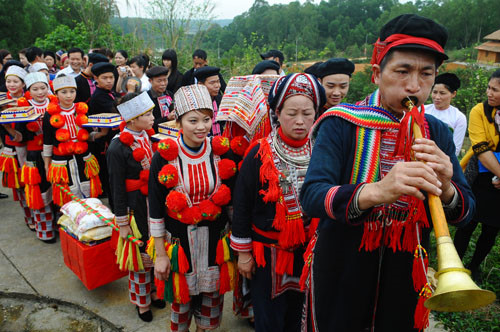
Time your visit right and Dong Van will give you something no highlight reel can prepare you for. The H'Mong New Year: Noj Peb Caug transforms the plateau's villages into gatherings filled with ancestral offerings, soul-calling ceremonies, and the famous pov pob ball-toss courtship game.
The Gau Tao Festival, held in early January on the lunar calendar, is another cornerstone of Hmong culture in Ha Giang. Here, the community prays for health and prosperity with highland games and khèn panpipe performances the kind of communal warmth that no resort package can replicate.
Cultural Etiquette: How to Honor the Community
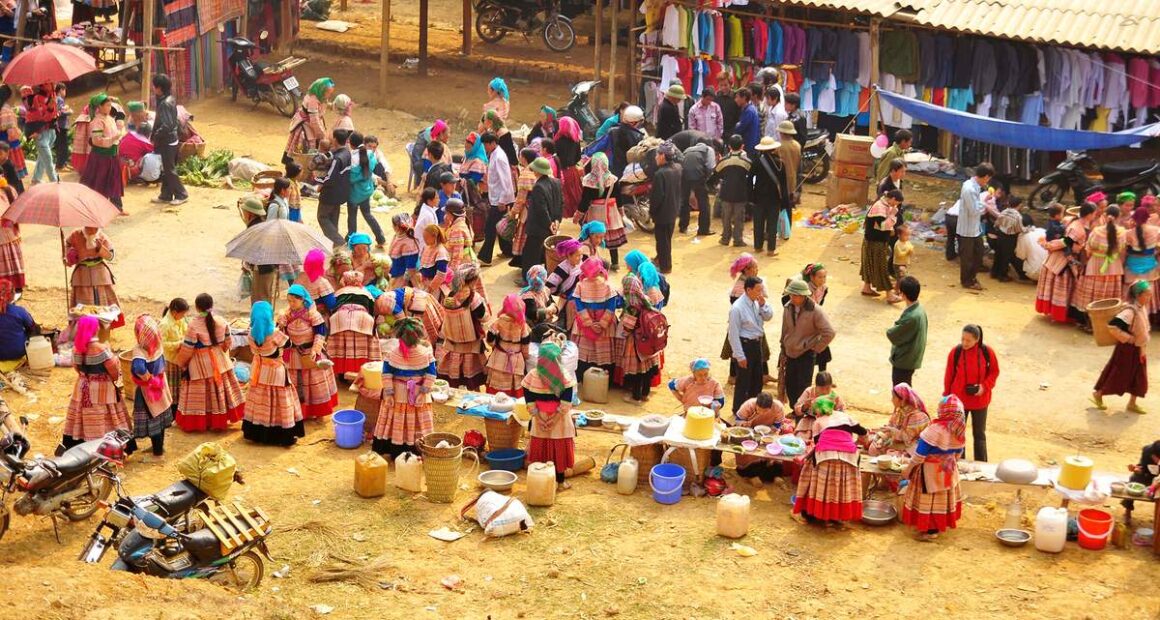
Treat H'Mong traditional clothing with respect, it is not a costume for photographs. Always ask permission before photographing people, learn a few words, and accept food if it is offered. The H'Mong are not a tourist attraction; they are an ancient, resilient civilization. At the Meo Vac Sunday market, you can still see H'Mong traders bartering goods like handmade tools, a reminder that not everything here has been swallowed by the modern world.
To connect deeply with the community and experience these traditions with the guidance of local experts, you can explore my recommended cultural immersions: here.
Conclusion
In conclusion, the Hmong culture in Ha Giang is the heartbeat of the northern highlands. From the ingenious rock-holed farming to the deeply symbolic textiles, their traditions offer a profound lesson in resilience and harmony with nature. To truly experience Ha Giang, one must approach the H'Mong people with genuine curiosity and respect, discovering a world that remains vibrantly alive amidst the ancient stone.
Join our outdoor community! Follow our Facebook Page and join our ExoTrails Community Group to connect with fellow explorers and stay updated on the latest trails!