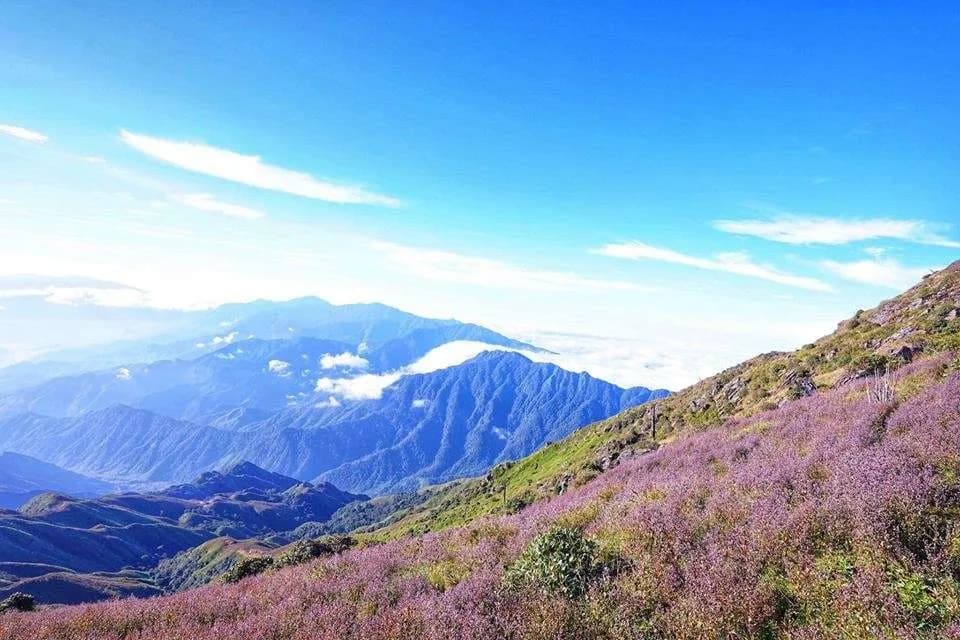


While most travelers view Vietnam through the steam of a morning cà phê sữa đá, few venture to the source of the bean to see how the landscape is being reimagined for the future. In the red-earth heart of the Central Highlands, specifically in Buôn Ma Thuột, a new niche of "Regenerative Tourism" is emerging. Coffee tourism in Dak Lak is no longer just a simple plantation visit; it is a transition into the world of ESG-driven travel, where Environmental, Social, and Governance pillars are woven into every cup.
For the "Cultural Navigator," the region offers a profound look at how one of the world's largest coffee producers is pivoting from intensive farming to a "Net Zero" future that honors both the soil and the soul of the Highlands.
Read more interesting posts here:
- Hang Trong Folk Painting: Discovering the Soul of Hanoi’s Ancient Art
- Trekking Bidoup Nui Ba: Discover the 1,300-Year-Old Giants of the Central Highlands
- Ma Lieng Ethnic Group Vietnam: Secrets of the Forbidden Forest Gongs
The Intercropped Forest: Environmental Stewardship in Coffee Tourism in Dak Lak
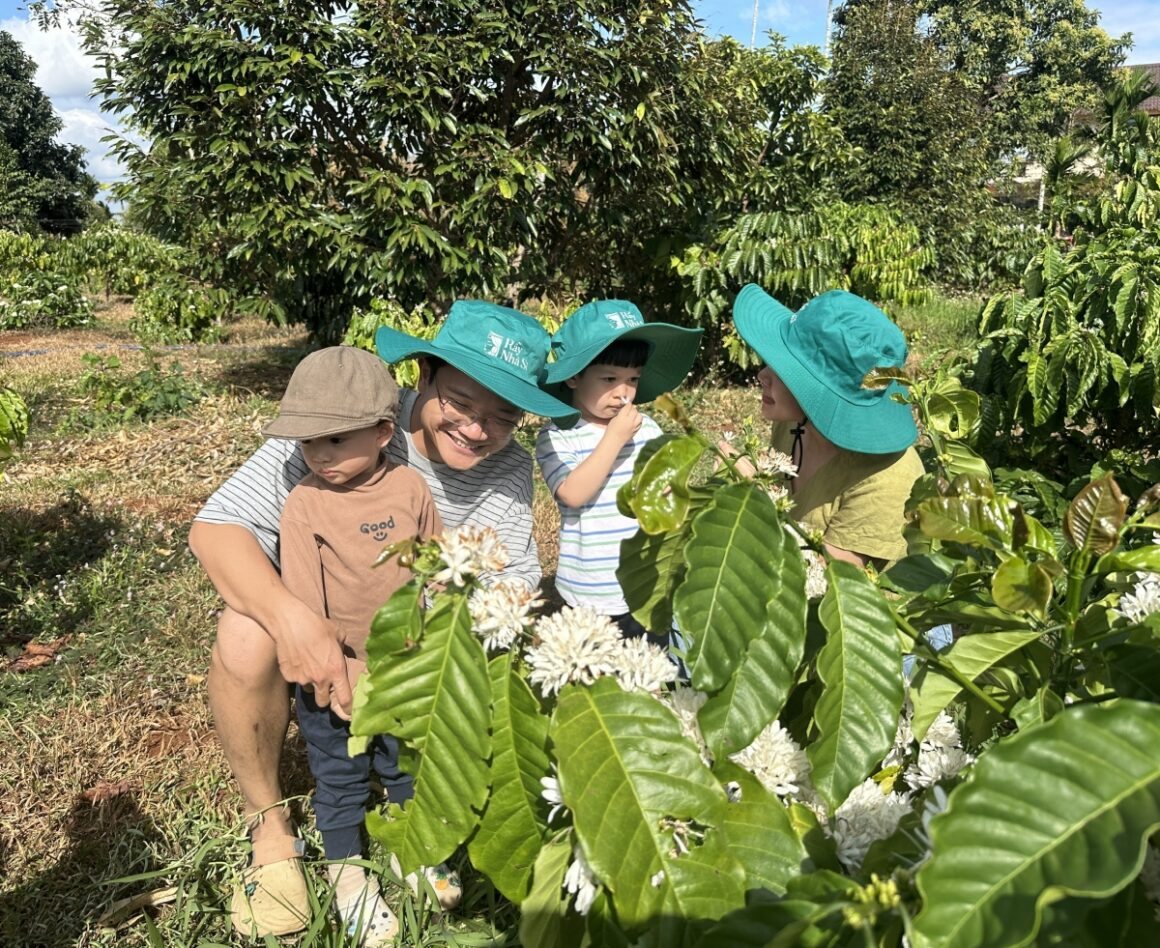
The traditional image of a coffee plantation is often a monoculture of thirsty trees. However, in the modern regenerative models driven by coffee tourism in Dak Lak, the plantation is transformed into a multi-layered forest.
- The Shade-Grown Revolution: You walk through estates where Robusta coffee is intercropped with avocado, durian, and cassia siamea trees. This isn't just for aesthetics; these taller trees provide natural shade, reducing water evaporation while creating a habitat for local birdlife.
- The Soil’s Pulse: A premium experience in coffee tourism in Dak Lak includes a workshop on "Bio-char" and organic composting. You see firsthand how coffee husks once a waste product are being repurposed into organic fertilizer, closing the carbon loop.
The Weaver’s Wealth: The Social Pillar of Highlands Heritage
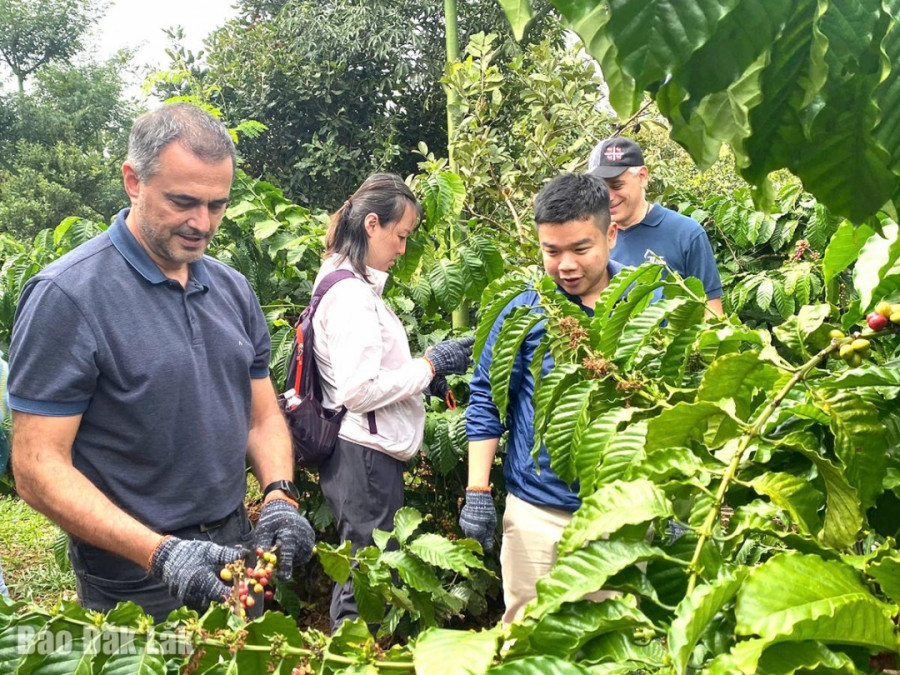
In the ESG model, the "S" stands for the people who make the landscape breathe. In Đắk Lắk, this centers on the Ê Đê and M'nông communities.
- The Matriarchal Longhouse: A visit to a village like Buôn Akô Dhông is a journey into a living social structure. You sit in a traditional longhouse to hear the "Lore" of the matriarchal Ê Đê people.
- Fair-Trade Craftsmanship: Sustainable coffee tourism in Dak Lak prioritizes direct-to-artisan commerce. You witness the intricate backstrap weaving of the Ê Đê women, where patterns tell stories of the forest. By purchasing directly from these cooperatives, the traveler ensures that social capital remains within the village.
The Governance of Quality: Ethical Transparency in the Coffee Economy
Governance often feels invisible, but in the coffee highlands, it is the bedrock of trust. Powered by coffee tourism in Dak Lak, this transparency ensures the bean in your hand is ethically sourced and transparently traded.
- The Bean-to-Cup Audit: Join a "Cupping Session" with local pioneers who are implementing blockchain and digital tracking to prove the origin and fair wages of every harvest.
- The Sustainable Architect: Stay at an eco-lodge designed with EDGE Green Building standards. This isn't just "greenwashing"; it is a commitment to operational governance that respects the local volcanic ecosystem.
Elevating Your Coffee Tourism in Dak Lak Expedition
To transform this into a "Legacy Memory," focus on the "Aromatic Reset":
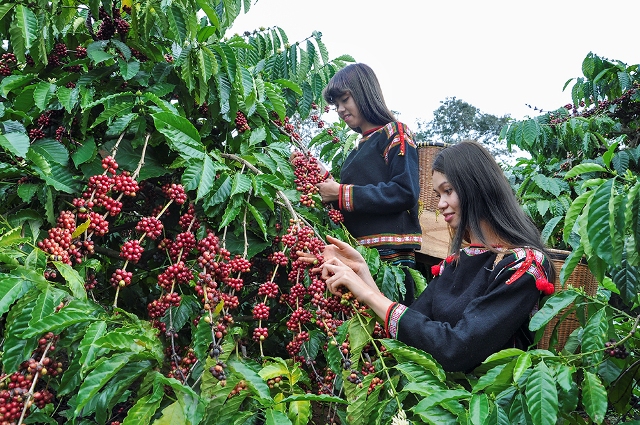
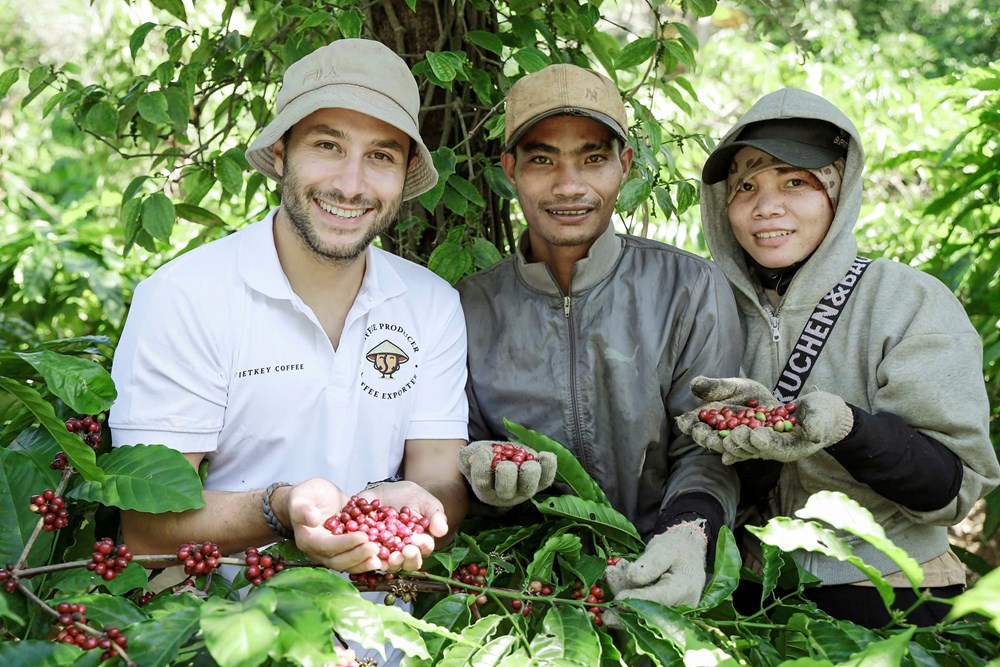
- The Dawn Harvest: Join a family during the harvest season (October to December). Picking ripe red "cherries" by hand provides a physical connection to the earth that a city cafe can never replicate.
- The "Slow-Drip" Meditated Break: Engage in the traditional Phin filter ritual. Watching the coffee drip while looking out over a misty valley in Hồ Lắk is the ultimate lesson in patience.
- The Elephant’s Sanctuary: Elevate the ESG angle of coffee tourism in Dak Lak by visiting the Yok Đôn National Park, home to Vietnam’s first ethical elephant experience. Here, you observe these giants in their natural habitat, supporting a model that values wildlife conservation.
To help you navigate this transition from a casual cup to a deep botanical exploration, I’ve shared the most reputable eco-conscious tours and local guide contacts: here.
Conclusion
In conclusion, coffee tourism in Dak Lak is a destination for the "Conscious Traveler", the one who understands that every choice has a ripple effect. It is a place where the "Liquid Gold" of the highlands is used to brew a better future for both nature and the local community. In the shade-grown groves and ancient longhouses of the Central Highlands, you don’t just find a better cup of coffee; you find a way to travel that gives back more than it takes.
Join our outdoor community! Follow our Facebook Page and join our ExoTrails Community Group to connect with fellow explorers and stay updated on the latest trails!