
Before I became a travel writer, I spent part of my early years working alongside traders moving produce through the waterways of southern Vietnam. In the Mekong Delta floating markets, business did not happen in office towers or warehouses, it happened on boats.
Even today, some of my clearest memories begin before sunrise: engines rumbling awake in darkness, crates of dragon fruit stacked high on wooden barges, coffee poured strong and sweet into chipped glasses while buyers negotiated prices across the river. The Mekong Delta floating markets were never built for tourists. They were built for survival, trade, and community and that authenticity is precisely what makes them one of Vietnam’s most fascinating cultural experiences.
For international travellers exploring Vietnam for the first time, visiting a floating market is less about ticking off an attraction and more about stepping into a living economic ecosystem that still moves with the tides.
Read more interesting posts here:
- Fansipan Trekking 3 Days: Conquer the Roof of Indochina on Foot
- Vietnam Central Highlands Cultural Trekking: The "Back-Strap" Odyssey of the Bahnar
- Shan Tuyet Tea Trekking: A Night with the Cloud-Forest Guardians of Tay Con Linh
Exploring Cai Rang: The Most Iconic of Mekong Delta Floating Markets
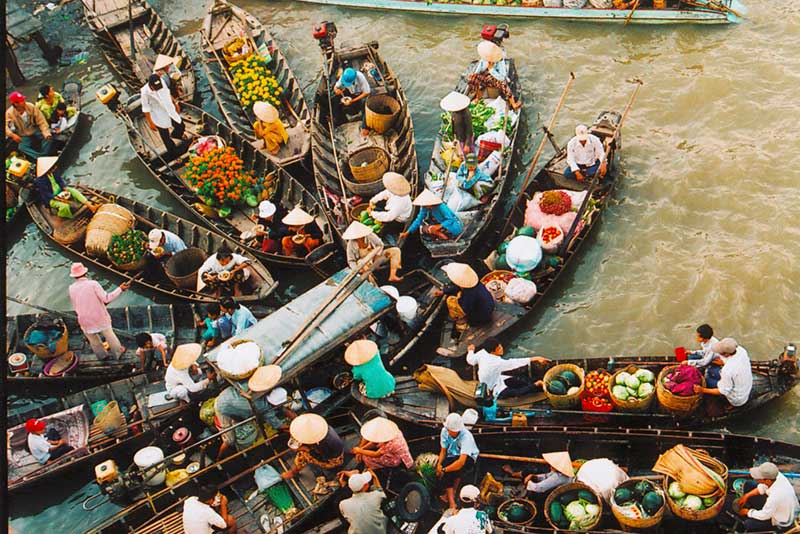
The most famous among the Mekong Delta floating markets in Vietnam, Cai Rang is where the Mekong reveals its energy at full scale. Before sunrise, hundreds of boats gather along the river carrying pineapples, coconuts, pumpkins, and baskets of fresh produce from across the delta.
What makes Cai Rang fascinating is that it remains a functioning wholesale market rather than a tourist performance. Sellers advertise their goods by hanging samples from tall bamboo poles fixed to the front of their boats, a centuries-old practice still used today.
- Best for: First-time visitors wanting the classic floating market experience.
Phong Dien: An Intimate Glimpse into Daily River Life
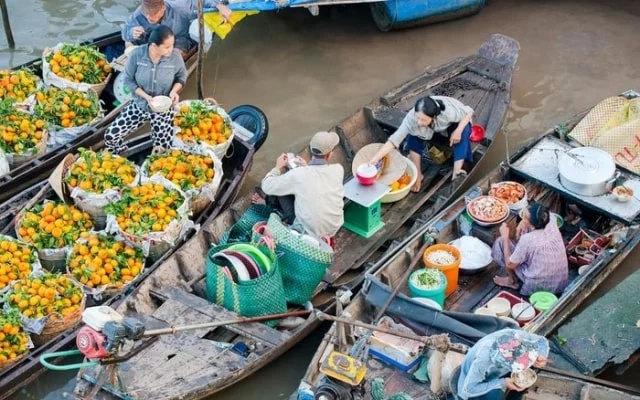
Smaller and far quieter than Cai Rang, Phong Dien offers a more intimate glimpse into daily river life. The canals here feel narrower, the boats more modest, and the interactions more personal.
Early mornings at the Mekong Delta floating markets are especially atmospheric, with soft mist hovering above the water while local traders move slowly between boats loaded with vegetables, flowers, and household goods. Unlike larger markets dominated by tourism, Phong Dien still feels deeply local.
- Best for: Authentic encounters and peaceful early morning exploration.
Nga Nam: The Dynamic Crossroads of the Five Rivers
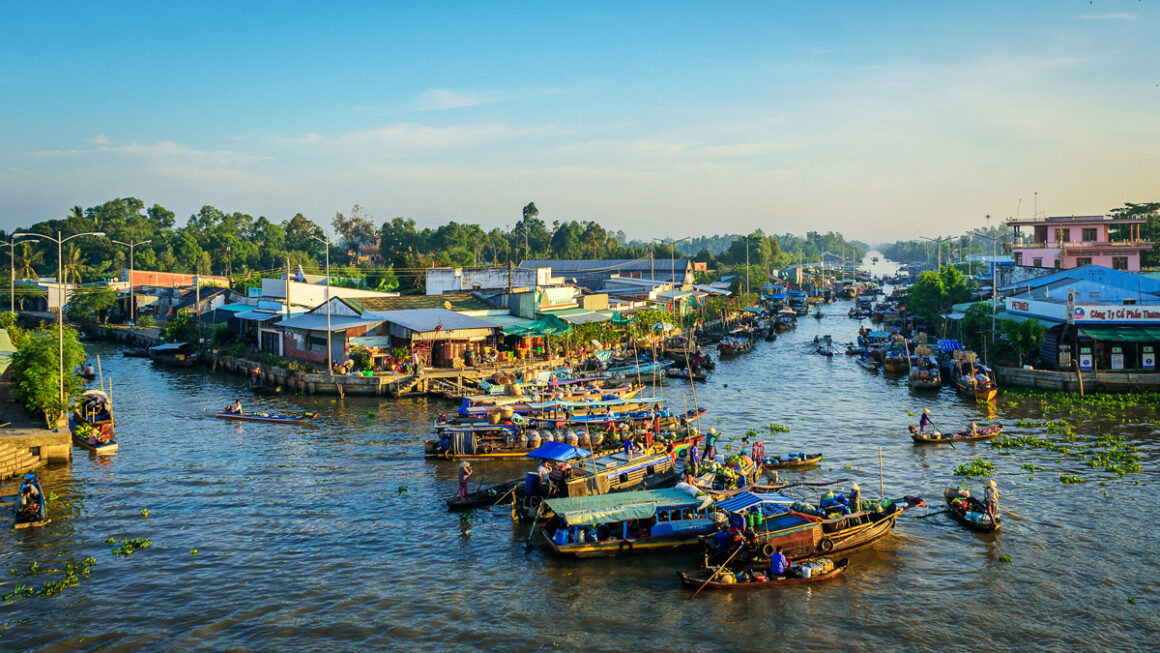
Far from the main tourist trail, Nga Nam sits at the intersection of five rivers, creating one of the Mekong Delta floating markets' most dynamic trading crossroads.
The journey here feels more adventurous, but that is part of its appeal. Traders arrive from multiple provinces bringing regional fruits, seafood, and agricultural products, creating a constantly shifting marketplace shaped by the river itself. Because fewer international visitors make it this far south, the experience feels raw and refreshingly untouched.
- Best for: Travellers seeking lesser-known and genuinely local experiences.
Cai Be: Slow Rhythms and Riverside Orchards
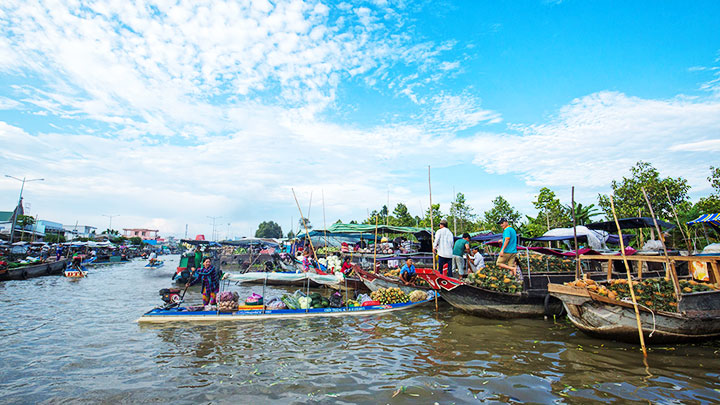
Once one of the delta’s busiest markets, Cai Be has evolved into a quieter but deeply atmospheric destination. The surrounding waterways are lined with fruit gardens, traditional workshops, and small villages where daily life still revolves around the river. Visitors can explore coconut candy factories, rice paper makers, and riverside homes while drifting through narrow canals shaded by water palms.
- Best for: Slow travel, cultural immersion, and overnight delta experiences.
The Changing Tide of Mekong Delta Floating Markets
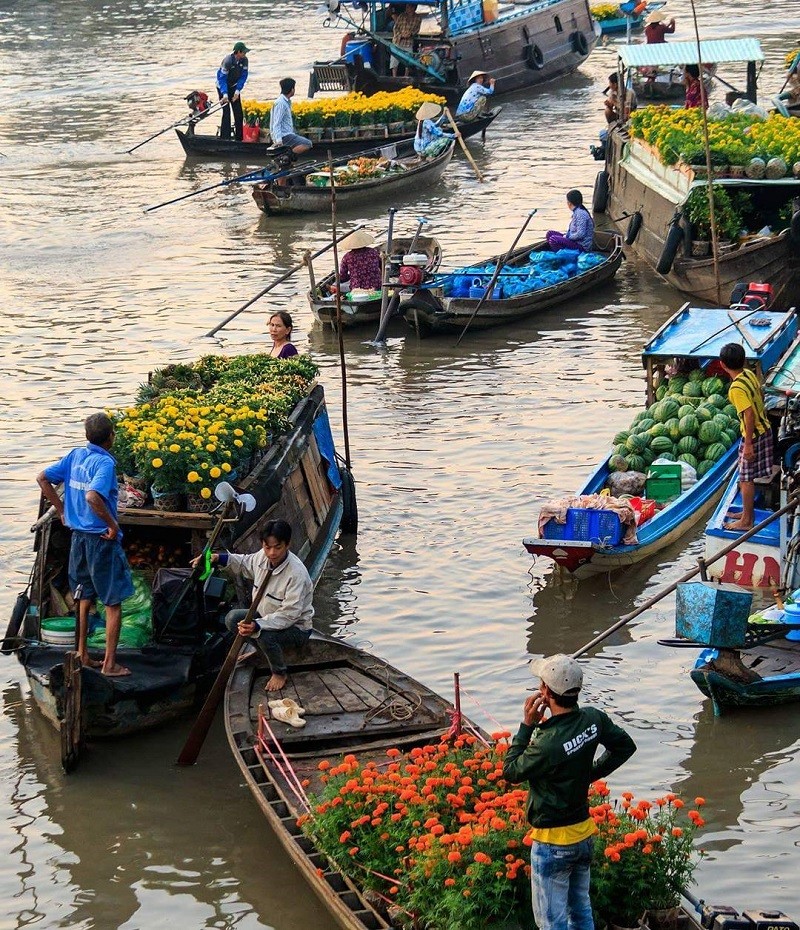
What many travellers do not realise is that these Mekong Delta floating markets are gradually changing. Improved roads and logistics networks mean more goods now move by truck rather than boat, while climate pressures continue reshaping life across the delta.
That is why responsible tourism matters here more than ever. Choosing locally operated tours, staying in family-run home stays, and supporting community-based experiences helps sustain livelihoods deeply connected to the river.
If you’re looking to experience these waterways firsthand with the same local perspective I’ve shared, you can find my recommended boat tours and itineraries: here.
Conclusion
In conclusion, the Mekong Delta floating markets remain a testament to Vietnam’s enduring river culture. Whether you choose the vibrant energy of Cai Rang or the quiet authenticity of Nga Nam, these markets offer a perspective on life that is both humbling and beautiful. My best advice is simple: wake early, move slowly, and stay curious. Because in the Mekong Delta, the most memorable moments are rarely planned they drift past quietly with the morning tide.
Join our outdoor community! Follow our Facebook Page and join our ExoTrails Community Group to connect with fellow explorers and stay updated on the latest trails!