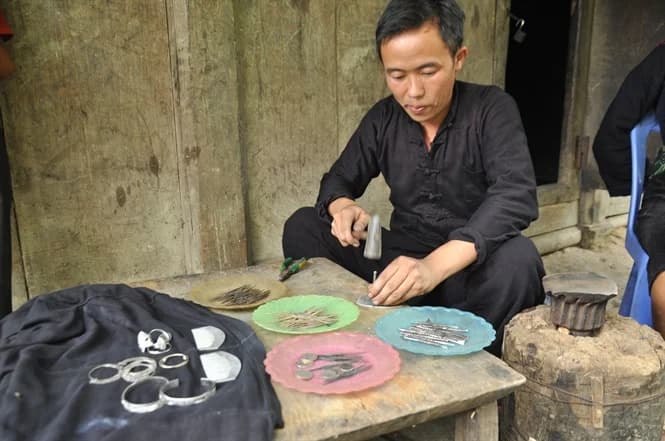


While many travellers visit the Central Highlands to hear the resonance of the gongs, I prefer to take the most intrepid explorers to the deep borderlands of Quảng Bình. Here, hidden within the limestone folds of the Kẻ Bàng forest, lies Ka Lô, a village of the Ma Lieng ethnic group Vietnam. This is a community that exists in a quiet dialogue with the mountain spirits, where the most precious "village" assets aren't kept in houses, but are hidden within the caves and the roots of the jungle.
Read more interesting posts here:
The Sacred Traditions of the Ma Lieng Ethnic Group Vietnam
The Ma Lieng ethnic group Vietnam are among our most mysterious communities, having only moved toward permanent settlement in the last few decades. For the global reader, Ka Lô represents a rare glimpse into a culture that views the forest not as a resource, but as a living relative.
The most unique tradition here involves their sacred gongs. Unlike other highland groups who display their instruments with pride, the Ma Liêng traditionally "buried" or hid their gongs in secret limestone caves during times of peace. They believe the earth recharges the spirit of the metal. As your guide, I will tell you the stories of the "Gong Seekers" elders of the Ma Lieng ethnic group who can navigate the trackless forest to retrieve these instruments only when the village needs to communicate with the ancestors.
Sustainable Architecture: The "Flying Houses" of Ka Lo
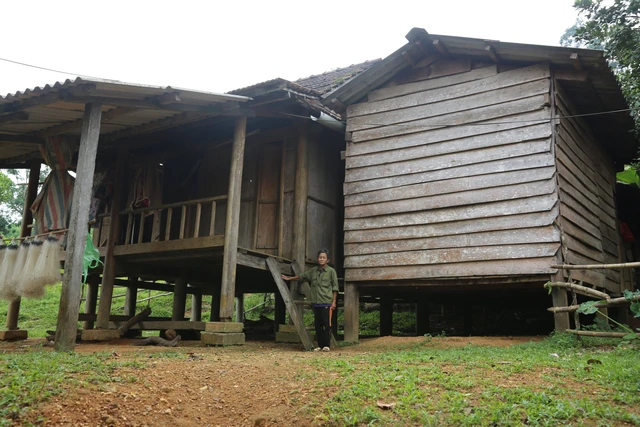
In Ka Lô, the traditional architecture is designed to "tread lightly" on the earth. The Ma Lieng ethnic group Vietnam stilt houses are famously minimalist, constructed with a flexibility that allows them to sway with the mountain winds rather than resist them.
The wisdom here is one of impermanence and respect. They use no nails, relying instead on complex knots of forest vines. If a family moves, the house is often dismantled and returned to the forest floor, leaving almost no trace of human presence. In 2026, the "disappearing architecture" of the Ma Lieng ethnic group offers a profound, humble lesson in sustainable living.
The Language of the K’ni and Ancient Foraging Wisdom
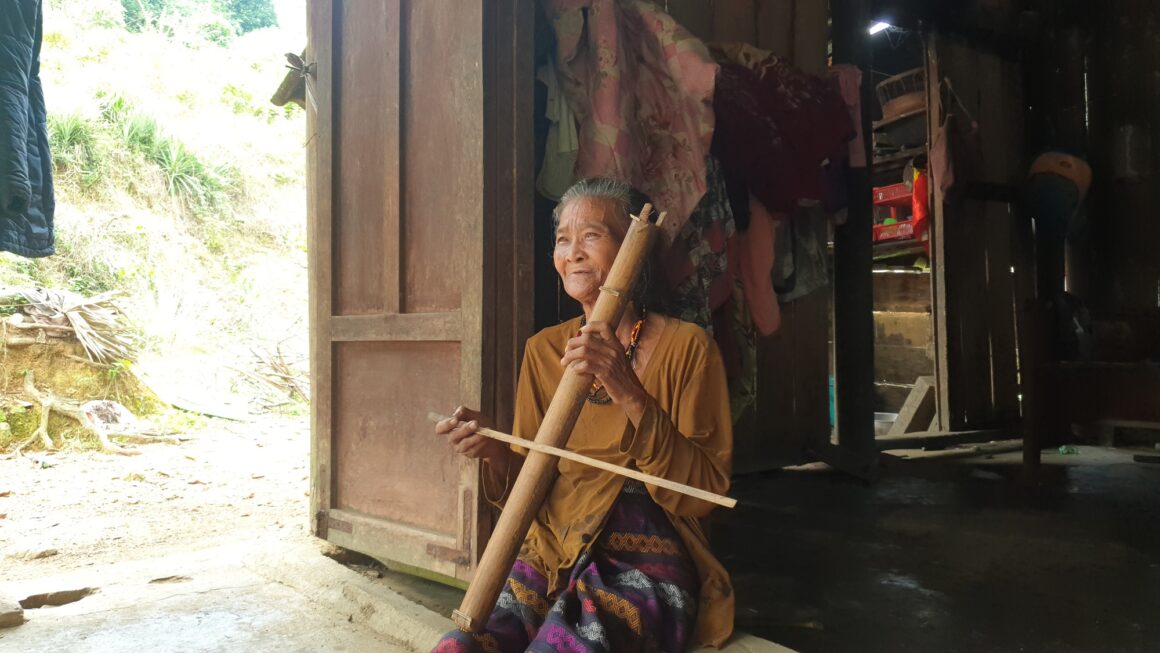
If you listen closely as the sun dips below the karst peaks, you will hear the haunting, vocal-like cry of the K’ni, a single-stringed fiddle. What makes this instrument "super-niche" is the way it is played: the musician holds a small piece of the string in their mouth, using their oral cavity as a resonator.
The K’ni doesn't just play music; it "speaks" the Ma Liêng language. A master player can mimic the tones of human speech so accurately that they can tell entire legends or send messages to loved ones across the village without uttering a single word.
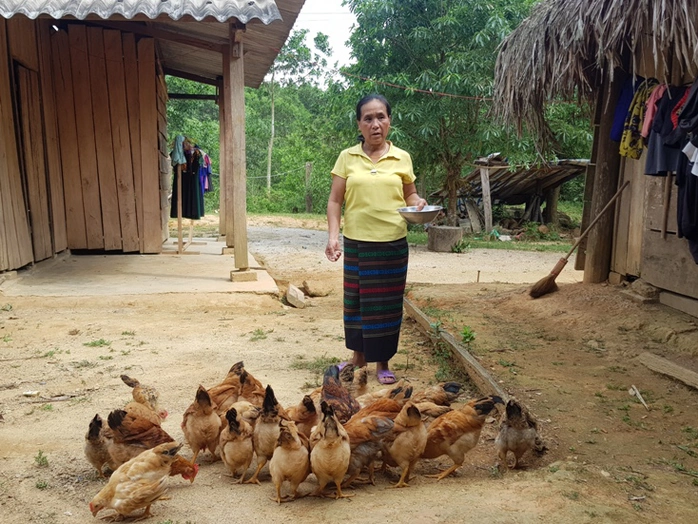
The Ma Lieng ethnic group Vietnam are also the ultimate masters of forest survival. Their wisdom is simple: never take more than the forest offers today. They are the silent guardians of some of Vietnam’s most biodiverse territory, and their presence ensures that the balance between man and mountain remains undisturbed.
Ready to step into the green heart of the borderlands and meet these silent guardians? Explore our handpicked cultural expeditions and book your journey to Vietnam today: Gongs Show (Cong Chieng Show) Half Day Tour
Conclusion
The Ma Lieng ethnic group Vietnam remains one of the most enigmatic and resilient cultures in the country. From their "flying" sustainable houses to the haunting speech of the K'ni fiddle, every aspect of life in Ka Lo is a testament to human harmony with nature. By visiting this silent side of Vietnam, you gain a perspective on sustainability and heritage that stays with you long after the forest mist clears.
5. FAQ
1. Who are the Ma Lieng people?
The Ma Lieng are a small sub-group of the Chut people, primarily living in the border areas of Quang Binh and Ha Tinh provinces.
2. Where is the best place to learn about the Ma Lieng ethnic group Vietnam?
Ka Lo village in Quang Binh province is one of the most authentic locations to experience their unique culture, architecture, and forest-dwelling traditions.
3. What is unique about Ma Lieng music?
They use a single-stringed fiddle called the K'ni, which the player resonates using their mouth to mimic human speech and tell ancient stories.
4. Why do the Ma Lieng hide their gongs in caves?
It is a traditional belief that hiding gongs in limestone caves during peacetime allows the earth to recharge the instruments' spiritual power.
5. Is Ka Lo village accessible to tourists?
Yes, but it is extremely remote. It requires an intrepid spirit and ideally a local guide who understands the cultural protocols of the Ma Lieng ethnic group Vietnam.
Ready to share your mindful journeys and connect with fellow explorers? Follow our Facebook Page and join our ExoTrails Community Group to connect with fellow explorers and stay updated on the latest trails!