

In the remote riverside villages of Northwest Vietnam, the handmade bamboo water wheels Vietnam is known for locally called “cối nước”, continue to spin endlessly, showcasing an incredible feat of engineering and tradition. These ancient water wheels, older than many iconic European machines, have stood the test of time and remain vital to the agricultural practices of local communities. As an expert in sustainable practices, I am excited to explore the significance of these water wheels and their role in sustaining rural livelihoods.
Read more interesting posts here:
- Ancient Vietnam History: Remarkable Echoes of the Past You Shouldn’t Ignore
- Digital Campfires for Travelers: Inspiring Ways BaseCamps Are Transforming Modern Communities
- Exploring the Diversity of Vietnam Climate Zones: From Tropical Palms to Misty Peaks
Why the design of bamboo water wheels Vietnam is a testament to ingenious engineering
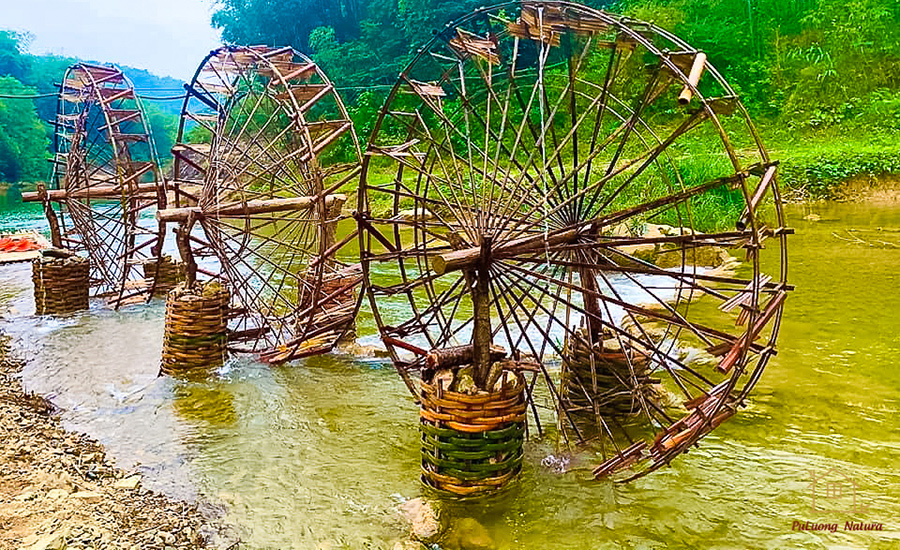
The design of these bamboo water wheels Vietnam locals have used for centuries is a marvel of simplicity and efficiency. Constructed entirely from locally sourced bamboo, these structures harness the power of flowing water to lift it for irrigation purposes. Farmers have ingeniously fashioned these wheels to leverage the kinetic energy of the river, converting its flow into a sustainable source of water for their crops.
Each wheel is typically about two meters in diameter, with a series of buckets attached around its circumference. As the wheel turns, these buckets dip into the river, filling with water and then releasing it into irrigation channels or fields when they reach the top. The bamboo water wheels Vietnam features in its mountainous landscapes illustrate how traditional knowledge and innovative engineering can coexist harmoniously with nature.
How bamboo water wheels Vietnam serve as an agricultural lifeline for remote villages
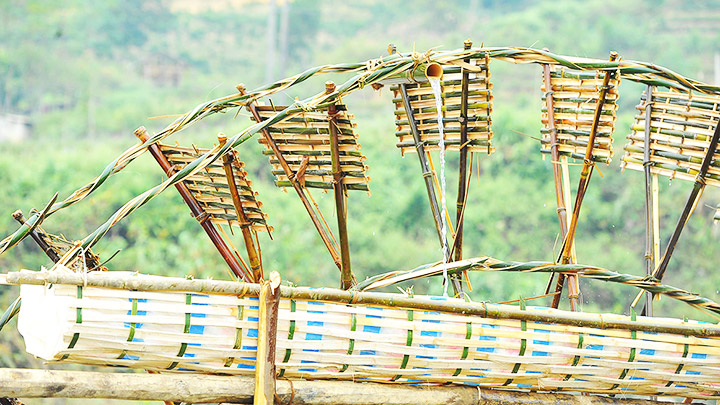
For many rural communities in the Northwest, these water wheels are not just tools; they are lifelines. The region's mountainous terrain can make access to freshwater sources challenging, especially during the dry season. The bamboo water wheels Vietnam farmers rely on enable them to efficiently irrigate their rice paddies and vegetable gardens, ensuring a reliable supply of water regardless of climatic conditions.
In areas where modern irrigation systems may not be feasible, the bamboo water wheel remains an effective solution. By utilizing this age-old technology, farmers can maximize their crop yields while minimizing reliance on expensive machinery or external resources. This sustainability reflects a deep respect for the land and a commitment to traditional farming practices.
The role of bamboo water wheels Vietnam in preserving local cultural heritage
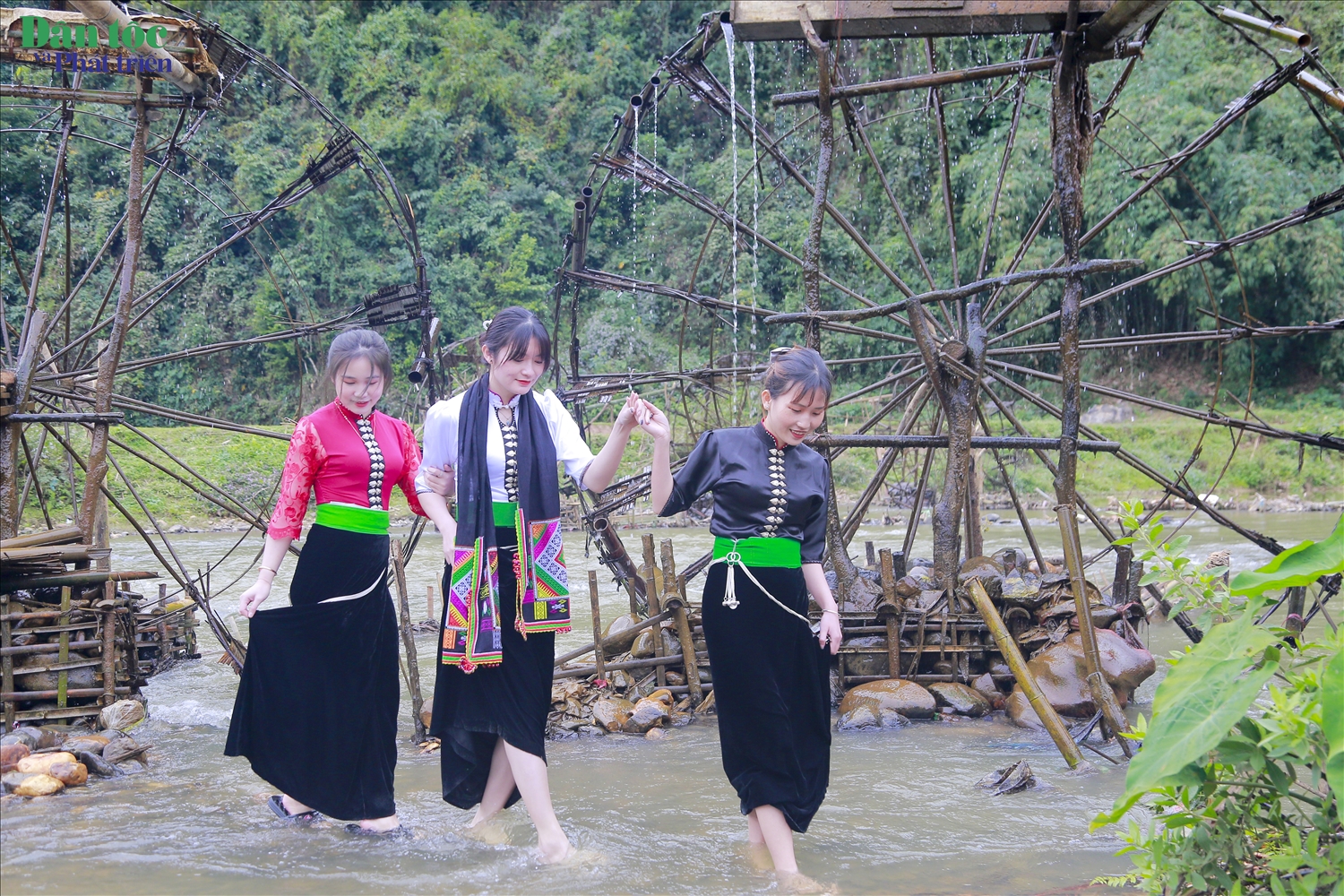
The ancient water wheels are deeply ingrained in the cultural fabric of the communities that rely on them. They are more than just functional tools; they represent the ingenuity and resourcefulness of past generations. The craftsmanship involved in constructing these wheels is a testament to local artisans’ skills, often passed down through families over many years.
Visiting the sites where these water wheels operate offers a unique insight into the rich agricultural traditions of Northwest Vietnam. Travelers can witness the collaboration between technology and nature, observing how farmers work in harmony with their environment. Seeing the bamboo water wheels Vietnam has kept in operation promotes cultural exchange and awareness, encouraging appreciation for the rural heritage of the region.
Supporting eco-friendly farming through bamboo water wheels Vietnam
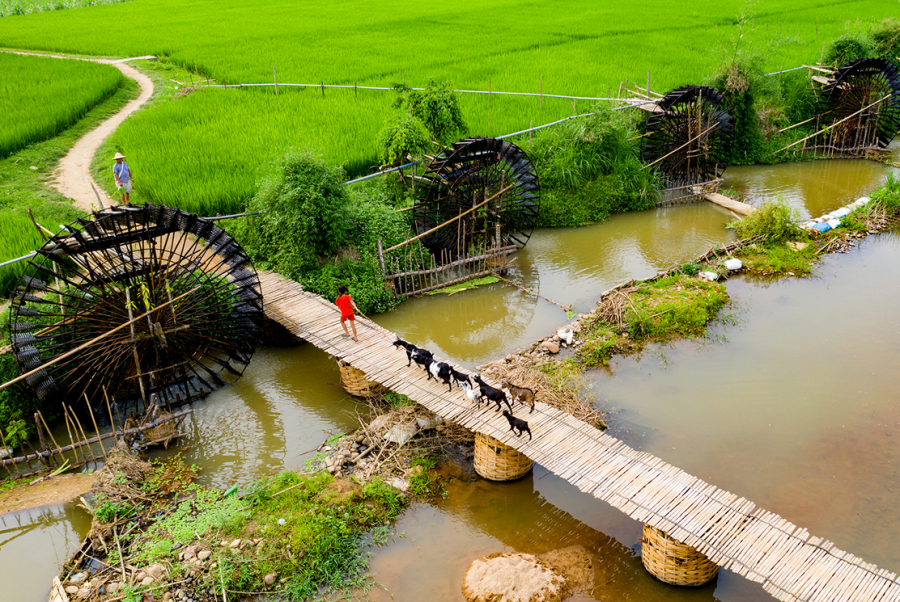
In an era increasingly focused on sustainable agriculture, the bamboo water wheels Vietnam utilizes stand out as an eco-friendly irrigation solution. The absence of electricity or fossil fuels means that these contraptions operate without any environmental impact, making them an exemplary model of sustainable farming practices.
Moreover, the use of locally sourced materials for construction supports community economies and reduces transportation-related emissions. By maintaining these traditional methods, communities can promote biodiversity, enhance soil health, and protect local ecosystems while ensuring food security.
Conclusion
The ancient bamboo water wheels Vietnam features in its northern highlands are a remarkable testament to innovative engineering and sustainable agricultural practices. As these wheels continue to turn along the rivers of Ha Giang and Lao Cai, they symbolize a deep-rooted connection between the land, its people, and their agricultural heritage. For both farmers and travelers alike, these water wheels offer a glimpse into a way of life that harmonizes tradition and the environment. By preserving and celebrating these enduring marvels, we honor the wisdom of the past while building a more sustainable future for global agriculture.
Ready to explore the authentic heart of Vietnam's landscapes? Follow our Facebook Page and join our ExoTrails Community Group to connect with fellow explorers and stay updated on the latest trails!
FAQs
What are the bamboo water wheels in Vietnam called locally?
They are known as "cối nước" and are traditional wooden and bamboo structures used primarily by ethnic minority groups like the Thai and Tay.
How do bamboo water wheels Vietnam help farmers?
These wheels automatically lift water from low-lying rivers to higher irrigation channels using only kinetic energy, allowing for consistent crop irrigation without electricity.
Where can I see bamboo water wheels Vietnam in action?
The best places to see them are in the riverside valleys of Northwest Vietnam, particularly in provinces like Lao Cai, Yen Bai, and Ha Giang.
Are bamboo water wheels Vietnam environmentally friendly?
Yes, they are 100% eco-friendly as they are made from biodegradable materials and require zero fossil fuels to operate.
How long do these bamboo water wheels typically last?
Due to the durable nature of treated bamboo and constant water exposure, a well-built wheel can last for several years before needing structural repairs.