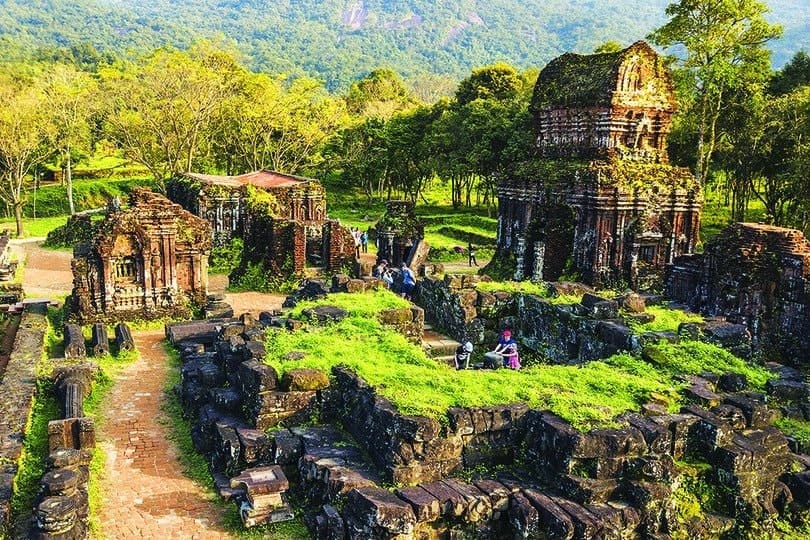

In the heart of Vietnam’s central coast lies a legacy that whispers stories of an ancient civilization, the Cham people. Once a formidable maritime power, the Cham civilization flourished from the 2nd century until the 15th century, leaving behind monumental sandstone towers, intricate carvings, and a network of ancient Cham trails that traverse a landscape woven with history. Today, these paths invite travelers to journey into a forgotten epic, where every step echoes with the richness of a bygone era.
Read more interesting posts here:
- Ancient Vietnam History: Remarkable Echoes of the Past You Shouldn’t Ignore
- Where Jungle Meets Sea: The Ultimate Guide to Coastal Trekking Vietnam
- Smart Adventure: Essential Outdoor Safety Tips Vietnam for Every Explorer
Discovering the My Son Sanctuary along the ancient Cham trails
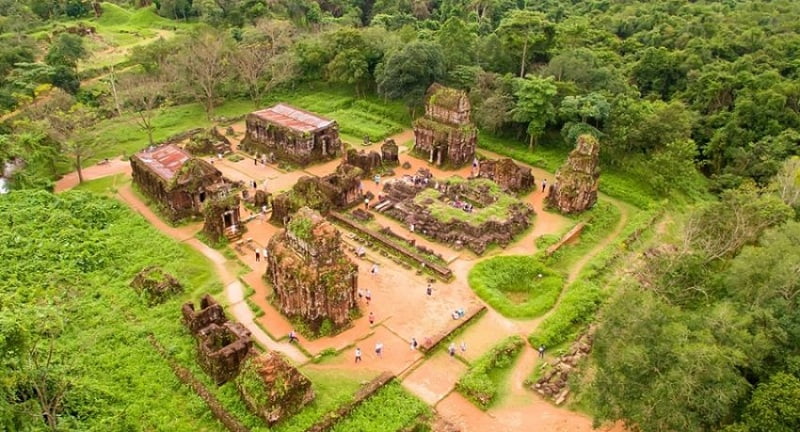
The ancient Cham trails stretch across coastal regions from Phan Thiết to Hội An, leading intrepid explorers through lush jungles, golden beaches, and remarkable remnants of Cham architecture. Perhaps the most iconic site is the My Son Sanctuary, a UNESCO World Heritage site nestled in a lush valley. My Son served as the spiritual capital of the Champa Kingdom, and the paths leading to its temples dedicated to Hindu deities are among the most significant ancient Cham trails in the country.
Walking through My Son, visitors are greeted by towering red brick structures adorned with intricate stone carvings, holding tales of gods, battles, and rituals. As you wander among the ruins, it feels as if time has stopped; the sounds of desert winds and rustling leaves create a symphony that brings these forgotten stories back to life.
Exploring the architectural wonders of the ancient Cham trails
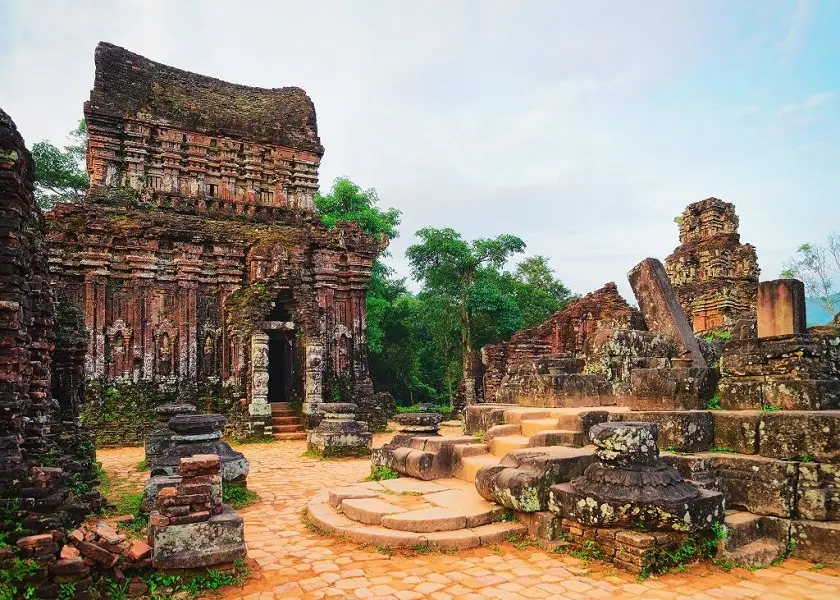
The Cham civilization was renowned for its stunning sandstone towers, many of which are scattered along the coastal region. Tower complexes like the Po Nagar Cham Towers in Nha Trang or the Thap Doi Twin Towers in Phan Rang remain enduring symbols of Cham heritage. Each structure, with its unique architectural style, tells a different chapter of Cham history, reflecting influences from both Indian and indigenous traditions.
The artistry of the carvings and the sophisticated layout of these ruins offer intriguing insights into the Cham’s belief systems and societal organization. Tourists walking these ancient Cham trails are often amazed by the fine details in the carvings, floral motifs, animal representations, and depictions of religious ceremonies, all crafted with extraordinary skill. This intricate artistry creates a dialogue between the past and present, allowing visitors to connect with the cultural legacy of the Cham.
Witnessing the natural scenery surrounding the ancient Cham trails
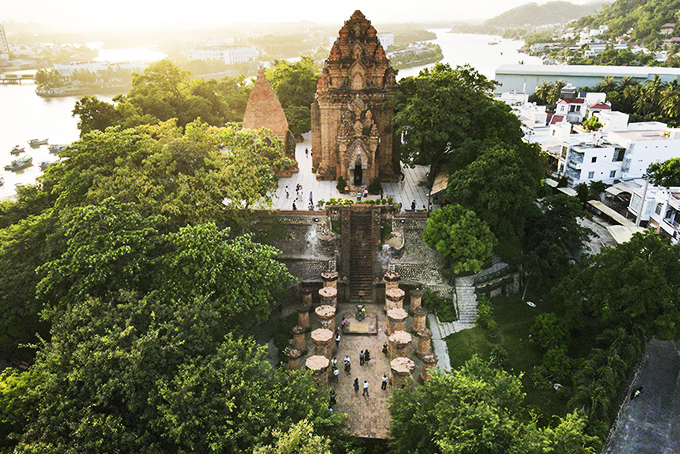
The trails connecting these historical sites are as captivating as the monuments themselves. Hiking through the verdant landscape along the ancient Cham trails, you’ll encounter coastal dunes, rice paddies, and dense forests that encapsulate the natural beauty of Vietnam. The stark contrast between the ancient stone structures and the vibrant surroundings underscores the enduring bond between nature and culture.
As you traverse these paths, you may also catch glimpses of local life, fishermen casting their nets at dawn, farmers tending to their fields, and children playing along the riversides. These interactions enrich your experience, grounding you in the present while simultaneously connecting you to the echoes of a rich civilization that once thrived here.
Preserving the cultural legacy of the Cham trails
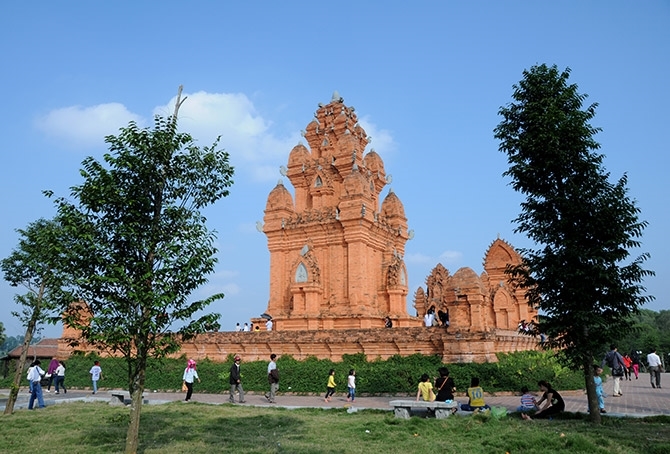
In recent years, there has been a growing interest in Cham culture and heritage, both within Vietnam and internationally. Festivals celebrating Cham culture, such as the Kate Festival, draw visitors eager to learn about traditional music and dance. These events often take place near the ancient Cham trails, showcasing the resilience of the Cham identity and inviting travelers to partake in a vibrant cultural revival.
Moreover, ecotourism initiatives aimed at highlighting the natural and cultural significance of the ancient Cham trails are on the rise. These sustainable projects, supported by platforms like ExoTrails, emphasize conservation and cultural awareness, encouraging visitors to appreciate the unique intersection of history, nature, and local communities.
Conclusion
Walking the ancient Cham trails is far more than a simple hike; it is a profound immersion into a maritime empire that shaped the destiny of Central Vietnam. As you navigate these paths, the sandstone ruins and jungle-clad valleys offer a silent yet powerful narrative of resilience and artistry. By exploring these trails with respect and curiosity, we help keep the spirit of the Cham civilization alive for future generations. Whether you are a history buff or a nature lover, the journey through these ancient landscapes provides a transformative experience that connects the modern traveler to Vietnam's epic past.
Ready to uncover the secrets of the central coast? Follow our Facebook Page and join our ExoTrails Community Group to connect with fellow explorers and stay updated on the latest trails!
FAQs
Where are the ancient Cham trails located?
Most of these trails are found along the central coast of Vietnam, stretching from the ruins of My Son near Hoi An down to the towers in Phan Rang and Nha Trang.
What is the best time of year to visit the ancient Cham trails?
The ideal time is during the dry season, from February to August, when the weather is clear and the paths are easiest to navigate.
Are the ancient Cham trails suitable for beginner hikers?
Yes, many paths around the tower complexes are quite accessible, though some sections connecting remote ruins may require a moderate level of fitness and a local guide.
Can I visit My Son Sanctuary as part of an ancient Cham trails tour?
Absolutely, My Son is the most famous stop on any Cham-focused itinerary and is well-connected to various hiking and cultural routes.