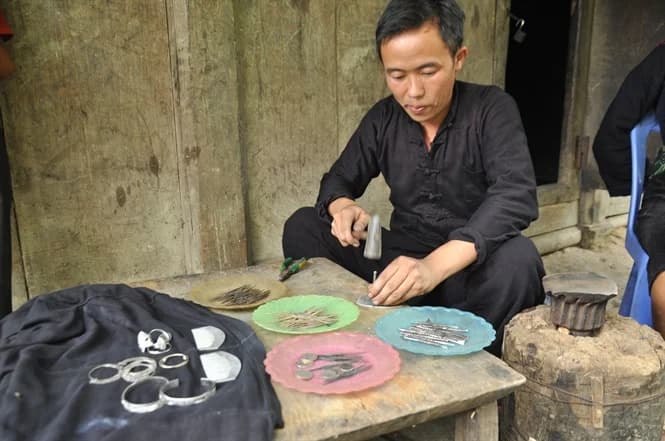


Tết Nguyên Đán (Lunar New Year) is not merely a holiday in Vietnam; it is the spiritual and social reset of the entire nation. For a full week, the country pauses its dynamic hustle, engaging in profound rituals of family reunion, ancestor worship, and the hope for prosperity. For a traveler, experiencing the quiet intensity of preparation for Tet Holiday Vietnam, followed by the silent, meaningful celebration, offers the deepest possible insight into the Vietnamese soul.
Read more interesting posts here:
- Banh Chung: The Symbolic Vietnamese Rice Cake of Tết
- Banh Tet: The Iconic Vietnamese Sticky Rice Cake of Tet
- A Guide to 20+ Unique Festivals in Vietnam (Beyond Tết)
The Frenzy of Preparation: Before the Pause
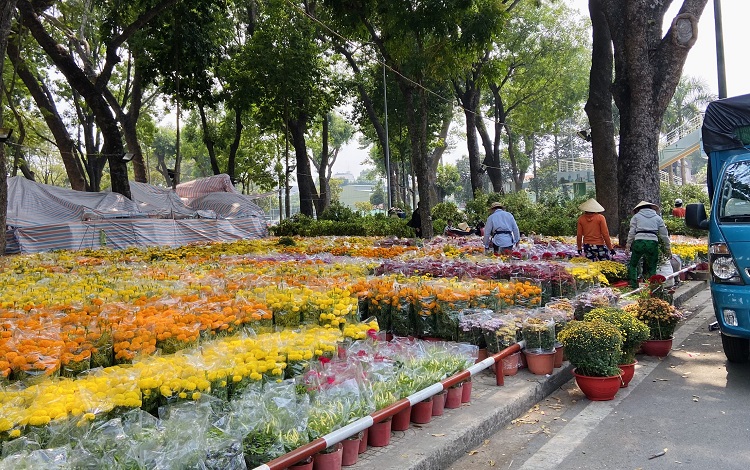
The two weeks leading up to Tet Holiday Vietnam are characterized by a palpable, urgent energy as millions prepare to welcome the new year with a completely clean slate.
- The Táo Quân Ceremony: The official start of the Tết preparation period is the 23rd day of the 12th lunar month, when families celebrate Táo Quân (the Kitchen Gods). According to tradition, these three deities ride a carp (which transforms into a dragon) to Heaven to report on the family's conduct over the past year. Families offer sacrifices to ensure the Gods give a favorable report, emphasizing the importance of domestic harmony and integrity.
- The Great Migration & Flower Markets: The subsequent period sees the mass migration from major cities back to family homes. Simultaneously, markets fill with Peach Blossoms (hoa đào) in the North and Ochna Blossoms (hoa mai) in the South—both symbolizing luck. Public transportation often sees ticket prices double or triple as people head home for the Tet Holiday Vietnam.
- Cleaning and Debt: Every household engages in meticulous cleaning to sweep away old bad luck. Crucially, all debts are ideally settled before the New Year to avoid carrying financial burdens into the cycle of prosperity.
Core rituals and family traditions during Tet Holiday Vietnam
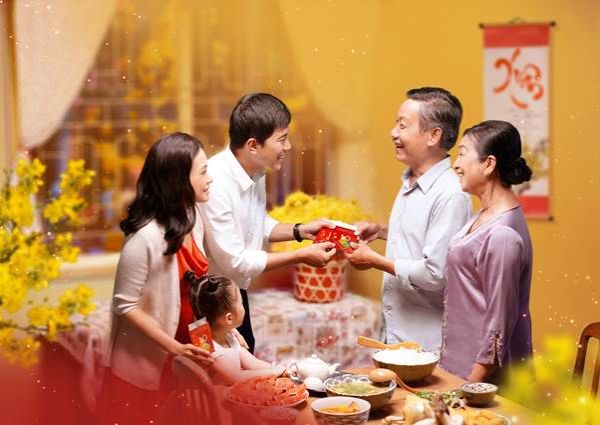
When the clock strikes midnight on New Year's Eve, the chaos ceases, and a profound, quiet reverence takes over. The three to five main days of Tet Holiday Vietnam are devoted entirely to family and tradition.
- Ancestral Worship: The heart of Tết is ancestor veneration. Family altars are elaborately prepared, and the traditional feast, centered around the Bánh Chưng or Bánh Tét (sticky rice cakes symbolizing the Earth), is offered to deceased relatives first, inviting them home for the celebration.
- New Year's Wishes and Lì Xì: Family members, especially children, wear new clothes and offer formalized, respectful New Year's wishes to their elders and hosts. This is immediately followed by the Lì Xì (lucky money) tradition, where elders gift crisp banknotes in red envelopes to children and unmarried adults, symbolizing the transfer of luck, health, and prosperity for the year ahead. A token amount for a child usually ranges from $1 to $5 USD.
- The First Footer (xông đất): This is arguably the most important tradition. The first person to enter a home in the New Year is believed to dictate the family's fortune for the next 12 months. This is usually planned in advance, and a person whose sign is deemed lucky for the coming year is chosen to step in first.
Taboos, The Quiet City, and Price Fluctuations
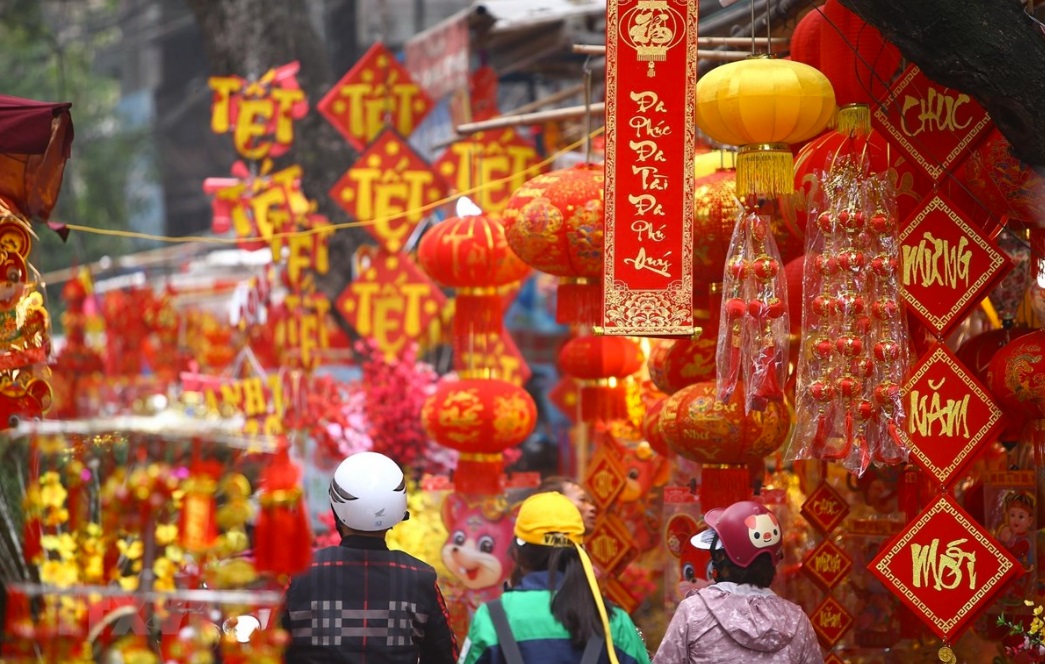
To ensure good fortune, Tết is strictly governed by taboos, reflecting the seriousness of the 'reset' period.
- The Taboos: During the first few days, there are many rules: sweeping the house is forbidden (as it is believed to sweep away wealth), arguing or cursing is strictly avoided, and anything symbolizing bad luck (like wearing white or black clothes, or discussing death) is avoided to guarantee a clean start for the Tet Holiday Vietnam.
- The Silence and Surcharges: Cities like Hanoi and HCMC become eerily quiet, providing a unique opportunity to explore traffic-free historical areas. However, almost all businesses close for several days. Essential services that remain open often apply a 20% to 50% "Tết surcharge" on all prices, including food and lodging, reflecting the high premium paid for staff working during the holiday.
Tết is a collective exhale and a renewal, emphasizing community, family, and tradition over commerce. It is, unequivocally, the most culturally significant week in the Vietnamese calendar.
Conclusion
The Tet Holiday Vietnam is a window into the country’s ancient heritage and its modern aspirations. It is a time where the physical world slows down so that the spiritual and familial worlds can take center stage. For those visiting during this time, it is an unparalleled opportunity to witness the resilience and warmth of Vietnamese culture, provided you embrace the slower pace and the unique traditions that define this beautiful "reset" of the soul.
Ready to explore more of Vietnam? Join our vibrant community on Facebook to share your trekking stories and tips, and don't forget to like the ExoTrails fanpage for the latest updates and exclusive offers!
FAQs
What is the most traditional food eaten during Tet Holiday Vietnam?
The most iconic dish is Bánh Chưng (square sticky rice cake) in the North and Bánh Tét (cylindrical cake) in the South, both filled with mung beans and pork. These cakes symbolize the Earth and are essential offerings on the ancestral altar.
Can tourists still find food and services during the Tet Holiday Vietnam?
While many local shops close, major hotels and some restaurants in tourist areas remain open, though they often apply a surcharge. It is highly recommended to book your transportation and accommodation well in advance as the country travels en masse.
Is it considered rude to visit a Vietnamese home during Tet without an invitation?
Yes, it is best to wait for an invitation because of the "First Footer" (xông đất) tradition, as families are very careful about who enters their home first. Once invited, bringing a small gift or red envelopes for children is a wonderful gesture of respect.