Table of Contents Show
In the heart of Southeast Asia lies Vietnam, a nation rich in history and culture, where the ancient wisdom of herbal medicine is experiencing a remarkable revival. As the world increasingly turns its gaze toward holistic wellness, indigenous plant medicine Vietnam is emerging as a treasure chest of botanical remedies and practices.
From soothing Dao Red herbal baths to the revered wild forest ginseng known as Sâm Ngọc Linh, the country’s plant-based healing traditions are not only capturing the interest of local communities but are also gaining global recognition for their potential health benefits.
Read more interesting posts here:
- Windswept Wonders: The Best Scenic Drives in Vietnam for Coastal Thrills
- The River Kingdom: Uncovering the Best Vietnam River Tours You Haven’t Heard Of
- Seasons of the Soul: Creating the Perfect Vietnam Travel Itinerary 4 Seasons
The cultural roots of indigenous plant medicine Vietnam
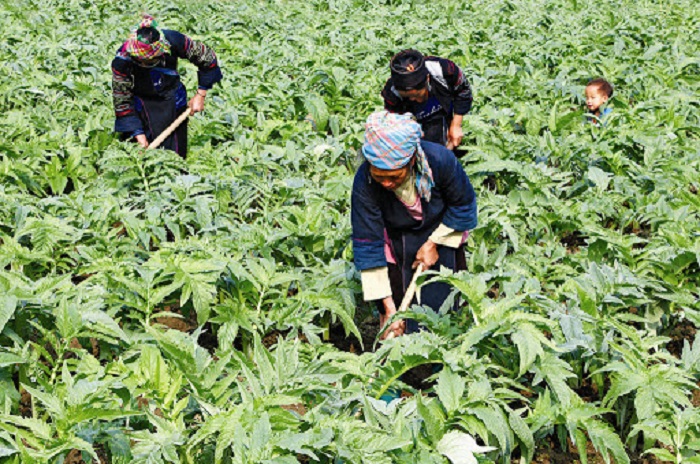
Vietnam’s relationship with plant medicine dates back thousands of years, rooted deeply in the traditions of its ethnic minority groups. These communities have cultivated an intricate understanding of their local flora, harnessing the healing properties of indigenous plant medicine Vietnam to address a myriad of health issues. This ancient knowledge combines seamlessly with contemporary wellness practices, presenting a holistic approach to health that resonates with a growing audience seeking natural alternatives.
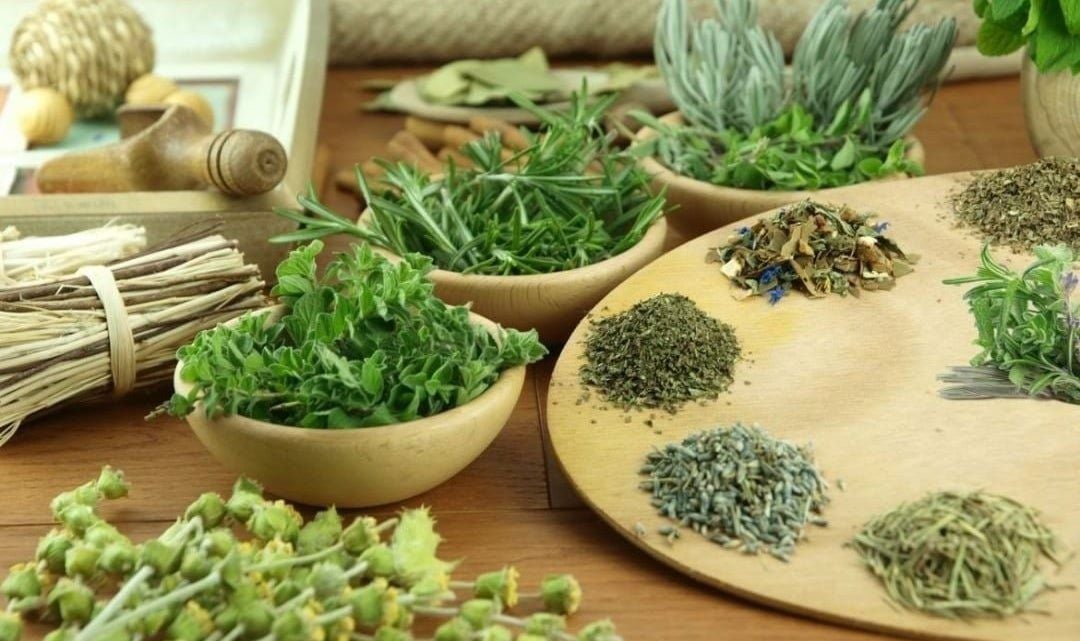
Dao Red herbal baths, for instance, are a traditional practice among the Dao ethnic minority. These baths incorporate a potent mix of medicinal herbs, including red leaves, which are believed to have detoxifying and rejuvenating properties. As the warm, fragrant water envelops the body, it not only washes away fatigue but also offers spiritual and physical renewal. This ancient ritual draws wellness seekers eager to experience the rejuvenating effects of nature’s pharmacy.
Sâm Ngọc Linh: a prized gem of indigenous plant medicine Vietnam
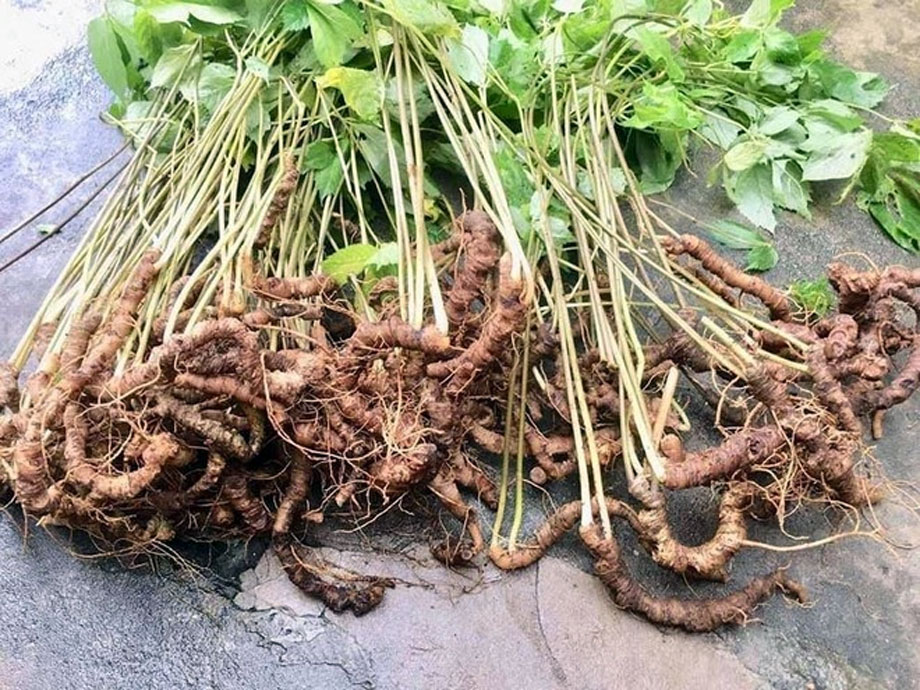
Among the most prized botanical assets within the realm of indigenous plant medicine Vietnam is Sâm Ngọc Linh (Ngọc Linh ginseng), a rare and highly sought-after variety of ginseng that thrives in the misty highlands of Kon Tum Province. Known as the “king of herbs,” Ngọc Linh ginseng is celebrated for its strengthening and rejuvenating qualities. It is believed to enhance physical endurance, boost the immune system, and improve mental clarity.
What distinguishes Ngọc Linh ginseng from its counterparts is not merely its rarity but the cultural heritage embedded in its cultivation. Farmers of the local Ba Na and Xo Dang tribes meticulously harvest this ginseng, often referring to it as “sâm phụ nữ” or “the women’s ginseng,” due to its perceived benefits for female health. The traditional practices surrounding its growth and harvest reflect a deep respect for nature and a commitment to preserving ecological balance.
The modern renaissance of indigenous plant
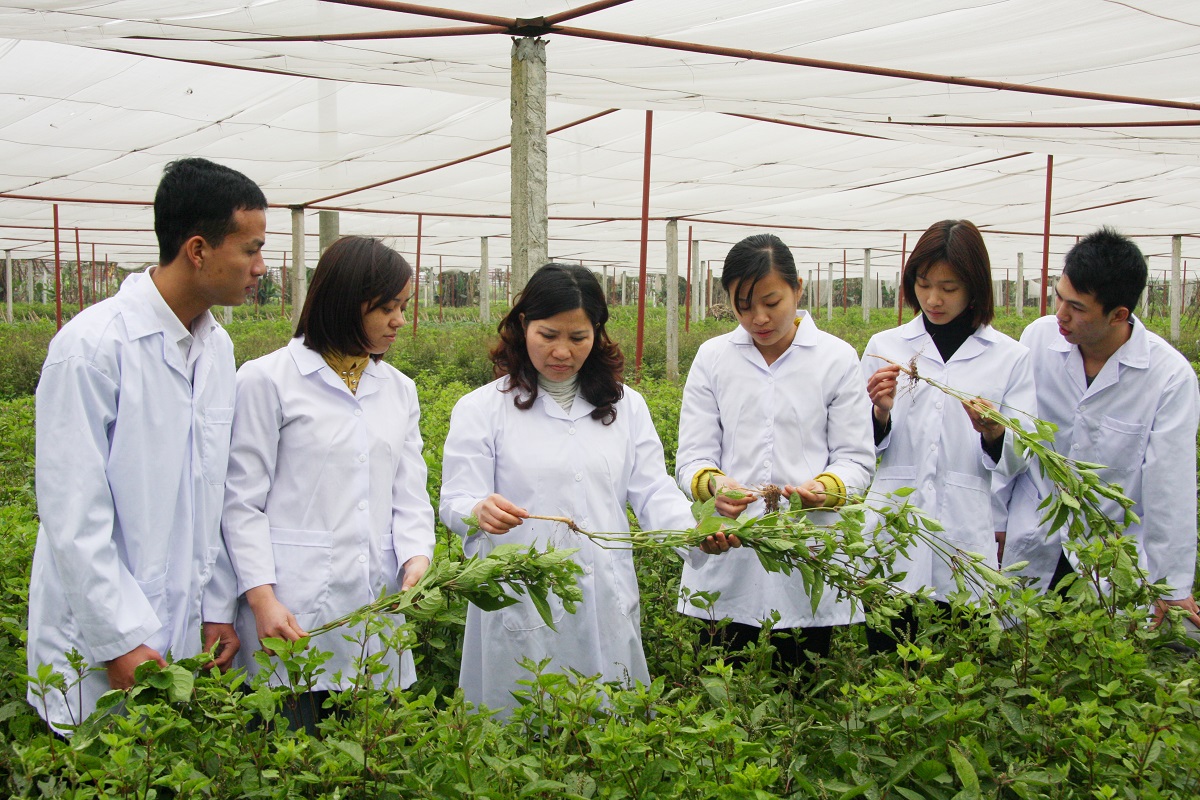
In recent years, there has been a growing interest in the revival of indigenous plant medicine Vietnam among urban populations and holistic health enthusiasts. This resurgence is accompanied by an increasing number of wellness retreats and herbal clinics that offer treatments steeped in tradition. These facilities integrate age-old practices with modern scientific research to validate the benefits of Vietnam’s indigenous plants.
Researchers and herbalists are collaborating to study the efficacy of these plants, ensuring that the medicinal properties are harnessed safely and sustainably. These partnerships aim to conserve biodiversity and promote sustainable harvesting practices, ensuring that Vietnam’s botanical treasures can be enjoyed for generations to come.
Experience a wellness journey through indigenous plant medicine Vietnam
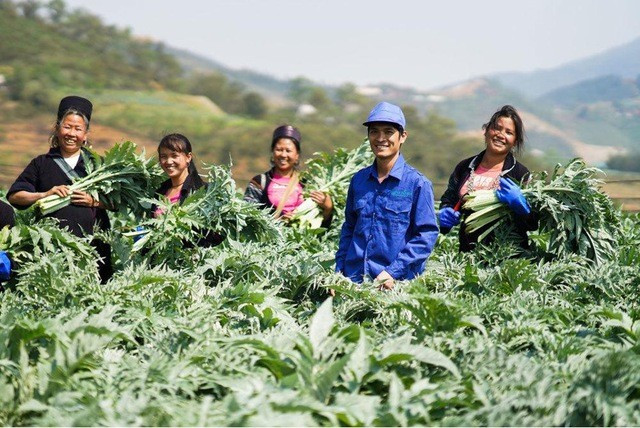
As the world becomes more attuned to the benefits of herbal medicine, the practice of indigenous plant medicine Vietnam stands at the forefront of this botanical renaissance. Wellness explorers are increasingly seeking the authenticity and deep cultural significance of these practices, moving away from synthesized solutions toward natural remedies that honor tradition.
Visitors to Vietnam are presented with the unique opportunity to delve into this rich tapestry of plant medicine. Herbal workshops teach the art of infusion making, while guided forest treks provide hands-on experiences with local flora. The intricate connection between culture, nature, and healing becomes apparent, and travelers leave with more than just souvenirs—they take home a piece of Vietnam’s healthy legacy.
Conclusion
The revival of indigenous plant medicine Vietnam represents a harmonious blend of ancient wisdom and modern healing practices. As Dao Red herbal baths and wild forest ginseng capture the interest of wellness seekers worldwide, Vietnam’s unique cultural heritage offers profound insights into the power of nature to nurture, heal, and restore. With its rich botanical diversity, Vietnam is poised to share its herbal treasures with a global audience, proving that traditional remedies are vital to a holistic understanding of modern wellbeing.
Join our vibrant community on Facebook to share your trekking stories and tips, and don’t forget to like the ExoTrails fanpage for the latest updates and exclusive offers!
FAQs
What is the most famous herb in indigenous plant medicine Vietnam?
Sâm Ngọc Linh (Ngọc Linh ginseng) is considered the most prestigious herb, renowned for its high saponin content and exceptional healing properties. It is often referred to as the “King of Herbs” in Vietnamese traditional medicine.
Where can I experience traditional herbal treatments in Vietnam?
The mountainous regions of Sapa and Ha Giang are famous for Dao Red herbal baths, while various wellness retreats in Central Vietnam offer treatments using locally sourced indigenous plants.
How does Vietnam ensure the sustainability of its medicinal plants?
The Vietnamese government and local communities work together to implement sustainable harvesting methods and conservation programs to protect rare species like Sâm Ngọc Linh from over-exploitation.
Are Vietnamese herbal remedies backed by modern science?
Yes, many modern clinics and researchers in Vietnam are now conducting scientific studies to validate the traditional uses of indigenous plants, blending ancient wisdom with clinical evidence.