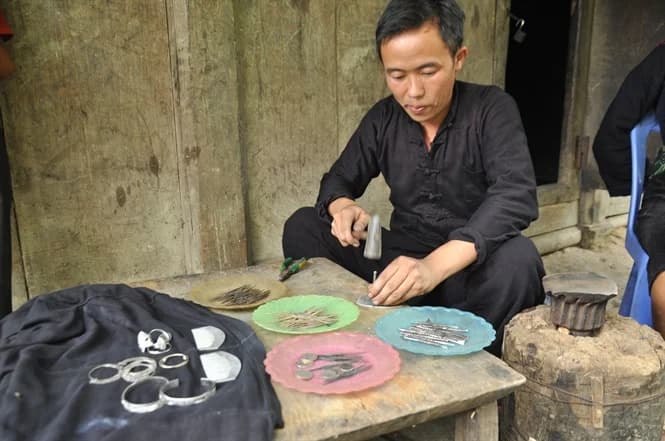
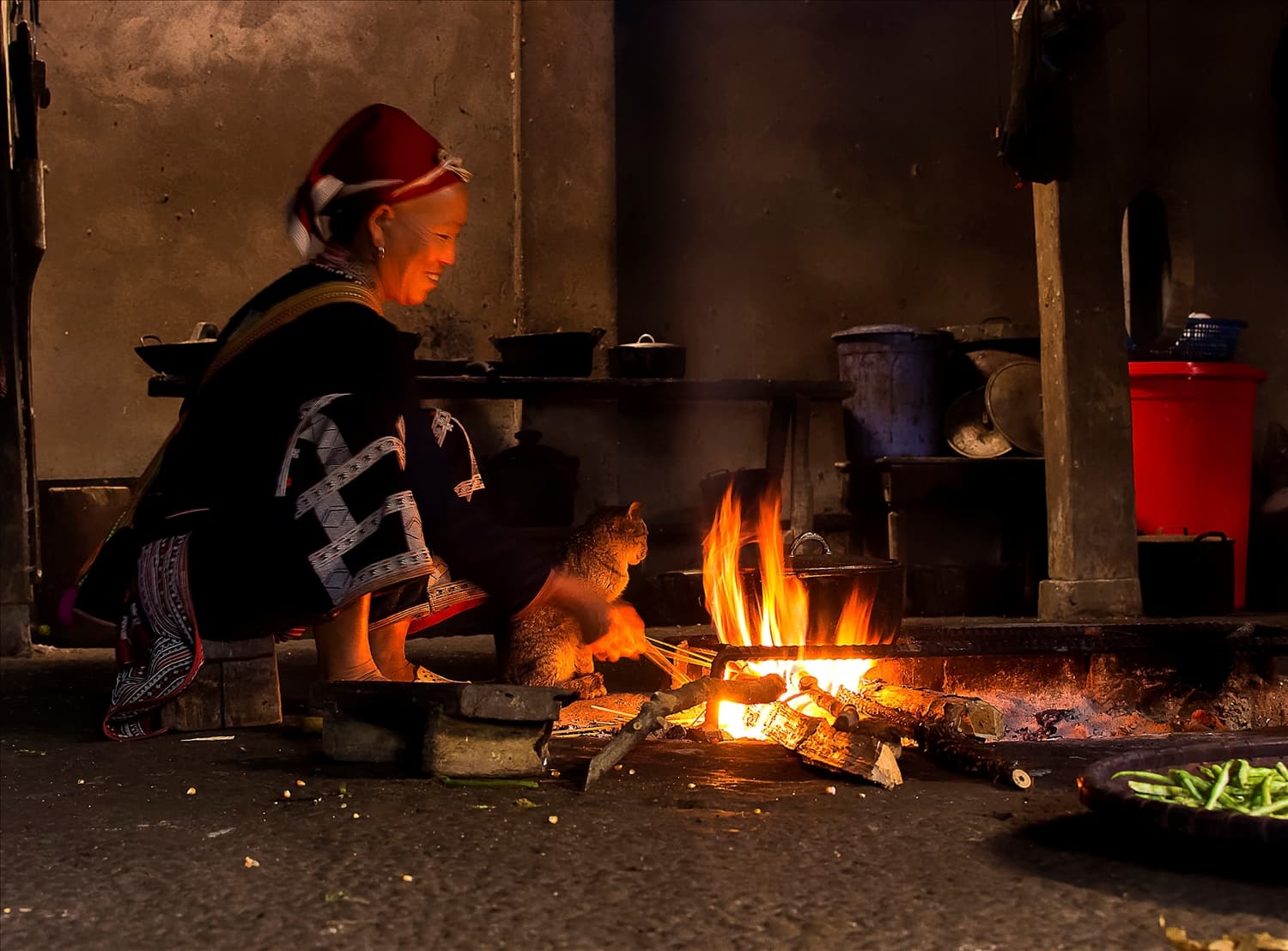

In the lush, remote corners of Vietnam, a remarkable culinary tradition endures—open fire cooking Vietnam, the “open fire kitchens” that have been a staple of rural life for generations. Families in these secluded areas continue to cook over wood-fire hearths, their smoky black houses echoing with the warmth of communal meals and the age-old rituals that define their daily existence. Stepping into these kitchens is akin to traversing back in time, evoking a sense of medieval Europe, but with a uniquely wild and vibrant twist that makes the experience deeply intimate and immersive.
Read more interesting posts here:
- Climbing for Gold: The Ancient Tradition of Honey Hunting Vietnam's Highlands
- Vietnam in Soft Light: Why Dawn and Dusk are the Golden Hour Vietnam Treasure
- The Heart of Vietnam: Understanding the Core Vietnamese People Characteristics
A Taste of Tradition: The Heart of Open Fire Cooking Vietnam
The open fire cooking Vietnam method has been utilized for centuries, relying on locally sourced wood and traditional techniques that bring out the rich flavors of Vietnamese cuisine. This way of cooking not only imbues dishes with a smoky depth but also connects families to the land and its resources. Ingredients often include fresh vegetables from nearby gardens, locally sourced meats, and herbs that flourish in the surrounding environment.
Cooking over open flames evokes a sense of nostalgia and authenticity, and the meals prepared in these kitchens reflect the rich tapestry of regional flavors and communal traditions. Dishes like thịt nướng (grilled meats) and canh (soups) simmer away in pots nestled in the hearth, with the fragrant aromas creating a welcoming atmosphere.
The Role of Traditional Cooking Vessels in Open Fire Cooking Vietnam
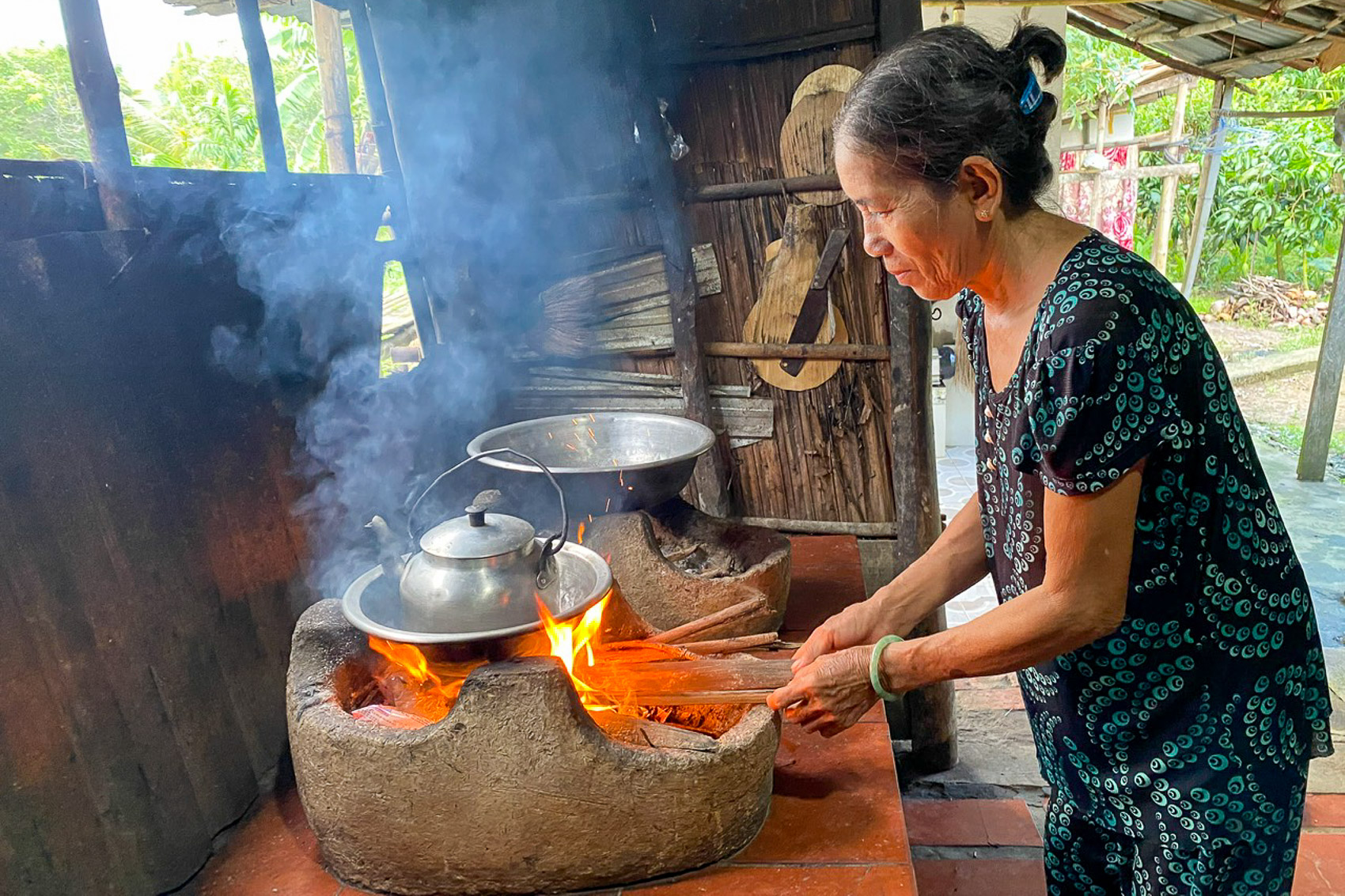
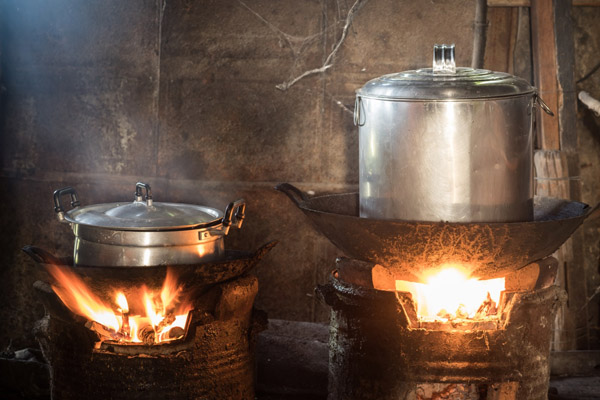
The cooking vessels used in these open fire cooking Vietnam kitchens are just as integral to the culinary experience. Typically crafted from clay, cast iron, or stainless steel, these pots and pans are designed to withstand the intense heat of an open flame. Clay pots, known as nồi đất, impart a unique flavor to dishes, enhancing the natural taste of the ingredients. Their thermal properties allow for slow, even cooking, ideal for soups and stews.
Wok-like pans, often used for stir-frying, are also common, allowing for quick cooking that preserves the freshness of vegetables and meats. The heavy bottoms of these vessels ensure that heat is distributed evenly, preventing food from burning, while the high sides help contain splatters. Using traditional cooking tools also ties families to their heritage, as these vessels are often passed down through generations. The marks and wear on these pots tell stories of countless meals shared and traditions upheld in the warmth of the kitchen.
The Rituals of Cooking
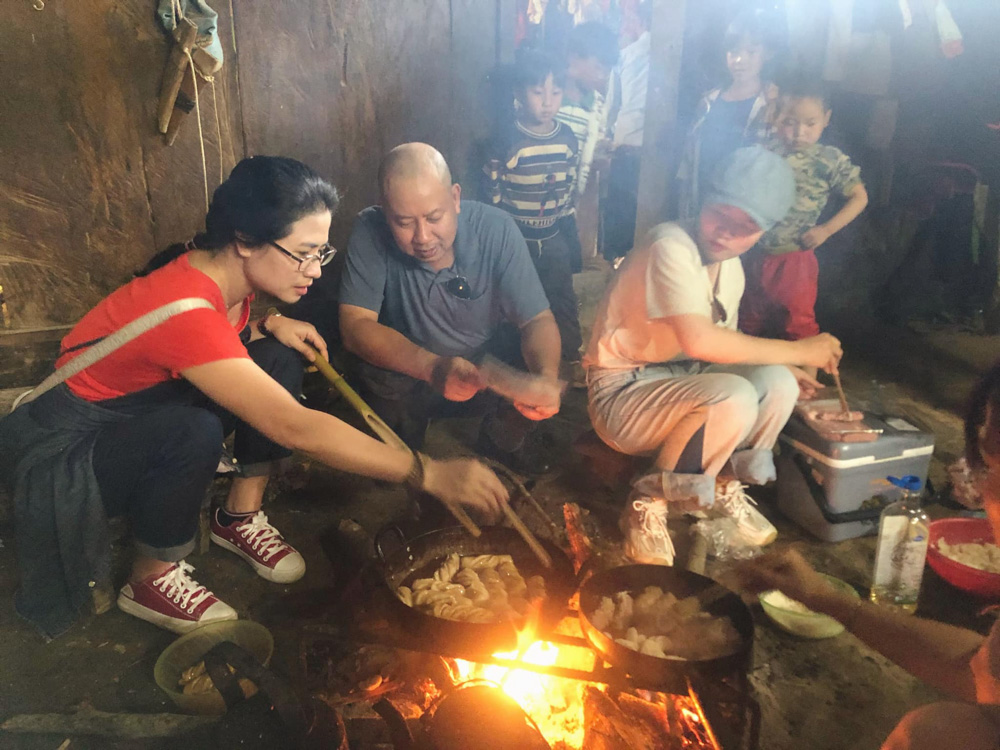
Cooking in an open fire kitchen is more than just preparing food; it’s a communal ritual that strengthens familial bonds and fosters a sense of belonging. Families gather around the hearth, engaging in lively conversations, sharing stories, and passing down culinary wisdom from one generation to the next. This shared experience not only nurtures the body but also nourishes the spirit, creating a deep connection among family members.
As smoke billows and crackles of the fire fill the air in these open fire cooking Vietnam kitchens, the communal aspect of preparing a meal takes center stage. Children learn to chop vegetables, while elders carefully tend to the flames, passing down techniques and traditions that have remained unchanged for centuries. The kitchen becomes a place of education, culture, and love, representing the heartbeat of these remote communities.
Environmental Connections: The Sustainability of Open Fire Cooking Vietnam
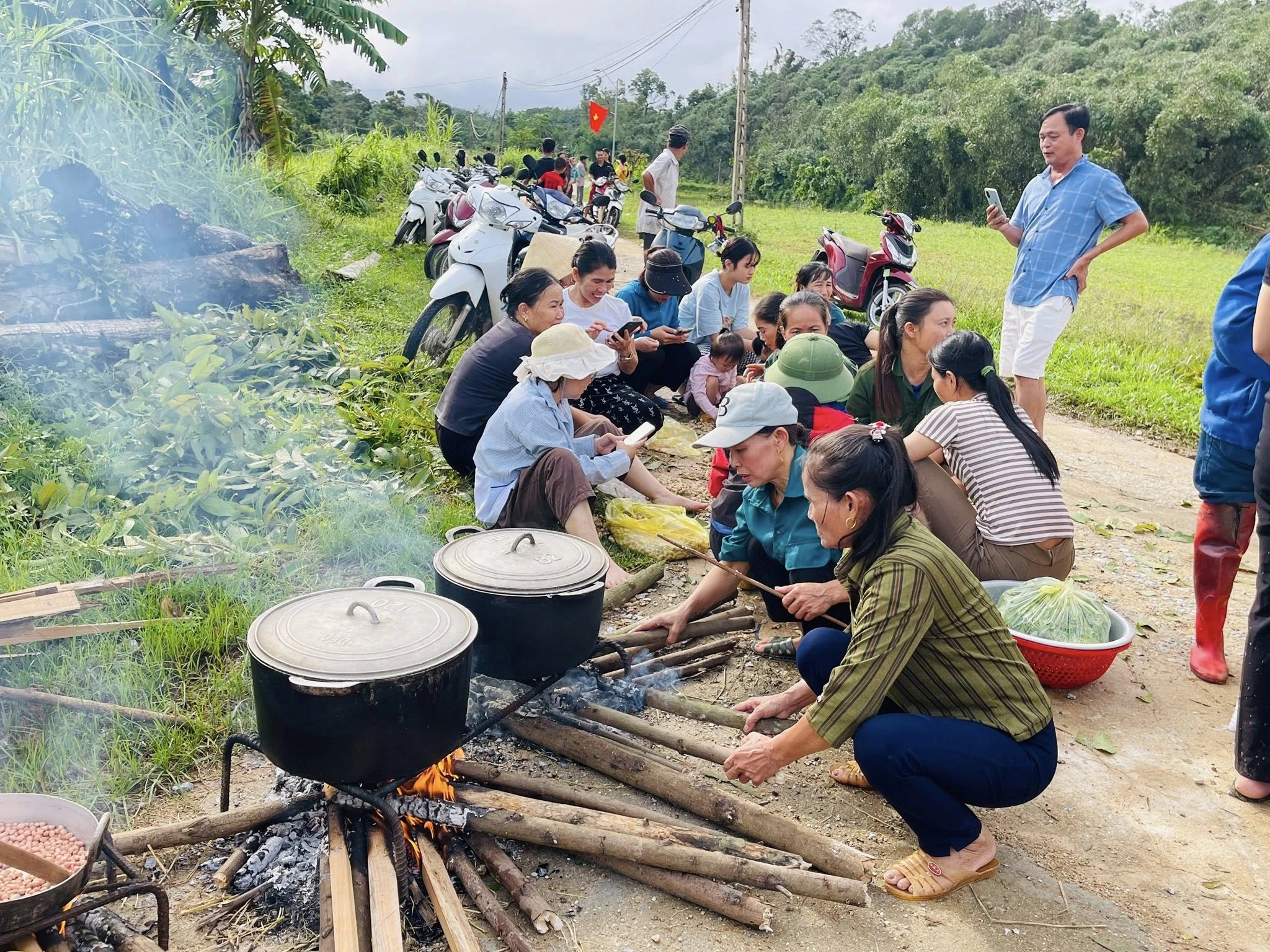
The use of wood-fire hearths is intrinsically tied to the local environment, reflecting a sustainable approach to cooking that has been practiced for centuries. In these areas, families rely on the land’s bounty, cultivating small gardens and foraging for wild ingredients. This deep connection fosters a respect for nature and sustainability, as families understand that their practices directly impact their community and surrounding ecosystems.
Moreover, the open fire cooking Vietnam embraces a slower pace of life, where meals are prepared with care and intention. In contrast to industrial cooking methods, this approach emphasizes the importance of each ingredient, honoring the land and the community that supports it.
Preserving a Vanishing Tradition
As modernization sweeps across Vietnam, these open fire kitchens are slowly disappearing. The hustle and bustle of urban life, along with the convenience of commercial cooking methods, poses a challenge to this ancient culinary tradition. However, efforts are being made to preserve this culture through initiatives promoting sustainable practices and cultural heritage.
Educational programs and community workshops aim to reconnect younger generations with their culinary roots, emphasizing the importance of keeping open fire cooking Vietnam traditions alive. By sharing the stories behind open fire cooking and its significance, these initiatives work to ensure that future generations understand the value of their heritage.
Conclusion
The open fire kitchens of Vietnam represent more than just a method of cooking; they embody a way of life steeped in tradition, community, and sustainability. As families gather around the hearth, sharing meals and stories, they keep alive a rich culinary legacy that reflects their connection to the land and each other. With the use of traditional cooking vessels that enhance the flavors and experiences, stepping into these smoky, welcoming kitchens provides a glimpse into a world that, while reminiscent of a bygone era, remains vibrantly alive in the heart of Vietnam. As we embrace the modern age, it is essential to honor and preserve these last bastions of open fire cooking Vietnam, ensuring that the flavors, rituals, and communal spirit continue to thrive for generations to come.
Ready to share a meal around the hearth? Join our vibrant community on Facebook to share your trekking stories and tips, and don't forget to like the ExoTrails fanpage for the latest updates and exclusive offers!
Frequently Asked Questions (FAQs)
Q: Where can tourists experience open fire cooking Vietnam?
A: This tradition is best experienced at family-run homestays in remote, rural areas and the northern highlands, such as Mai Chau or Pu Luong.
Q: What is the main difference in flavor from open fire cooking Vietnam?
A: The main difference is the smoky, complex depth of flavor imparted by the wood fire, which enhances dishes like grilled meats (thịt nướng) and traditional stews.
Q: What is a nồi đất?
A: A nồi đất is a traditional clay pot used for slow, even cooking over the open fire, prized for the unique flavor and thermal properties it imparts to food.
Q: Is open fire cooking Vietnam a sustainable practice?
A: Yes, in rural communities, it is considered sustainable as it relies on locally sourced, renewable wood and is part of a culture that respects local environmental resources.