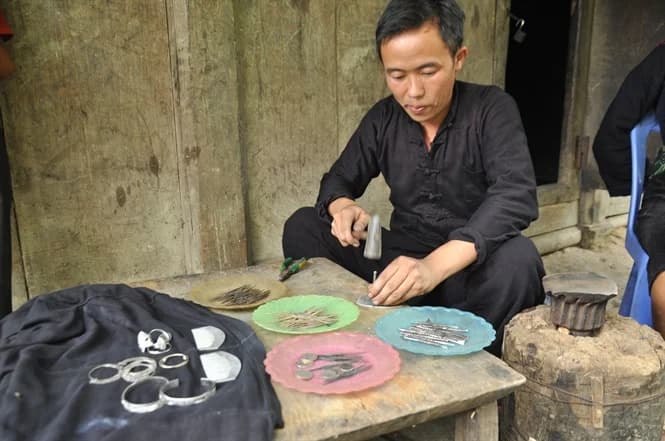


High in the mist-wrapped mountains of northern Vietnam, where the air smells of woodsmoke and rain, ancient traditions still burn brightly. Here, festivals are not just events, they are living expressions of gratitude, faith, and connection to the land. From the harvest blessings of the Tày and Nùng people to the fire dances of the Pà Thẻn, these celebrations offer a rare glimpse into the spiritual heartbeat of Vietnam’s ethnic north — a world that modern life has yet to tame, showcasing the rich Vietnam ethnic festivals.
Read more interesting posts here:
- The Forgotten Kingdoms: Tracing the Enduring Cham Culture in Vietnam
- Vietnam by Taste: Mapping the Diverse Landscape of Regional Vietnamese Cuisine
- Canoes for Two: Uncovering the Best Kayaking Spots Vietnam Offers
Where Ritual Meets Rhythm: The Long Tong of the Vietnam Ethnic Festivals
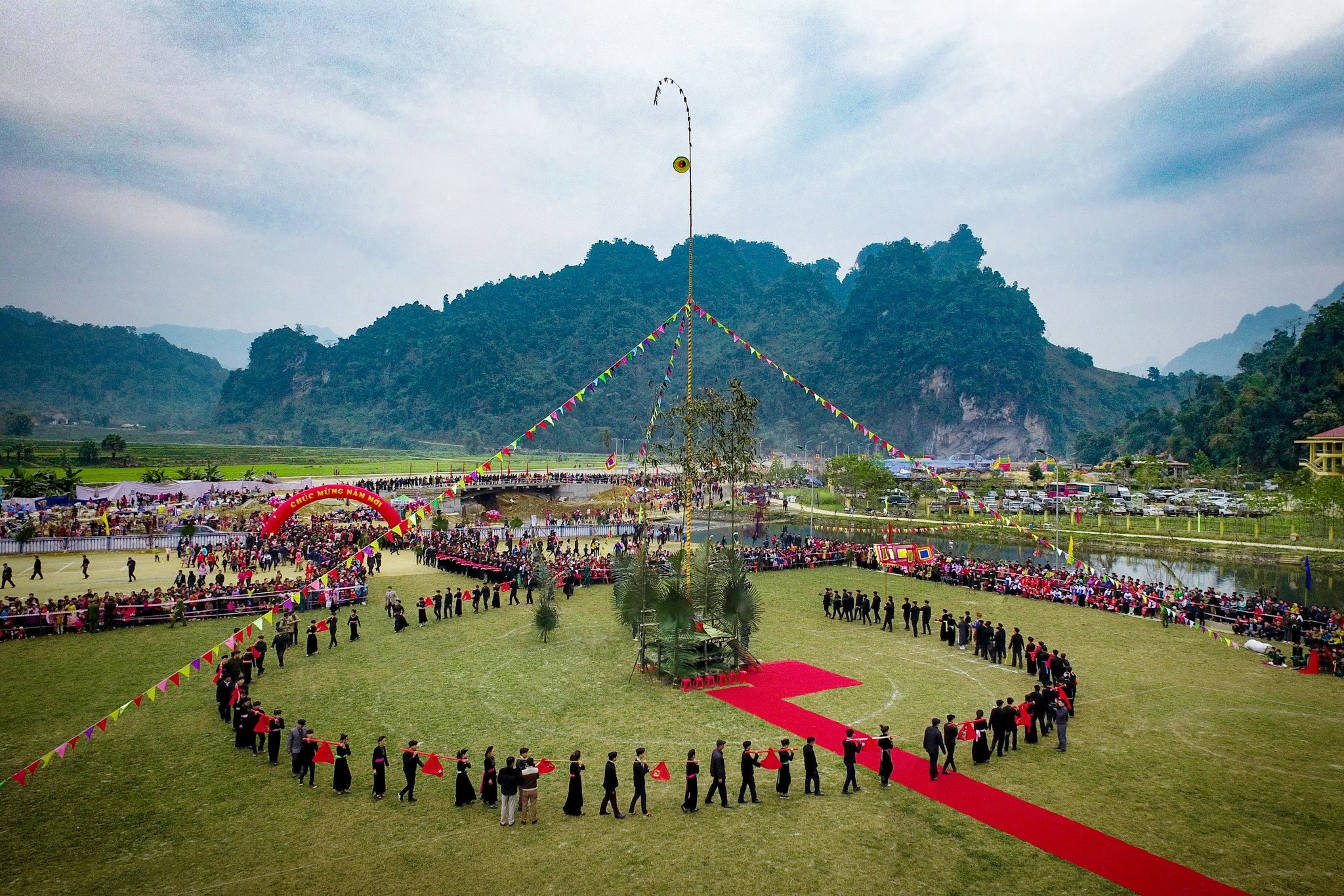
In remote villages of Hà Giang and Cao Bằng, every harvest season begins not with a ceremony of spectacle, but of spirit. The Long Tong Festival, meaning “going down to the field”, is celebrated by the Tày and Nùng communities as a prayer for prosperity and fertile land. It is one of the most important of the Vietnam ethnic festivals.
At dawn, villagers gather by the rice paddies carrying trays of sticky rice, roasted chicken, and rice wine to honor their ancestors. As drums and flutes echo through the valley, elders lead the community in song while young dancers in embroidered indigo costumes perform slow, circular movements that mimic the rhythm of planting and harvesting. It’s more than a celebration, it’s a living connection between people and nature, a reminder that the land provides not just food, but identity.
Dancing with Fire and Spirits: The Pà Thẻn Fire Dance Festival
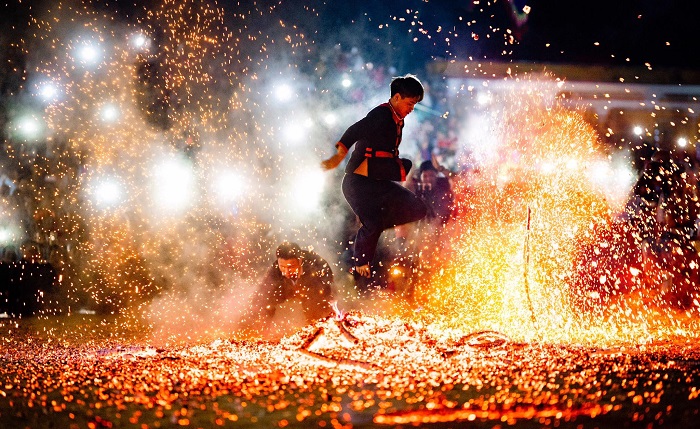
Further west, in the remote highlands of Hà Giang, the Pà Thẻn Fire Dance Festival is a ritual unlike any other. As night falls, a shaman’s chant fills the air, calling on ancestral spirits. Then, in a trance-like state, young men leap barefoot into roaring flames — their faces lit with a wild, almost joyous glow.
Locals believe that through fire, they commune with the divine, burning away misfortune and renewing their strength for the year ahead. Watching the dancers move fearlessly through the blaze is both humbling and awe-inspiring, a powerful reminder that faith can be both tangible and transcendent. This remains one of the most intense Vietnam ethnic festivals.
Songs of the Ancestors: H’Mông New Year Among Vietnam Ethnic Festivals
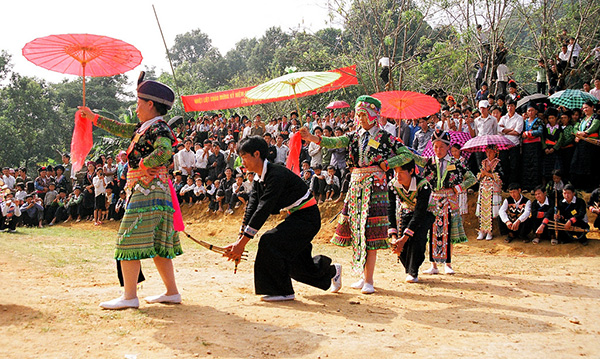
In Y Tý, near the mist-covered peaks of the Lào Cai province, music carries history. During the H’Mông New Year, the air vibrates with the sounds of bamboo flutes, leaf whistles, and laughter. Families gather to share rice wine, tell ancestral stories, and play traditional games that have been passed down through generations.
Travelers lucky enough to join these celebrations are often welcomed like family, sharing meals, trying local dances, and learning the subtle meanings behind every song. It’s here that culture feels alive not in museums, but around the hearth, under a sky thick with stars.
Preserving Vietnam’s Living Heritage
Today, as modern tourism expands, many of these traditions risk being diluted or forgotten. Yet platforms like ExoTrails are working to bridge that gap between travelers and tradition. Through BaseCamp community hub, explorers can discover seasonal Vietnam ethnic festivals, local events, and heritage experiences that remain authentic — connecting responsibly with communities that want to share, not perform, their culture.
By joining these celebrations mindfully, travelers do more than witness — they help preserve. Every visit supports local artisans, guides, and families who carry these ancient customs forward.
The Spirit That Endures
In Vietnam’s northern highlands, faith is not bound to temples or books — it lives in the earth, the drumbeat, the fire. To walk among these mountains during festival season is to glimpse a part of Vietnam that still listens to the whispers of its ancestors.
As one elder from Hà Giang said, smiling into the firelight: “When we dance, we dance with the spirits — and they dance with us.”
Conclusion
The Vietnam ethnic festivals, from the agricultural rituals of the Tày to the profound fire dances of the Pà Thẻn, are the authentic spiritual and cultural heart of the country's northern highlands. These celebrations offer travelers a unique, intimate glimpse into the enduring faith, rich community bonds, and deep connection to the land that define Vietnam's diverse ethnic groups.
Ready to witness these ancient traditions? Join our vibrant community on Facebook to share your trekking stories and tips, and don't forget to like the ExoTrails fanpage for the latest updates and exclusive offers!
Frequently Asked Questions (FAQs)
Q: Which are the most important Vietnam ethnic festivals for the Tày people?
A: The Long Tong Festival (Going Down to the Field) is one of the most important, serving as a prayer for a prosperous harvest and honoring ancestors.
Q: Is the Pà Thẻn Fire Dance Festival safe for tourists to attend?
A: Yes, it is safe to attend and observe respectfully, though the ritual itself is reserved for the Pà Thẻn men who are in a trance-like state and should not be disturbed.
Q: When is the best time to see the major Vietnam ethnic festivals?
A: Many major festivals, especially New Year and harvest rituals, occur between late December and early March, following the lunar calendar.
Q: Are these Vietnam ethnic festivals authentic or performed for tourists?
A: While some are now better known, the most remote festivals remain deeply authentic community and spiritual rituals, emphasizing respect and mindful observation over simple viewing.