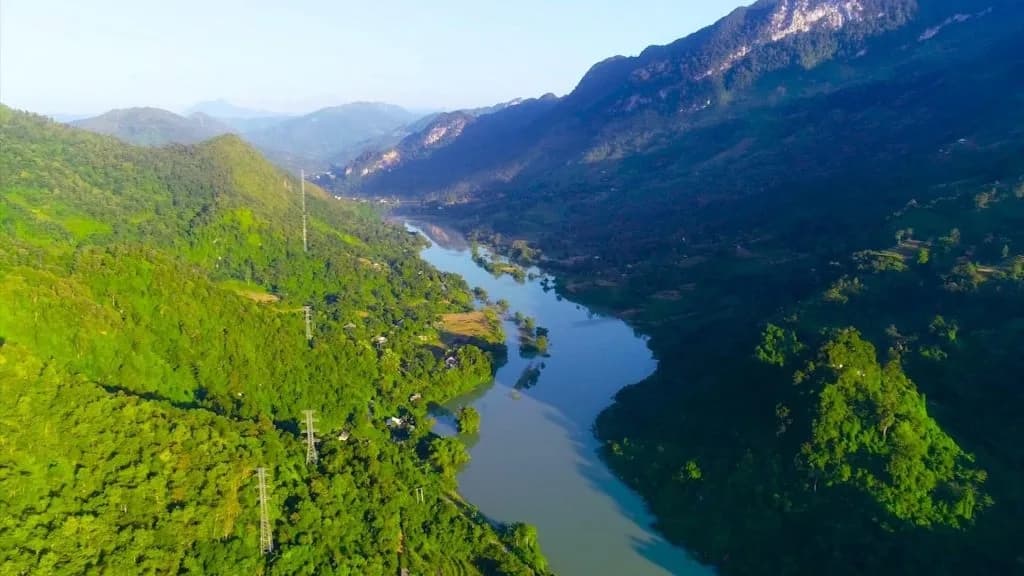
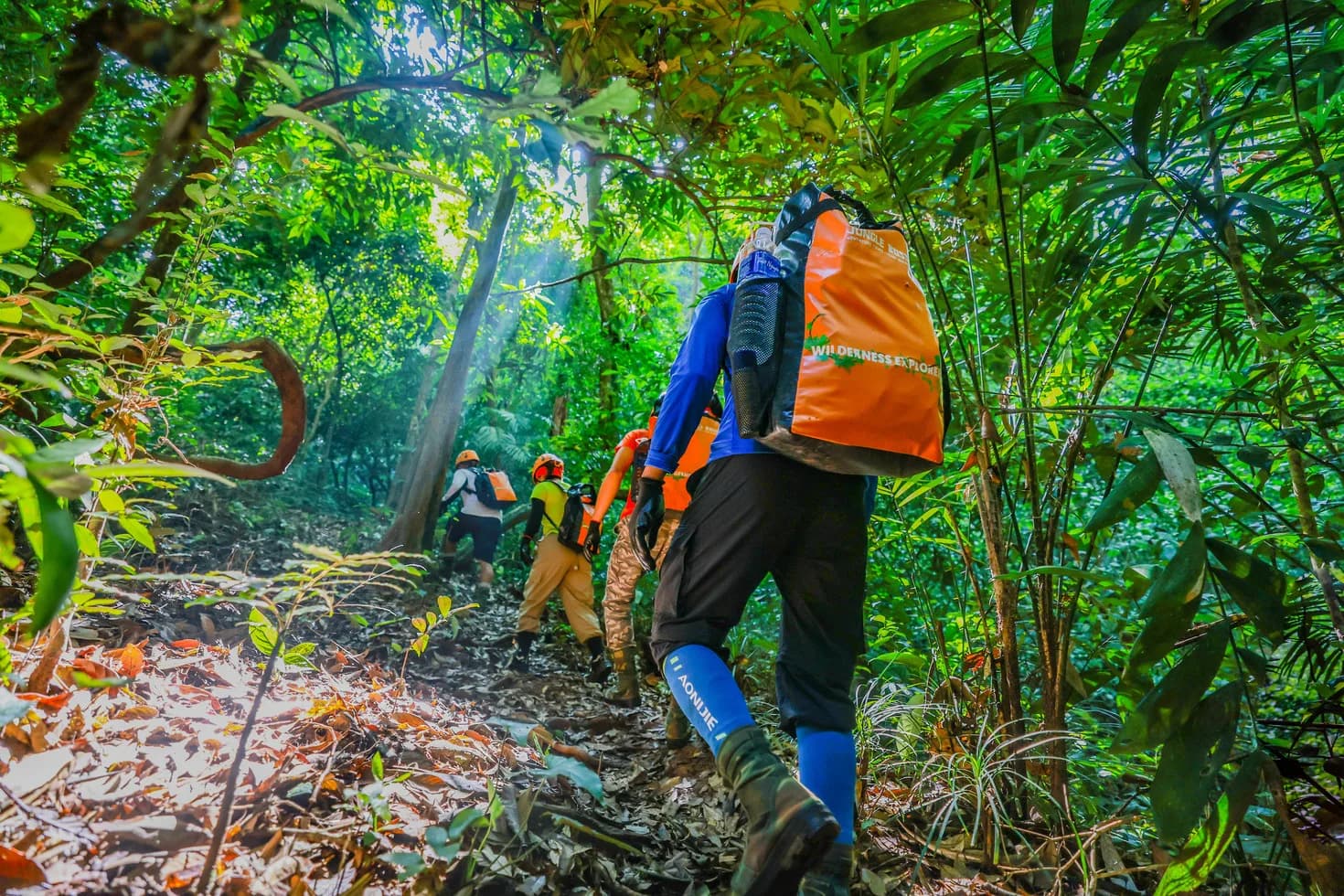

The deeper you walk into a forest, the more you begin to notice. Water moving beneath roots. Insects calling from the undergrowth. The shifting light beneath a canopy that makes the road you left behind feel surprisingly distant.
Jungle trekking in Vietnam offers that change of perspective. It can also introduce travellers to the people and decisions shaping the future of the country’s forests.
From Phong Nha–Ke Bang’s forest-and-cave expeditions to Cat Tien’s managed trails, the experience varies considerably. Choosing thoughtfully means finding a route that suits your abilities while understanding how your visit supports the place around you.
Looking for more route inspiration? Explore ExoTrails’ guide to the best hikes in Vietnam.
Where to Go Jungle Trekking in Vietnam
Start with the experience you want, then check the exact itinerary.
Destination | Experience to consider | What to confirm |
Phong Nha–Ke Bang | Guided forest treks combined with selected cave expeditions | Authorised access, technical sections and overnight arrangements |
Pu Luong Nature Reserve | Walks combining forest, rice terraces and villages | How much of the route is forest versus farmland |
Cat Tien National Park | Managed forest walks and visits to Bau Sau | Walking distance, transport, guiding and accommodation |
Phong Nha: Forest Trails and Cave Expeditions
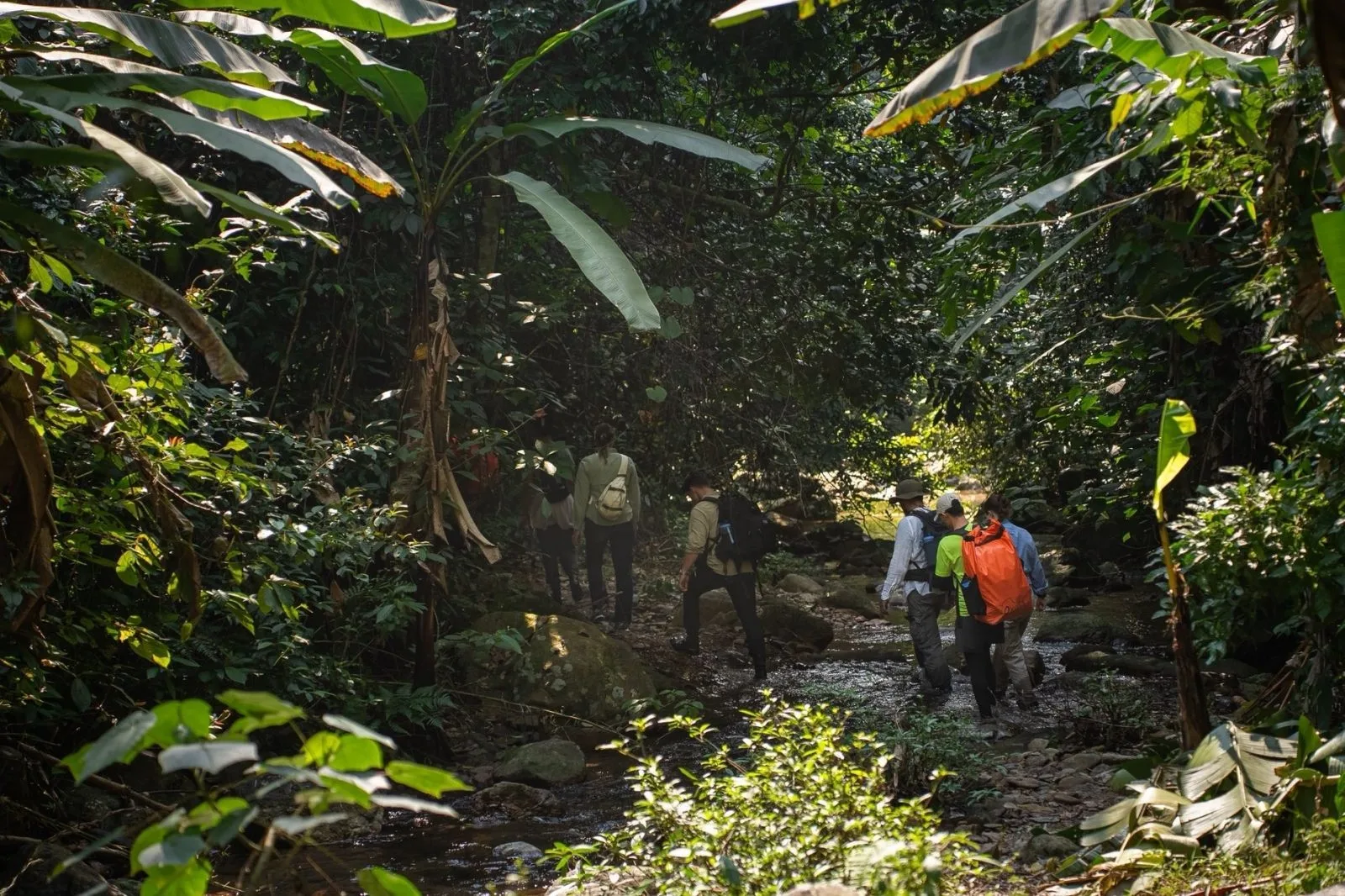
Phong Nha is an option for travellers interested in a journey that combines above-ground forest terrain with underground landscapes.
However, visiting a developed cave and joining a multi-day forest expedition involve different levels of preparation. Read the route description carefully rather than choosing by destination alone.
There are specific examples of tourism contributions here. Oxalis states that its Hang Va expedition contributes to cave conservation and forest protection through entrance tickets and environmental service fees. That is a defined mechanism attached to a particular trip, rather than evidence that every booking in the region funds conservation.
The operator also reports employing local workers, including some who previously relied on logging or hunting. This illustrates how tourism can create alternative livelihoods, although employment figures alone do not measure ecological recovery.
Pu Luong: Forests Within a Working Landscape
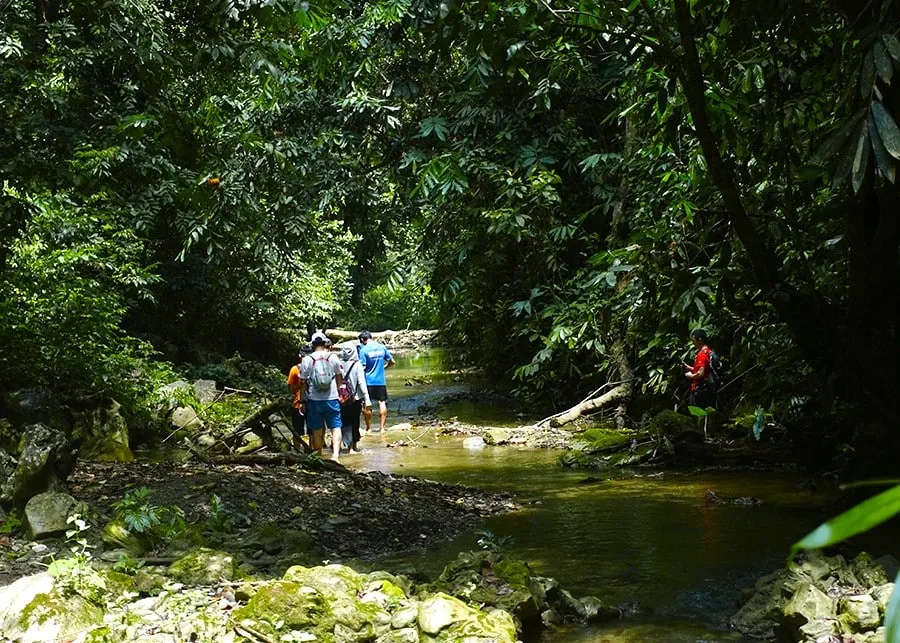
Pu Luong offers a different relationship with nature. Forested mountains meet cultivated valleys, rice terraces and villages, making it a good place to combine walking with time in a local homestay.
It is important to choose the right route. A terrace walk is not the same experience as a longer mountain trek. Vietnam’s official tourism guide recommends local guiding for mountain routes where maps and trail markings are limited.
Ask your host or guide to explain the day’s terrain and arrange any farm visits in advance. Paths beside homes and fields are part of everyday working life.
For more inspiration, read about the Pu Luong homestay experience.
Cat Tien: Forest Walking and Wetland Exploration
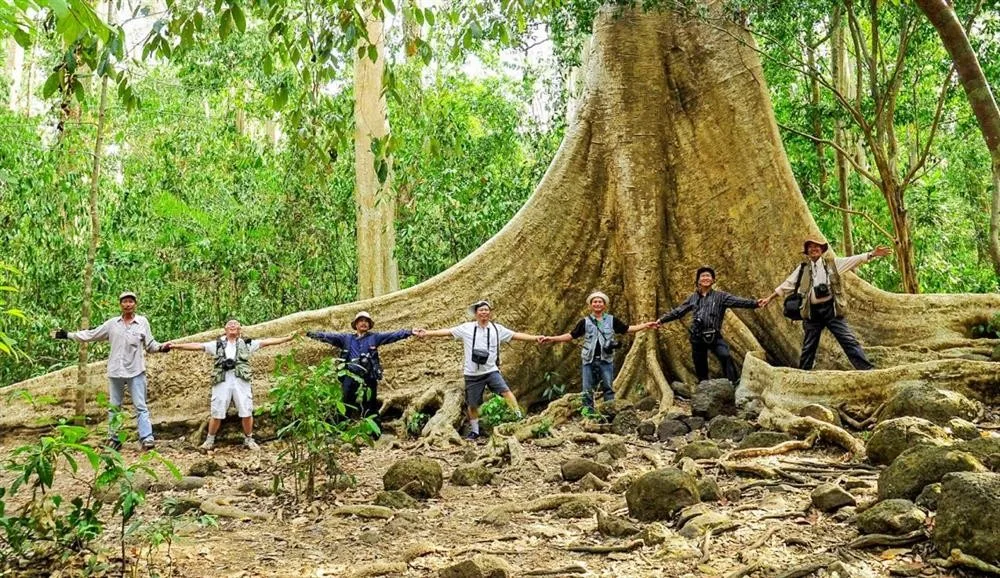
Cat Tien suits travellers who want to build a forest visit around established park services.
Bau Sau, also known as Crocodile Lake, is one option. The park’s published visitor information describes an approach combining a main-road section with a final five-kilometre footpath. Account for the return walk when planning your day, and confirm current transport and access arrangements with the park.
The park also advertises accommodation at Bau Sau, allowing an overnight visit without assuming independent camping is permitted. Availability and arrangements should be confirmed before departure.
How Can Trekking Support Forest Conservation?
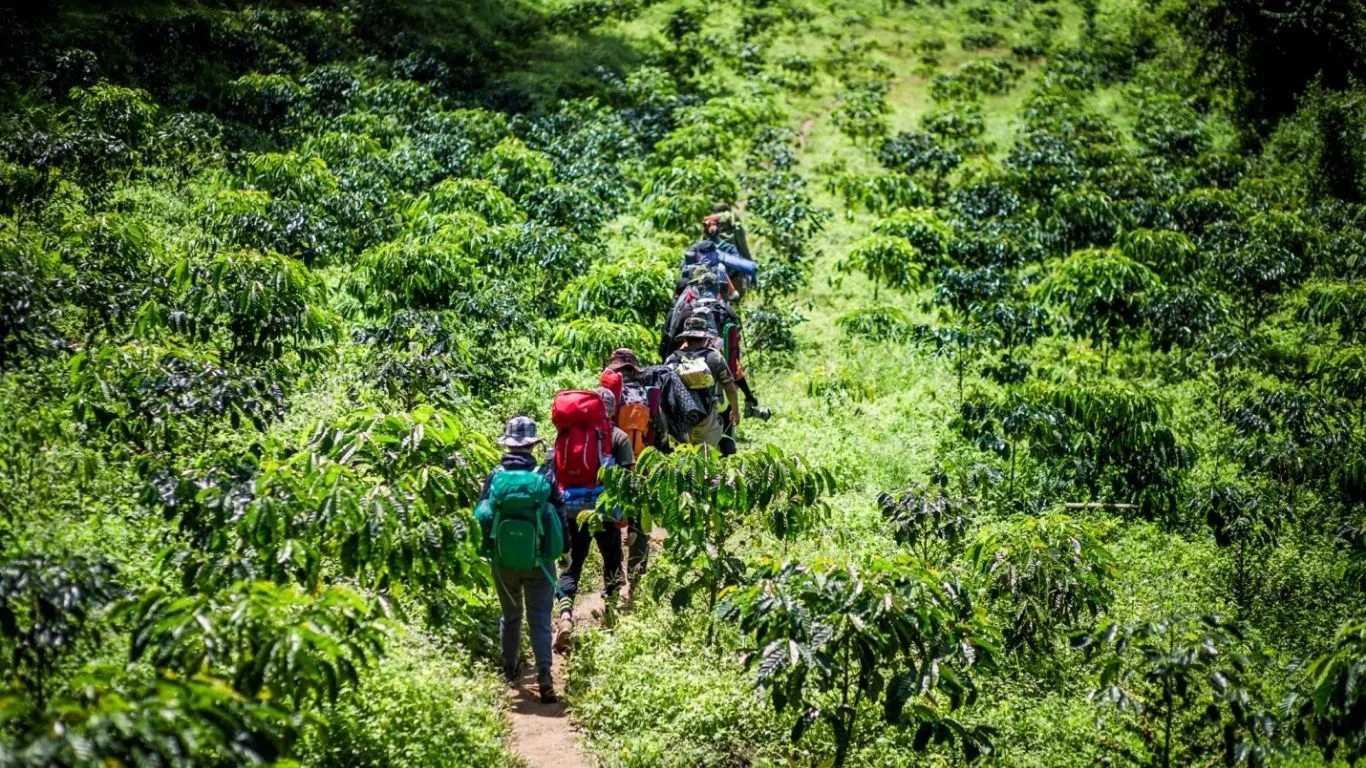
Vietnam’s forests face pressures including illegal logging, agricultural conversion, poaching and wildlife trafficking. WWF identifies these as major threats to natural habitats and wildlife populations. Tourism can contribute to protection, but the benefit depends on how it operates.
Local Jobs and Services
Hiring local guides and booking locally owned accommodation can keep more visitor spending within nearby communities.
Look beyond the phrase “community-based.” Ask who leads the trip, who supplies meals and where you will stay. Clear answers help you understand who benefits.
Visitor Fees
Entrance, access and environmental service fees are distinct from voluntary donations.
Check which fees are included in your booking. If an operator says your payment supports patrols or restoration, look for a named programme and an explanation of how the contribution reaches it.
Direct Conservation Contributions
A credible conservation claim should identify the work being supported, the organisation responsible and some evidence of progress.
A named project with recent reporting is more useful than a broad promise that every trek “saves the jungle.”
How to Choose a Responsible Trek
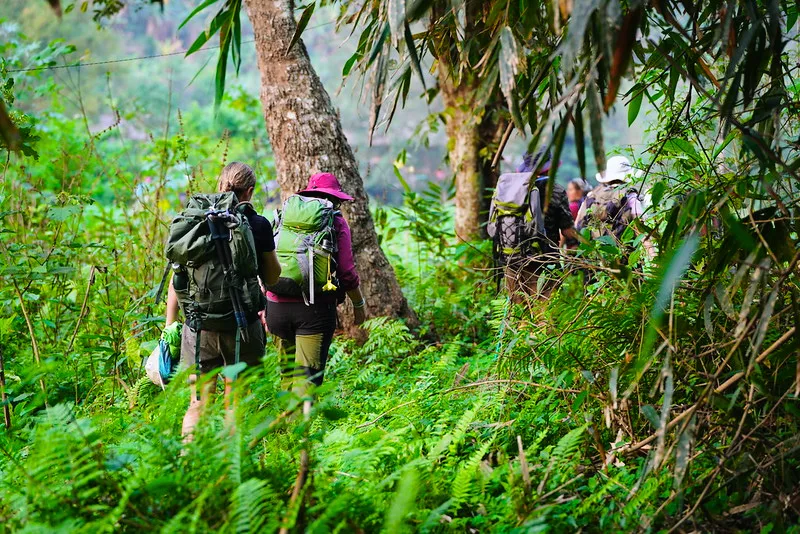
Before booking, check a few practical details:
Route: Where does the walk go, and is access authorised?
Difficulty: What are the distance, elevation changes and technical sections?
Group size: How many guests will travel together?
Waste: How are rubbish, food scraps and toilet waste managed?
Community benefit: Which local people and businesses participate?
Weather plan: What happens if conditions require cancellation or a shorter route?
Phong Nha–Ke Bang’s management authority has reiterated the need for tourism businesses to implement visitor safety measures. Treat preparation and operating standards as part of choosing the experience.
Prepare for the Route You Have Chosen
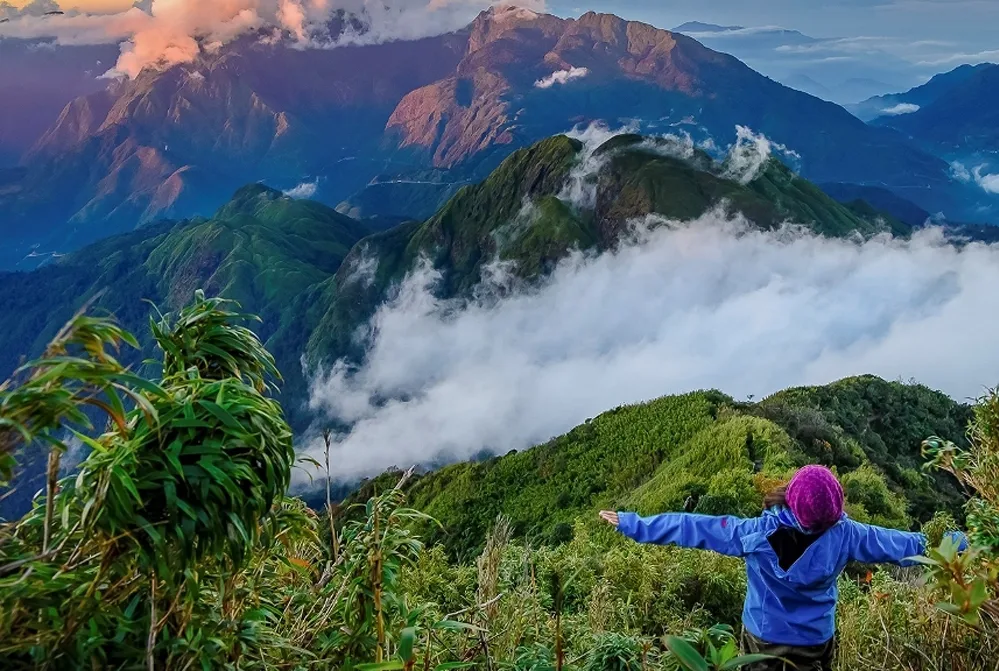
A short forest walk and an overnight cave expedition require different equipment. Request a packing list from your guide or park contact. Confirm footwear, drinking-water arrangements, rain protection, insect protection and any specialist equipment supplied.
There is no single best month for every destination in this guide. Check local conditions and the operating season for your chosen route. Once on the trail, keep your impact small:
Stay on designated paths.
Carry out rubbish and food scraps.
Keep your distance from wildlife.
Leave plants, rocks and other natural objects in place.
Use approved overnight sites and follow fire restrictions.
Ask permission before photographing people or entering private land.
FAQs About Jungle Trekking in Vietnam
Is jungle trekking suitable for beginners?
Some routes may be suitable, but difficulty varies. Choose a clearly described itinerary and discuss your fitness and experience with the guide before booking.
Do all forest treks include caves or camping?
No. Those features depend on the itinerary. Village-based walks, day hikes and park accommodation offer other ways to experience forest landscapes.
Does booking a trek automatically support conservation?
No. Check the specific fees, local partnerships and conservation commitments attached to the trip.
Can I use ExoTrails to plan my visit?
Use ExoTrails to discover outdoor experiences and research ideas, then confirm access, guiding and current conditions with the park or authorised operator.
Take the Next Step with Care
The value of a forest trek often arrives in small moments: a guide explaining a sound overhead, a pause beside a stream, or the first time you notice how much life surrounds the path.
Choose a trip that helps you understand that landscape—and explains how it takes care of it.
Explore outdoor adventures with ExoTrails and start planning your next journey into Vietnam’s forests.