
The limestone landscapes of north-central Vietnam hold stories beyond their famous caves. Among them is the history of the Ruc people, whose relationship with the forests and mountains has attracted researchers, journalists and travellers.
Understanding that history requires looking beyond dramatic descriptions of isolation. The Ruc are a contemporary community with families, livelihoods and changing aspirations.
For travellers researching Ruc people in Vietnam, the most meaningful starting point is accurate context and a willingness to let residents decide what they share. For broader travel inspiration, explore ExoTrails’ guide to cultural immersion in Vietnam.
Who Are the Ruc People?
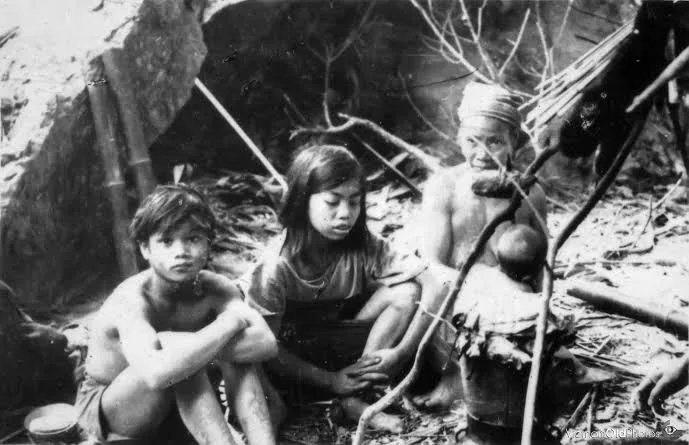
The Ruc are one of the groups classified within the Chut ethnic minority. Research describes communities historically associated with the mountainous western part of Quang Binh, including settlements in the former Thuong Hoa commune.
The distinction between Ruc and Chut matters. An account of Ruc history should not be presented as the shared experience of every Chut community.
Likewise, residents are individuals whose knowledge, occupations and interests differ. Avoid expecting every person to be a cave guide, craft practitioner or custodian of the same traditions.
Where Do Ruc Communities Live?

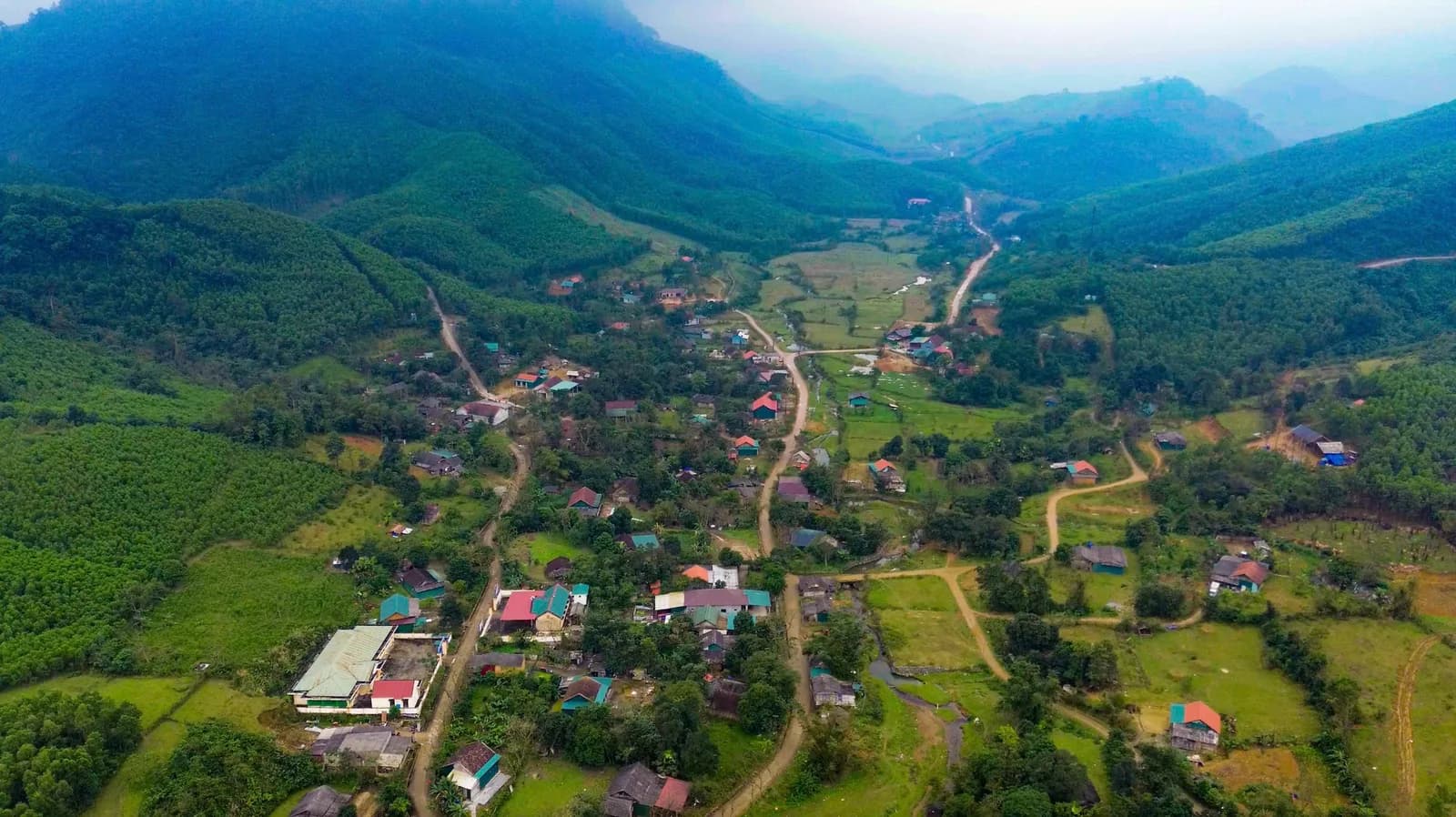
Published accounts identify On, Yen Hop and Mo O–O O among the settlements associated with Ruc communities in the former Thuong Hoa area.
Administrative names have changed. Under Vietnam’s 2025 reorganisation, Thuong Hoa merged with neighbouring communes to form Kim Phu commune, Quang Tri province. Older research and travel coverage therefore use Quang Binh and Thuong Hoa, while current arrangements may use the newer names.
When making enquiries, provide the exact settlement rather than asking for a general visit to “Ruc village.” Confirm the meeting location with the organisation arranging access.
The Cave-Dwelling History: What Is Documented?
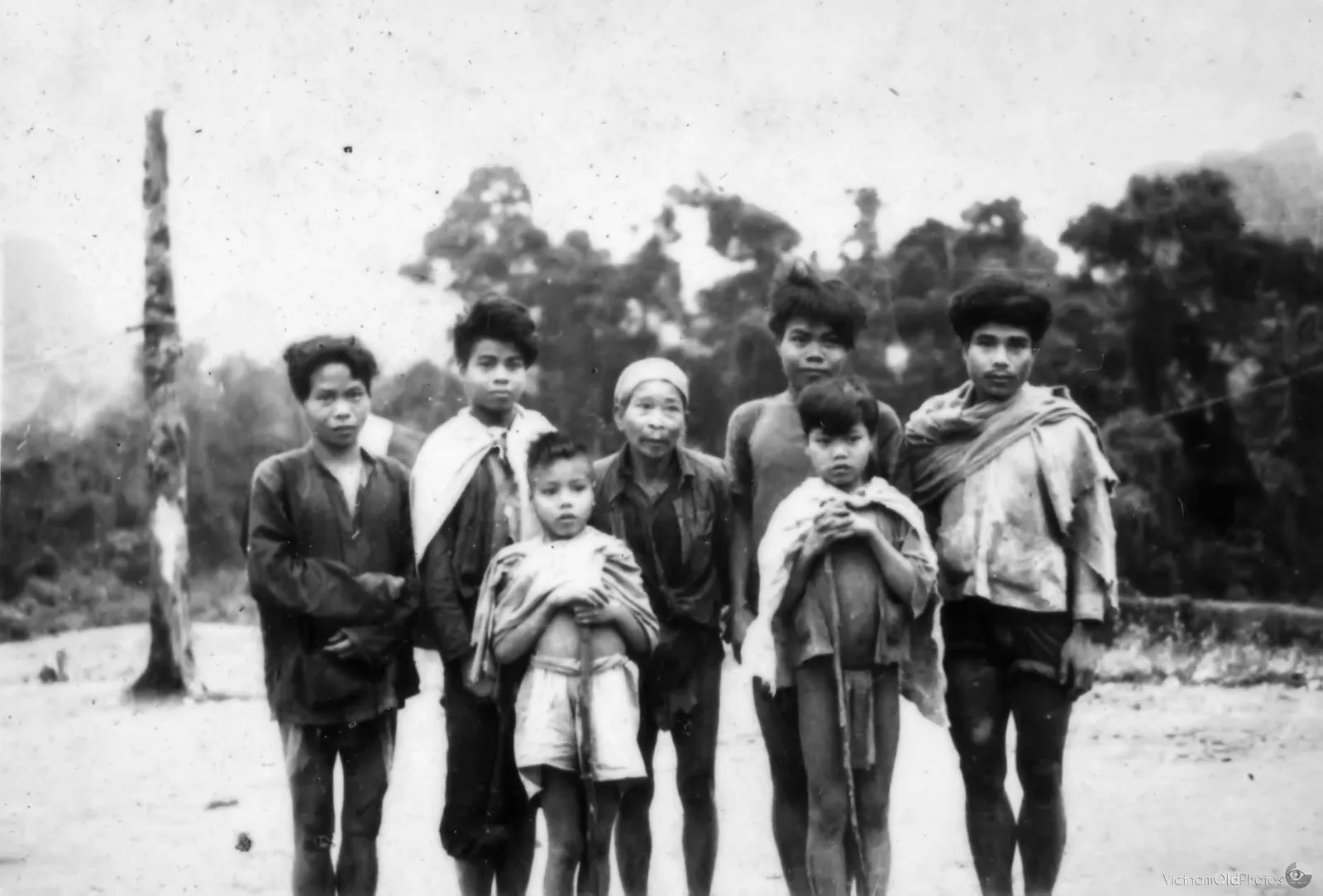
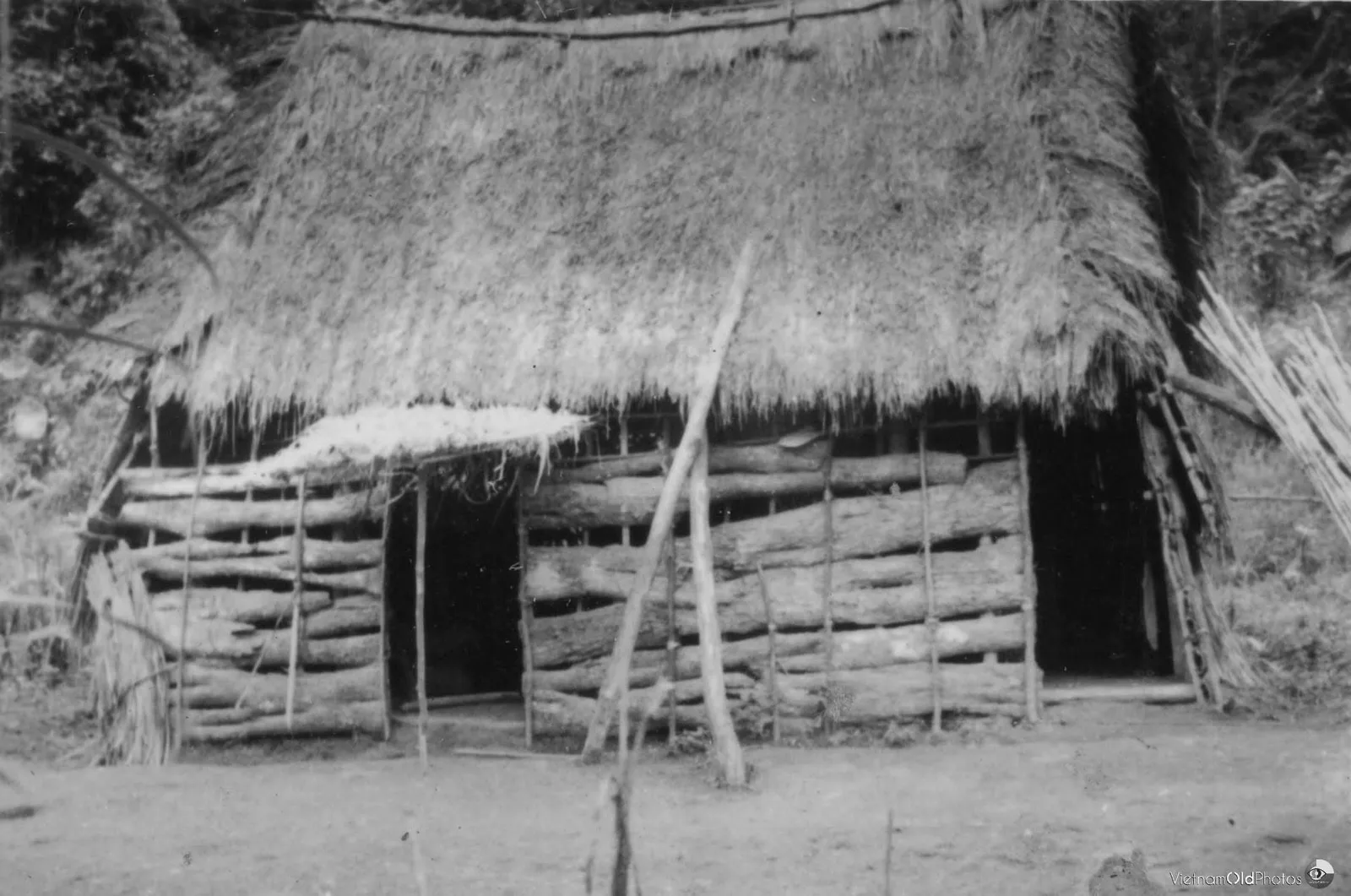
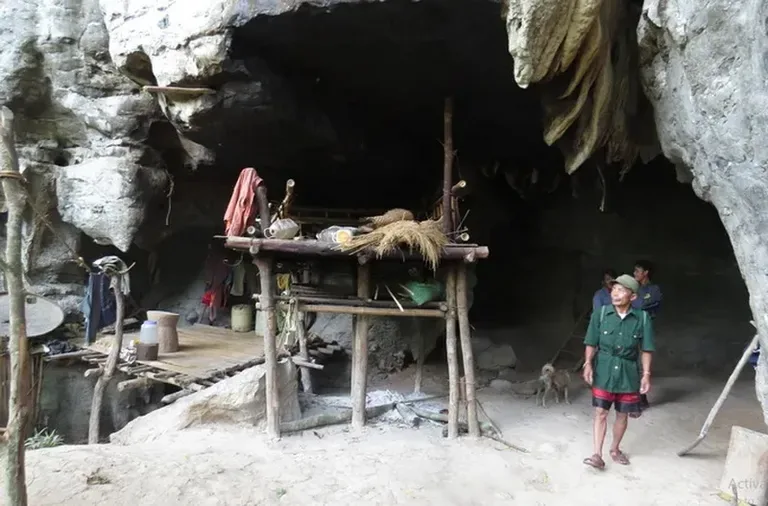
An academic study published by Vietnam National University Ho Chi Minh City describes border guards encountering a Ruc group living in caves in 1959. It also discusses the subsequent process of establishing settled villages.
This history helps explain the attention given to the community’s relationship with the karst landscape.
However, it should be described precisely. It concerns a particular community and period, rather than establishing that all Chut people lived entirely in caves until the late 1950s.
It also does not turn former dwelling places into visitor attractions. A cave’s historical significance and its suitability for tourism are separate questions.
Life Today: Look Beyond Historical Labels
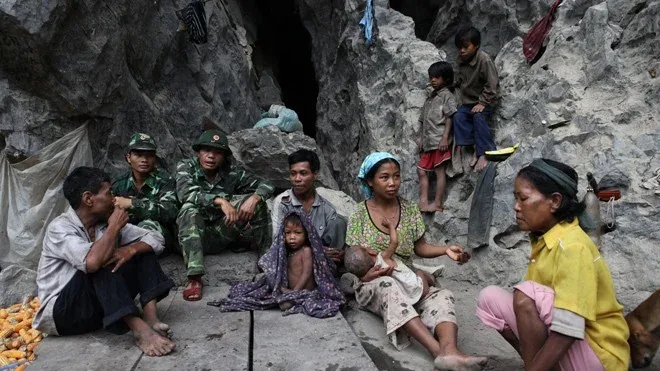
Descriptions such as “ghost village” obscure the fact that people live here today.
VOV reporting describes Ruc residents cultivating rice and maize, raising livestock and living in settlements with paved roads and electricity.
These details belong alongside accounts of earlier forest-based livelihoods. Culture includes adaptation, education, work and the choices families make about their future.
A thoughtful visit allows people to speak about their own lives. Ask open questions, listen without demanding a particular story and accept that some subjects may remain private.
Forest Knowledge and Food Traditions
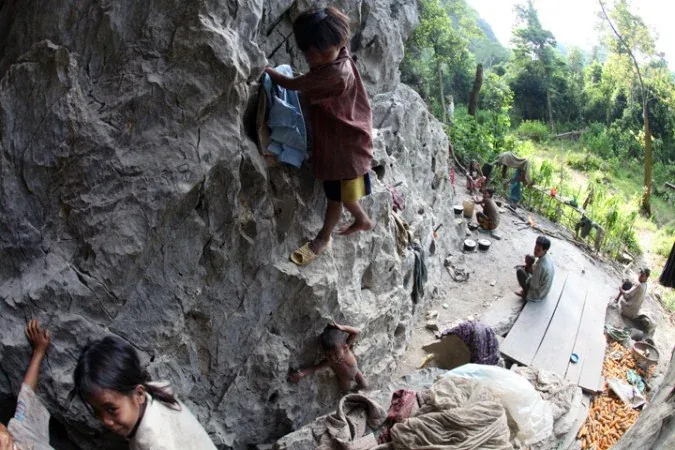
Accounts of Ruc history describe the importance of forest resources, including food prepared from the doac palm and a fermented drink known as ruou doac.
These are subjects to learn about through careful interpretation. They should not become promises that a visitor will watch harvesting, taste a drink or attend a ceremony.
If a host offers a food experience, ask:
Who prepares it?
Is it part of everyday cooking or an arranged demonstration?
What ingredients are involved?
Is participation optional?
How is the host compensated?
Avoid assuming that a traditional technique is automatically non-destructive or environmentally sustainable. Such claims require specific evidence about the practice.
Can Travellers Arrange a Ruc Community Visit?
There is a documented tourism precedent.
In November 2020, Vietnam’s Government News reported that the provincial tourism department had approved an Oxalis Holiday programme involving nature exploration and learning about Ruc culture in Thuong Hoa.
That historical approval does not establish that the same programme operates today.
Before planning around a visit, contact the relevant tourism authority or an operator with current local arrangements. Ask whether the community wishes to receive visitors and what access is available.
What to confirm | Why it matters |
Exact settlement | Avoids confusing different communities or similarly named places |
Community agreement | Establishes that the proposed visit is welcomed |
Current access arrangements | Clarifies any local or border-area requirements |
Host and interpreter | Identifies who will receive and communicate with visitors |
Programme | Separates confirmed activities from possibilities |
Payment | Makes the contribution to participating hosts clear |
Weather alternatives | Prevents pressure to continue when conditions change |
Do not arrive expecting residents to organise an experience on demand.
Community Visits and Cave Exploration Are Different Activities
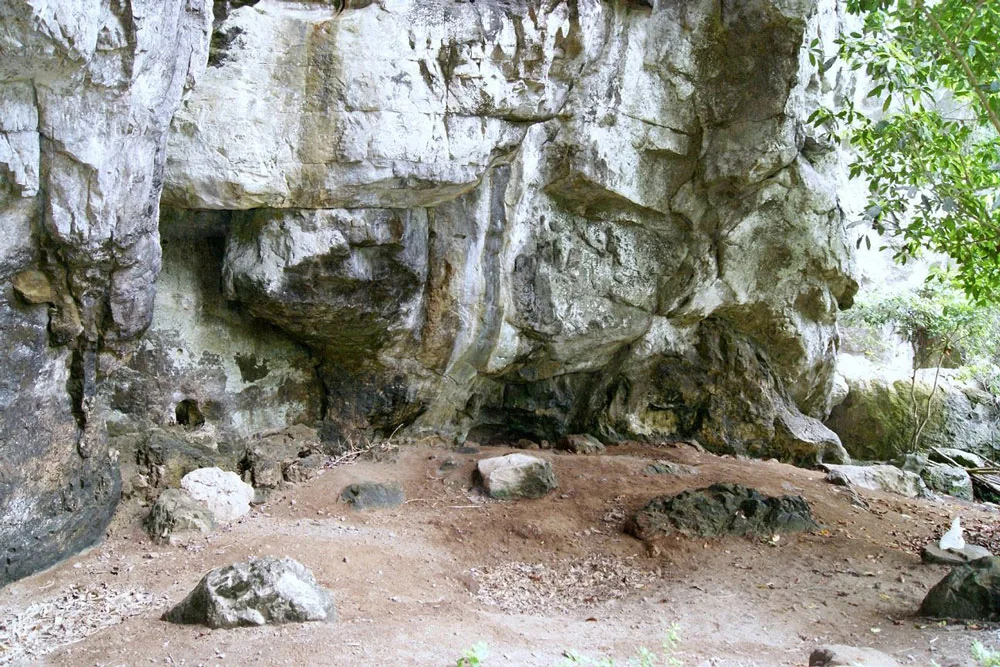
Meeting local hosts does not automatically include entry to nearby caves. If a cave excursion is proposed, ask for its name, authorised route, specialist guiding arrangements and required equipment. Establish whether it is a managed visitor site or an adventure activity.
Do not attempt to reproduce claims about navigating in darkness or follow an unverified route to a former dwelling. For wider background, read ExoTrails’ introduction to caves in Vietnam. Plan the actual excursion through a provider who can confirm current conditions and access.
How to Visit Respectfully
Let the hosts set the boundaries of the encounter.
Ask before photographing or recording. Permission to visit does not include permission to document everyone.
Respect homes and personal belongings. Enter only when invited.
Pay agreed charges. Interpretation and hosting involve time and work.
Avoid requesting performances of “ancient life.” Participate only in activities hosts choose to offer.
Keep locations private when requested. Consider whether publishing a detailed pin could create unwanted visits.
Follow local guidance. Stay within the agreed route and programme.
Share what you learn accurately afterwards. Distinguish a host’s personal account from a claim about the entire community.
FAQs About the Ruc People in Vietnam
Are the Ruc and Chut the same?
The Ruc are a group within the Chut ethnic minority. The terms are related but not interchangeable.
Do the Ruc still live exclusively in caves?
No. Contemporary reporting describes settled communities with housing, agriculture and infrastructure.
Can I book a cultural tour today?
Current availability needs direct confirmation. The documented 2020 approval is historical evidence, not a current booking offer.
Will a visit include traditional food or ceremonies?
Only if participating hosts explicitly offer them. These activities should not be assumed.
Does ExoTrails organise access?
ExoTrails supports outdoor discovery and trip preparation. Confirm community visits and any forest or cave activities directly with the appropriate local organisation.
Begin with Listening
The Ruc story deserves space for both historical knowledge and present-day voices.
If a visit is available and welcomed, approach it as an exchange shaped by your hosts. The opportunity is to understand people’s relationship with their landscape—and the lives they are building today.
Download ExoTrails to discover places and prepare ideas for your next journey.
Continue with ExoTrails’ guide to cultural immersion in Vietnam for more ways to explore with curiosity and consideration.