
Most travelers experience rivers through sight.
The movement of water.
The reflection of light.
The landscapes unfolding beside the current.
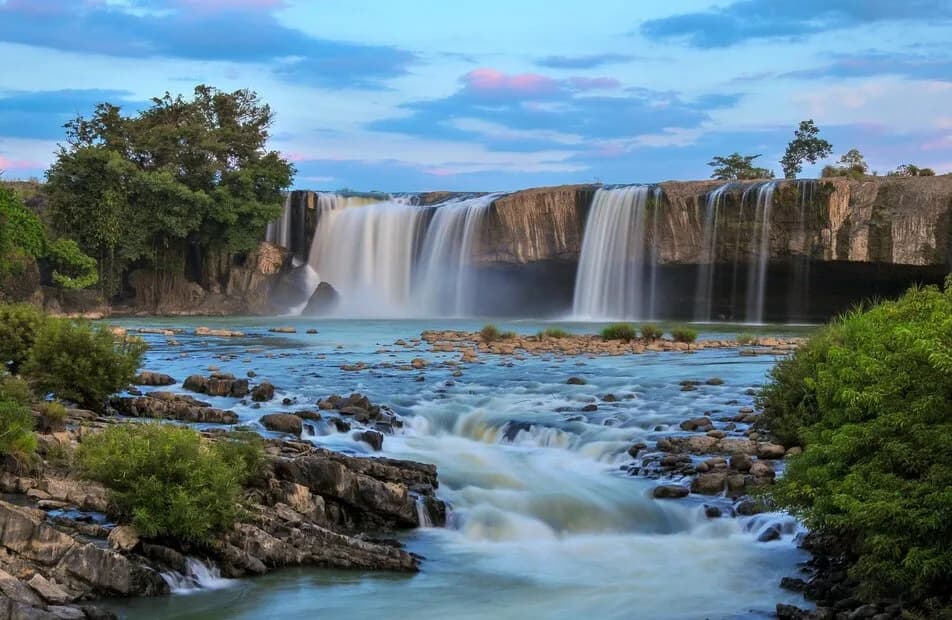
But in Vietnam’s Central Highlands, the Serepok River invites you to explore through another sense: Sound.
Known locally as Sê Rê Pốk, this waterway flows westward from the Central Highlands into Cambodia, eventually connecting with the Mekong river system. Its course takes it away from Vietnam’s eastern coastline, giving it a different geographical story from many of the country’s familiar rivers.
For travelers willing to slow down, the experience extends beyond the scenery. Water, wind, birds, and forest sounds offer another way to connect with the landscape.
Discover more fascinating guides:
Discovering the Serepok River Near Yok Don National Park
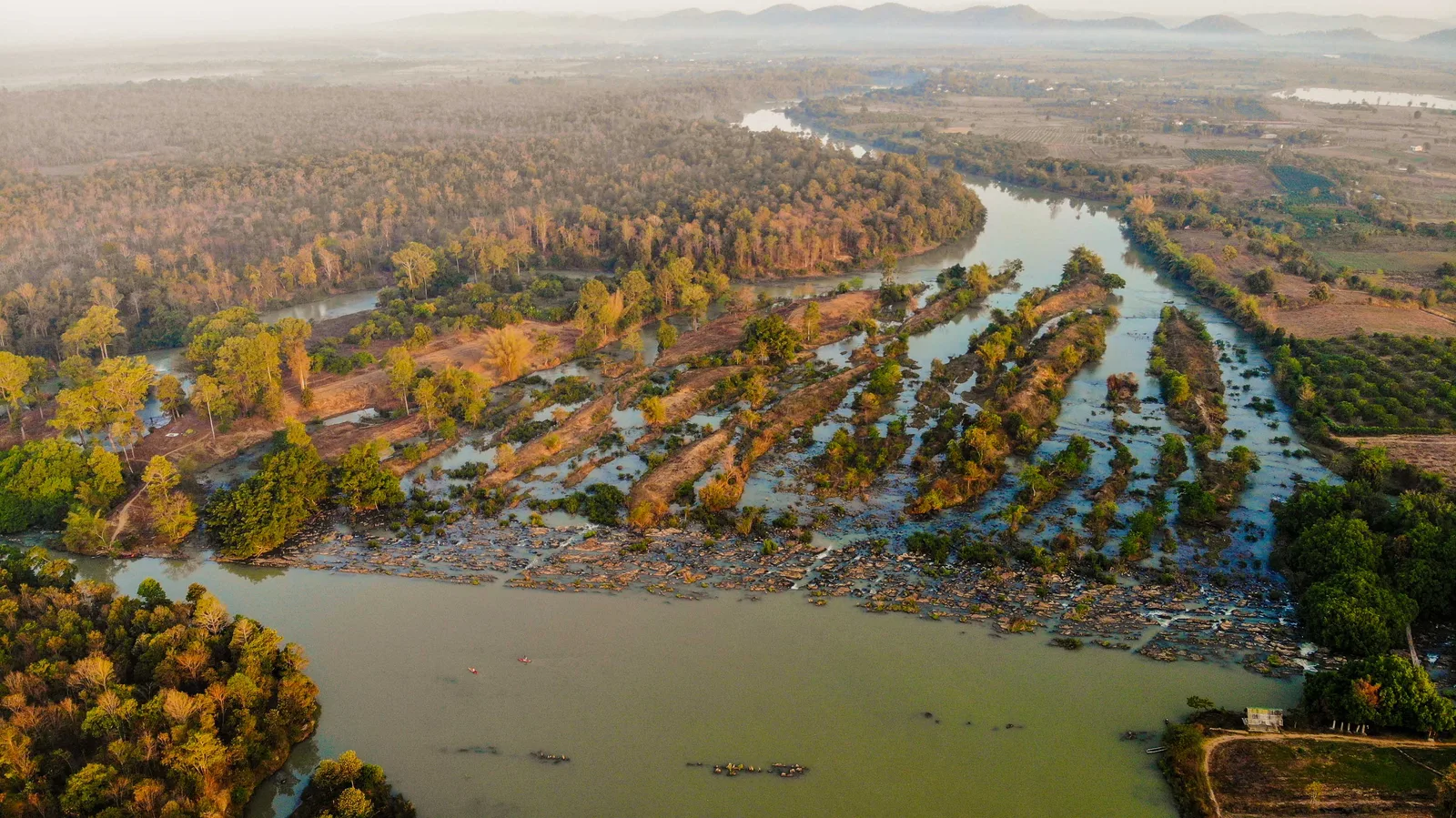
Around Yok Don National Park, the Serepok River forms part of a landscape shaped by seasonal change. The park is known for its dry deciduous dipterocarp forest, where open woodland offers a different atmosphere from the dense tropical jungle many visitors associate with Vietnam.
Here, exploring can mean taking a guided forest walk, watching birds, or joining a boat excursion along the river.
Each perspective reveals something different. From the water, the riverbanks frame your journey. On foot, smaller details come into focus: leaves underfoot, movement in the canopy, and the changing sound of the current.
The appeal lies in giving these details enough time to register.
Listening to the Serepok River: A Natural Soundscape
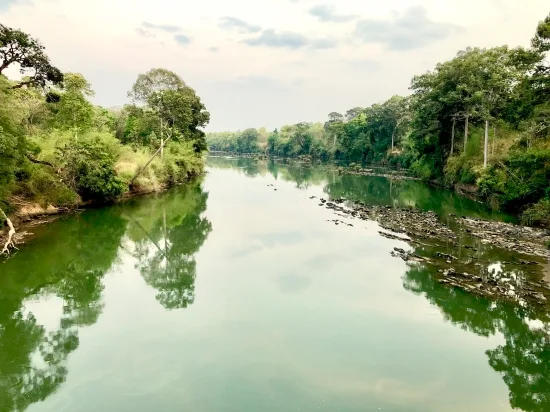
A sound-focused visit begins with a simple pause.
From a safe stopping point chosen with your guide, listen first to the most obvious sound: flowing water. Then notice what surrounds it.
A bird calling from the trees.
Wind moving through the leaves.
The river’s rhythm changing with distance and terrain.
The Serepok River becomes more than a scene to photograph. It becomes a place you experience through attention.
This approach could be described as “acoustic trekking”: slow walking combined with deliberate listening. In this article, the phrase describes a way of exploring rather than an established tour available to book locally.
You do not need specialist equipment to begin. Sometimes, putting your phone away and remaining still is enough to notice a different dimension of the landscape.
Could You Listen Beneath the Surface?
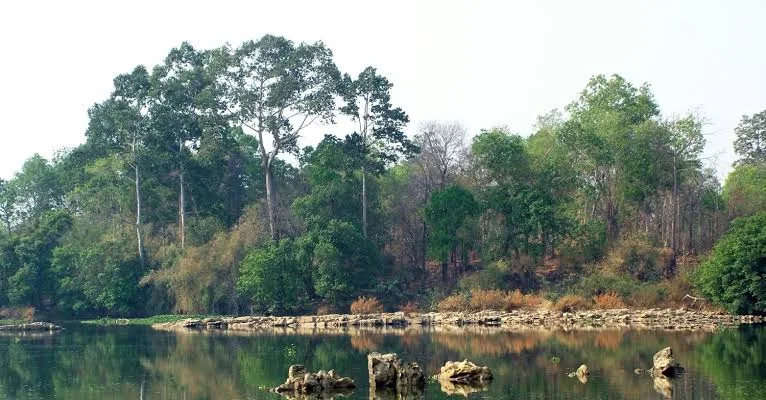
Hydrophones are underwater microphones designed to detect acoustic signals beneath the water. They allow researchers and sound recordists to explore environments that ordinary listening above the surface cannot reveal.
For someone interested in the Serepok River’s underwater soundscape, a hydrophone could offer another perspective. What a recording captures would depend on the equipment, location, water conditions, and nearby activity.
It would be misleading, however, to promise particular sounds from submerged caverns, fish movements, or volcanic rock formations without recordings and supporting analysis.
If underwater listening interests you, ask the park or a qualified specialist whether a permitted activity can be arranged. Equipment, access, and appropriate supervision would need to be confirmed in advance.
Slowing Down Along the Serepok River
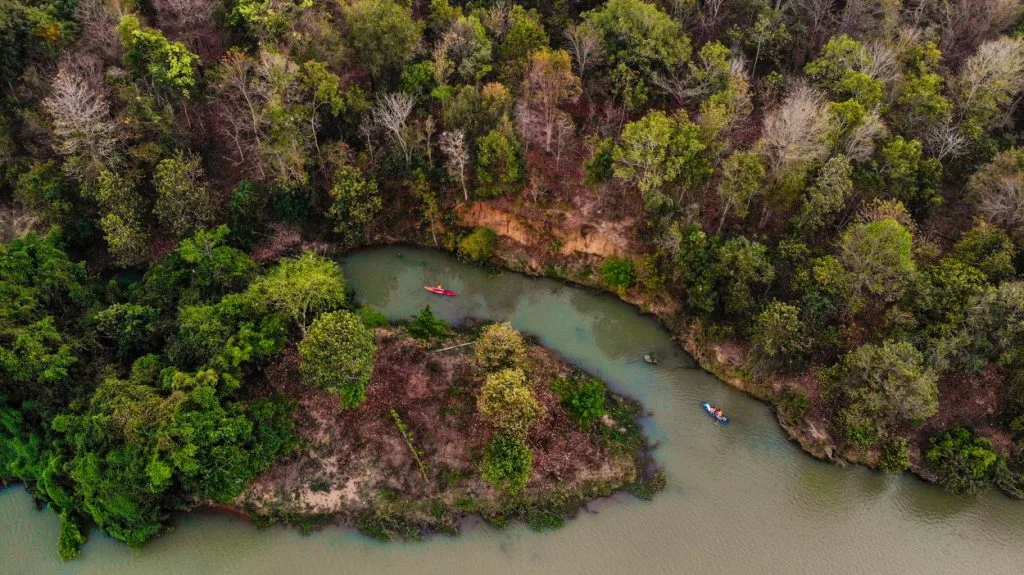
Listening changes the pace of an excursion.
Instead of moving quickly from one viewpoint to another, you begin noticing variation. A stretch of river may sound different from the next. A quiet moment may reveal birdsong that conversation had previously covered.
Silence becomes part of the experience, although complete silence is never guaranteed. Wind, other visitors, and boat engines may also be present.
For travelers seeking a break from constant visual stimulation, this offers a simple alternative: spend less time framing the landscape and more time experiencing it.
The reward is personal. There is no need to hear something extraordinary for the moment to be memorable.
Local Knowledge Adds Meaning to the Journey
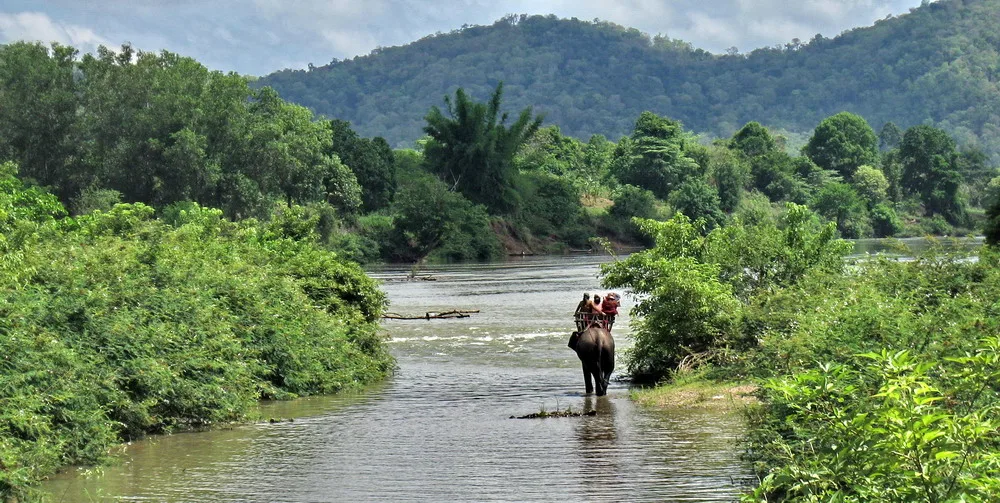
The Serepok River also belongs to a wider human landscape.
A knowledgeable local guide can help explain the route, seasonal conditions, and the relationship between the river and surrounding communities. Where community visits are available, hearing directly from residents can add context that scenery alone cannot provide.
Let people describe their own traditions and experiences. Ask permission before recording conversations, photographing individuals, or sharing cultural stories.
Listening respectfully means making room for local voices as well as natural sounds.
Responsible Exploration and Freshwater Conservation
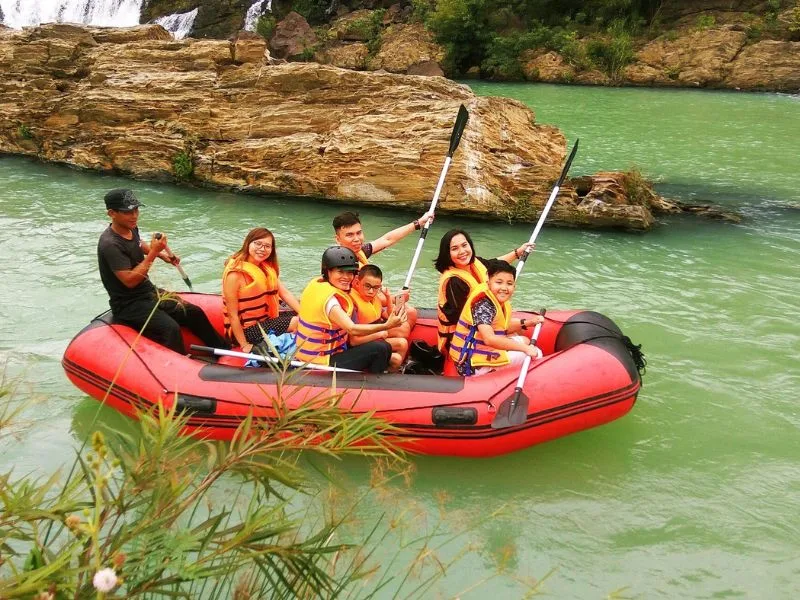
A visit centered on sound can encourage patience and environmental curiosity. Its value depends on how the experience is organized.
Following approved routes, avoiding unnecessary noise, respecting wildlife, and choosing responsible local services are practical ways to travel more considerately.
For outdoor brands and tourism operators, these actions can support broader sustainability goals. Claims about ESG performance or regenerative tourism should be backed by clear practices and measurable results.
Environmental Pressures on the River System
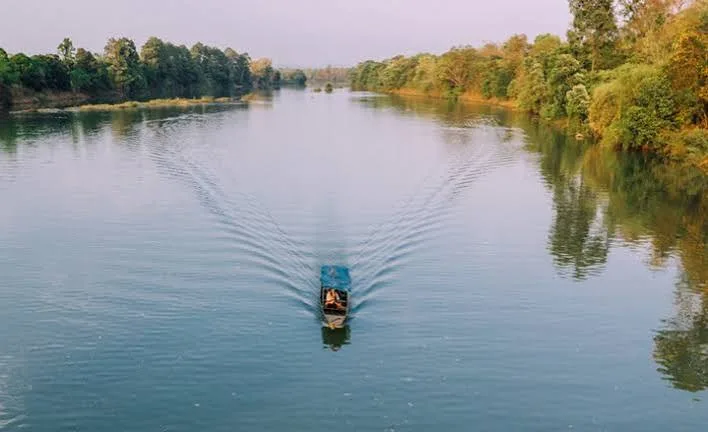
The Serepok is part of the wider Mekong basin, where river management connects ecosystems and communities across national borders.
The Mekong River Commission identifies hydropower and irrigation development among the pressures affecting the Sesan and Srepok sub-basins, including concerns about watershed deterioration, erosion, and water quality.
Understanding these challenges adds depth to an outdoor visit. A river carries ecological and social importance beyond its recreational appeal.
Environmental learning can help visitors appreciate that complexity, while recognizing that a tourism experience alone does not establish a conservation benefit.
Planning Your Serepok River Visit
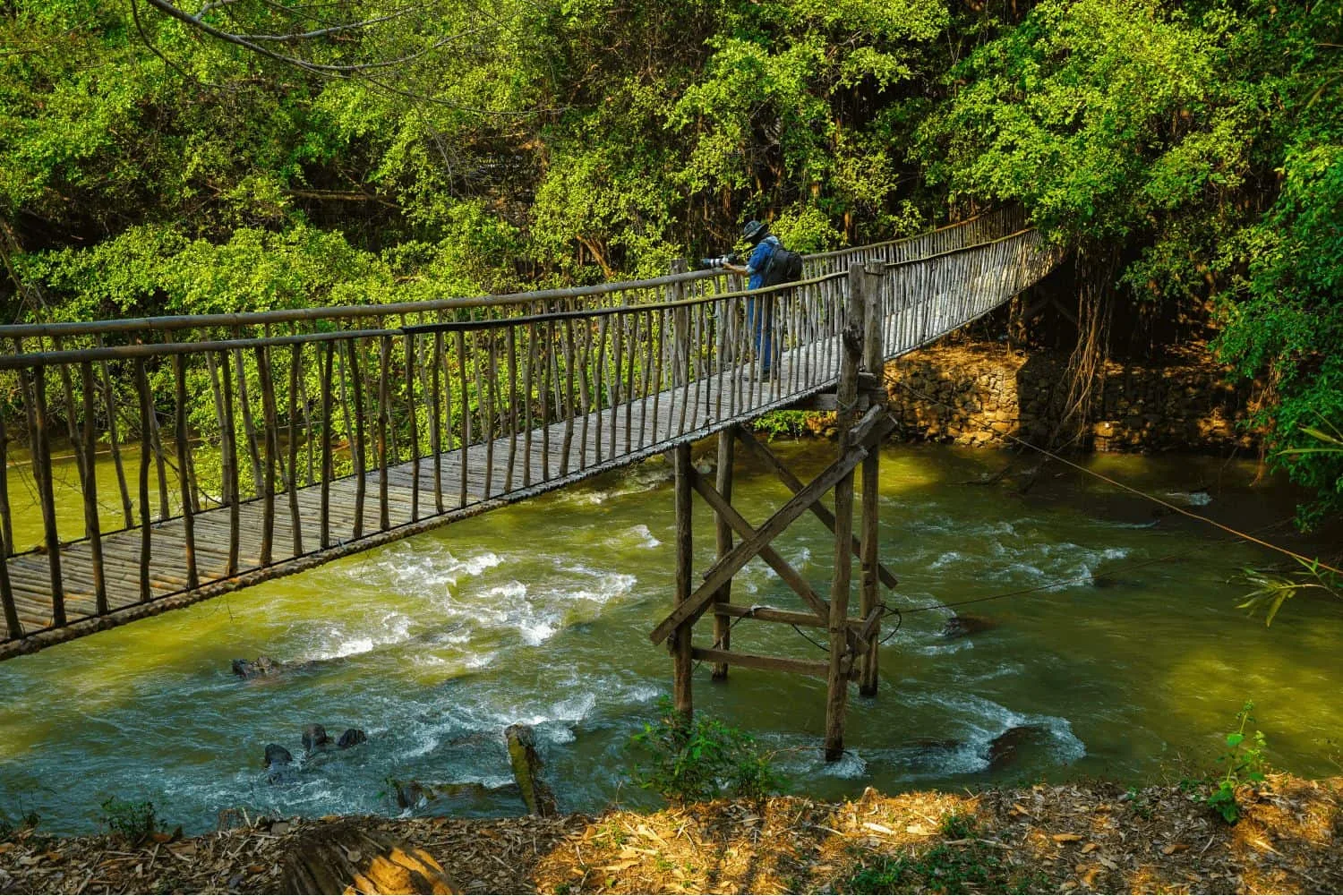
Yok Don National Park advertises guided boat excursions on the river, with opportunities to combine the journey with birdwatching or sunset scenery. Confirm the current itinerary and departure arrangements directly with the park.
Before setting out:
Check weather, river conditions, and any access restrictions.
Confirm which activities and equipment are included.
Bring drinking water, sun protection, rain protection, and suitable footwear.
Protect your phone and camera from water.
Wear a life jacket during boat trips and follow your guide’s instructions.
Arrange specialist recording activities in advance.
Keep away from strong currents, slippery rocks, and unstable banks.
For current visitor information, consult the Yok Don Tourism Center.
Conclusion: Some Places Are Meant to Be Heard
At first, you may hear only water.
Then, slowly, your attention widens.
The movement of the current.
A call from the forest.
Leaves shifting above the riverbank.
Exploring the Serepok River through sound is an invitation to spend more time with a place. You do not need to capture every moment or search for a dramatic discovery.
Pause, listen, and let the landscape unfold at its own pace.
Some places stay with you through what you see. Others remain through what you remember hearing.
Ready for your next outdoor adventure? Discover destinations on ExoTrails, and save this guide for your Central Highlands itinerary. Confirm the latest routes and activity arrangements with the park or operator before setting out.
Connect with our outdoor community and stay updated:
👥 Join our Facebook Group: Run, Trek & Camp | Basecamp Việt Nam — Share your favorite outdoor spots, trip reviews, and connect with fellow adventurers!
👍 Follow our Facebook Page: ExoTrails Worldwide — Discover outdoor inspiration, practical travel tips, and ideas for your next adventure.