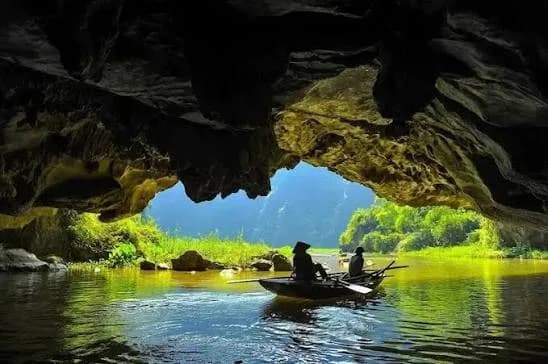
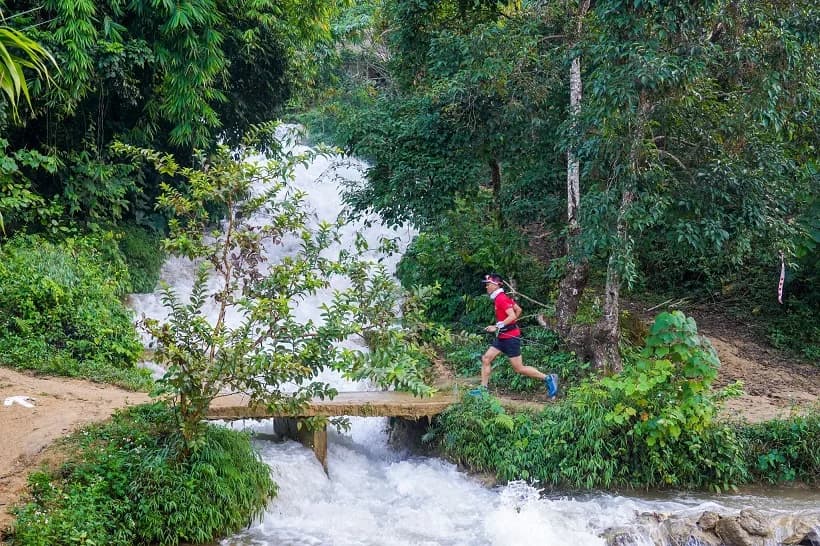

A run can change the way you notice a place. You begin to read the slope beneath your feet, recognise the sound of water beside a path and appreciate the distance between a village and its fields.
Trail running in Vietnam offers opportunities to experience these details across very different landscapes. Sa Pa brings mountain paths and cultivated valleys. Da Lat offers a highland setting with forests and agricultural landscapes. In the Mekong Delta, rural lanes provide another kind of running experience, shaped by canals, orchards and everyday journeys.
The most rewarding outing begins with a suitable route and enough flexibility to slow down. Choose the ground carefully, respect the people using it and leave time to understand what you pass.
Explore more with ExoTrails:
Where Should You Go Running in Vietnam?
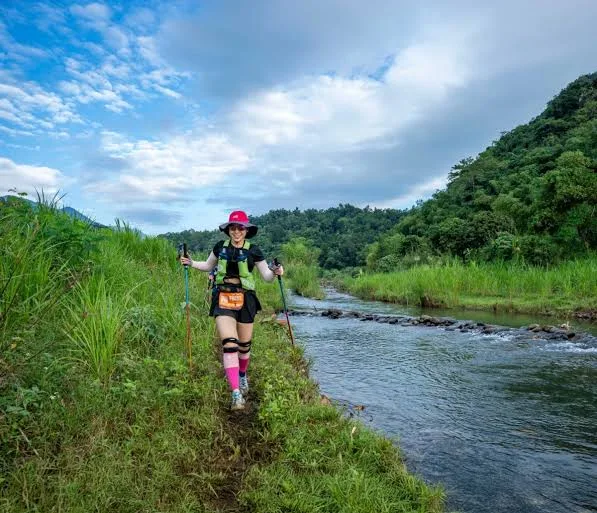
Start with the terrain and experience you want. The regions below are starting points for research, rather than a set of verified running routes.
Region | What draws travellers | What to check |
Sa Pa | Mountain scenery, terraces and village paths | Climbing, footing, access and route finding |
Da Lat | Highland forests and agricultural surroundings | Surface, gradients and land-management rules |
Mekong Delta | Canal-side scenery, orchards and rural settlements | Traffic, bridges, surface and route continuity |
A short route with clear access can be more enjoyable than a longer outing built around uncertain connections.
Sa Pa Trail Running: Mountains and Cultivated Valleys
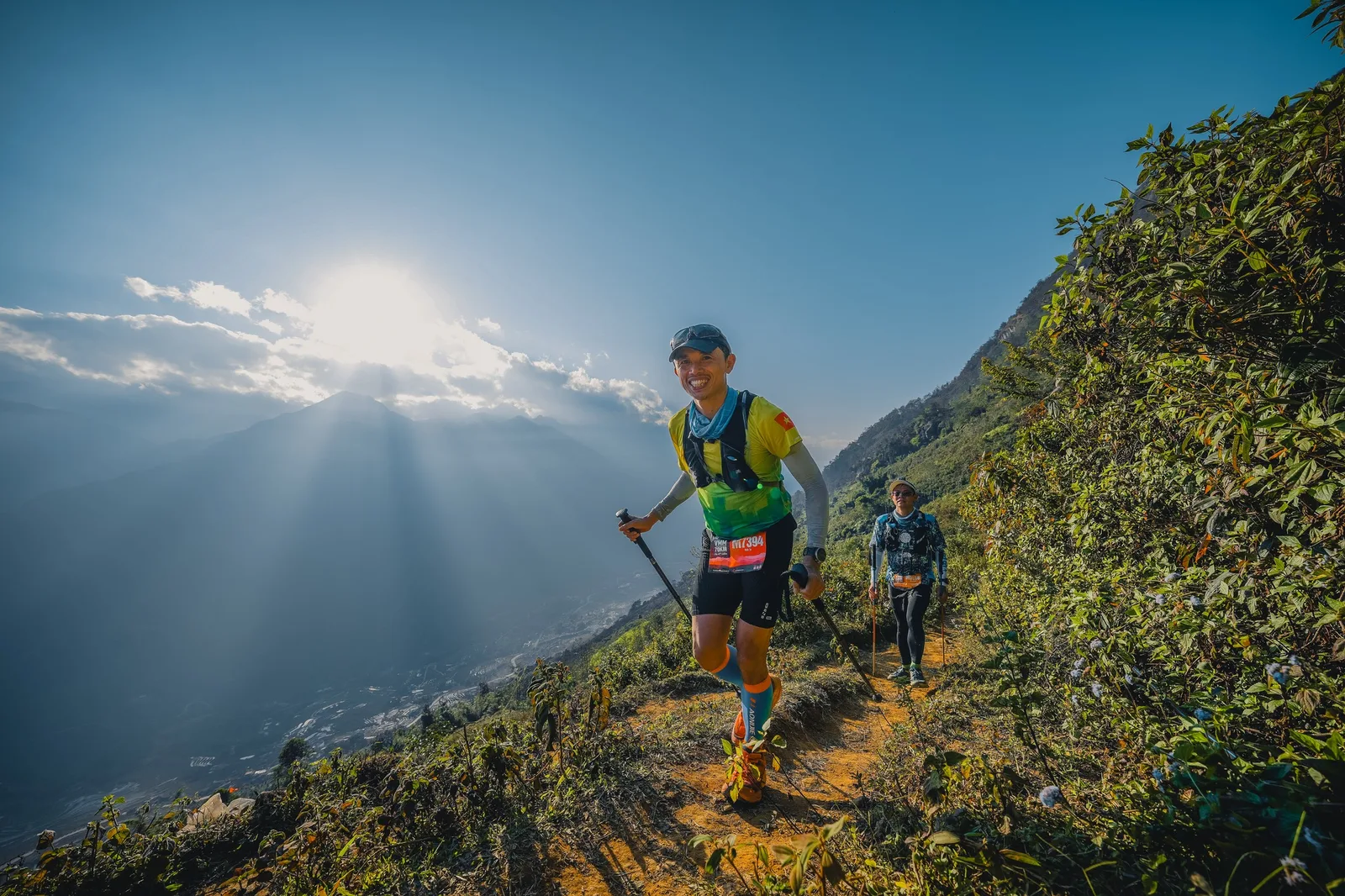
Sa Pa’s landscape combines steep slopes, rice terraces and settlements. Vietnam’s tourism website highlights trekking, homestays and mountain running among the area’s outdoor experiences.
For runners, the appeal is partly in the changing perspective. A path can bring a broad valley into view before narrowing beside cultivated land.
However, choose a route according to your abilities. A path used by residents or walkers is not automatically suitable for continuous running, particularly when conditions or access have changed.
Find Someone Who Knows the Route
When arranging a guided run, explain your preferred duration, recent training and comfort with steep or uneven ground.
Ask whether the guide can support a running pace and where the group can shorten the outing. A knowledgeable local host can also add context to what you see.
Vietnam Tourism’s interview with Black Hmong guide Ly Thy Ker illustrates how locally hosted walks and stays can introduce visitors to daily life beyond central Sa Pa. Such encounters depend on an invitation and the host’s arrangements.
Leave Time for a Separate Village Visit
Running and learning about a community call for different kinds of attention.
Consider arranging a meal, walk or stay before or after the run. This gives conversations time to develop without turning residents’ daily routines into a stop on a training session.
Da Lat Trail Running: Explore the Highland Setting

Da Lat offers a different landscape. Vietnam’s tourism authority describes the surrounding Langbiang Plateau, forest outings and hiking opportunities in the wider area. For a running trip, narrow that broad setting to a specific, currently accessible route.
Before leaving, establish:
The start and finish.
Distance and elevation gain.
The expected mix of trail and road.
Whether any sections cross managed or private land.
Where you can turn back or shorten the run.
Avoid assuming that every visible forest track connects to a public route.
Add a Farm Experience by Arrangement
Coffee can provide another way to understand the region. Vietnam Tourism identifies farm and roastery visits among Da Lat’s experiences.
Book a visit with a host who accepts guests rather than stepping into a plantation during your run.
Ask what the visit includes and whether it fits your schedule. A dedicated farm stop allows the host to explain cultivation and processing while keeping your running route manageable.
Mekong Delta Running: Rural Lanes and Waterways

The Mekong Delta offers a useful contrast to mountain running. Official tourism coverage describes winding lanes, small canal crossings, coconut groves and settlements explored by bicycle. These features make the region interesting for active travel, but cycling descriptions do not establish a verified trail-running route.
Ask a local host to help identify a suitable walking or running loop. Check whether the surface is paved, concrete, gravel or earth, and how much vehicle traffic to expect.
Check the Whole Loop
Pay particular attention to connections.
A route may depend on a bridge, ferry or access through someone’s property. Confirm the return journey before setting off, including any operating times or charges.
Choose distance according to the conditions and your familiarity with the area. Flatter terrain alone does not establish that an outing will feel easy.
For another way to explore, read ExoTrails’ Mekong Delta cycling guide.
How to Choose a Suitable Route
A useful route description should answer more than “Is it beautiful?”
Planning question | Why it helps |
How long is the exact route? | Establishes the outing you are preparing for |
How much climbing is involved? | Helps compare effort with your training |
What is the surface? | Informs footwear and pace |
Is access permitted? | Clarifies restrictions and private land |
What has changed recently? | Adds current information beyond a saved map |
Where can I turn back? | Gives you a practical alternative |
How will I return? | Prevents transport gaps at the finish |
For your first outing in an unfamiliar area, keep the plan simple and consider local support.
Prepare for the Run You Have Chosen
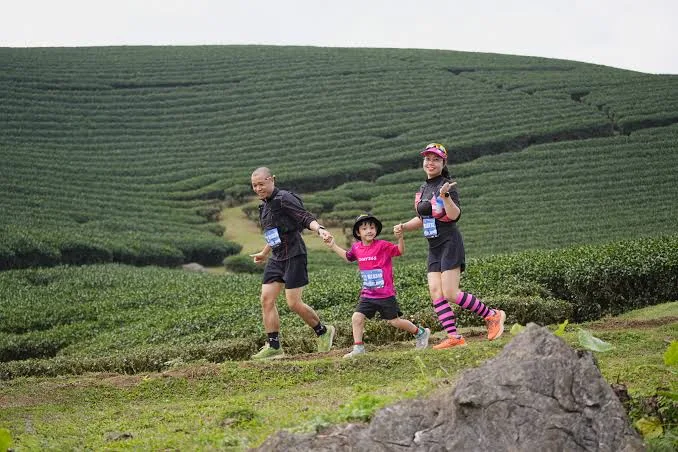
Match your equipment to duration, terrain and conditions. REI’s trail-running guidance emphasises appropriate footwear, carrying water, clothing for changing weather and additional supplies for longer outings. Its checklist also includes navigation and route information.
Discuss your plan with a knowledgeable local contact. Depending on the outing, preparation may include:
Footwear tested on similar ground.
Drinking water and familiar food.
Weather-appropriate clothing.
A charged phone and saved route information.
Essential contacts and a return plan.
Lighting if your confirmed schedule involves darkness.
An early start can be useful, but choose the time around visibility, route access and local advice rather than assuming dawn suits every outing.
Run Considerately Through Villages and Farmland
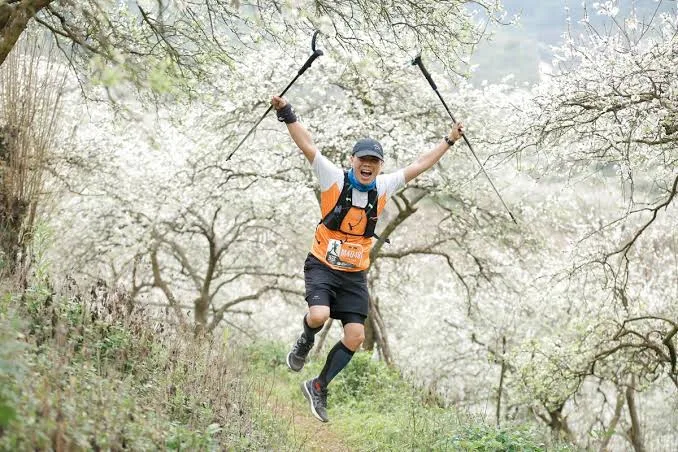
Sharing a landscape means allowing its daily activities to continue.
Slow to a walk near homes, busy paths or anyone moving animals and supplies. Give people room, keep entrances clear and avoid stopping where you obstruct work.
Ask permission before photographing residents. Do not encourage children to follow you or run alongside you.
Most importantly, stay out of fields and plantations unless the owner has agreed to your visit. A narrow path beside a crop does not establish access across it.
Use established routes, carry out rubbish and arrange cultural experiences through willing hosts.
How ExoTrails Fits into Your Preparation
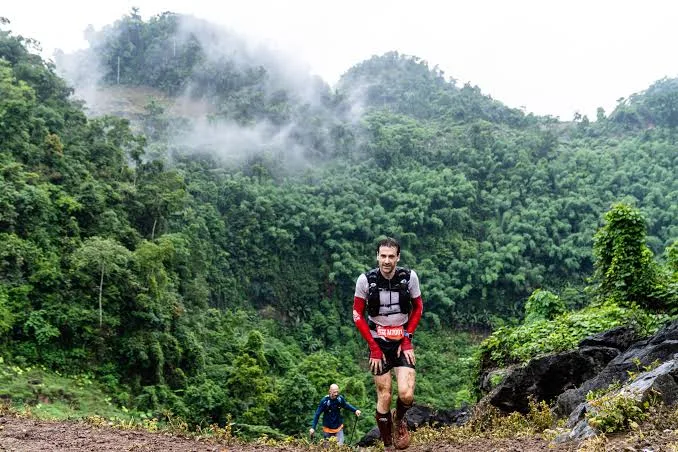
ExoTrails can support destination discovery, route research and recording your own activities. Explore the ExoTrails app introduction to learn more.
Use route listings alongside current local information. A digital line does not establish landowner permission, an open bridge or suitable conditions.
If you hire a guide, agree on the route, pace, group size and alternatives in advance.
FAQs About Trail Running in Vietnam
Is Vietnam suitable for beginner trail runners?
A beginner can explore suitable outings, but the exact route matters more than the destination name. Start with manageable distance, terrain and clear access.
Do I need a guide?
It depends on the route and access requirements. A guide can be useful where paths are unfamiliar or local permissions need arranging.
Is running in the Mekong Delta technically easier?
Some routes may involve less climbing, but surfaces, traffic, crossings and conditions still need checking. Assess the specific outing.
Can I combine running with a farm visit?
Yes, when arranged with a host who accepts visitors. Confirm the activity separately rather than entering farmland spontaneously.
Are trails from organised races open afterwards?
Do not assume so. Race-day access arrangements may differ from ordinary access.
Leave Time to Notice the Place
Running can bring a landscape into sharper focus: the curve of a field, the shade beside a canal and the distance people travel every day.
Choose a suitable route, move considerately and make room for experiences beyond the run.
Download ExoTrails to discover outdoor places and prepare ideas for your next journey.
Continue exploring with ExoTrails’ guide to the best hikes in Vietnam for more ways to experience the country on foot.