


In today’s fast-paced and ever-changing work environment, rising workplace stress has triggered widespread phenomena such as burnout, cognitive fatigue, and "quiet quitting." These issues are no longer just personal challenges, they represent critical strategic hurdles that directly erode organizational productivity and drive up operational costs.
To solve this challenge, implementing a comprehensive corporate wellness program is no longer a "nice-to-have" perk; it has become an indispensable core strategy in modern human resource management. This article provides a complete guide, from key concepts and return on investment (ROI) to step-by-step implementation and technology-driven solutions helping organizations optimize costs while elevating employee experience.
Explore more interesting articles:
Employee Engagement Solutions Through Outdoor Wellness: Driving Performance and Retaining Top Talent
The Sovereign Seafarer: A Masterclass in the 48-Hour Luxury Ha Long Bay Cruise Odyssey
Best Time for Ha Giang Loop: A Definitive Season-by-Season Guide
1. What Are Corporate Wellness Programs?

A corporate wellness program is a structured system of initiatives, policies, and solutions designed to systematically improve and support employees' overall health, both physically and mentally.
Modern, high-impact corporate wellness goes beyond standard annual health check-ups or subsidized gym memberships. Instead, it is built upon three foundational pillars:
Physical Wellness: Encouraging daily physical activity (walking, running, cycling, trekking), improving office ergonomics, promoting balanced nutrition, and supporting quality sleep hygiene.
Mental & Emotional Wellness: Managing stress, practicing mindfulness, connecting with nature, and providing professional mental health support services.
Social & Cultural Wellness: Building a connected workplace, fostering camaraderie through team challenges, and shaping a positive, inclusive corporate culture.
2. Why Should Companies Invest in Corporate Wellness Programs Today?

Investing in employee well-being is not a mere welfare expense; it is a strategic investment that delivers a clear Return on Investment (ROI) for leadership teams.
Increase Productivity and Reduce Turnover
Healthy, energized employees take significantly fewer sick days (reducing absenteeism). More importantly, wellness initiatives tackle "presenteeism" a state where employees are physically present but unable to function at full capacity due to exhaustion or stress.
Retain Top Talent and Lower Hiring Costs
Replacing an employee can cost 1.5 to 2 times their annual salary in recruitment and onboarding expenses. Well-executed corporate wellness programs demonstrate genuine organizational care, significantly boosting employee engagement and reducing voluntary turnover rates.
Elevate Employer Branding
Gen Z and Millennial professionals prioritize work-life balance and holistic well-being when choosing employers. Companies with a visible, authentic culture of health attract top-tier talent in competitive markets.
Advance ESG and CSR Commitments
Wellness activities centered around outdoor recreation, environmental connection, and healthy living seamlessly integrate into Environmental, Social, and Governance (ESG) reporting, helping organizations meet global sustainability benchmarks.
3. Key Challenges HR Faces with Traditional Wellness Initiatives
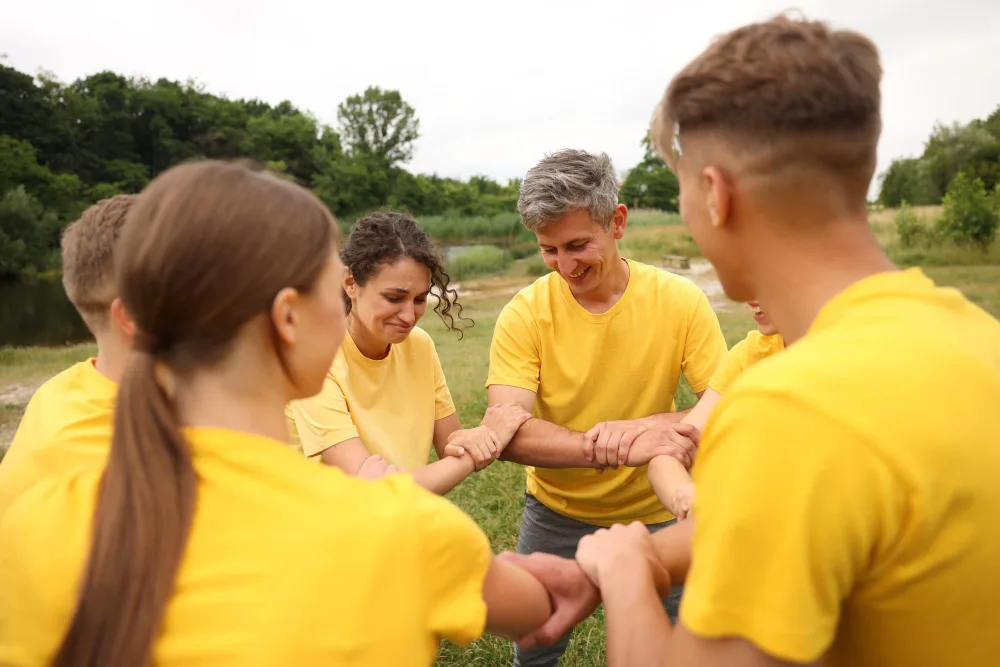
Despite recognizing the value of employee health, HR departments often struggle when executing traditional wellness campaigns due to persistent operational friction:
High Operational Costs: Hosting large offline sports events, buying external race slots, or funding individual gym passes demands substantial budgets with inconsistent returns.
Rapidly Declining Engagement: Initial enthusiasm often fades after 1–2 weeks without automated reminders, interactive features, or dynamic gamification to sustain interest.
Lack of Measurable Data: HR teams struggle to manually gather metrics, making it difficult to demonstrate tangible ROI, participation rates, or actual health improvements to executive boards.
Friction in Hybrid/Remote Models: Distributed workforces across multiple branches or remote locations find it difficult to participate together in synchronized, physical events.
4. Top 5 Effective Corporate Wellness Models for Modern Organizations

To create engaging experiences for employees, companies can leverage and combine the following proven models:
Model 1: Outdoor & Active Challenges (Walking, Running & Trekking)
This is the most accessible entry point. Companies launch challenges tracking steps, walking/running distances, or trail routes. These activities encourage staff to step away from screens, breathe fresh air, and recharge out in nature.
Model 2: Corporate Wellness Days & Educational Workshops
Organize short-form workshops with nutritionists, ergonomic specialists, or yoga instructors who teach quick desk-stretching routines and stress-relief techniques.
Model 3: Mental Health Support Programs
Establish quiet zones within offices, host routine meditation sessions, or provide confidential counseling resources dedicated to employees and their families.
Model 4: Green Team Building (Nature-Centric Experiences)
Shift from standard resort-based team bonding to immersive nature experiences like guided trekking, camping, or eco-cleanup drives that combine team building with environmental care.
Model 5: Digital Wellness Gamification
Digitize health challenges through a mobile application. Employees can log activities anywhere, follow real-time leaderboards, and redeem points for meaningful rewards.
5. A 5-Step Framework for HR to Launch Successful Corporate Wellness Programs
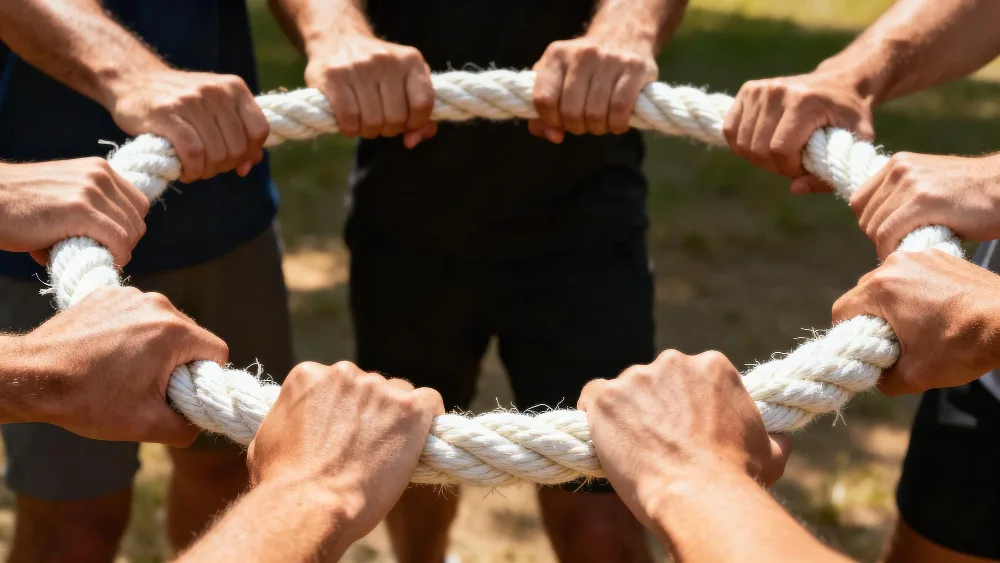
To maximize engagement and outcomes, HR teams should follow a standardized 5-step roadmap:
Employee Needs Assessment: Survey employees to identify specific health pain points (back pain, chronic stress, sedentary habits) and preference trends.
Define KPIs and Budget: Set measurable metrics (e.g., 80% active participation, cumulative 10,000 km target over 30 days) and align your budget accordingly.
Select the Right Platform Partner: Prioritize platforms that offer automated tracking, spatial flexibility, and scalable cost structures.
Execute Engaging Internal Communications: Build momentum with launch events and inter-departmental friendly competitions to foster team spirit.
Measure Results and Celebrate Success: Gather performance data, report outcomes to executive leadership, and host recognition events for top individuals and teams.
6. ExoTrails: The Next-Generation Solution for Corporate Wellness Programs
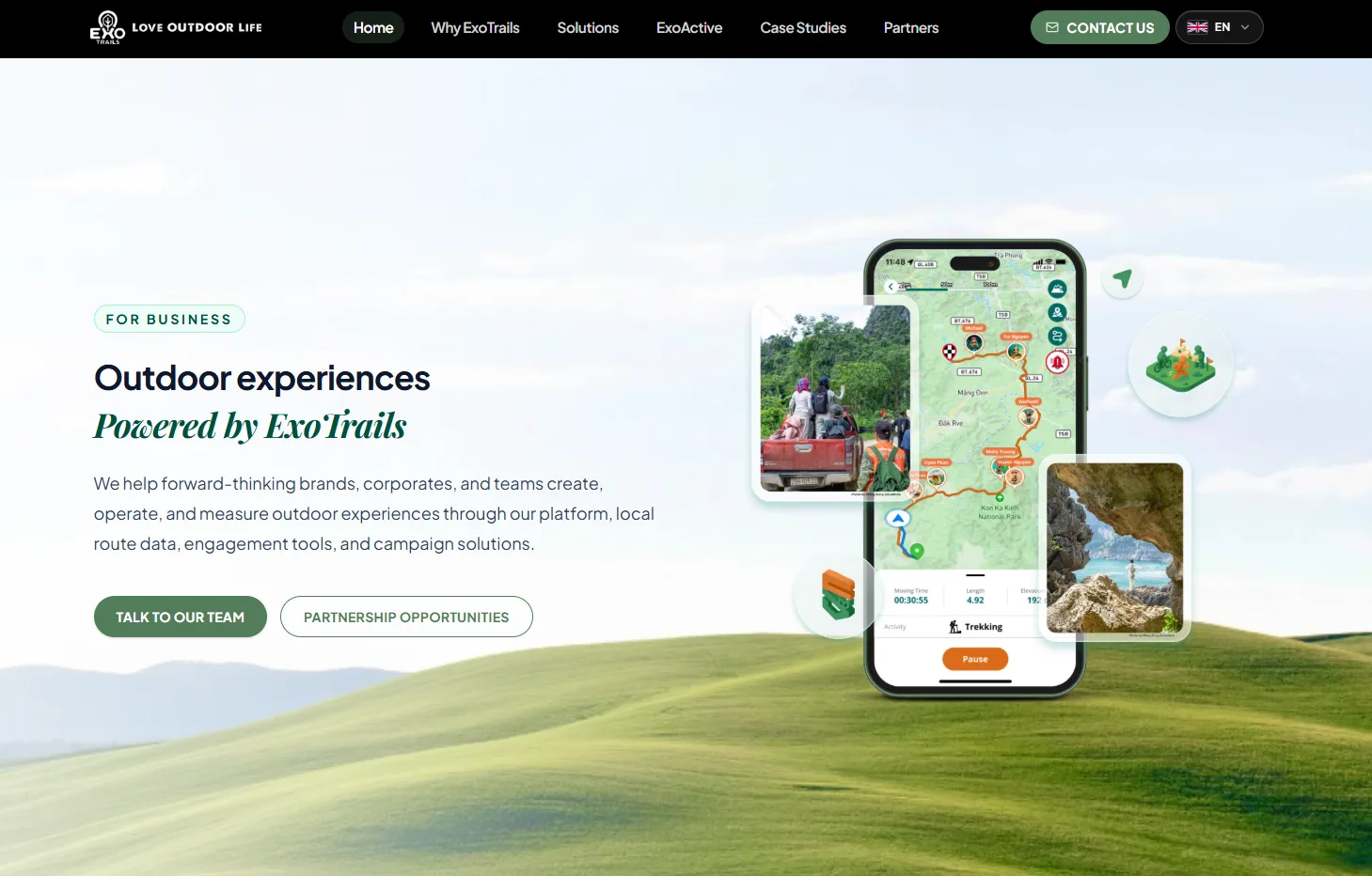
Understanding the operational hurdles faced by HR teams, ExoTrails offers a comprehensive Corporate Wellness & Outdoor Platform that seamlessly bridges digital innovation with outdoor active experiences.
Reduce Operational Costs
Compared to expensive traditional sports events or costly offline logistics, ExoTrails' digitized platform eliminates heavy operational overhead, physical collateral, and manual coordination—allowing companies to maintain year-round wellness initiatives affordably.
Centralized Management Dashboard for HR (ExoTrails Organizer)
Accurate Data Synchronization: Automatically tracks activities (Walking, Running, Trekking, Cycling) using precise GPS technology and custom mapping.
Real-Time Leaderboards: Fosters healthy competition across departments, driving continuous daily engagement.
Visual Data Reporting: Generates instant analytics on engagement rates, distance metrics, and activity levels—making ROI reporting to C-suite executives effortless.
Safe and Professional Outdoor Navigation
ExoTrails features offline navigation tools and off-route warnings, ensuring employee safety during company trekking or outdoor weekend outings—even in remote areas without mobile connectivity.
Seamless ESG & CSR Integration
ExoTrails enables organizations to convert employee activity miles into real-world impact, such as planting trees or funding local community initiatives, making sustainability goals tangible and rewarding.
7. Conclusion
A well-architected corporate wellness program is much more than an employee perk—it is a high-leverage strategic driver that enhances productivity, improves talent retention, and builds a resilient workplace culture. Combining outdoor physical engagement with smart digital tools represents the future of corporate health strategy.
Contact ExoTrails today for a consultation on tailored Outdoor Wellness & Trekking programs designed for your corporate budget and culture.
8. Frequently Asked Questions (FAQs)
Can we launch a corporate wellness program with a limited budget?
Absolutely. You don't need a massive budget to start. Digital solutions like ExoTrails allow organizations to launch virtual walking, running, and lifestyle challenges at a fraction of traditional costs while keeping engagement levels high.
How can HR maintain long-term motivation among office employees?
The key lies in gamification. Interactive team leagues, real-time leaderboard updates, and small, frequent milestones keep employees motivated and invested throughout the program.
What is the ideal duration for an internal corporate wellness campaign?
The optimal timeframe for an intensive wellness challenge is typically 21 to 30 days. This provides sufficient time for employees to build healthier daily habits without experiencing campaign fatigue.