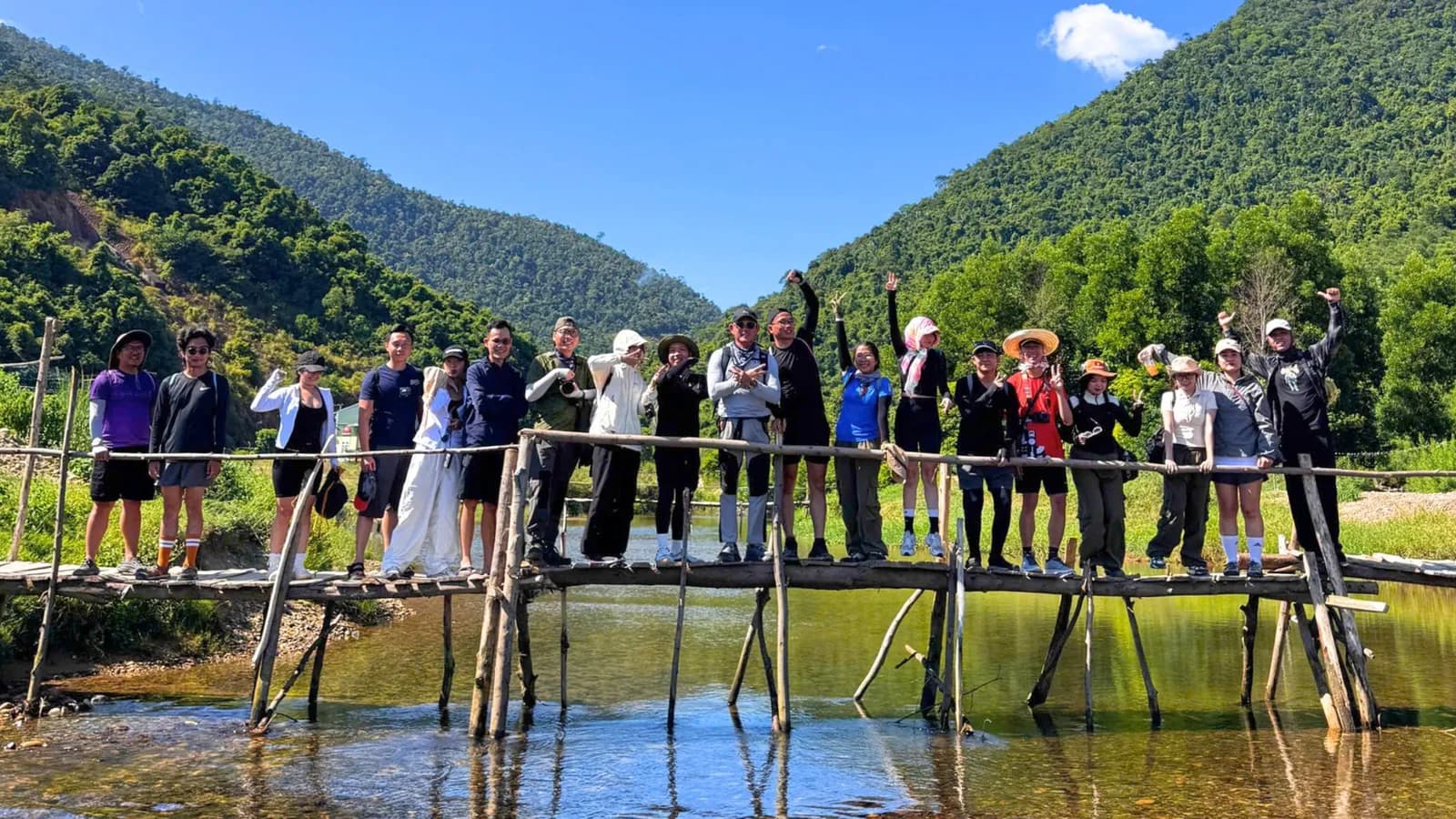
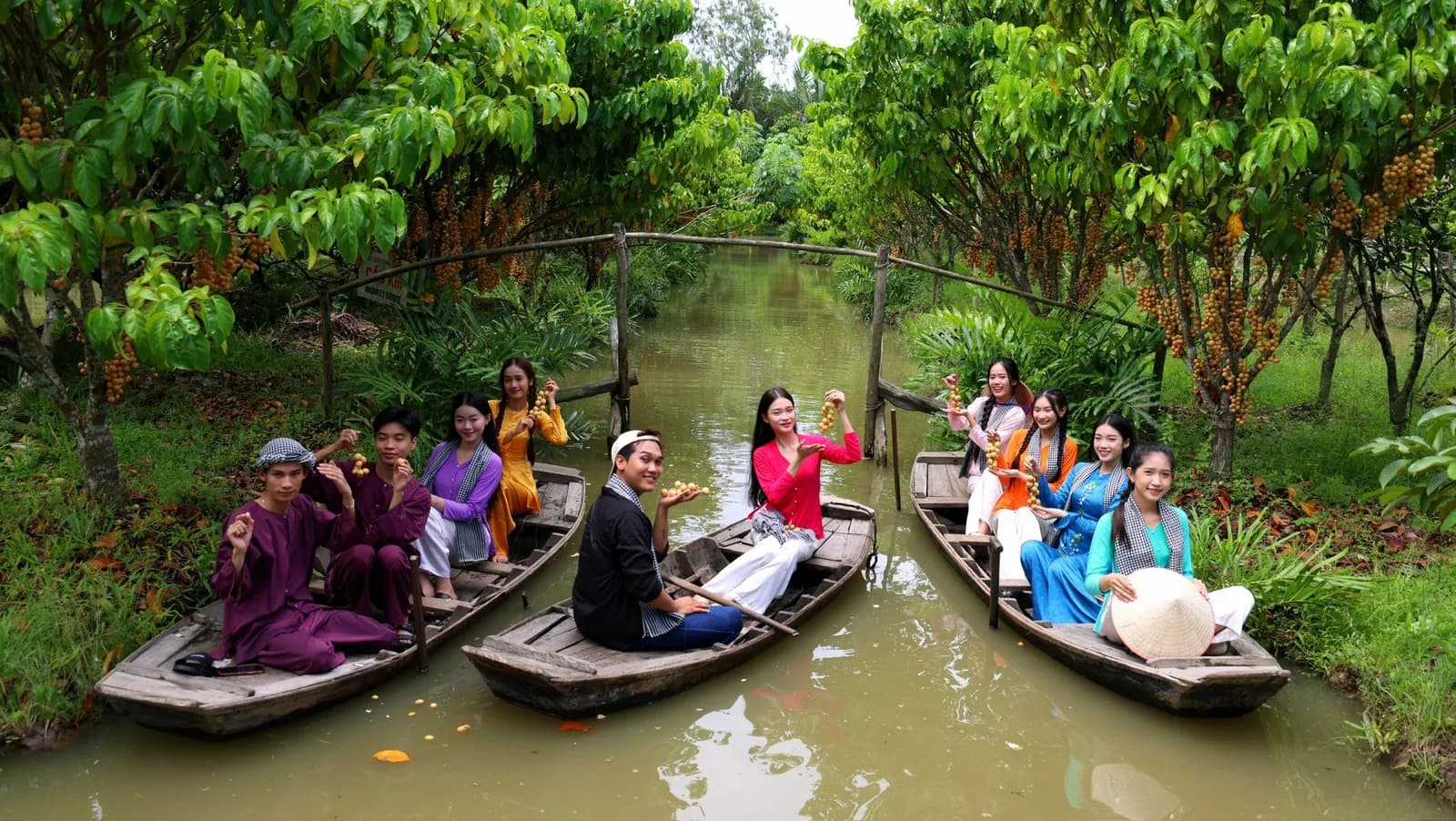
A meal prepared by a local host. A garden visit led by the person who tends it. A boat journey that leaves time to understand how people use the river.
These experiences can give Mekong Delta ecotourism meaning beyond an attractive landscape. The important questions are how an activity is organised, who participates and what benefits remain after visitors leave.
For travellers interested in regenerative travel, the starting point is practical: choose experiences shaped by local priorities, ask where your spending goes and look for evidence behind environmental claims.
Start planning with ExoTrails:
What Does Mekong Delta Ecotourism Mean?

Ecotourism involves more than visiting somewhere green. The International Ecotourism Society connects it with environmental conservation, local people’s well-being and education. UN Tourism similarly emphasises learning about nature and culture while supporting host communities and limiting negative impacts.
Use these principles when assessing a trip:
Does someone explain the landscape and its challenges?
Do local people help design and deliver the experience?
Are environmental practices described clearly?
Does the activity respect access rules and community preferences?
A small boat, rural setting or “eco” label provides only part of the picture.
Where Does Regenerative Travel Fit?
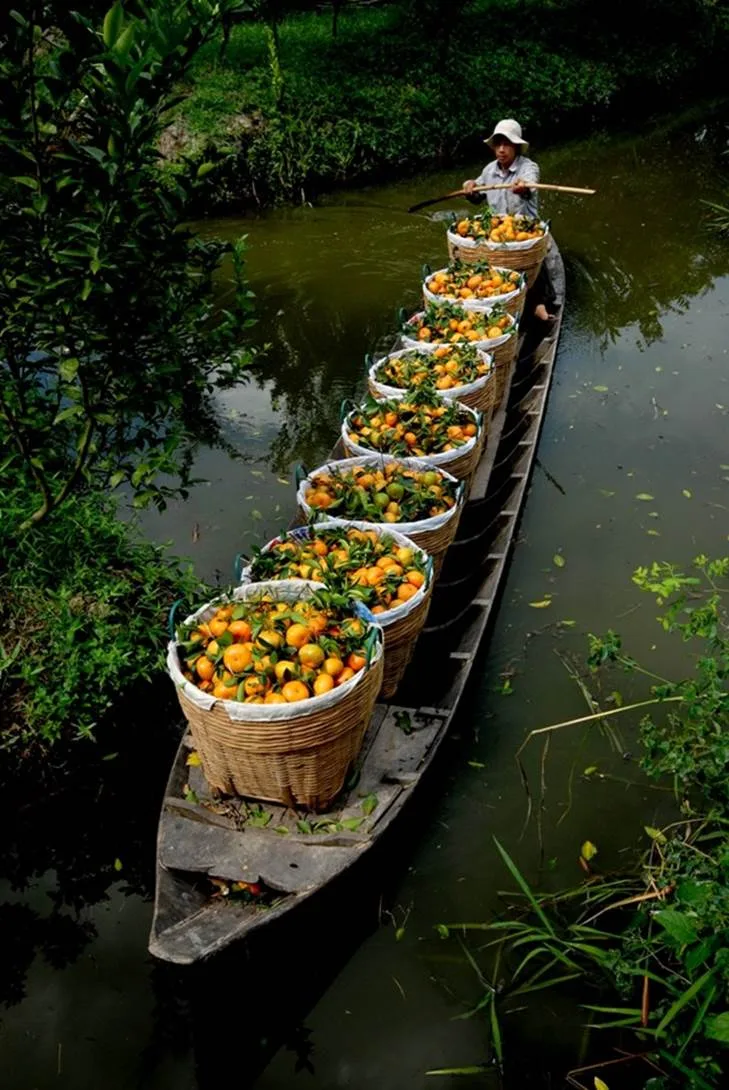
For this guide, a regenerative approach means asking how tourism can contribute to locally defined improvements and how those improvements will be assessed.
This builds on responsible travel practices rather than replacing them. Reducing waste still matters. So do fair payment, informed hosts and respect for private spaces.
Before accepting a claim that a trip “gives back,” ask:
Claim | Useful follow-up question |
Supports local communities | Who provides the services, and how are they paid? |
Funds conservation | Which organisation receives funding, and for what work? |
Restores habitats | Who designed the project and monitors its progress? |
Preserves culture | Do practitioners decide what they share and receive payment? |
Reduces environmental impact | What practices or measurements support that statement? |
Clear answers make comparison easier. Vague promises deserve further questions.
Why the Delta’s Environmental Context Matters
The Mekong Delta is a contemporary working region facing substantial pressures. The World Bank identifies environmental and economic challenges affecting livelihoods, including saline intrusion, freshwater pressures and the need for more resilient agriculture.
A visitor cannot resolve these challenges through one excursion. However, a well-organised experience can help you understand them and support people providing useful services. Ask hosts how farming, water conditions and local work have changed. Let them decide which stories they wish to share.
Community Experiences Worth Researching
Cồn Sơn, Cần Thơ: Learn Through Local Hosts

Cồn Sơn offers a concrete example of community-based tourism. Vietnam’s tourism authorities describe households providing different experiences, including orchard visits and traditional cake-making. These activities create opportunities to learn from the people delivering them.
When arranging a visit, ask which households will host you, what is included and whether the programme changes seasonally. Choose activities that interest you and allow enough time for explanation. Confirm permission before handling produce or entering working areas.
Cồn Chim: Explore a Community-Shaped Itinerary
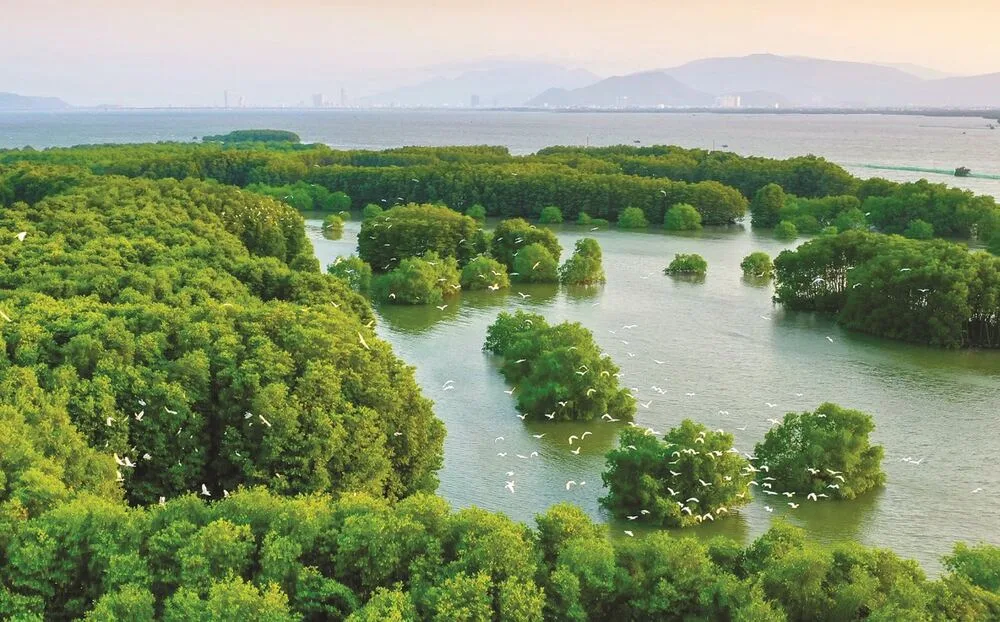
Cồn Chim, in the former Trà Vinh area and now within Vĩnh Long province, is another destination to research. Current tourism coverage identifies it as a community-tourism setting in Hòa Minh. Published accounts describe participating households providing different food and visitor experiences, with agriculture forming part of the setting.
Ask a community representative how visits are organised and which activities are currently available. Treat descriptions of farming practices as topics to learn about, rather than proof that every visit produces a measurable environmental benefit.
Wetland Learning: Consider a Separate Park Visit
If conservation is your main interest, investigate a managed wetland visit as its own itinerary. ExoTrails’ Tram Chim National Park guide introduces the setting and planning considerations. Confirm permitted routes, current visitor activities and interpretation with the park. Avoid promising particular wildlife sightings or access to conservation work.
Support Restoration Without Making Assumptions

A tree-planting photograph does not establish successful restoration. IUCN’s discussion of mangrove restoration stresses the importance of water movement, sediment and natural recovery. Planting is not always the appropriate first intervention.
If an operator offers a planting or restoration activity, ask:
Who manages the site?
What problem is the project addressing?
Is visitor participation appropriate?
Who maintains and monitors the work afterwards?
How is success reported?
A contribution toward ongoing professional work may be more useful than hands-on participation. For clean-ups, join an organised activity with appropriate supervision and a disposal plan. Do not assume collecting material from a riverbank is a suitable independent visitor activity.
Pay for Cultural Knowledge, Not Just Products

Craft and food experiences involve someone’s time, preparation and skill. Ask who leads a demonstration and whether payment is included. Agree on charges before participating, and respect a host’s decision to keep parts of a process private.
Buying directly can support a producer, but listening also requires consideration. Arrange a visit rather than expecting a working household to stop its day for an unplanned conversation. Request permission before photographing people or sharing identifying details online.
Travel Slower with a Clear Purpose
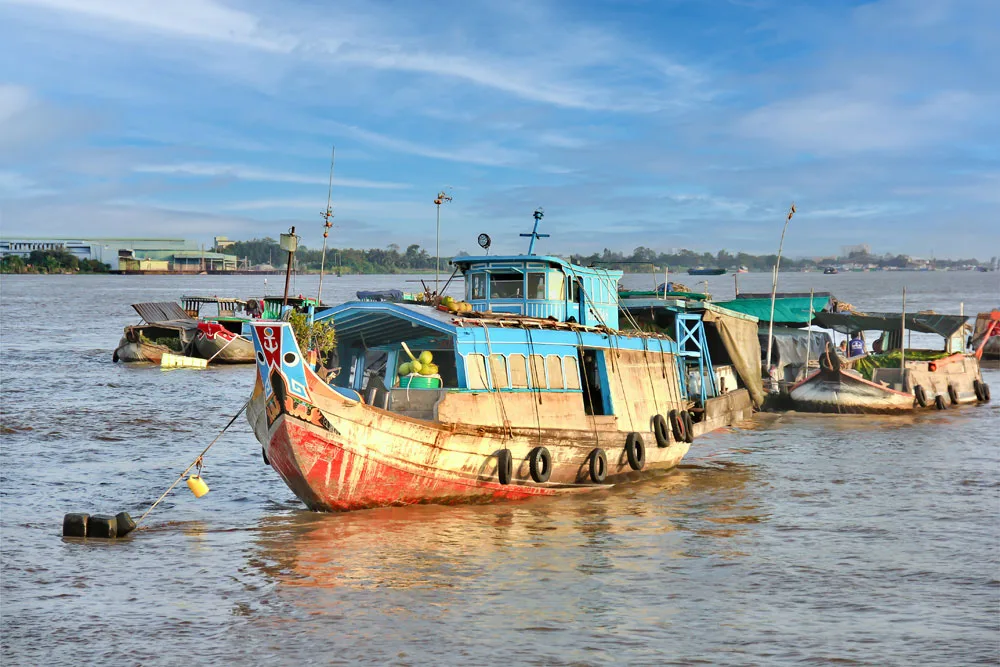
A longer stay can give you time to learn, but duration alone does not establish a lower environmental footprint. Make the extra time useful: reduce unnecessary transfers, choose activities near your accommodation and spend with participating local businesses. A focused itinerary might include:
An agreed boat outing.
A hosted meal or workshop.
Time to rest and explore an accessible local area.
A separate conservation-focused visit if it fits the trip.
Avoid treating Cần Thơ, Cồn Chim and distant wetlands as interchangeable stops on one short excursion. For help comparing locations, read the ExoTrails Mekong Delta boat tour guide.
Before Booking an Ecotourism Experience
Check | What to establish |
Local participation | Who hosts, guides and makes decisions |
Price | What is included and who supplies each service |
Group size | Whether the host can comfortably accommodate it |
Environmental practices | Waste, wastewater and refill arrangements |
Access | Permissions for farms, homes and natural areas |
Conservation claims | Named projects, partners and reported outcomes |
Changes | Alternatives when weather or hosts’ schedules change |
ExoTrails can support destination discovery and trip preparation. Confirm bookings and current arrangements directly with the relevant provider.
FAQs About Mekong Delta Ecotourism
Is every rural homestay an ecotourism business?
No. Assess its practices, local participation and learning opportunities rather than relying on its setting.
Do I need to volunteer to make a useful contribution?
No. Paying fairly for locally provided services can be worthwhile without adding a volunteer activity.
Is mangrove planting always beneficial?
No. Effective restoration depends on site conditions and an appropriate ecological plan. IUCN
Can I visit Cái Răng responsibly?
Choose a clear itinerary, respect traders’ work and privacy, and ask how local providers participate. A market visit should not automatically be described as regenerative.
How can I assess a “regenerative” tour?
Look for locally agreed goals, named partners, transparent funding and evidence of progress.
Let Local Priorities Shape the Journey
Meaningful Mekong Delta ecotourism begins with careful choices: who you book with, what you ask and how you behave.
Choose experiences that welcome your participation, pay fairly and keep learning. The contribution should make sense to the people hosting you.
Download ExoTrails to discover places and gather ideas for your next journey.
Continue exploring with the ExoTrails Tram Chim National Park guide for a closer look at the delta’s wetland landscape.