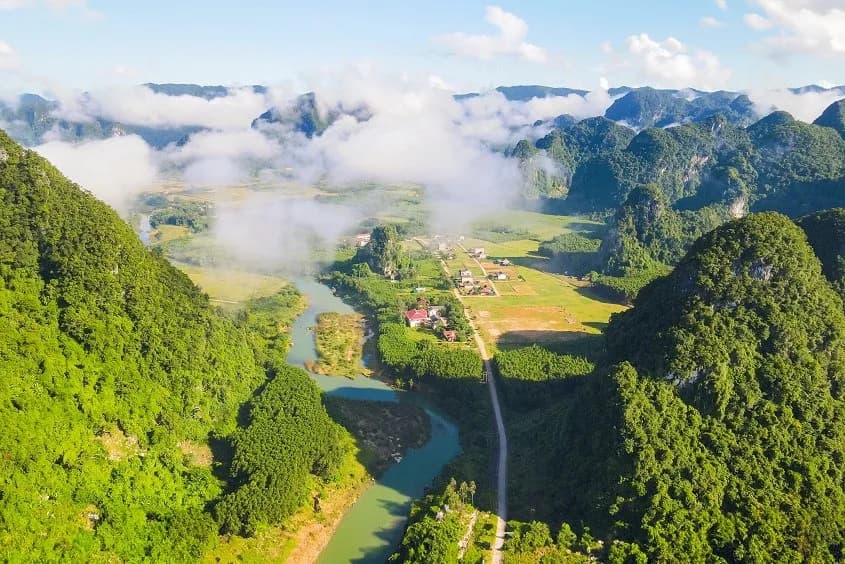

Vietnam’s northern mountains often capture travellers’ imaginations first. Yet the limestone heart of Central Vietnam offers another compelling landscape: forested valleys, underground rivers and communities whose lives are closely connected to the mountains.
For travellers interested in Quang Binh ecotourism, the journey can extend beyond the illuminated walkways of well-known caves. Around Tu Lan, the former Tuyen Hoa area and Hung Thoong, different experiences reveal how water, wildlife and local livelihoods meet.
Here, the reward might be a forest campsite beneath the stars, a river disappearing into limestone or a conversation with someone working to protect an endangered primate.
Location note: The former Quang Binh and Quang Tri provinces merged into the current Quang Tri province in 2025. “Quang Binh” remains a familiar travel name, but check current addresses when arranging transport and activities.
The Flood-Shaped Valleys of Tu Lan
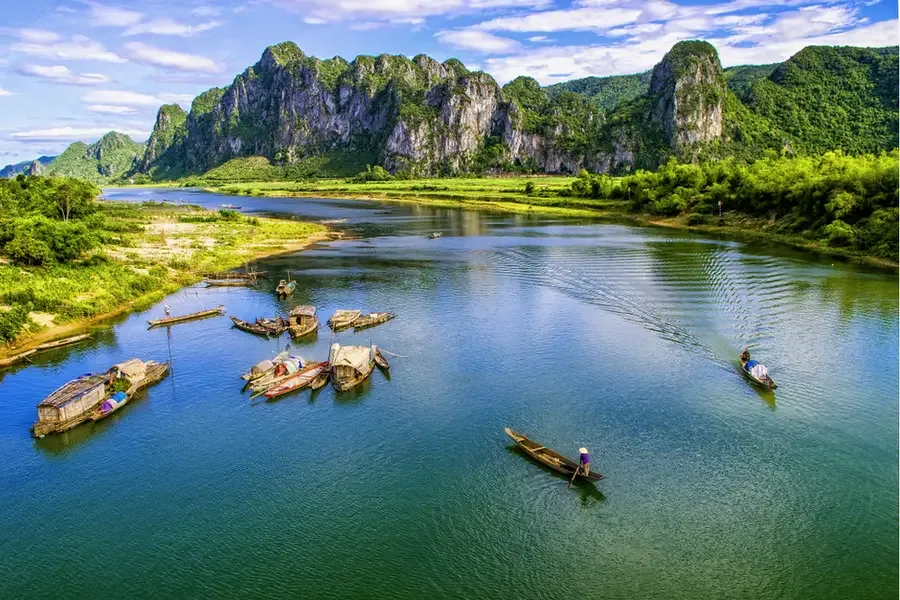
While Phong Nha–Ke Bang is the region’s best-known national park, the Tu Lan cave system offers a separate introduction to its limestone landscapes.
Oxalis identifies Tu Lan as an independent cave system outside the national park, with valleys and mountains connected by underground rivers and caves associated with the Rao Nan River. Its current location is described within Kim Phu and Cao Quang communes, Quang Tri province.
This is a landscape where water changes both the scenery and the way people move through it.
The Experience: Walking, Scrambling and Cave Swimming
On selected Tu Lan itineraries, exploration involves more than walking into a cavern.
Oxalis’ published two-day Cave Encounter itinerary combines farmland walking, rocky terrain, a ladder section and swimming through parts of the cave system. The operator notes that weather can change the programme and make the trek muddy and slippery.
The transition is part of the appeal: open fields give way to limestone slopes, forest and the enclosed world of a river cave.
Choose the specific itinerary carefully. Different Tu Lan trips have different demands, and photographs alone cannot tell you whether a route suits your fitness or confidence in water.
The Community Connection: Adapting to Flooding
Tan Hoa’s story is inseparable from seasonal flooding.
Oxalis describes a weather-adaptive tourism model involving floating homestays, meals in local homes and services connected with cave exploration. Its account also explains how floodwater drains through the area’s underground river system.
Local knowledge, including Nguon cultural heritage, adds another dimension to the landscape. Ask hosts how weather affects farming, housing and tourism rather than expecting a single story of untouched wilderness.
Early morning mist may soften the valley, turning distant buffalo into silhouettes. But behind that atmospheric scene is a place where people work, prepare and adapt.
The Limestone Sanctuaries of Tuyen Hoa
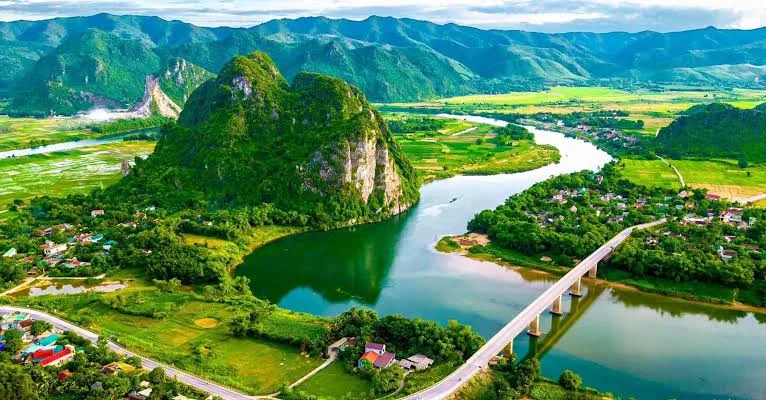
The former Tuyen Hoa area offers another perspective on Quang Binh ecotourism: community involvement in protecting limestone habitats.
These mountains support the Hatinh langur, an endangered primate whose survival depends on the protection of its habitat. Conservation here includes organised local efforts rather than an undiscovered wildlife spectacle.
The Experience: Learn from Community Conservation
Mekong Region Land Governance documents a conservation cooperative launched in 2023 in Thuan Hoan village, then part of Dong Hoa commune, Tuyen Hoa District.
Its work includes forest patrols, habitat monitoring and livelihood activities, with tourism services among its stated areas of development.
For visitors, the opportunity is to understand this work through an appropriately arranged experience. Ask who leads the visit, where observation takes place and what activities are currently available.
Community conservation members should not automatically be described as government rangers or former loggers. Their roles and personal histories deserve accurate introductions.
The Impact: Support Protection Without Promising Sightings
HiVOOC describes wildlife visits accompanied by members of the local langur conservation community. Confirm current arrangements directly before adding this experience to your itinerary.
Watching a langur family move across a limestone slope can be memorable, but sightings and particular behaviours cannot be guaranteed.
Keep your distance, remain quiet and follow the host’s observation guidance. Binoculars can help you appreciate wildlife without approaching it.
A visit can support local services and conservation-related livelihoods. To understand any direct conservation contribution, ask which payment reaches the cooperative or a named project.
The Forest Valleys and Caves of Hung Thoong
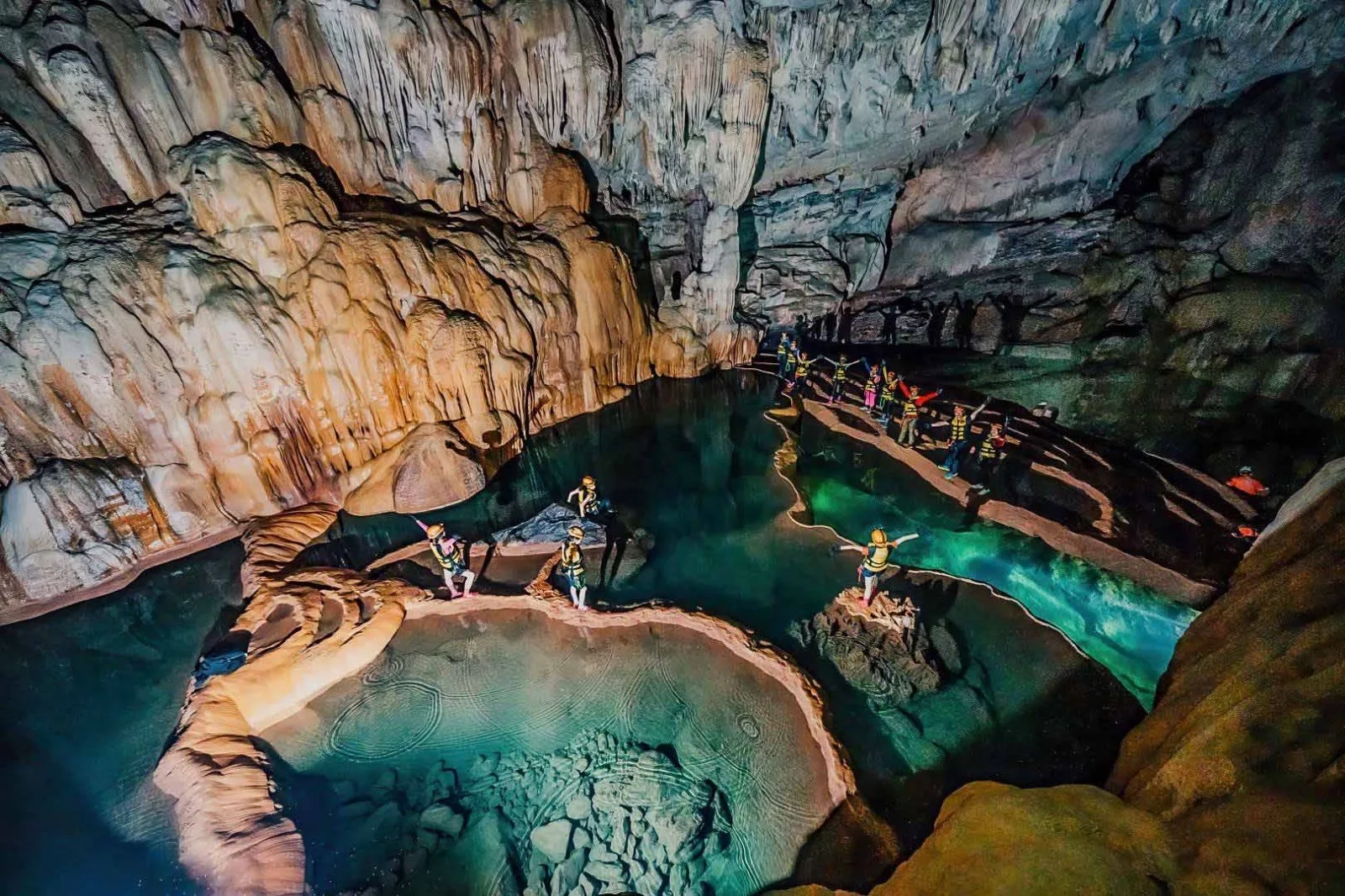
Hung Thoong brings the focus back beneath the forest canopy.
Jungle Boss describes its Hung Thoong Exploration as a three-day, two-night journey in Phong Nha–Ke Bang National Park. The programme began operating in January 2023 and combines forest trekking, cave exploration and camping.
The landscape is remote from ordinary sightseeing routes, but it is an organised adventure with a defined itinerary—not an invitation to explore independently.
The Hidden Details: Formations, Underground Water and Forest
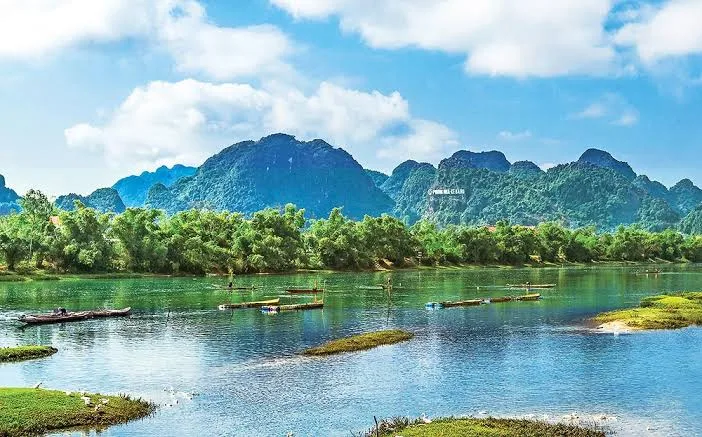
The operator’s itinerary identifies Hung Cave, Tron Cave and Thung Cave, along with the Hung Thoong stream and Ma Da Lake.
It describes formations including cave pearls, underground swimming sections and rope-based activities. These provide a grounded explanation of the experience without introducing an unverified attraction called “Crystal Grotto.”
Between the caves, forest walking offers a different scale of discovery. Light filters through the canopy, vegetation crowds the path and the next opening in the limestone changes the journey again.
Confirm the current route, technical requirements and equipment with the operator before booking.
The Environmental Responsibility: Minimise Impact
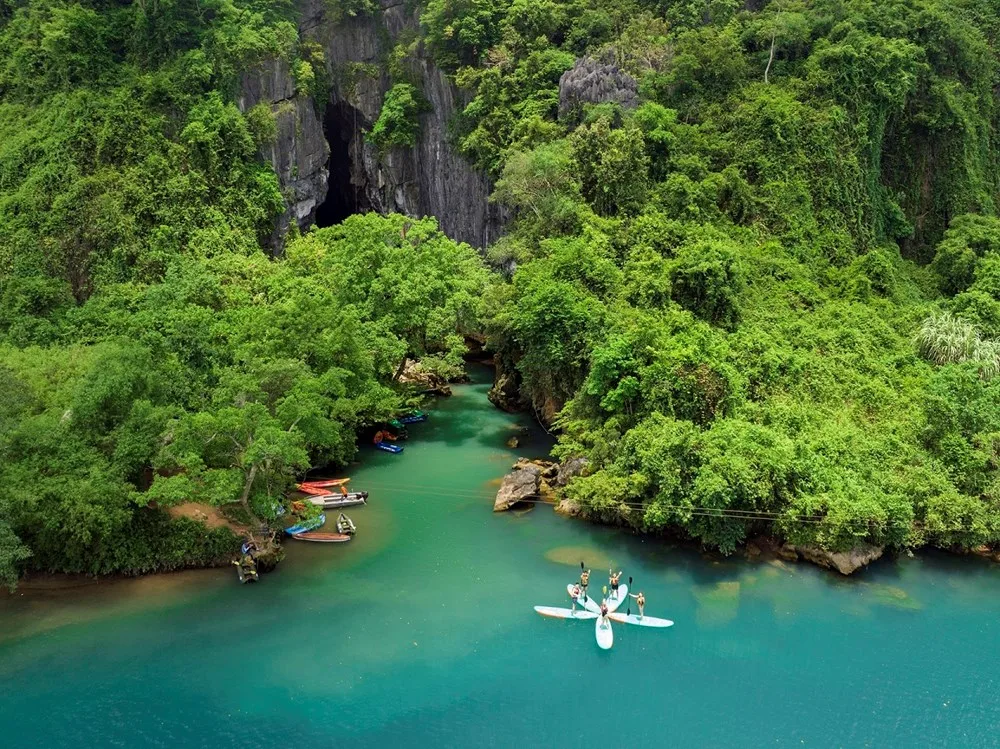
Camping in a protected landscape requires careful management.
Ask how the expedition handles toilet waste, wastewater, food scraps and rubbish. Follow the designated route and camp arrangements, and avoid touching formations or disturbing cave floors.
A campsite should not be described as having “zero chemical footprint” without evidence. The meaningful commitment is to reduce disturbance, explain the measures used and comply with the site’s access conditions.
For more underground inspiration, explore ExoTrails’ introduction to Vietnam’s caves.
The Mandate: Respect the Flow
Water is central to these landscapes. It shapes caves, connects valleys and influences which activities are appropriate on any given day.
A responsible journey begins by accepting those conditions.
Confirm your itinerary with the relevant provider, be prepared for changes and carry only what the trip requires. Keep waste out of streams, leave geological features undisturbed and respect the people working within these places.
The deeper discovery is a new perspective on how much lies beyond a familiar view.
It may arrive in the quiet of a cavern, beside a forest stream or while listening to someone describe years of conservation work.
Quang Binh ecotourism becomes more meaningful when curiosity is matched with that understanding: the landscape is extraordinary, and the way we enter it matters.
Discover more nature destinations with ExoTrails and find inspiration for your next journey through Central Vietnam.