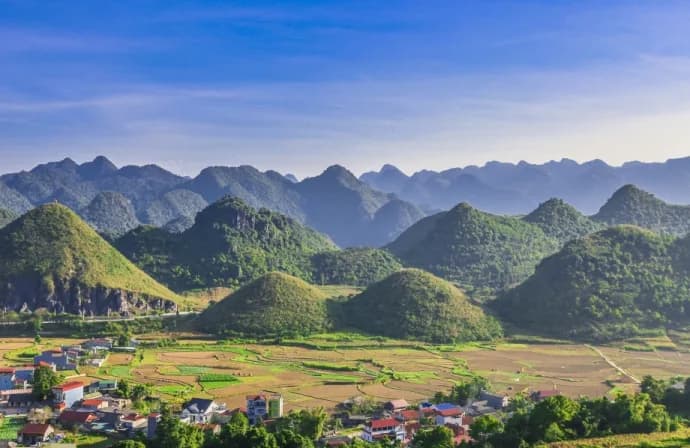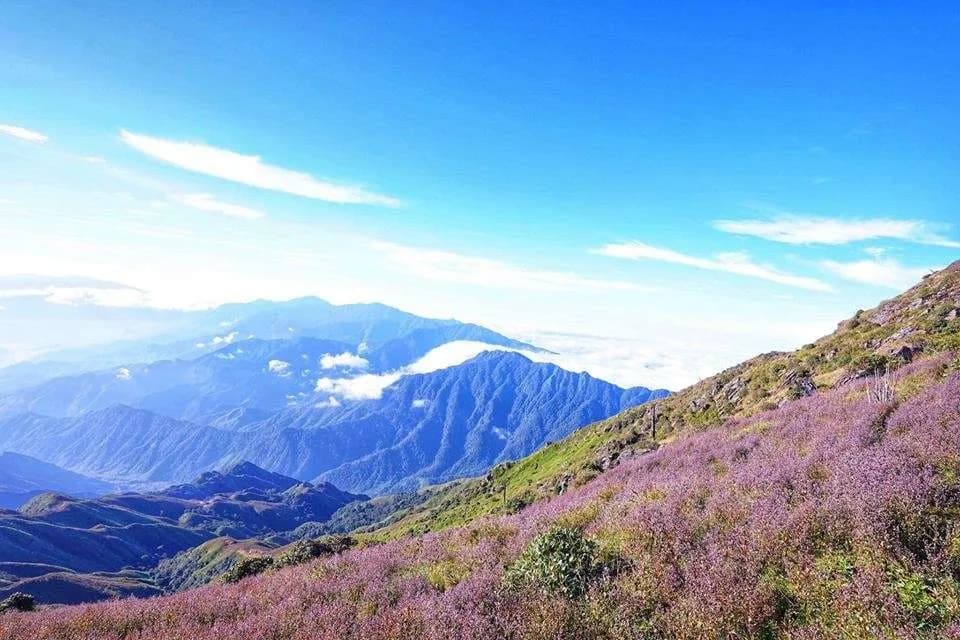


Every trail tells a story of footsteps that came long before us, of rivers that shaped civilizations, and of mountains that hold ancestral memory. In Vietnam, these stories live in the land itself. From the highland villages of Hà Giang to the forest valleys of Kon Tum, ancient trails carved by ethnic communities are more than routes of travel, they are living links to identity, heritage, and spirit. Today, as modern adventurers rediscover these paths, ExoTrails is working to ensure that exploration becomes a bridge of respect not disruption between cultures, defining the standard for indigenous tourism in Vietnam.
Read more interesting posts here:
- Romantic Journeys: The Top 10 Vietnam Honeymoon Destinations Guide
- The Soundtrack of the Wild: Immersing in Nature Sounds Vietnam Offers
- Silent Stories: Exploring the Grandeur of Hue Imperial City
Walking with the Ancestors: The Foundations of Indigenous Tourism in Vietnam

Long before the modern road or the travel map, Vietnam’s ethnic groups — the Hmong, Dao, Ê Đê, and Tay, among many others — forged intricate networks of trails across the country. These were not just passageways but cultural lifelines connecting villages, markets, and spiritual sites. To walk these paths is to trace the rhythm of Vietnam’s living heritage.
ExoTrails collaborates closely with local communities, tribal leaders, and regional guides to document these traditional routes with authenticity and care. Each verified trail is mapped not only for navigation but also for storytelling — highlighting local customs that define the journey. It’s a modern act of preservation, one that honors the guardians of the land by giving their knowledge new life in a digital age and strengthening the foundation of indigenous tourism in Vietnam.
Cultural Preservation Through Collaboration in Indigenous Tourism in Vietnam
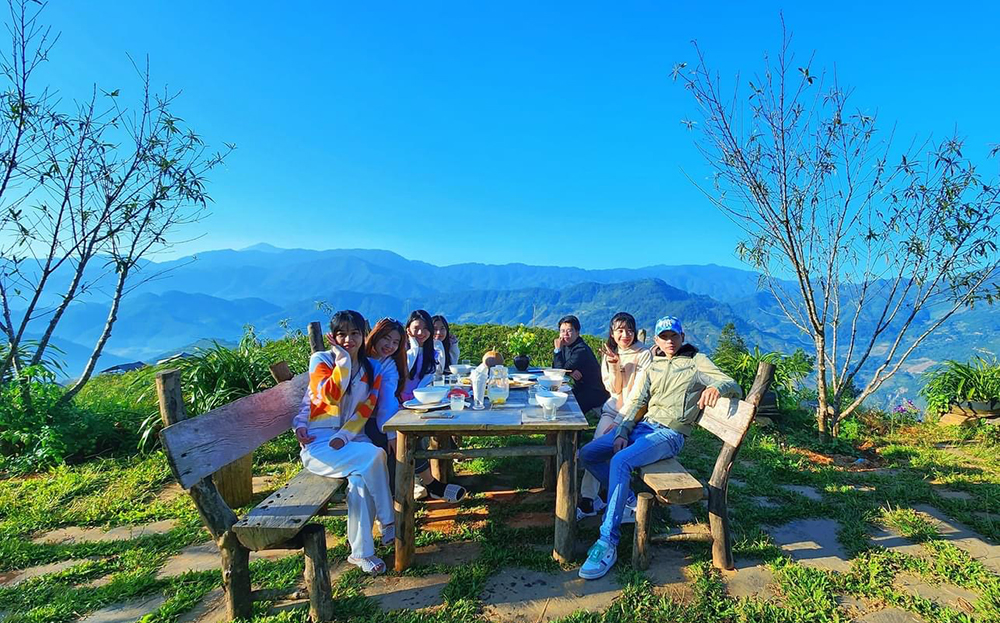
At the heart of this initiative is collaboration, not collection. ExoTrailsensures that every piece of cultural and geographic knowledge is shared ethically with our users and BaseCamp community. The app’s and website’s content on traditional crafts, festivals, and cuisine is developed hand-in-hand with local voices — empowering them to represent their own heritage.
This approach turns exploration into cultural exchange, where travelers don’t just “visit” — they learn. A hiker might discover the legend behind a mountain name, the meaning of a rice terrace pattern, or the etiquette of entering a stilt house. In every detail, ExoTrails helps ensure that the curiosity of outsiders strengthens rather than overshadows indigenous identity, promoting responsible indigenous tourism in Vietnam.
Technology as a Keeper of Wisdom for Indigenous Tourism in Vietnam
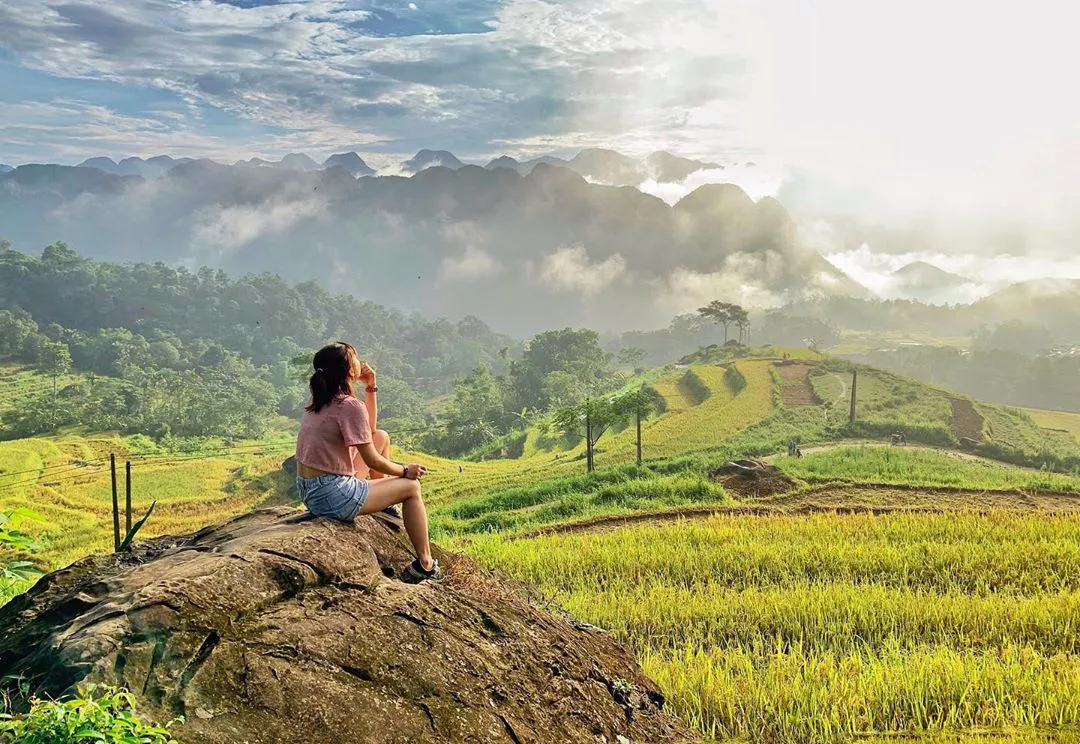
Technology often risks replacing tradition — but in the right hands, it can protect it. ExoTrails uses its digital platform to archive trails, articles, skillsets, hacks, and environmental data when available, ensuring they remain accessible for future generations. Each map, image, and story forms part of a collective memory that supports indigenous tourism in Vietnam, helping travelers connect with local cultures while preserving their heritage.
Through verified partnerships with cultural groups and local communities, ExoTrails is also helping to establish ethical exploration standards — guidelines that protect the land, limit over-tourism, and encourage respectful engagement with indigenous communities. This model demonstrates how modern adventure tech can coexist with ancient traditions — amplifying, not erasing, their voice.
Vietnam at the Heart of a Regional Legacy

As ExoTrails prepares to expand its innovative features and future expansion into neighbouring countries like Malaysia, Laos, and Thailand, Vietnam stands as the cultural cornerstone of its mission. The country’s rich mosaic of ethnic diversity — more than 50 distinct groups — provides a foundation for indigenous tourism in Vietnam and a regional effort to honor indigenous heritage through responsible travel. The same respect guiding Vietnamese mountain paths will extend to the jungles of Laos and the hill tribes of northern Thailand, uniting the region through shared cultural stewardship.
Where Respect Meets Adventure

Exploration without understanding is just movement. But when adventure meets respect, it becomes meaningful. Through ExoTrails, travelers are not only guided by GPS — they are guided by stories, by the wisdom of those who have walked these trails for centuries.
In Vietnam, every path holds a spirit — and now, every explorer has the chance to listen. Because the future of travel isn’t about going farther — it’s about going deeper, into the heart of culture, community, and the living land itself.
Conclusion
Ethical indigenous tourism in Vietnam, as championed by organizations like ExoTrails, transforms simple exploration into a powerful act of cultural preservation and respect. By ensuring that local ethnic communities are the primary beneficiaries and storytellers of their own heritage, this model creates a sustainable pathway for adventurers to connect authentically with Vietnam's diverse soul and ancestral landscapes.
Want to ensure your adventure respects the local culture? Join our vibrant community on Facebook to share your trekking stories and tips, and don't forget to like the ExoTrails fanpage for the latest updates and exclusive offers!
Frequently Asked Questions (FAQs)
Q: What is the main benefit of indigenous tourism in Vietnam for local communities?
A: It provides direct, sustainable income to ethnic families and empowers them to preserve their unique traditions and ancestral lands against modernization.
Q: Which regions are best for authentic indigenous tourism in Vietnam?
A: Northern provinces like Hà Giang and Lào Cai (outside of the main Sapa town) and the Central Highlands (Kon Tum, Đắk Lắk) offer the most authentic opportunities.
Q: How does one ensure respectful engagement during indigenous tourism in Vietnam?
A: Always ask permission before photographing, be mindful of local dress codes, and follow the guidance of local community leaders or specialized ethnic guides.
Q: Are the ancient trails in indigenous tourism in Vietnam safe for travelers?
A: Yes, trusted platforms like ExoTrails verify these traditional routes for safety and provide essential navigation and environmental information for self-guided ethical travel.