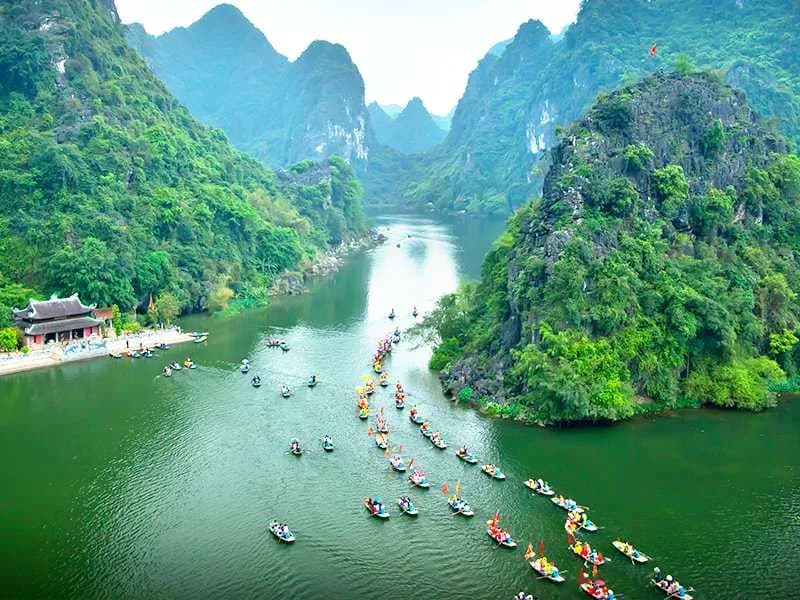


In a world that often feels overwhelming and disconnected, more travelers are seeking journeys that allow for introspection and genuine connection. Vietnam, with its rich tapestry of culture, spirituality, and community, now stands as a beacon for those on a quest for deeper meaning. From the ancient temples of Hue to the majestic heights of Fansipan, the country offers a profound pilgrimage that invites travelers to reconnect with themselves and the world around them, guided by the numerous pilgrimage sites Vietnam preserves.
Read more interesting posts here:
- The Mekong’s Final Breath: Life at the Edge of the Mekong Delta Mangroves
- Hidden Hanoi: Uncovering the Best Non-Touristy Things to Do in Hanoi
- The Ritual of the Grind: Unpacking the Vibrant Vietnam Cafe Culture and Slow Living
Midday Reflection: Hue’s Temples and Pilgrimage Sites Vietnam
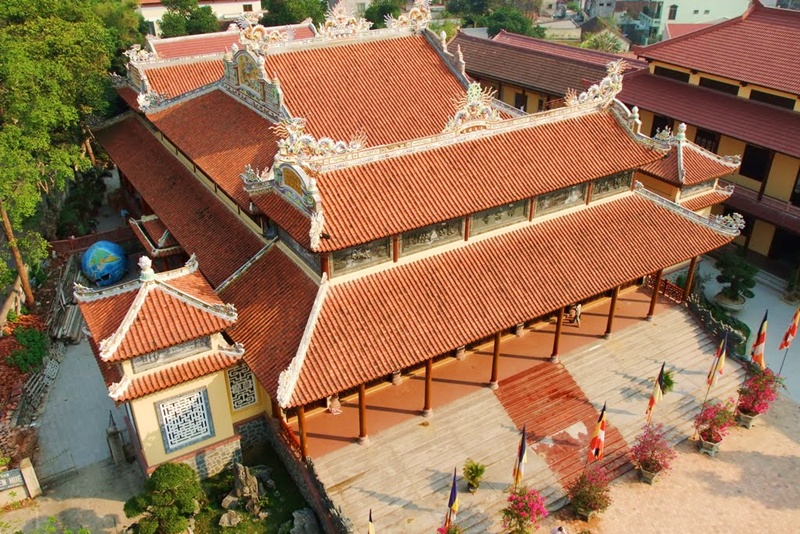
The journey often begins in Hue, the historic capital known for its stunning imperial citadel and ancient temples. Wandering through the meticulously preserved architecture, one can almost hear the whispers of history echoing through the air. Each temple is a sanctuary, a place where spirituality intertwines with daily life. The ornate designs and serene surroundings encourage contemplation, providing a backdrop for personal reflection.
Among the most important pilgrimage sites Vietnam offers are the royal tombs and pagodas of Hue. Here, visitors can immerse themselves in local traditions—perhaps participating in a tranquil meditation session or exploring the sacred practices of the Buddhist monks who call these temples home, notably at the Thien Mu Pagoda.
The Spiritual Ascent: Fansipan and Active Pilgrimage Sites Vietnam
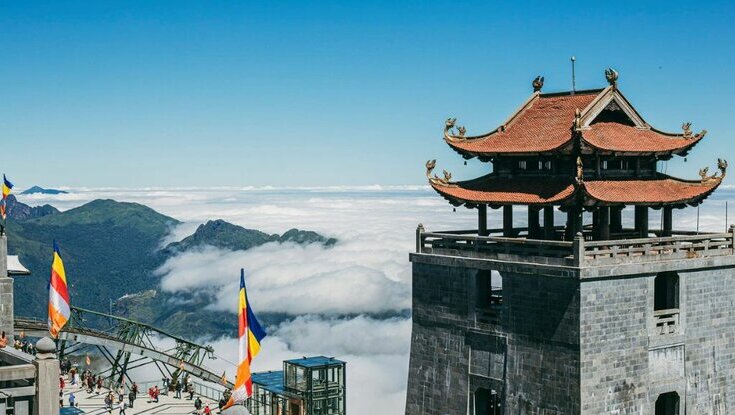
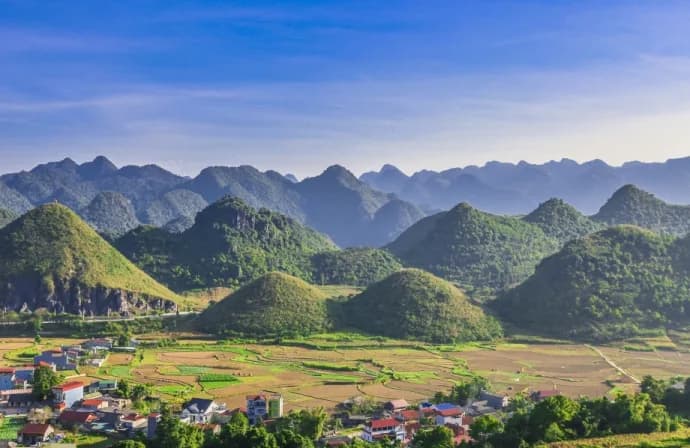
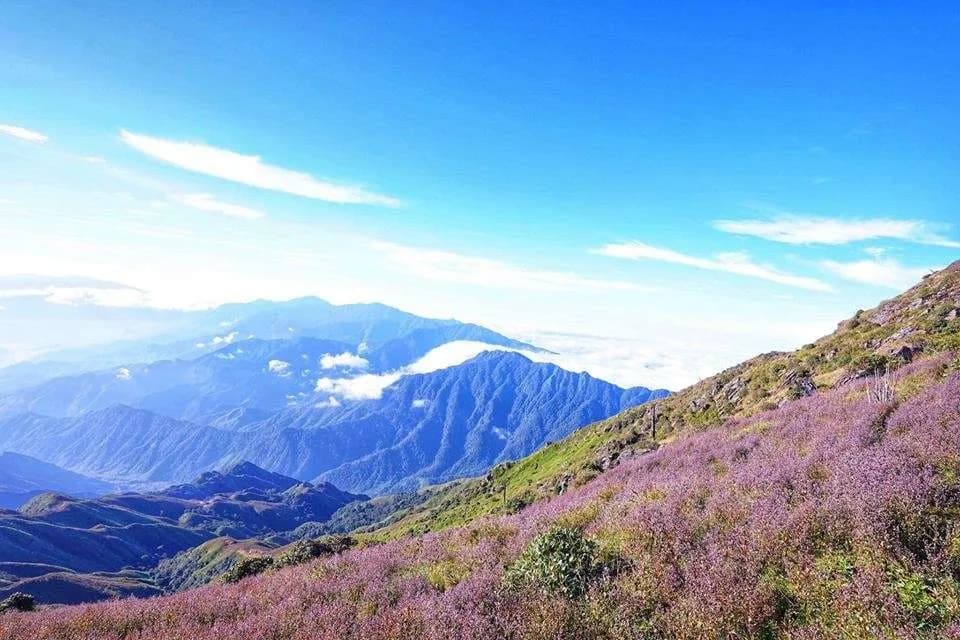
As travelers move from Hue into the heart of the countryside, the landscape transforms, revealing lush rice paddies, rolling hills, and tiny villages where the essence of community thrives. The pilgrimage continues as one seeks the serene heights of Fansipan, often dubbed the "Roof of Indochina."
The journey to this majestic peak is both challenging and rewarding, providing opportunities for self-discovery and mindfulness. As hikers traverse winding trails through dense forests and past cascading waterfalls, they are reminded of their own resilience and the beauty of nature. Arriving at the summit just as dawn breaks reveals a breathtaking panorama that hails the first light of day. Standing above the clouds, the experience becomes a moment of enlightenment, inviting reflection on life’s journey. The entire ascent can be seen as a spiritual challenge, similar to historical pilgrimage sites Vietnam has always had.
Tranquil Retreats: Modern Pilgrimage Sites Vietnam
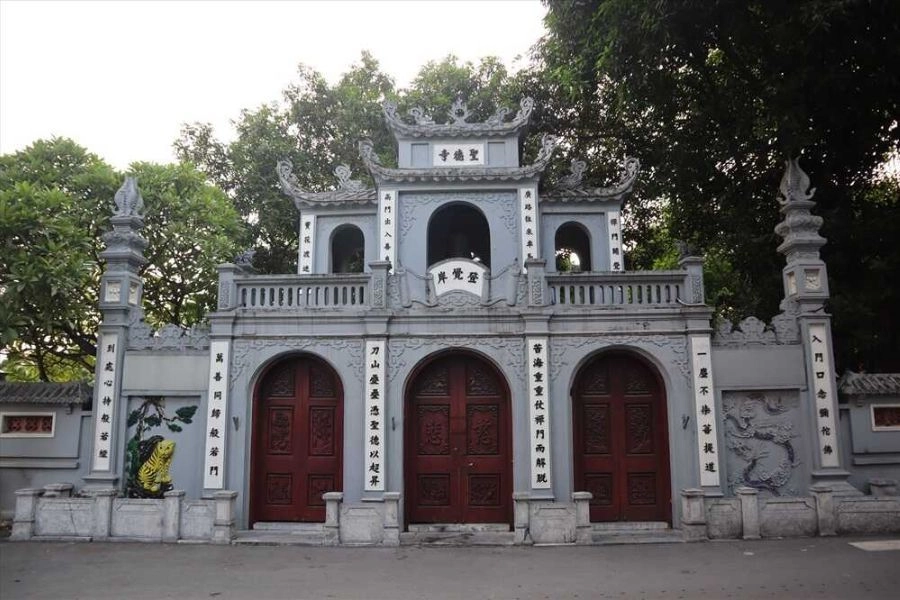
Vietnam is also home to a vibrant spiritual tapestry that resonates deeply with those seeking clarity and purpose. Spiritual retreats and wellness centers are popping up in idyllic locations, offering yoga, meditation, and mindfulness practices rooted in Vietnamese traditions. These retreats provide travelers with the tools to slow down, breathe, and reconnect with their inner selves amidst the hustle of everyday life.
Recognizing this transformative potential, Exo Trails was born from a vision to promote not only the natural wonders of Vietnam but also its unique cultural heritage. By curating experiences that connect travelers with the heart and soul of Vietnam, Exo Trails fosters journeys that celebrate the country's stunning landscapes alongside its rich traditions. Whether it's exploring a traditional festivity or engaging with local artisans, Exo Trails seamlessly weaves together the essence of nature and culture.
As visitors embrace this new form of exploration, they discover that the heart of Vietnam beats with opportunities for reflection and personal growth. The country offers more than stunning landscapes and rich history; it serves as a spiritual canvas, allowing travelers to paint their own stories of self-discovery.
In Vietnam, the essence of pilgrimage invites travelers to embark on a journey that is less about escape and more about finding meaning within the experience of life. Whether through cultural immersion, spiritual awakening, or communal connection, Vietnam provides a path toward understanding oneself in relation to the world. This new pilgrimage can lead to lasting change—both within the traveler and the places they touch along the way.
Conclusion
The essence of a spiritual journey through the pilgrimage sites Vietnam provides lies in the fusion of ancient tradition and challenging natural beauty. From the contemplative serenity of Hue's imperial temples to the rewarding, metaphorical ascent of Fansipan, these sites offer a profound canvas for introspection, cultural immersion, and a deep, transformative connection to the heart of Vietnamese spirituality.
Ready to begin your spiritual adventure? Join our vibrant community on Facebook to share your trekking stories and tips, and don't forget to like the ExoTrails fanpage for the latest updates and exclusive offers!
Frequently Asked Questions (FAQs)
Q: Which city has the most historically significant pilgrimage sites Vietnam offers?
A: Hue, the former imperial capital, has the highest concentration of imperial-era temples, pagodas (like Thien Mu), and royal tombs, making it historically significant.
Q: Is climbing Fansipan considered a pilgrimage?
A: Yes, many view the challenging ascent to Fansipan, the "Roof of Indochina," as a modern, spiritual pilgrimage due to the profound sense of achievement and the new temples at the summit.
Q: What is the most famous Buddhist pilgrimage site in Vietnam?
A: The most famous is often considered the complex around the Perfume Pagoda (Chùa Hương) near Hanoi, especially during the spring festival months.
Q: Can tourists participate in a silent retreat at pilgrimage sites Vietnam hosts?
A: While many pagodas welcome visitors for tranquil reflection, it is best to seek out specialized wellness and mindfulness centers for a formal, multi-day silent retreat experience.