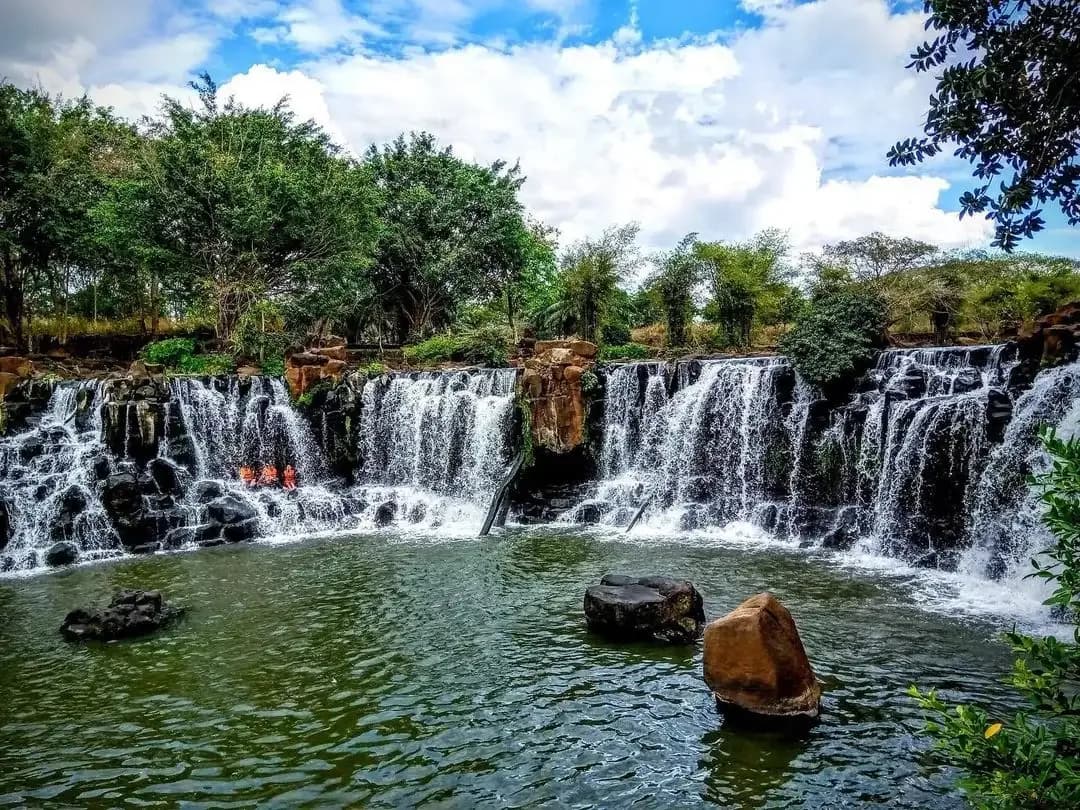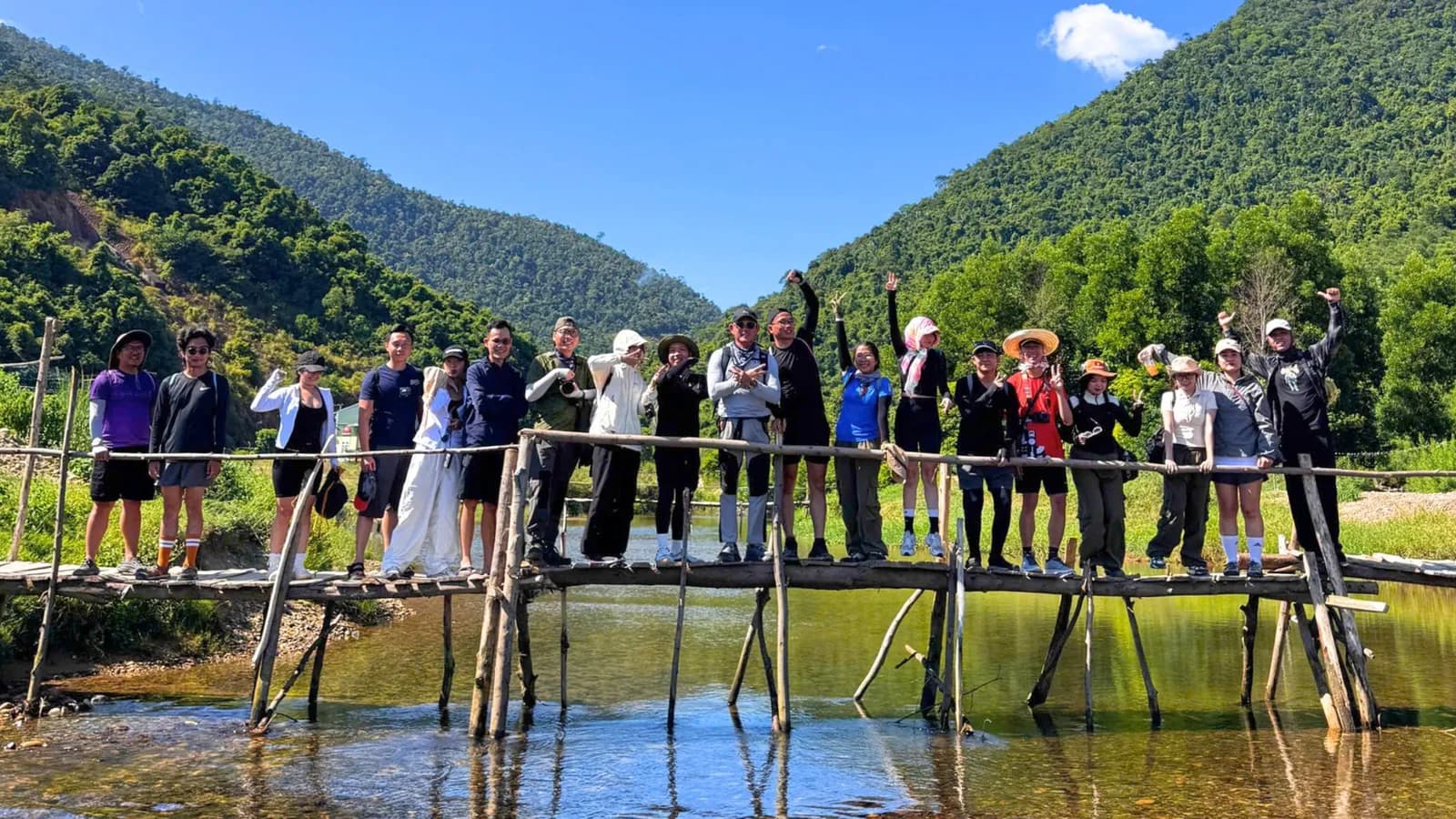
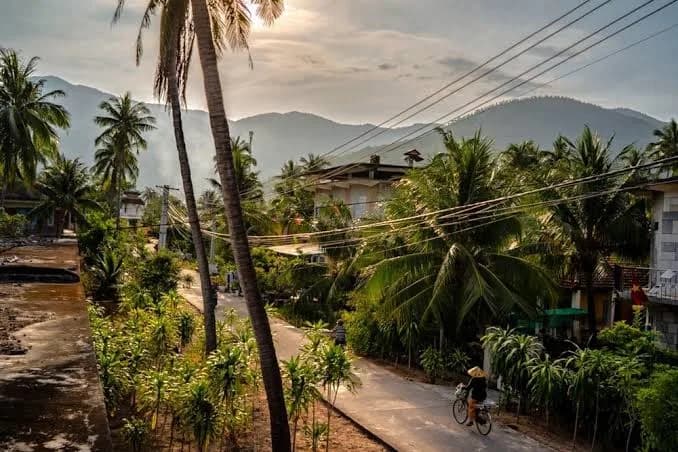

South of central Quy Nhon, mountains shelter a coastal neighbourhood where shaded lanes lead past colourful homes toward the sea. This is Quy Hoa village, a place whose architecture, literary connections and history of care invite a slower kind of exploration.
Established in 1929 as a settlement for people affected by leprosy, Quy Hoa developed into a community shaped by patients, families, medical staff and caregivers. Its history remains connected to Quy Hoa’s medical institution and to generations of residents.
Come with time to notice the buildings, read the memorials and listen to the waves. The most rewarding visit begins with understanding the people who call this place home.
Discover more with ExoTrails:
Authentic Vietnam Travel Experiences: Journeys Beyond the Tourist Trail
Quang Phu Cau Incense Village: A Journey Through Living Heritage
Where Is Quy Hoa Village?
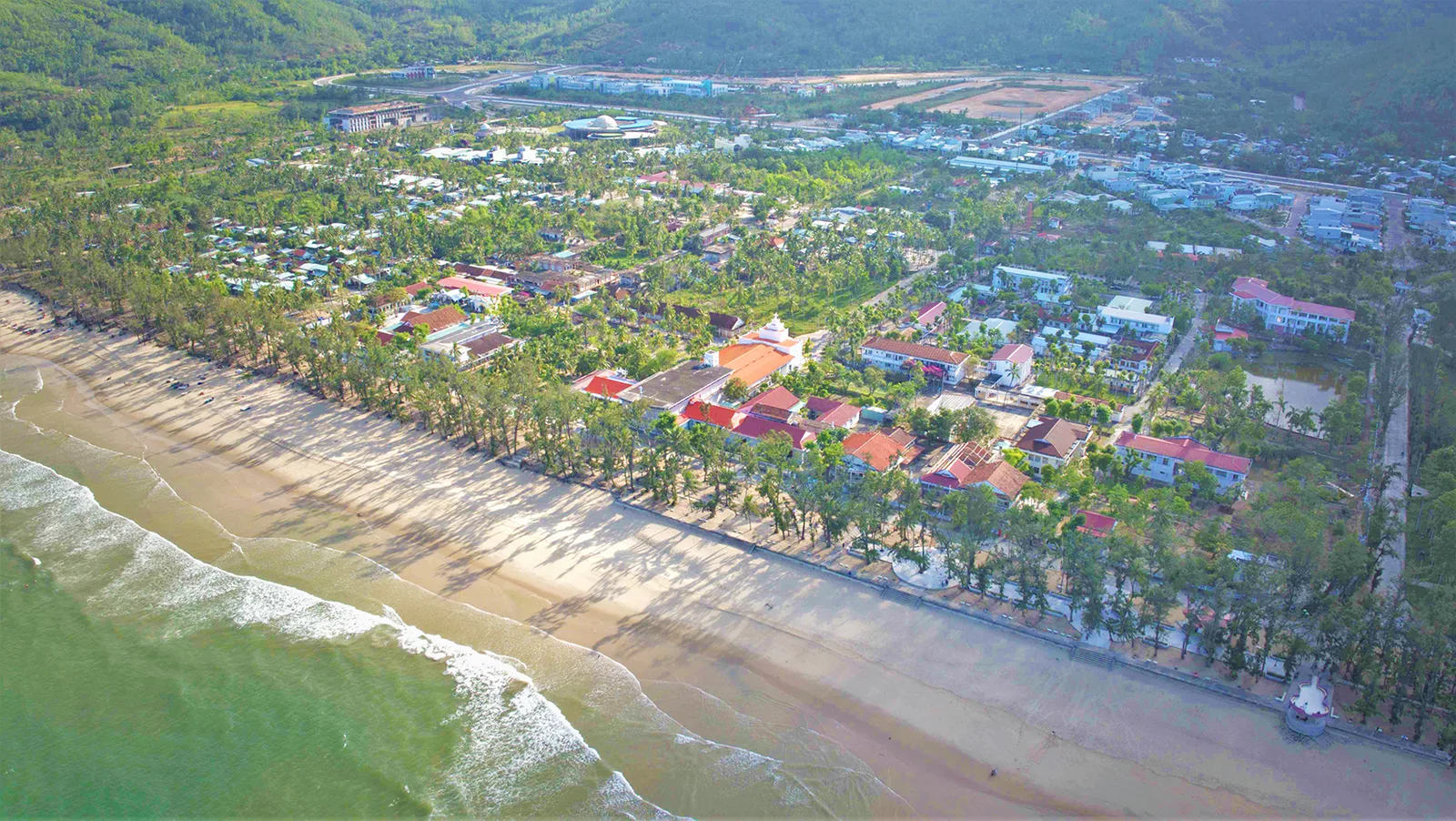
Quy Hoa lies approximately seven kilometres south of central Quy Nhon, in a valley opening toward the coast. Its setting brings together wooded slopes, residential streets and a beachfront shaded by casuarina trees.
For trip planning, search for “Làng phong Quy Hòa” and confirm the appropriate visitor entrance locally. Allow time for the approach rather than treating it as a quick stop between other attractions.
Before you visit: In May 2026, VTC News reported that authorities were developing relocation plans connected with a proposed coastal development. That report does not establish that relocation has been completed. Check current access, open visitor areas and any changes with the hospital or local authorities before setting out.
The History Behind Quy Hoa Village
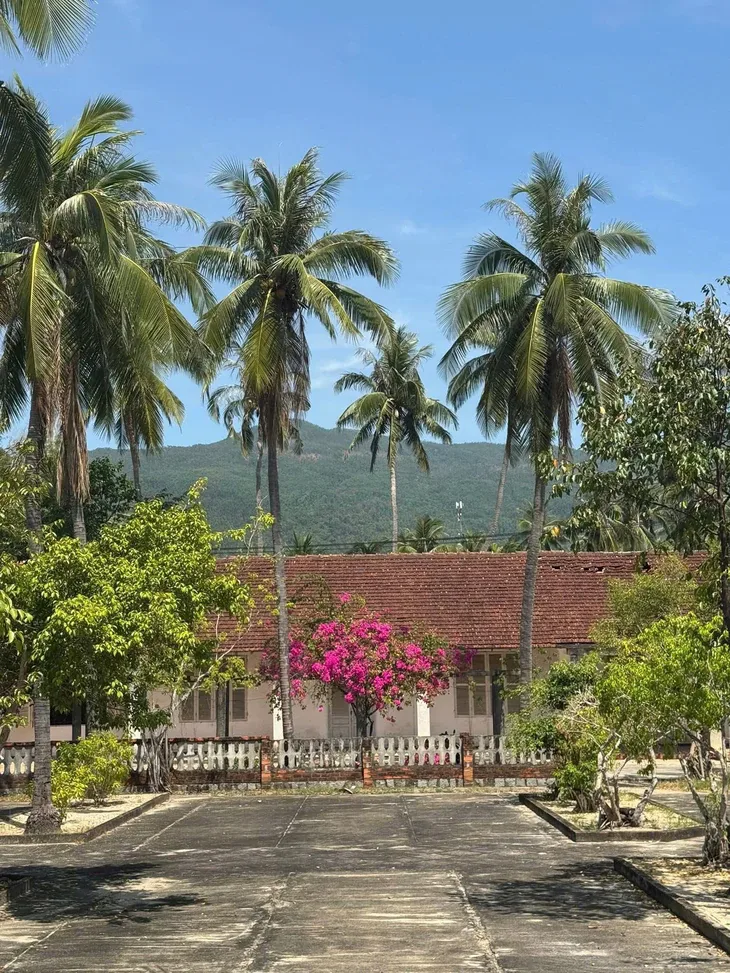
Quy Hoa’s origins date to 1929, when French priest Paul Maheure brought a group of people affected by leprosy to the coastal valley to establish a place to live and receive treatment. Religious caregivers and medical staff subsequently helped develop the settlement.
The early community faced both illness and social exclusion. Later accounts describe former patients and their descendants continuing to live here, building family lives within the neighbourhood.
That context gives the village its significance. A walk through Quy Hoa offers an opportunity to consider how healthcare, housing and community support can shape a place over generations.
Visitors can honour that history through ordinary courtesy: greet people, respect private space and let residents decide whether they want to engage.
Discover Quy Hoa’s Colourful Architecture
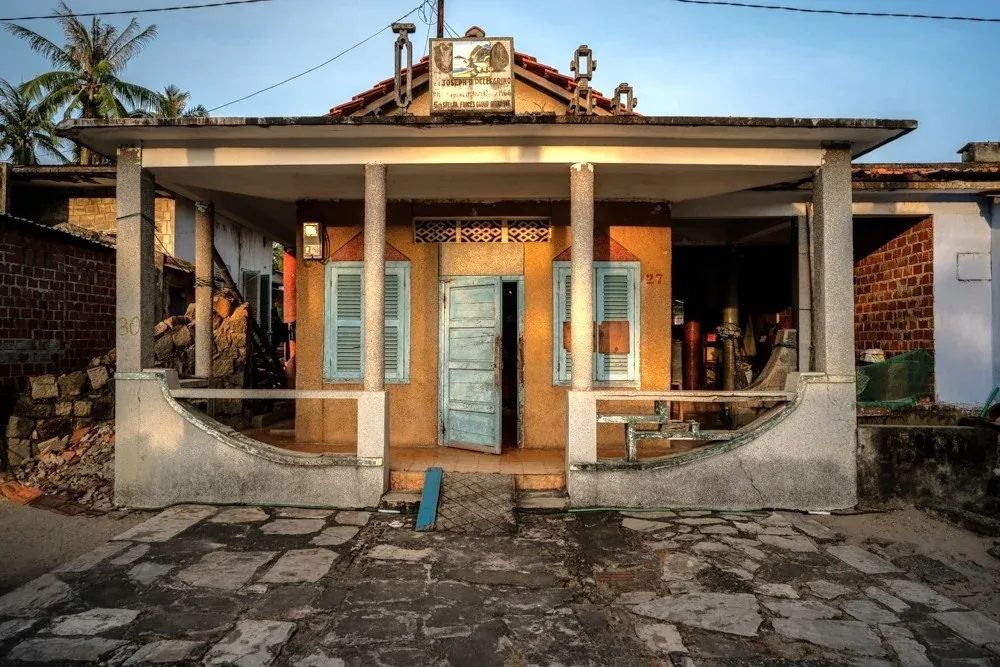
Architecture is one of the strongest reasons to explore Quy Hoa village on foot.
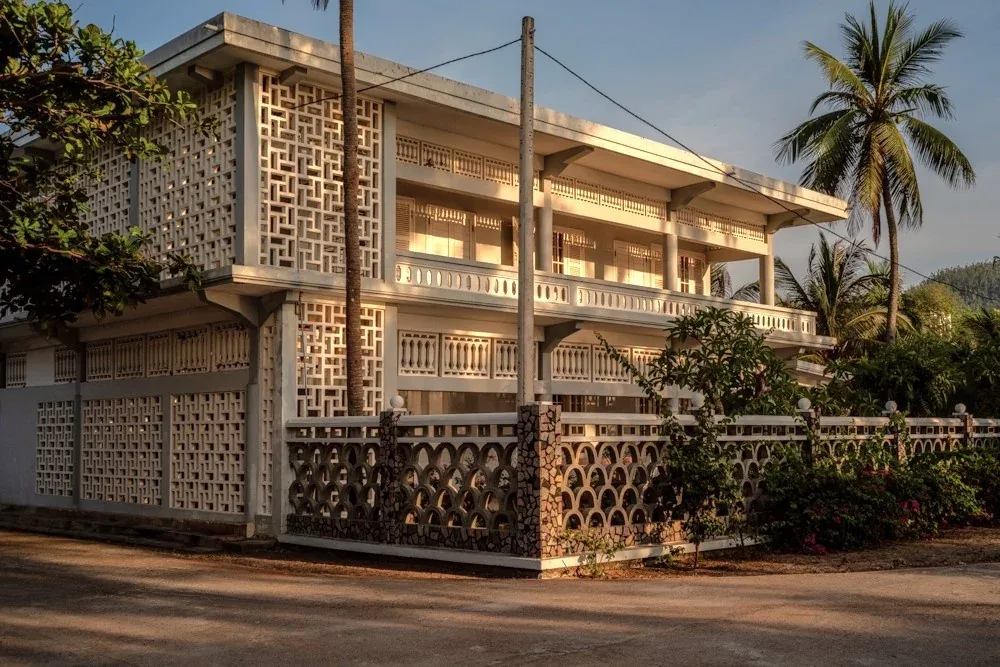
Its buildings include structures dating from the French colonial period alongside later homes with Vietnamese modernist influences. Architectural observers have highlighted the distinctive colours and shapes of the village’s modernist residences.
Look closely at the relationship between each house and the street: an entrance framed by geometric details, a shaded veranda, a painted wall softened by trees. These small elements reward a patient walk.
The architectural interest comes from the neighbourhood as a whole. Homes, gardens and shared spaces sit close together, giving the buildings a domestic scale that is best appreciated slowly.
For photography, concentrate on façades and public views where permitted. Avoid stepping into gardens, doorways or residential interiors without an invitation.
Follow the Literary Connections of Han Mac Tu
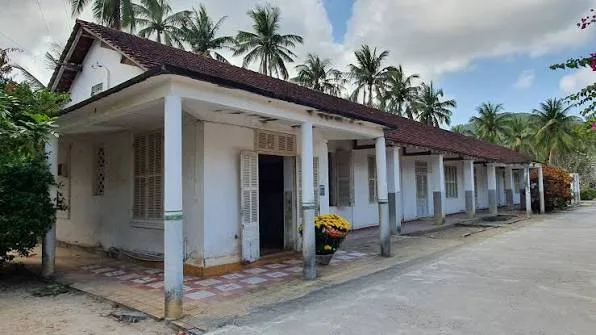
Quy Hoa holds particular meaning for readers of Han Mac Tu, an important figure in modern Vietnamese poetry.
The poet received treatment here and died in 1940, aged 28. The room associated with his final stay has been preserved as a memorial space containing materials connected with his life and writing.
Han Mac Tu’s Memorial Room at Quy Hoa
If accessible during your visit, the memorial room offers a more intimate connection to the poet than a general account of his biography.
Take time to read the displays and follow any photography instructions. Checking access in advance is especially worthwhile if the literary connection is your main reason for coming.
Han Mac Tu’s Tomb at Ghenh Rang
The memorial room and the poet’s tomb are separate places.
Han Mac Tu was originally buried at Quy Hoa, but his remains were transferred to Ghenh Rang in 1959. The tomb commonly visited today is therefore a separate stop from the memorial room in Quy Hoa village.
If you would like to visit both, plan transport between them and confirm access independently.
Walk Through the Garden of Medical Figures
Near the seafront, Quy Hoa’s garden of medical figures offers another way to understand the community’s history.
The hospital describes a collection of busts honouring Vietnamese and international contributors to medicine, including Hippocrates, Hai Thuong Lan Ong Le Huu Trac, Alexandre Yersin, Louis Pasteur and Ton That Tung.
Walk slowly between the monuments and read the inscriptions. The garden connects the village’s local story with a wider history of medical research and care.
It also makes a natural pause during a walking visit: a place to sit, reflect and appreciate why these figures are remembered here.
Spend Time Beside Quy Hoa Beach

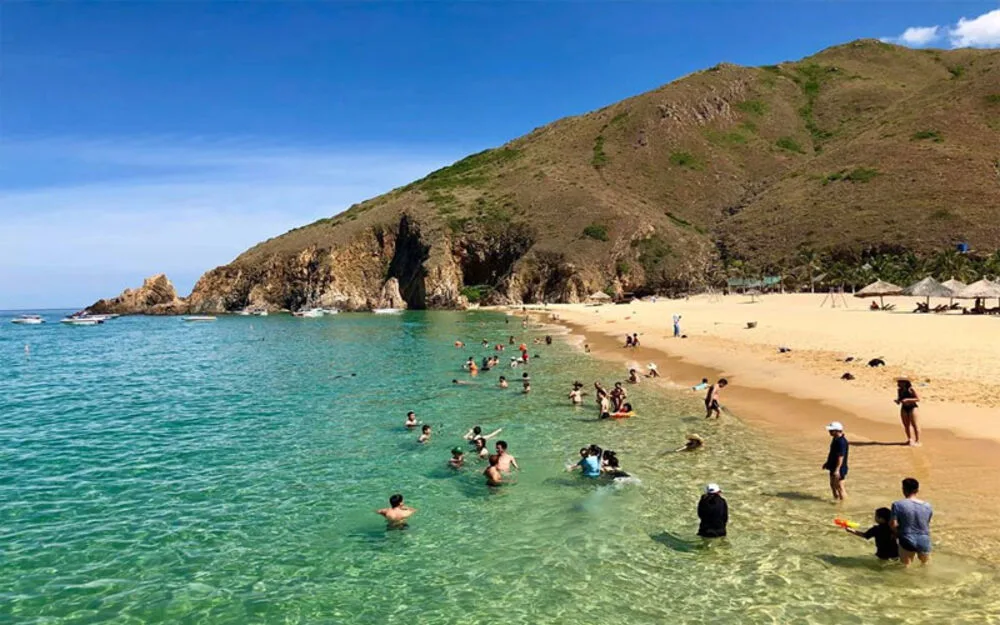
The coastline gives a visit to Quy Hoa room to breathe.
Reporting from the village describes a sandy beach, a small fishing community and views toward central Quy Nhon. The beachfront park is shaded by mature casuarina trees.
After exploring the lanes, spend time watching the water or walking along an accessible stretch of shore. Avoid building your visit around promises of an empty beach; the experience will depend on the day, weather and local activity.
Treat swimming as a separate decision. A published visitor report warns of dangerous currents at certain times of year. Follow current local warnings and restrictions, and seek local advice before entering the water.
How to Plan a Quy Hoa Village Visit
A flexible half-day gives you room to explore without rushing. The outline below is a suggested structure, subject to current access.
Stop | What to explore | Planning note |
Arrival | Visitor information and permitted areas | Confirm where visitors may walk |
Village lanes | Architecture and streetscapes | Keep residential entrances clear |
Han Mac Tu memorial | Literary history | Check whether the room is open |
Medical sculpture garden | Memorials and inscriptions | Allow time to read the displays |
Beachfront | Coastal scenery and a quiet pause | Follow weather and water warnings |
Choose a cooler part of the day for walking, while keeping opening arrangements in mind. Early light may suit photography, but sunrise does not guarantee access to buildings or memorial spaces.
Bring comfortable shoes, drinking water and sun protection. Check the forecast before leaving and adjust your plans if heavy rain or strong winds are expected.
For more ideas beyond this coastal visit, explore ExoTrails’ guide to authentic Vietnam travel experiences.
Visiting Quy Hoa Respectfully
Thoughtful behaviour helps preserve the quality of the visit for both residents and travellers.
Ask before photographing people. Give residents an easy opportunity to decline.
Respect medical and residential boundaries. Enter only areas open to visitors.
Keep noise low. Let the neighbourhood’s daily activities continue around you.
Use considerate language. Describe the place through its history and community.
Carry out your rubbish. Keep gardens, paths and the shore clean.
Support local businesses when available. Make purchases without expecting personal stories or photographs in return.
If someone welcomes a conversation, take time to listen. If they prefer privacy, continue your walk with the same care.
FAQs About Quy Hoa Village
Is Quy Hoa village worth visiting?
Quy Hoa is worth considering if you enjoy architectural walks, literary history and coastal settings. Its appeal suits travellers who like to explore slowly and learn the background of a place.
Is Han Mac Tu’s tomb inside Quy Hoa village?
His memorial room is at Quy Hoa. The tomb commonly visited today is at Ghenh Rang, following the transfer of his remains in 1959.
How long should I allow?
A flexible half-day is a useful planning allowance for the village lanes, memorial and beachfront. Allow additional time if you also visit Ghenh Rang.
What are the entrance fee and opening hours?
Confirm current arrangements directly before visiting. Older published prices and visitor reports may not reflect today’s access conditions.
Can I photograph the village?
Ask locally about photography restrictions. Always request permission before photographing residents, and seek approval before entering private or medical spaces.
Explore Quy Nhon at a Slower Pace
Quy Hoa village rewards attention: to a building’s details, a memorial inscription, a resident’s privacy and the sound of the sea beyond the trees.
Its architecture and history offer a meaningful addition to a Quy Nhon itinerary, especially when approached with curiosity and care.
Download ExoTrails to discover outdoor places and gather ideas for your next journey. Confirm local access before visiting Quy Hoa, and leave space in your plans for a slower walk.
Follow ExoTrails on Facebook and join the ExoTrails community to share discoveries with fellow explorers.