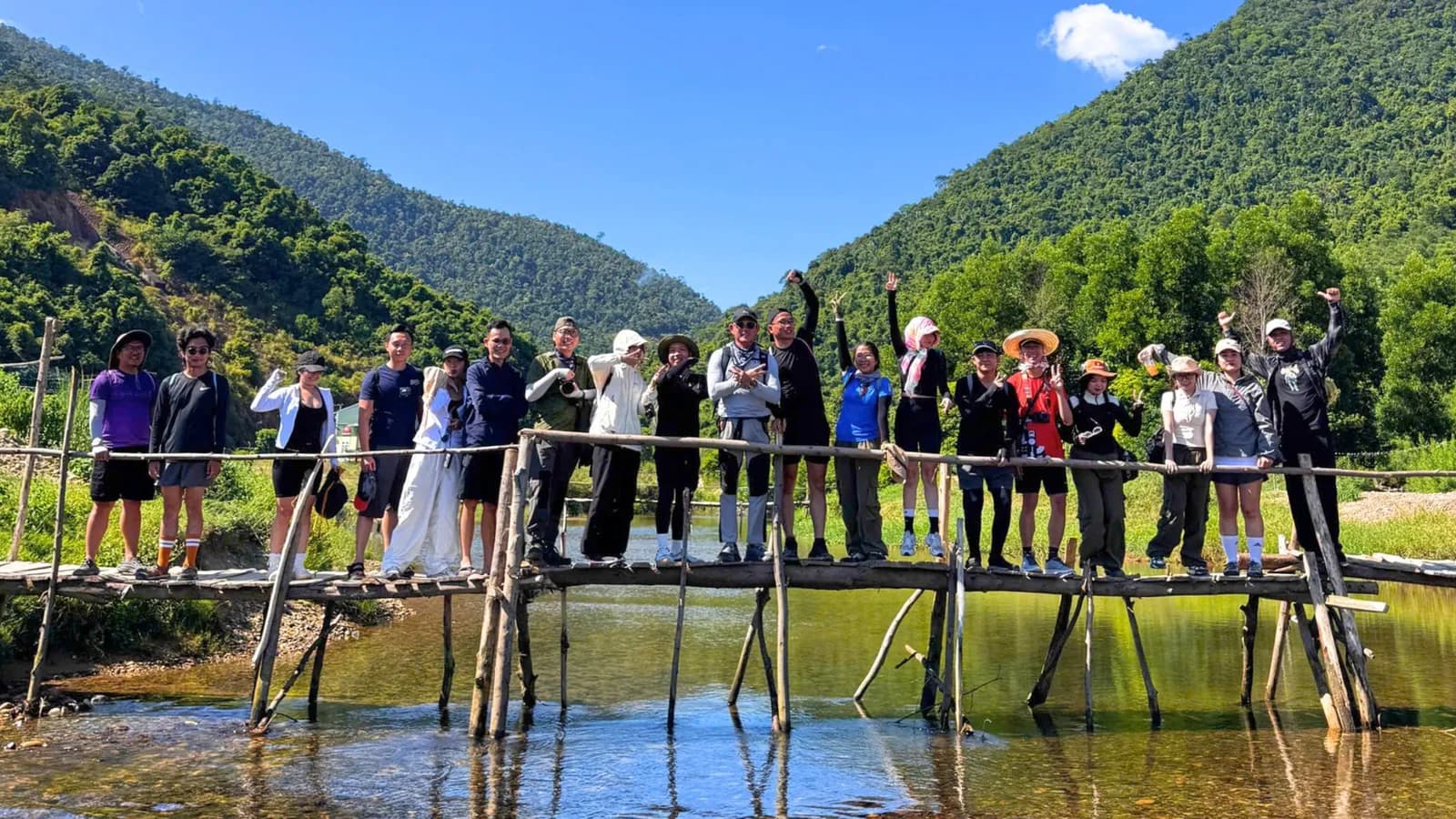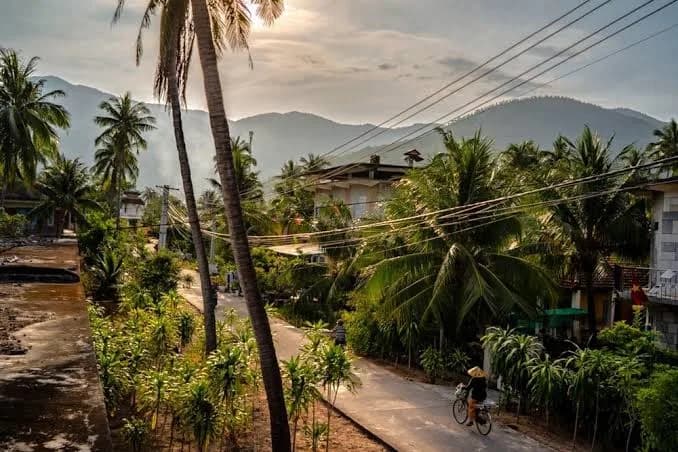
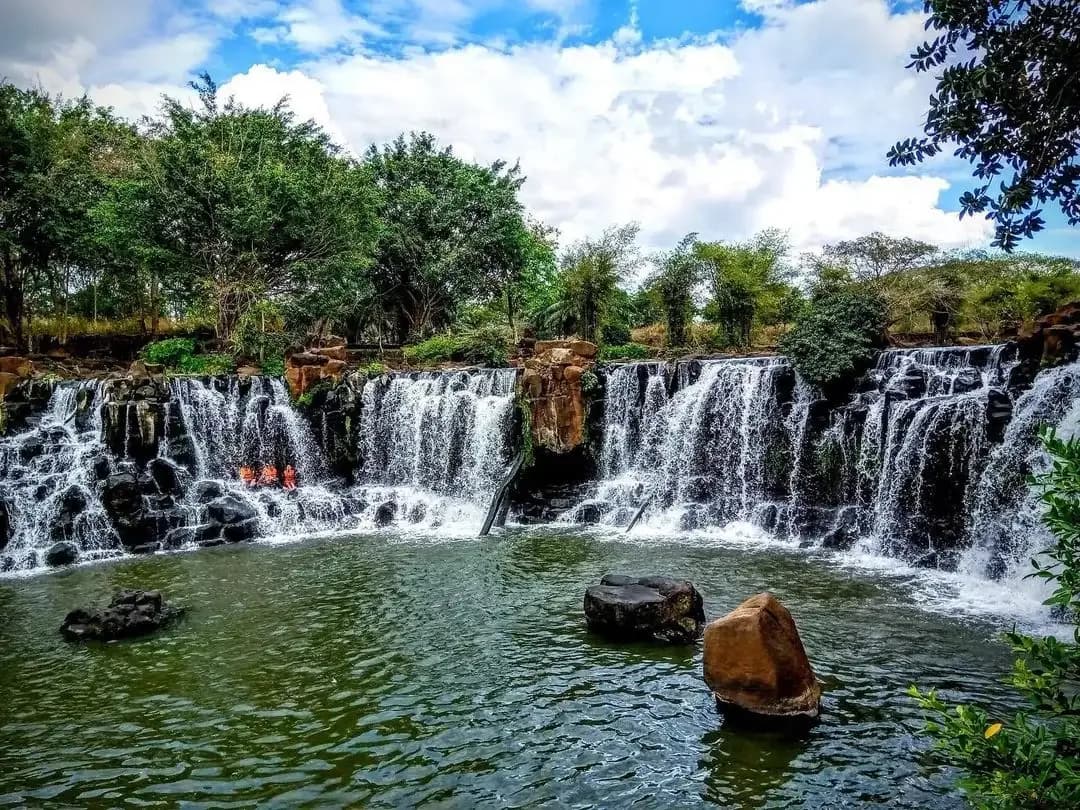

Looking for waterfalls near Ho Chi Minh City where you can spend time outdoors, enjoy green surroundings and take a break from busy streets?
Start with Giang Dien and Da Han in Dong Nai for a shorter outing. Mai Waterfall offers a reason to explore the Gia Canh forest area, while Dambri near Bao Loc is better considered for a weekend with an overnight stay.
Choosing the right waterfall involves more than finding an attractive photo. You also need to know how to reach the visitor entrance, whether access is open, what activities are permitted and how you will get home.
This guide compares four options and explains what to check before setting off.
Information reviewed on November 18, 2026. Distances are approximate figures reported in travel sources, rather than live route measurements from your accommodation. Confirm opening hours, admission fees, access conditions and permitted activities with the operator before travelling.
Which Waterfall Should You Visit from Ho Chi Minh City?
For a day trip, prioritise a manageable journey and enough time to enjoy the destination without rushing back.
Waterfall | General location | Approximate distance from Ho Chi Minh City | Suggested trip length | Consider it for |
Giang Dien Waterfall | Trang Bom area, Dong Nai | Around 40–50 km | Day trip | Waterfall views and a relaxed outdoor outing |
Da Han Waterfall | Trang Bom area, Dong Nai | Around 60–70 km | Day trip | Sightseeing and a group picnic, where permitted |
Mai Waterfall | Gia Canh forest area, Dinh Quan, Dong Nai | Around 150 km | A carefully planned full day or overnight trip | Forest exploration and organised activities |
Dambri Waterfall | Bao Loc area, Lam Dong | Around 200 km | Preferably two days and one night | Waterfall sightseeing combined with a weekend stay |
Published distances vary by starting point and route. English-language reporting places Giang Dien roughly 40–50 km from the city, Da Han around 70 km away, and Dambri approximately 190–200 km away. Treat these as planning estimates. vietnamnews.vn
For the shortest itinerary, start by comparing Giang Dien and Da Han. If forest walking is your priority, investigate a guided programme around Mai Waterfall. For Dambri, allow time to stay overnight rather than building the trip around a quick visit.
1. Giang Dien Waterfall: A Shorter Escape from the City
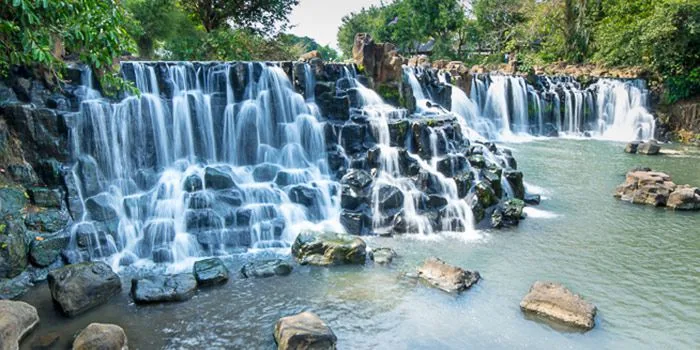
Where is Giang Dien Waterfall?
Giang Dien Waterfall is in the Trang Bom area of Dong Nai. Older address listings commonly identify the destination as 104/4 Hoa Binh Hamlet, Giang Dien Commune, Trang Bom District. This can help you recognise the site when comparing listings, but confirm the visitor entrance before travelling.
The waterfall is part of an established tourism area. English-language coverage describes it as an outdoor destination within reach of Ho Chi Minh City.
What kind of trip should you plan?
Consider Giang Dien if your aim is a straightforward day outdoors: viewing the waterfall, walking through the areas open to visitors and taking time to rest.
If travelling with children, older relatives or anyone with limited mobility, ask about walking distances, steps, toilets and internal transport before booking. Photographs alone cannot establish how accessible a viewing area will be.
How to get there
Search for “Khu du lịch sinh thái Thác Giang Điền” when checking maps or discussing the destination with a driver.
From Ho Chi Minh City, the general direction is towards Bien Hoa and the Giang Dien area. Choose the route according to your vehicle and current road conditions rather than following an old turn-by-turn blog itinerary.
Before departing:
Check that the map pin marks the visitor entrance.
Confirm the destination is receiving visitors on your chosen date.
Agree on your return transport.
Ask which facilities and activities will be available.
Can you swim at Giang Dien?
Do not assume that admission includes permission to enter the water.
Ask staff whether a designated area is open for water activities that day, what supervision is provided and which equipment is required. If you cannot establish the current rules, keep your visit to sightseeing from permitted areas.
2. Da Han Waterfall: A Day Trip for Waterfall Views
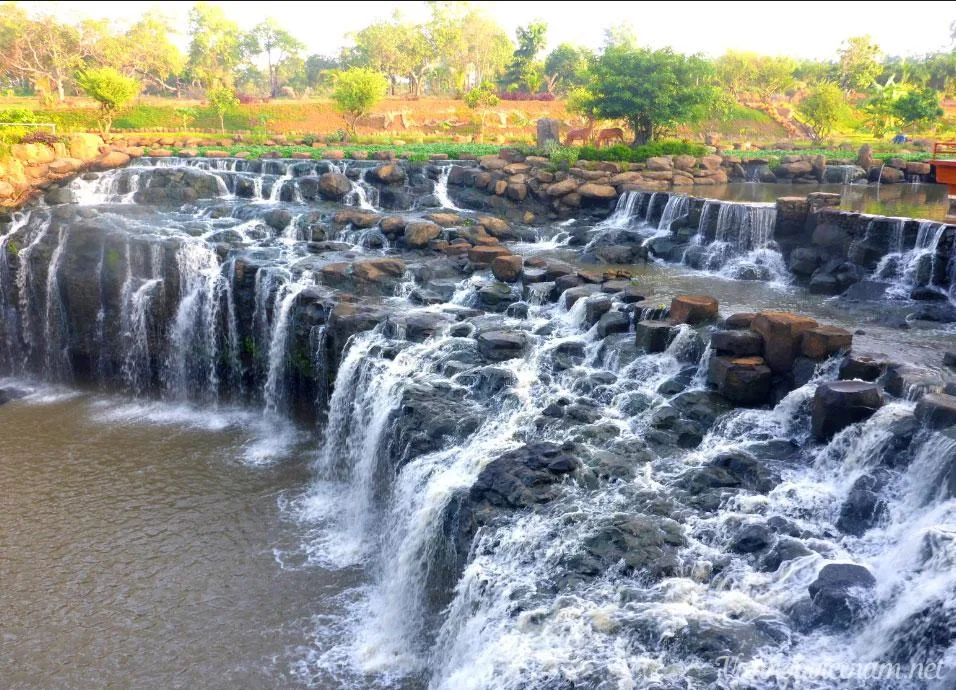
Where is Da Han Waterfall?
Da Han Waterfall is in the Trang Bom area of Dong Nai. Published descriptions place it approximately 60–70 km from Ho Chi Minh City, with access associated with the Song Trau area.
For map searches, use “Khu du lịch sinh thái Thác Đá Hàn” and confirm the entrance with the operator.
What can you plan to do?
Build your visit around waterfall views, photography from permitted locations and time outdoors with your group. If you want a picnic, BBQ or camping arrangement, ask which activities are currently offered and whether advance reservations are required.
Keep the itinerary flexible. You do not need to enter the water or complete every advertised activity to enjoy a waterfall outing.
How to get there
The general approach from Ho Chi Minh City is towards Trang Bom, followed by local roads to the attraction.
For the final approach, confirm:
The correct visitor gate.
Whether your vehicle can use the access road.
Any weather-related restrictions.
Whether parking is available for your vehicle.
Avoid shortcuts through private gardens, unmarked tracks or unofficial paths to the waterfall.
Water safety at Da Han
A July 2026 report from Dong Nai’s local newspaper documented drowning-prevention training at the Da Han attraction. The session covered deep water, strong currents, correct life-jacket use and how to seek assistance during an emergency.
That makes current instructions especially important. Seeing another visitor standing or swimming somewhere does not establish that the location is suitable for you.
If swimming is central to your plans, confirm the designated area, operating conditions and supervision before travelling.
3. Mai Waterfall: Plan More Time for the Forest Setting
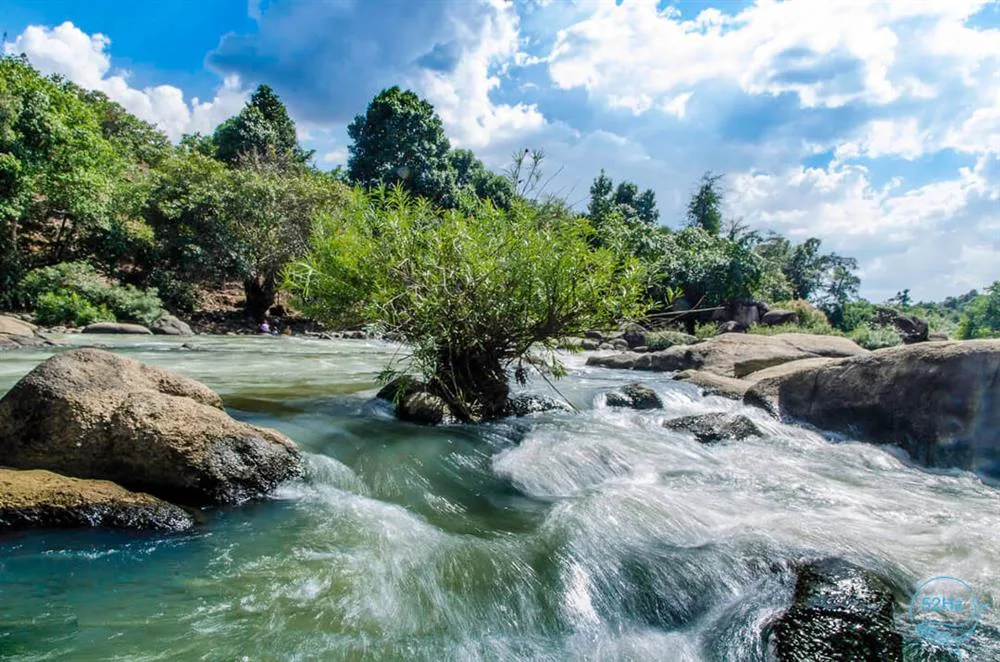
Where is Mai Waterfall?
Mai Waterfall, or Thác Mai, is associated with the Thac Mai–Bau Nuoc Soi tourist area in Gia Canh Forest, Dinh Quan, Dong Nai.
Dong Nai’s English-language reporting in June 2026 identified travel companies operating forest trekking programmes in Gia Canh. This provides a useful starting point for travellers interested in an organised forest experience.
Who should consider visiting?
Consider Mai Waterfall if you want to spend more time exploring a forest setting and are prepared to organise the trip in advance.
Distinguish between two different bookings:
A visit to an accessible tourism area.
A guided forest trek or activity programme.
These may involve different meeting points, distances, terrain, permissions and physical demands.
Before booking a trek, request the route length, expected walking time, terrain, guide arrangements, equipment requirements and procedure for changing plans in poor weather.
How to get there
The broad travel direction is:
Ho Chi Minh City → Dau Giay → National Highway 20 → Dinh Quan → the confirmed entrance or meeting point.
Local reporting describes the attraction as being a substantial distance from National Highway 20. Reaching the highway turn-off does not mean the journey is almost complete. Confirm the final approach rather than relying on old instructions about kilometre markers or forest-road junctions.
Is Mai Waterfall suitable for a day trip?
It may fit a full-day programme if transport and activities are carefully arranged. However, an overnight trip gives you more flexibility if you want to include trekking.
Do not assume that independent camping is permitted. Confirm overnight arrangements, authorised camping locations and the applicable forest-management rules with your provider.
4. Dambri Waterfall: A Weekend Option near Bao Loc
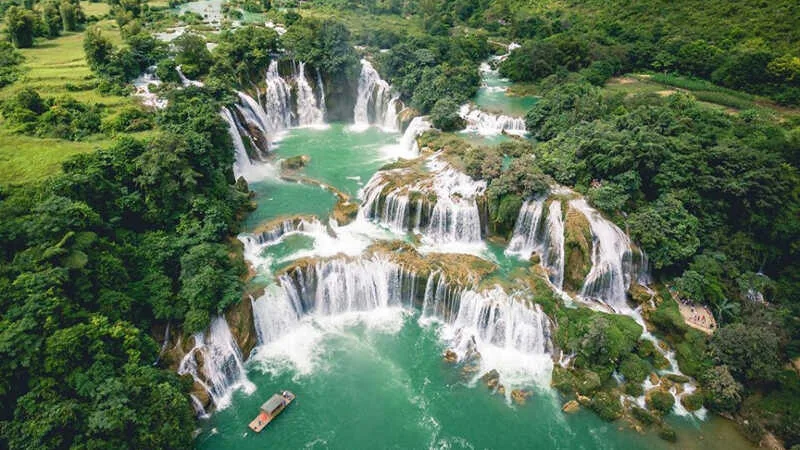
Is Dambri close enough for this guide?
Dambri is considerably farther from Ho Chi Minh City than Giang Dien or Da Han. It belongs in the weekend-trip category, rather than the same category as a short excursion outside the city.
The attraction is near Bao Loc in Lam Dong. Local tourism listings place it around 17 km from Bao Loc’s centre.
Why consider staying overnight?
The operator advertises accommodation alongside visitor activities, allowing you to combine waterfall sightseeing with a stay in the area. Confirm the accommodation type and services available for your dates.
An overnight itinerary also gives you more room for breaks and avoids making the entire trip depend on a long return journey after sightseeing.
How to get there
The general approach is from Ho Chi Minh City towards Dau Giay, then along National Highway 20 towards Bao Loc, followed by the route to the Dambri tourism area.
Check the complete journey from your accommodation before booking. Avoid treating a published distance as a guaranteed driving time.
Where can you check tickets and accommodation?
Use the official Dambri website to contact the operator. Its published telephone numbers include +84 263 3751 517 and +84 263 3911 990. Ask whether a quoted price covers admission, activities, accommodation or a package combining these services.
You can also preview the Dambri listing on ExoTrails while researching your trip. Confirm current access and operating arrangements directly with the attraction.
When Should You Visit Waterfalls near Ho Chi Minh City?
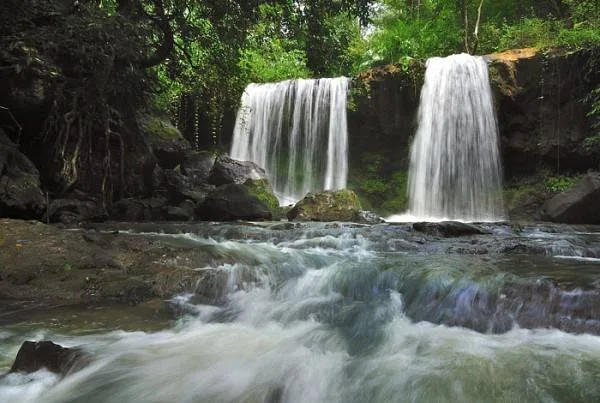
Choose your date around the forecast, local warnings and the operator’s advice.
More water can make a waterfall visually impressive, but it can also increase the hazards. Lower water levels do not establish that rocks are secure, pools are shallow or currents are weak.
Weather upstream matters too. The US National Park Service explains that heavy rain upstream can produce unexpected flooding downstream, even where visitors have not experienced rain themselves.
Before your trip:
Check forecasts and warnings for the destination and surrounding area.
Ask the operator about access and restrictions.
Keep a cancellation or alternative plan.
Recheck conditions on the morning of departure.
Vietnam’s National Center for Hydro-Meteorological Forecasting is one source to consult for weather information and warnings.
Getting There: Transport Tips for International Visitors
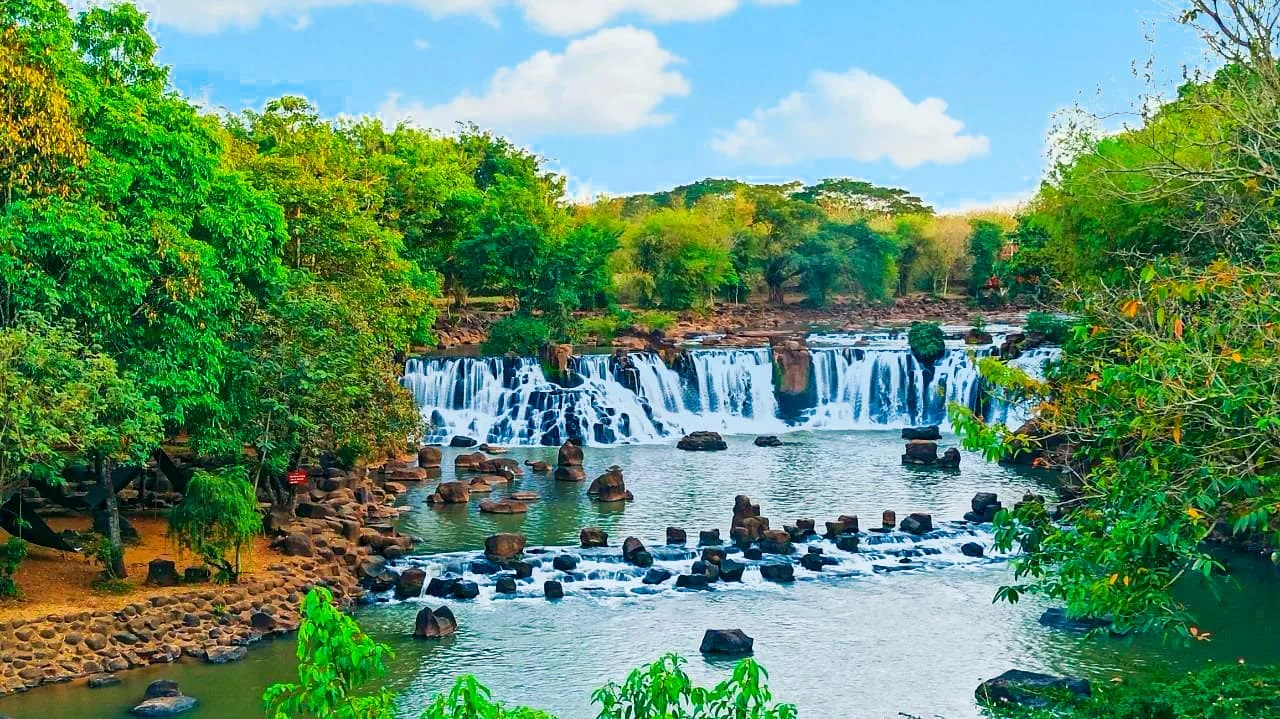
Arrange the return journey in advance
Whether you book a driver or join an organised trip, agree on the pickup point, waiting arrangements and return time before leaving Ho Chi Minh City.
Do not build your itinerary around the assumption that an on-demand vehicle will be available at the attraction when you are ready to leave.
Save the Vietnamese destination name
Keeping the full Vietnamese name on your phone can make communication easier:
English name | Vietnamese search term |
Giang Dien Waterfall | Khu du lịch sinh thái Thác Giang Điền |
Da Han Waterfall | Khu du lịch sinh thái Thác Đá Hàn |
Mai Waterfall | Thác Mai – Bàu Nước Sôi |
Dambri Waterfall | Khu du lịch Thác Đamb’ri |
Share the confirmed entrance or meeting point with your driver, rather than only the waterfall’s name.
Choose transport that matches your experience
If you are unfamiliar with local road conditions, consider a car with a driver or an organised trip.
If travelling by motorbike, check that your licence, insurance and experience cover the vehicle and journey. Select the correct vehicle mode when using navigation, and confirm that the suggested route is appropriate.
Waterfall Safety: What Every Visitor Should Know
Stay on designated paths and behind barriers
Do not climb onto wet rocks, cross fences or approach the waterfall’s edge for a photograph.
Stream-polished rocks can be slippery even when they appear dry. The National Park Service also advises against swimming or wading upstream of a waterfall.
Enter the water only where currently permitted
Ask staff about the specific area, current conditions and required equipment.
A life jacket does not make every part of a waterfall suitable for swimming. Follow the designated boundaries and instructions as well as the equipment requirements.
Leave the waterside if conditions change
If water starts rising or suddenly becomes muddy, leave the immediate river area using an established exit and alert staff. Do not wait to film the change or attempt to cross the flow. NPS flood guidance also warns against driving through flooded roads.
Call for help rather than attempting an untrained rescue
Alert staff or rescue personnel immediately if someone is in difficulty. Do not jump into moving water without appropriate rescue training.
The drowning-prevention guidance reported at Da Han emphasised calling for assistance and using suitable rescue equipment from a secure position where possible.
What to Pack for a Waterfall Trip
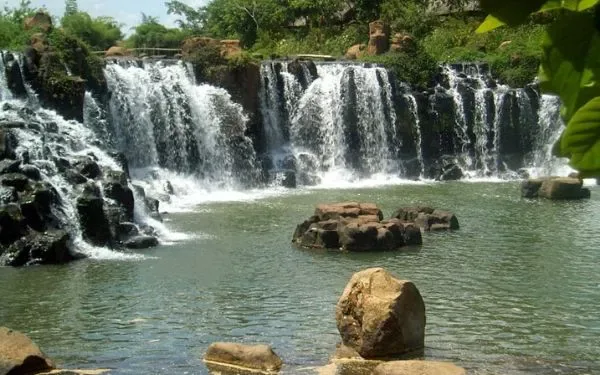
Keep your bag practical and appropriate to the activities you have booked.
Footwear with suitable grip for the confirmed walking terrain.
Drinking water and snacks, subject to the attraction’s food policy.
Rain protection and a waterproof pouch for valuables.
Personal medication and basic first-aid supplies you know how to use.
A charged phone and power bank.
A change of clothes if appropriate to the programme.
A rubbish bag so you can take your waste away.
For forest activities, follow the organiser’s packing list and share your itinerary with someone who is not travelling with you.
Entrance Fees and Opening Hours: What to Confirm
Public listings do not provide a consistently verified, current tariff for all four destinations. Instead of budgeting around an old blog price, request a quote for your actual date.
Item | What to ask |
Admission | What is included, and are different rates applied on weekends or holidays? |
Parking and internal transport | Are these charged separately? |
Food | Can visitors bring meals, and are there additional charges? |
Picnic or camping arrangements | Is advance booking required? |
Guided activities | What equipment, guide services and insurance are included? |
Weather changes | What happens if access or activities are suspended? |
Keep the booking confirmation and share the agreed arrangements with your group.
A Simple Waterfall Day Trip Itinerary
For Giang Dien or Da Han, use this as a flexible framework after confirming opening hours:
Part of the day | Suggested plan |
Morning | Travel to the confirmed entrance, allowing time for breaks |
On arrival | Read the rules and ask which areas are open |
Late morning | View the waterfall and explore permitted paths |
Midday | Eat and rest |
Early afternoon | Enjoy a short additional walk if conditions allow |
Afternoon | Begin the return journey with time for breaks |
For Mai Waterfall and Dambri, build a separate itinerary around the longer journey and any booked activities.
Frequently Asked Questions
Which waterfalls near Ho Chi Minh City work for a day trip?
Giang Dien and Da Han are the first options to compare if a shorter journey is your priority. Check the complete route from your accommodation before deciding.
Can you swim at waterfalls near Saigon?
There is no single rule covering every destination. Permission depends on the specific area, operating conditions and instructions on the day. If you cannot confirm these, stay out of the water.
Can you camp overnight?
Only where the relevant operator or land manager permits it. Confirm the location, booking requirements and facilities before bringing camping equipment.
Is Dambri a good day trip from Ho Chi Minh City?
For this guide, we recommend treating Dambri as an overnight option. This leaves more time for sightseeing and rest around the longer journey.
Do you need a guide for Mai Waterfall?
A visit to a tourism area and a forest trek are different activities. For trekking, ask a suitable operator about the authorised route, guide arrangements and required preparation.
Plan Your Next Outdoor Escape
A rewarding waterfall trip starts with choosing a destination that fits your available time, confirming access and leaving room to adapt to the weather.
Start researching with ExoTrails, then check the current rules with the destination before you go. For more walking inspiration beyond these waterfall outings, explore our guide to the best hikes in Vietnam.