
Table of Contents Show
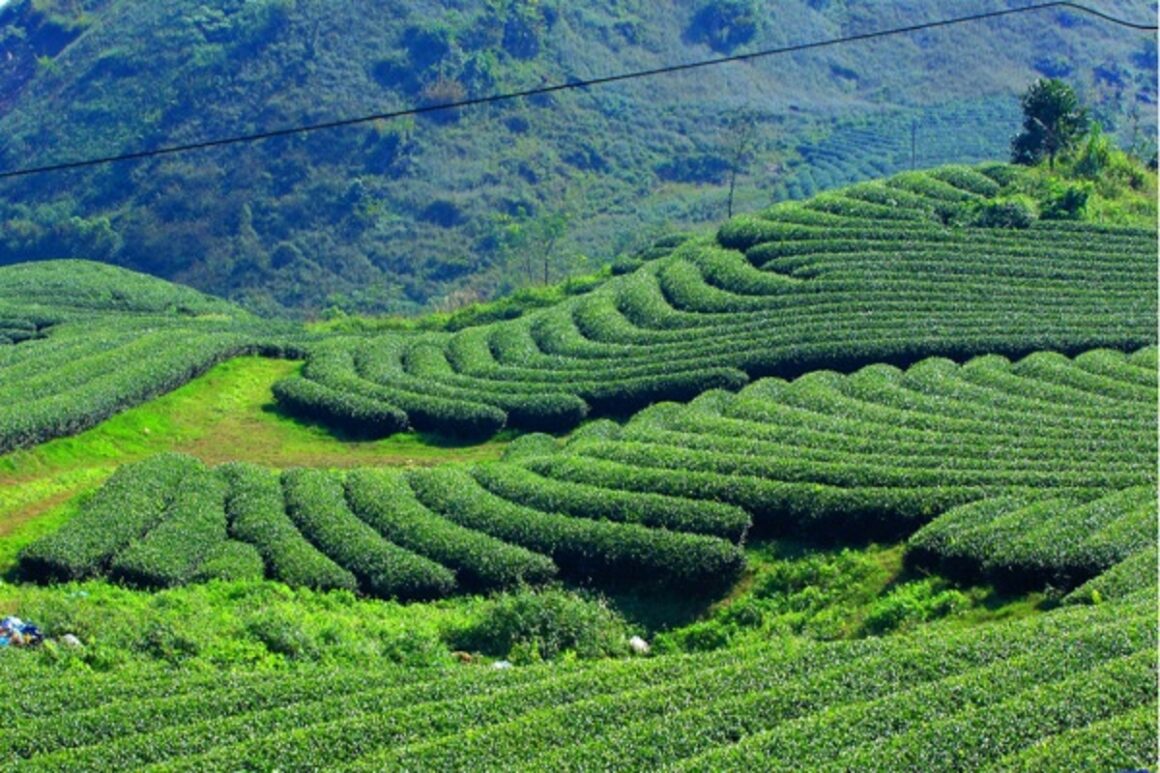
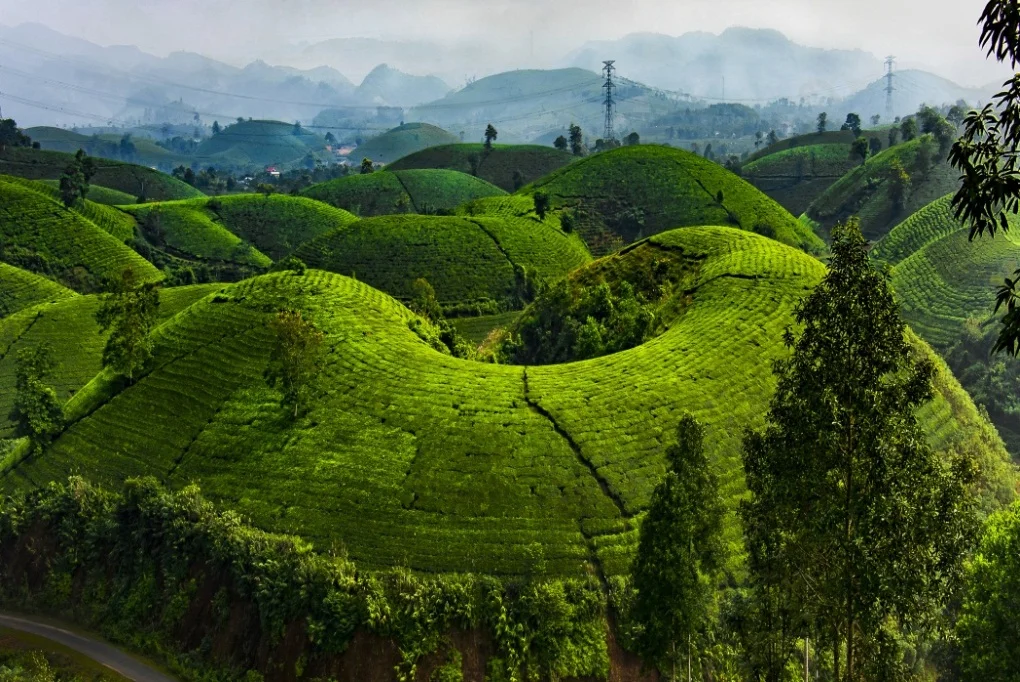
As the morning mist glides over the lush emerald tea hills Vietnam is famous for in Thai Nguyen, it envelops the landscape in a dreamlike tranquility. Here, the gentle hum of harvesters resonates through the rows of tender green tea leaves, each filled with the promise of rich, aromatic brews. In northern Vietnam, tea transcends its role as merely a crop; it embodies a culture, an art form, and a deep connection to the land that has nurtured it for centuries.
Read more interesting posts here:
- Finding Authentic Accommodation Vietnam: Home Is Where You Hike
- Fitness Retreats Vietnam: Wellness Through Adventure
- Discover Non-touristy Things to Do in Vietnam: Adventures Beyond Instagram
Thai Nguyen: Uncovering the Tea Hills Vietnam is Known For
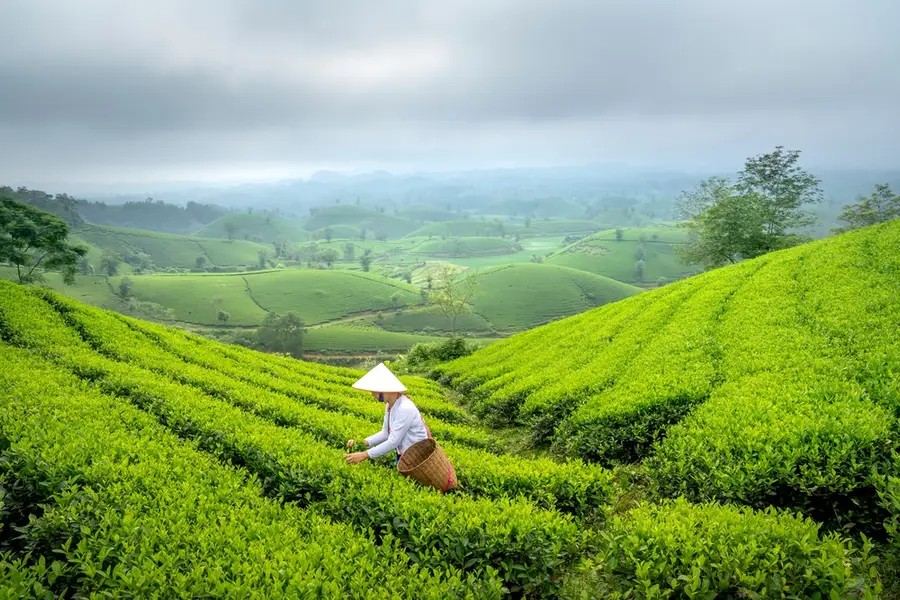
Thai Nguyen, often heralded as the “tea capital” of Vietnam, is where a significant portion of the country’s tea production flourishes. The picturesque tea hills Vietnam offers in this region are dotted with rustic bamboo huts and age-old tea trees, each producing delicate green tea known for its nutty sweetness and remarkable depth of flavor. Visitors to this province are met with not just a beverage but a narrative that speaks of enduring traditions, passed down through generations. Each leaf carries whispers of history, embodying the labor and love of the families that have cultivated this cherished crop for years.
Phu Tho and Shan Tuyet: The Ancient Tea Hills Vietnam Preserves
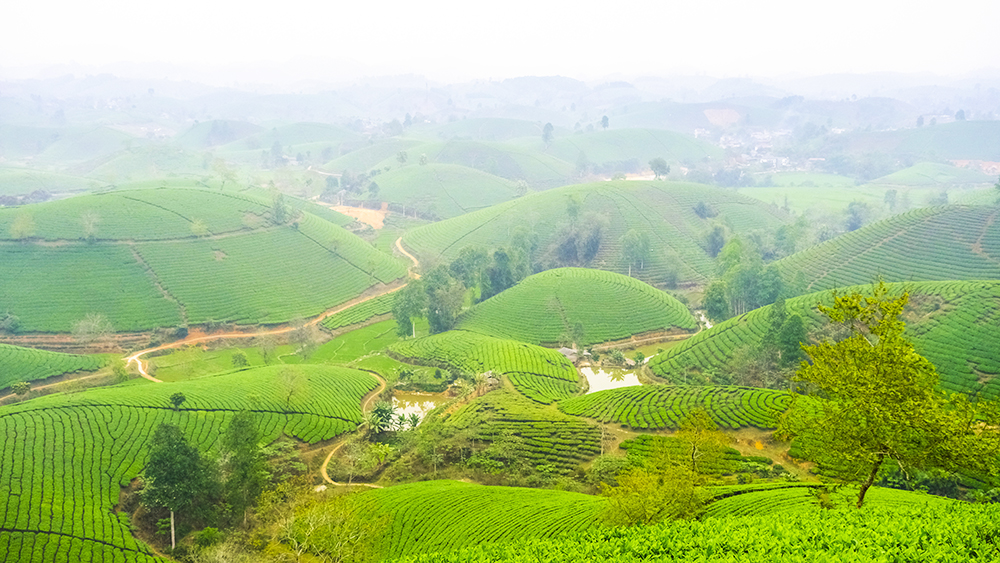
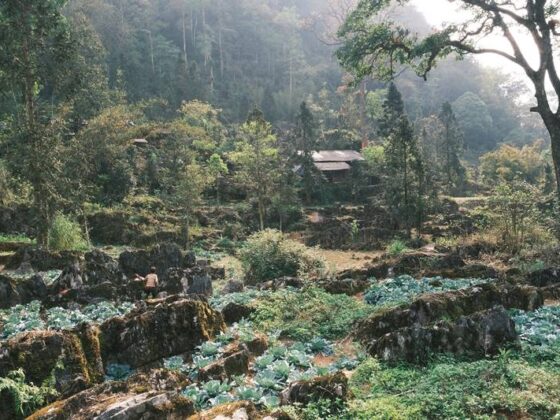
A short journey from Thai Nguyen leads us to Phu Tho, home to the venerable Shan Tuyet tea trees, some of which are centuries old. These majestic trees, perched on high mountain slopes, are hand-harvested by locals who bravely traverse steep terrains to gather their precious leaves. The result is a unique brew often referred to as “snow tea,” with its golden hue and a honeyed aroma that reflects the pristine beauty of its surroundings. This tea is not just a product; it is a tribute to the region’s natural splendor and the unwavering dedication of its artisans, who have honed their craft over lifetimes among the tea hills Vietnam proudly preserves.
Immersive Workshops: Experiencing the Art on the Tea Hills Vietnam
Vietnam’s tea culture is enriched by the experience of sharing a cup, where each sip becomes an act of mindfulness. Immersive workshops invite visitors to delve deeper into the ancient art of brewing tea in traditional clay pots. Local tea masters, passionate about preserving their heritage, guide travelers through the intricate steps of tea preparation. From selecting the finest leaves to mastering the delicate process of steeping, each moment is an opportunity to enjoy the nuances of flavor and aroma. These hands-on experiences allow visitors to connect more profoundly with the cultural significance of tea in Vietnamese society.
Sustainable Tourism: The Future of Tea Hills Vietnam Trails
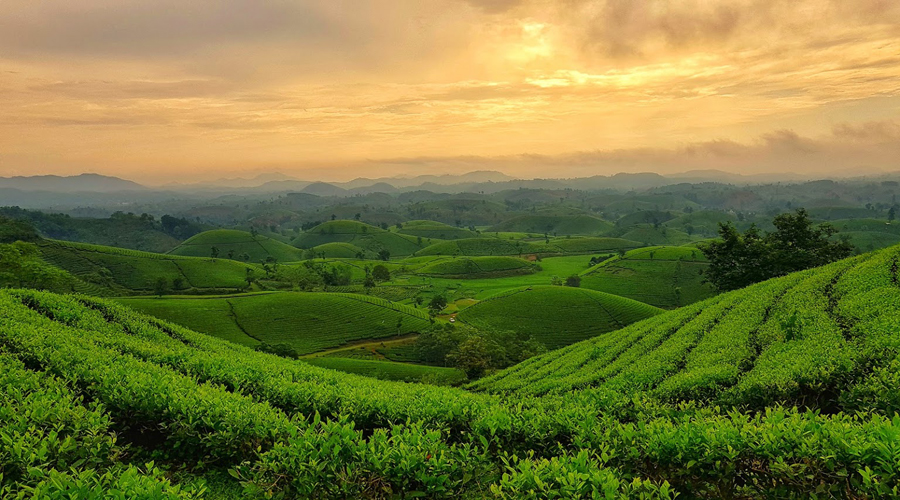
The growing interest in sustainable tourism has led to an increase in unique tea experiences, drawing travelers eager for authenticity. Beyond the organized plantation tours, many journeys take people to family-run teahouses, where the atmosphere invites guests to unwind, converse, and reflect. In these humble spaces, every cup of tea becomes an invitation to savor life’s simple pleasures, fostering connections between locals and visitors. This emphasis on authenticity helps support the continued preservation of the beautiful tea hills Vietnam has to offer.
In Vietnam’s highlands, the pulse of life moves at a slower pace, embodying the philosophy of taking time to appreciate the little things. This rhythm is felt in the early morning handpicking of tea leaves, the gentle stillness during the steeping process, and the warmth that comes with shared moments over a steaming cup. For those who traverse the tea trails, the experience offers more than just a taste of Vietnam’s exceptional tea. It is a chance to witness a profound cultural tradition rooted in the land, while also embracing a slower, more intentional way of living.
As travelers sip their tea in the highlands, they partake in an age-old narrative, connecting with the land and its people in a meaningful way. The journey through Thailand and Phu Tho is not merely about exploring tea; it’s an exploration of the soul—a space where one can slow down, connect deeply with culture, and reflect on the beauty of the present moment. In these lush landscapes, every cup of tea is a celebration of both nature and humanity, inviting all who partake to breathe in deeply and sip with intention.
Conclusion
The journey through the tea hills Vietnam presents, particularly in the northern highlands, is a truly soulful experience that transcends a simple plantation visit. It is an immersion into a centuries-old culture where every tea leaf tells a story of tradition, labor, and connection to the land. Whether you are savoring the nutty sweetness of Thai Nguyen green tea or the honeyed aroma of Phu Tho’s ancient Shan Tuyet, these trails offer a profound opportunity to slow down and appreciate life’s simple, exquisite pleasures.
Join our vibrant community on Facebook to share your trekking stories and tips, and don’t forget to like the ExoTrails fanpage for the latest updates and exclusive offers!
Frequently Asked Questions (FAQs)
Q: Where are the most famous tea hills Vietnam has to offer?
A: The most famous tea hills in Vietnam are located primarily in the northern provinces, with Thai Nguyen being the most renowned and Phu Tho hosting ancient tea trees.
Q: When is the best time to visit the tea hills Vietnam showcases?
A: The best time to visit is typically during the dry season, from October to April, when the weather is cool and the mist often creates the most photogenic scenery over the tea hills.
Q: Can tourists stay overnight near the tea hills Vietnam?
A: Yes, many local families and small guesthouses in the surrounding towns and villages offer homestay or hotel accommodations, providing an authentic, close-to-nature experience.
Q: What is unique about the Shan Tuyet tea found in the tea hills Vietnam?
A: Shan Tuyet tea is unique because it comes from ancient, tall trees often covered in fine white ‘snow’ hairs, and it is known for its pure, golden hue and complex honeyed flavor profile.
Klook.com