



Table of Contents Show
Vietnam is one of Southeast Asia’s most exciting destinations for trekking. The country’s geography stretches from misty mountain ranges in the north to dense jungle valleys in the centre, creating an incredible variety of landscapes for hikers and outdoor explorers seeking to navigate the various Vietnam trekking difficulty levels.
What makes trekking in Vietnam special is the diversity? You can spend one day walking through rice terraces beside mountain villages and the next trekking through tropical jungle toward hidden caves or waterfalls.
Over the years exploring trails across the country while building ExoTrails, I’ve come to appreciate that Vietnam offers something for every level of outdoor traveler. Whether you’re looking for a gentle scenic walk or a challenging mountain expedition, understanding the Vietnam trekking difficulty levels ensures there’s a trail waiting for you.
Here’s a simple guide to some of the best trekking routes in Vietnam, categorized by difficulty so you can choose the adventure that fits you best.
Read more interesting posts here:
- Nature Therapy Vietnam: Proven Benefits for Stressed Modern Travelers
- Where Jungle Meets Sea: The Ultimate Guide to Coastal Trekking Vietnam
- Exploring the Diversity of Vietnam Climate Zones: From Tropical Palms to Misty Peaks
Easy treks: Scenic walks through culture and nature within Vietnam trekking difficulty levels
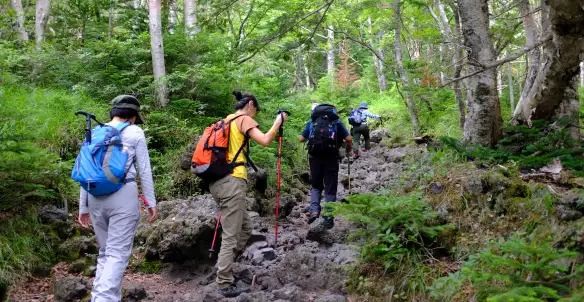
For those new to trekking or simply looking for a relaxed outdoor experience, the beginner tier of Vietnam trekking difficulty levels offers many beautiful trails that combine nature with cultural discovery.
One of the most accessible regions is Pu Luong Nature Reserve, located just a few hours from Hanoi. The landscape here is defined by terraced rice fields, bamboo forests, and traditional Thai villages scattered across the valleys.
Trails wind gently through farmland and forest paths, allowing hikers to move at a comfortable pace while taking in the scenery. Along the way you’ll pass wooden stilt houses, water wheels turning beside rice paddies, and farmers working the fields. It’s a perfect introduction to Vietnam’s trekking culture, immersive, scenic, and welcoming.
Moderate treks: Deeper into the mountains exploring Vietnam trekking difficulty levels
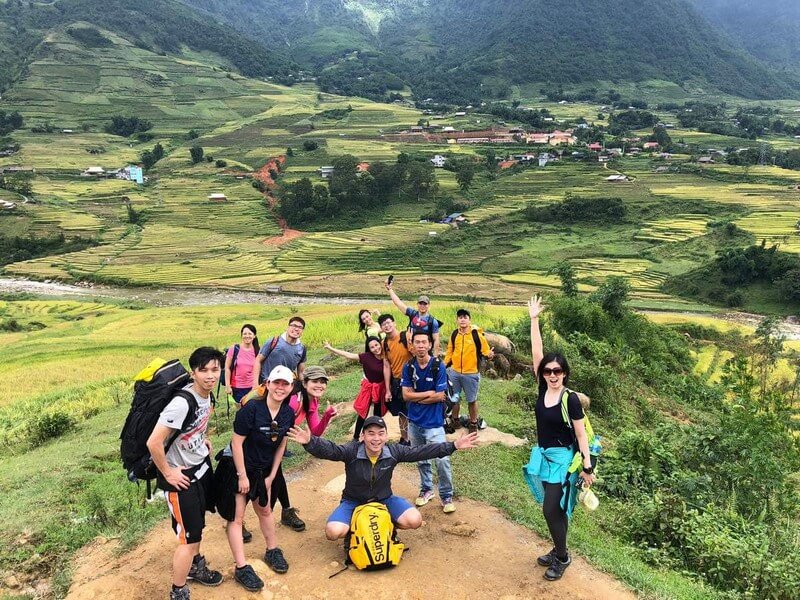
If you’re ready for something a little more adventurous, the moderate tier of Vietnam trekking difficulty levels opens the door to some of Vietnam’s most iconic landscapes. The mountains surrounding Sa Pa offer fantastic multi-day trekking opportunities through terraced valleys and ethnic minority villages. Trails here connect communities such as Ta Van Village and Lao Chai Village, where hikers can stay overnight in home-stays and experience local culture firsthand. Further east, the dramatic landscapes of Ha Giang Province offer equally rewarding treks. Hiking routes through areas like Hoang Su Phi reveal some of the most breathtaking rice terraces in Southeast Asia.
Moderate treks in these regions typically involve longer distances and steeper terrain, but they remain achievable for travellers with reasonable fitness and a sense of adventure who are familiar with intermediate Vietnam trekking difficulty levels.
Challenging treks – Vietnam’s ultimate mountain adventures
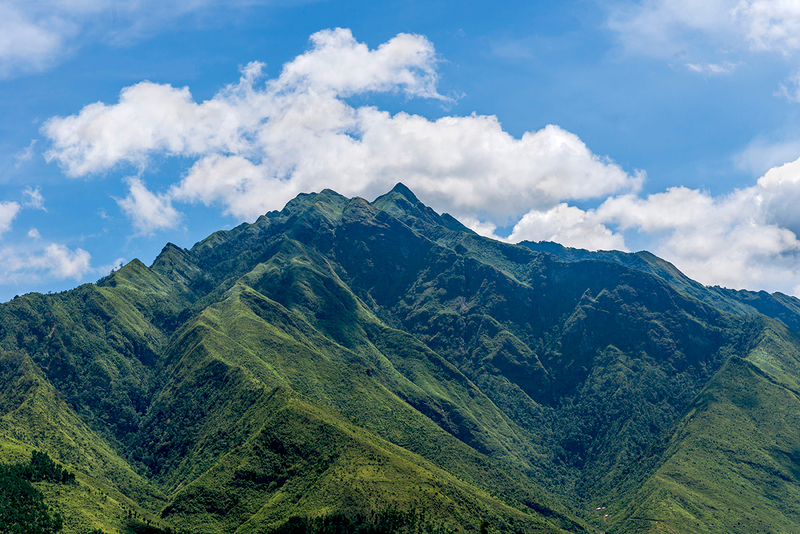
For experienced hikers looking for a true challenge, the highest of the Vietnam trekking difficulty levels offers several serious trekking expeditions that push deeper into remote wilderness.
One of the most famous is the climb to Fansipan, the highest peak in Indochina, located inside Hoang Lien National Park. Standing at over 3,100 meters, the trek to the summit takes hikers through dense forest, bamboo groves, and steep mountain ridges. Although a cable car now reaches the summit area, trekking to the top remains a rewarding challenge for those who want the full experience.
Another unforgettable expedition lies in central Vietnam’s Phong Nha-Ke Bang National Park, where jungle treks lead to some of the largest caves on Earth. Multi-day expeditions through the park involve river crossings, jungle hiking, and cave exploration that feels like stepping into another world. These treks require preparation, endurance, and often professional guides but the rewards are extraordinary.
Travel tip: if you want to reach Vietnam’s most remote and scenic areas, this Ha Giang 4D3N motorbike tour with driver offers a safe and immersive way to explore beyond the usual routes.
Conclusion
Understanding the various Vietnam trekking difficulty levels is the ultimate key to planning a safe, enjoyable, and breathtaking outdoor adventure. Whether you are an absolute beginner strolling through the golden rice terraces of Pu Luong or a seasoned mountaineer conquering the rugged peak of Fansipan, the country’s diverse landscapes offer the perfect challenge for everyone. Pack your hiking boots, choose a route that matches your fitness level, and let the magnificent trails of Southeast Asia take your breath away.
Ready to find your perfect trail and connect with fellow hikers? Follow our Facebook Page and join our ExoTrails Community Group to connect with fellow explorers and stay updated on the latest trails!
FAQs
How do I choose the right Vietnam trekking difficulty levels for my fitness?
If you are new to hiking, absolutely start with easy, flat valley walks in places like Pu Luong or Mai Chau. If you regularly exercise and hike at home, you can confidently attempt the moderate, multi-day routes in Sapa or Ha Giang.
Do I need specialized gear for the hardest Vietnam trekking difficulty levels?
Yes, challenging routes like the Fansipan summit or deep jungle cave expeditions require sturdy, broken-in hiking boots, breathable moisture-wicking layers, and a high-quality waterproof jacket to safely handle the unpredictable mountain weather.
Are local guides required for all Vietnam trekking difficulty levels?
While easy and well-marked moderate trails can often be done independently using the ExoTrails app, hiring a certified local guide is highly recommended—and sometimes legally required—for the most challenging, remote mountain and deep jungle expeditions.
Klook.com


