



Table of Contents Show
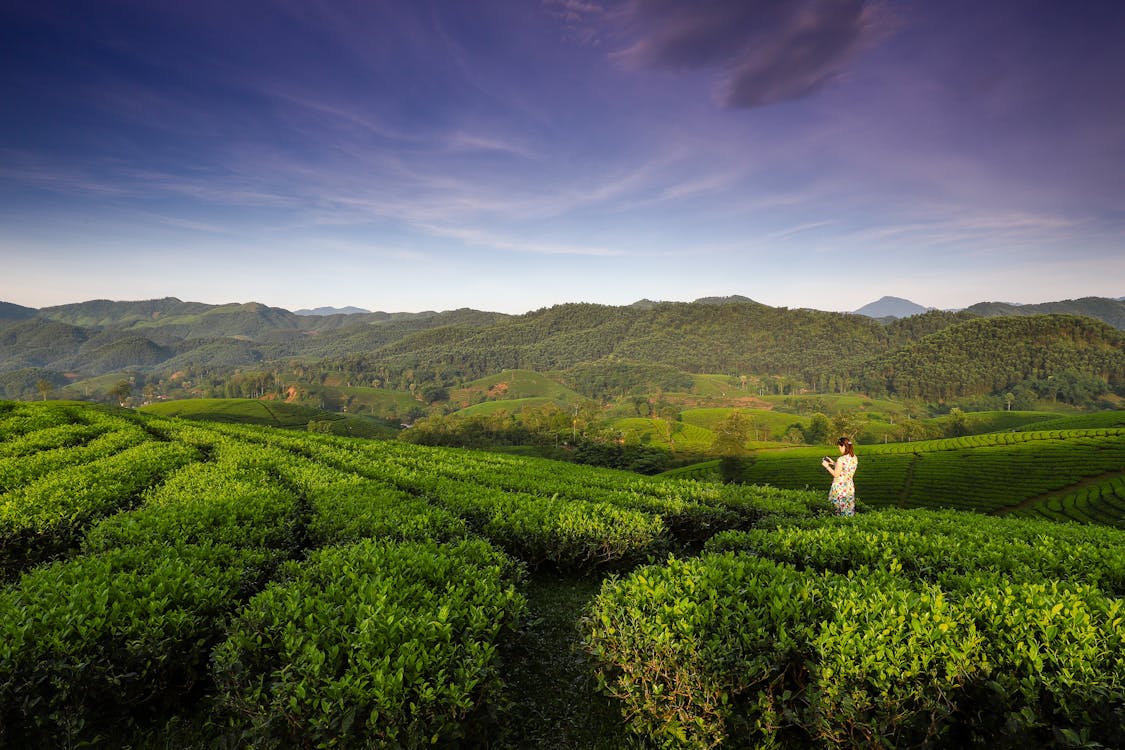
In the heart of Vietnam’s remote highlands, particularly in areas like Sapa, Lao Cai, and Ha Giang, lies a unique agricultural phenomenon known as the sky farms in Vietnam. Perched at elevations of 1,800 to 2,400 meters, these tiny farms cultivate tea, cardamom, and medicinal herbs, offering a fascinating insight into the lives of families who have adapted to this ethereal environment. A visit to these floating villages above the world reveals more than just breathtaking views; it uncovers the deep cultural practices woven into the fabric of highland life and the true essence of sky farms in.
Read more interesting posts here:
- Hanoi Street Food Bun Cha: Explore Must-Know Secrets of Hanoi’s Legendary Noodle Dish
- Raglai People Forest Spirits: Discover the Living Myths of Vietnam’s Indigenous Communities
- Pristine Coastal Landscapes: 5 Hidden Shores in Vietnam for an Unforgettable Escape
Life among the clouds in the sky farms in Vietnam
To reach the sky farms in Vietnam is to embark on a journey through thick mists and lofty peaks. The winding trails that lead to these remote agricultural spaces are often accessible only by foot, underscoring the rugged lifestyle of the families who inhabit them. In Sapa, for example, trekking along paths that weave through terraced rice fields reveals the resilience and unity of the communities living amidst the clouds.
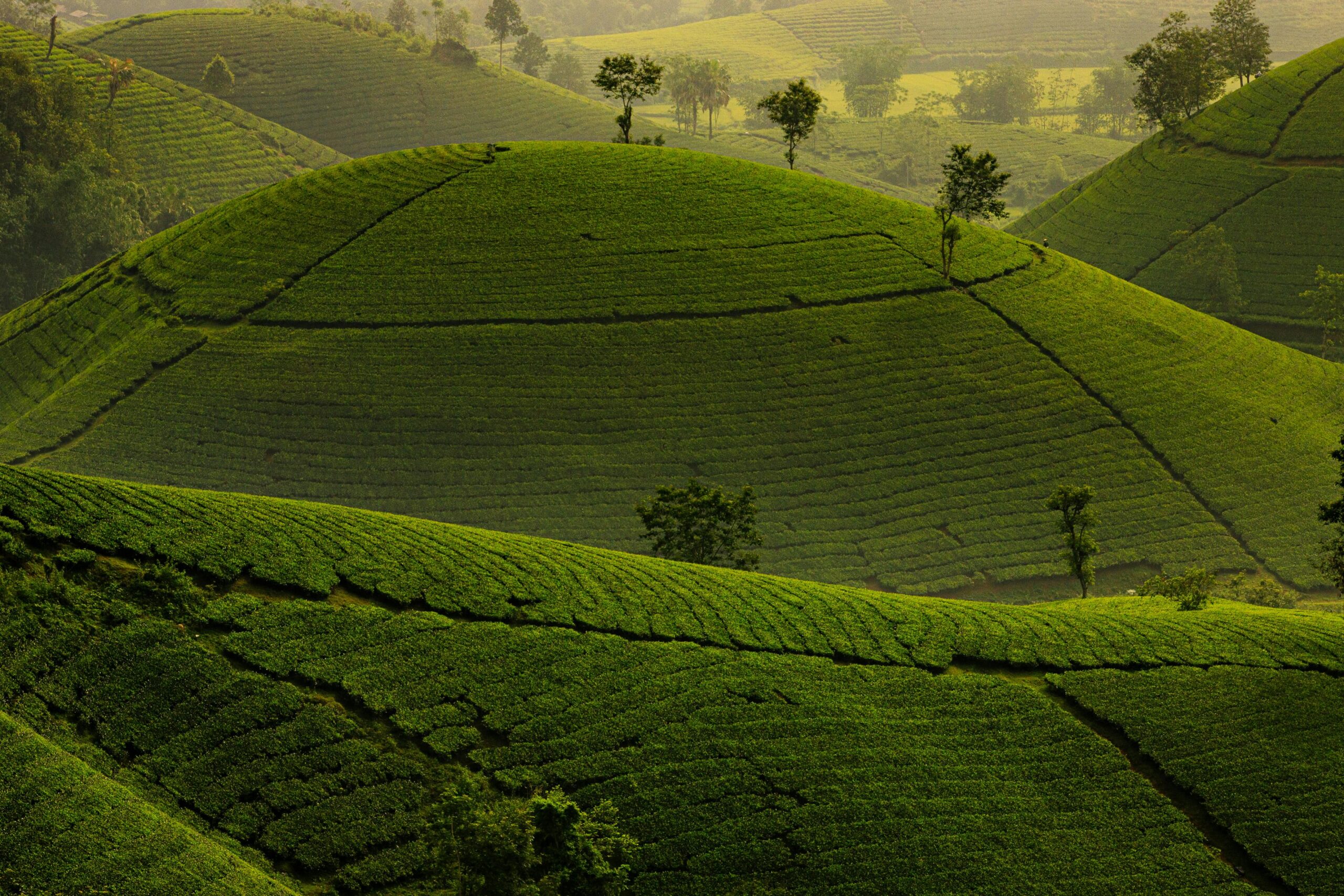
The high altitude creates a unique microclimate, providing specific conditions ideal for cultivating high-value crops. Families skillfully grow varieties of tea known for their distinct flavors, as well as cardamom, an aromatic spice that thrives in the cooler, misty conditions of Lao Cai. These crops not only sustain the families but also represent a vital source of income through local and international markets.
The cultural heritage of highland agriculture at the sky farms in Vietnam
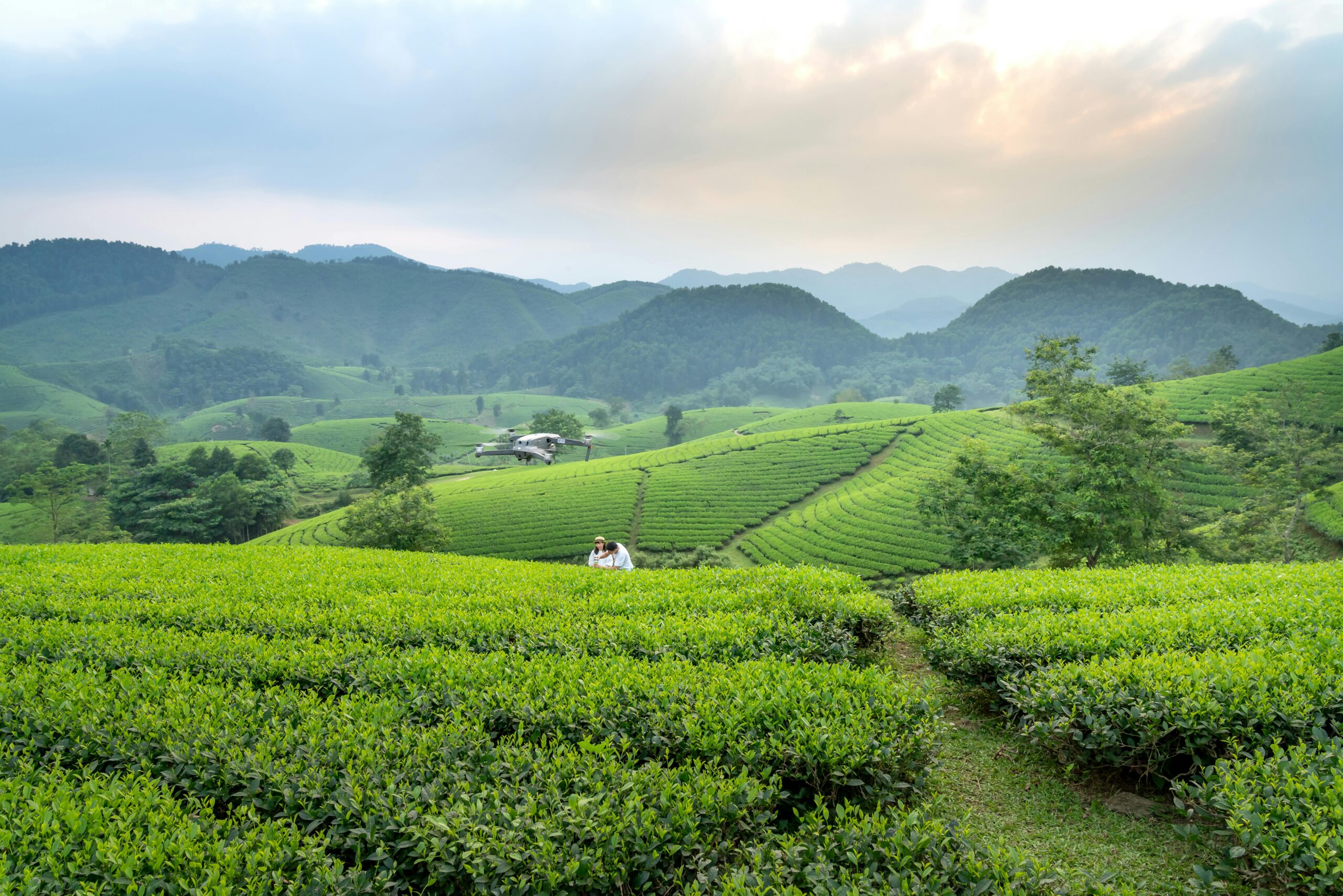
The agricultural practices in the sky farms in Vietnam are deeply rooted in the cultural heritage of the ethnic minorities who inhabit these regions, such as the Hmong and Dao communities. In areas like Ha Giang, these groups have cultivated the land for generations, passing down traditional farming techniques that harmonize with the natural environment. Their knowledge is often steeped in ancestral wisdom, teaching them how to work with the land, respect its cycles, and utilize sustainable practices on the Vietnam sky farms.
Harvesting is a labor-intensive process, often conducted by hand to ensure the quality of the crops. The farmers’ artful techniques reflect a profound understanding of their environment, one that speaks to their deep connection to the land. Engaging with local families in villages such as Tavan and Lung Cu offers a glimpse into their cultural rituals around planting and harvest, which are often celebrated with festivals that honor their relationship with nature and the sky farms in Vietnam.
Medicinal herbs: Nature’s pharmacy
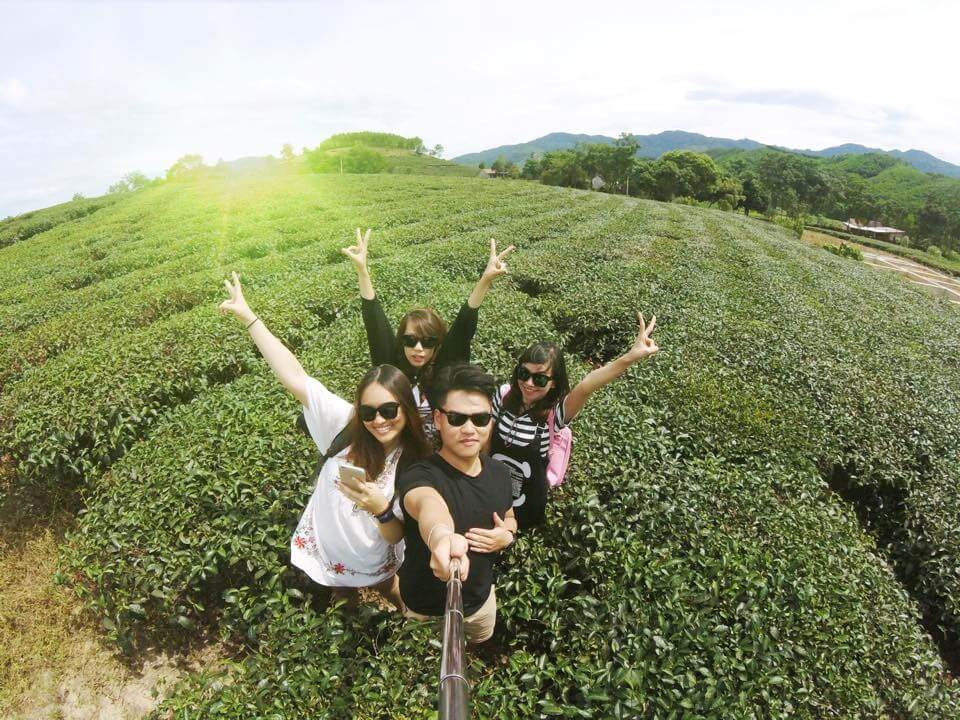
In addition to tea and cardamom, the sky farms are rich in medicinal herbs known for their health benefits. These plants, often used in traditional medicine, play a crucial role in local health practices and demonstrate the community’s reliance on the natural pharmacy that surrounds them. Families cultivate herbs like turmeric, ginger, and various varieties of wild garlic, integrating them into their daily diets and traditional remedies.
Visitors to the area often have the opportunity to learn about these herbal remedies, giving them insight into a natural health system that has been utilized for centuries. The knowledge passed down through generations not only serves the community members but also draws interest from those seeking alternative herbal health solutions from the sky farms in Vietnam.
The impact of eco-tourism on the sky farms in Vietnam
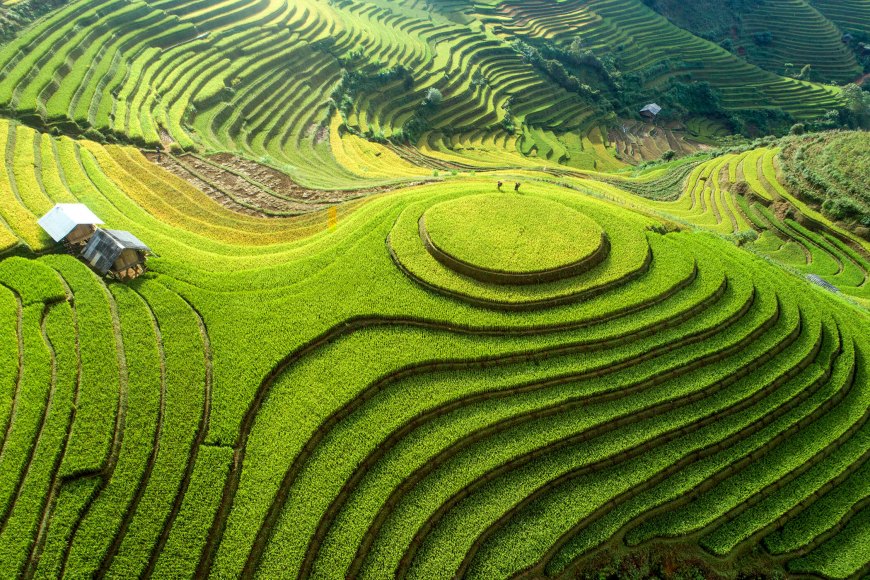
As the world becomes more interested in sustainable travel, the sky farms in Vietnam are emerging as a model for eco-tourism. Tourists eager to experience authentic rural life can engage with local farmers, participate in agricultural activities, and learn about traditional practices. This cultural exchange creates income opportunities for highland communities while fostering environmental stewardship.
In places like Bac Ha and Mu Cang Chai, sustainable tourism initiatives promote respectful interactions with the community, helping to preserve their cultural heritage and natural environment while enriching the experience for visitors.
Travel tip: if you want to reach Vietnam’s most remote and scenic areas, this Ha Giang 4D3N motorbike tour with driver offers a safe and immersive way to explore beyond the usual routes.
Conclusion
Trekking up to the majestic sky farms in Vietnam is an incredibly rewarding journey that bridges the gap between modern travelers and ancient, sustainable agricultural traditions. By visiting these misty, high-altitude terraces, you directly support the indigenous communities that have beautifully cultivated this harsh landscape for generations. Pack your sturdiest hiking boots, breathe in the crisp mountain air, and let the resilient spirit of the northern highlands leave an unforgettable mark on your adventurous soul.
Ready to share your breathtaking mountain photos and connect with fellow eco-travelers? Join our vibrant community in the ExoTrails Community Group and be sure to like the Facebook Page for the latest trekking routes, cultural tips, and daily inspiration!
FAQs
What is the absolute best time of year to visit the sky farms in Vietnam?
The most visually spectacular time to visit the terraced farms is during the golden harvest season, which typically occurs from late August to early October. Alternatively, visiting in May allows you to witness the beautiful “watering season” when the terraces act like giant mirrors reflecting the sky.
Do I need a local guide to reach the remote sky farms in Vietnam?
Yes, hiring a local indigenous guide is highly recommended and sometimes required for the more remote, high-altitude villages in Sapa and Ha Giang. They ensure your safety on the steep, unmarked dirt trails and act as essential cultural translators with the farming families.
Can tourists buy tea and herbs directly from the sky farms in Vietnam?
Absolutely! Purchasing high-altitude tea, rare spices, and medicinal herbs directly from the farming families is a fantastic way to support the local micro-economy. Just ensure you carry enough small-denomination Vietnamese Dong (VND) cash, as digital payments are rarely accepted in the clouds.
Klook.com


