





Table of Contents Show
There are places you visit, and then there are places that stay with you long after your boots are off and your backpack is unpacked. Sapa belongs firmly in the second category. Tucked high in Vietnam’s northern mountains, it’s not just a destination offering a unique form of Sapa cultural trekking that quietly reshapes how you see nature, culture, and even yourself.
I’ve guided and explored trails all over the world, but Sapa has a way of surprising even seasoned trekkers. Sapa cultural trekking is not about conquering peaks or ticking off kilometers. It’s about immersion slow, grounding, and deeply human.
Read more interesting posts here:
- Best Outdoor Activities in Vietnam: Trails, Waterfalls, and Wild Corners You’ll Never Forget
- The Ultimate Phu Yen Nature Travel Guide: Experience Breathtaking Coastal Wonders
- 6 Incredible Fansipan Alternative Treks for an Unforgettable Mountain Adventure
Why the landscape is the heartbeat of Sapa cultural trekking

Sapa’s terrain isn’t static it evolves as you move through it. One moment you’re walking along narrow ridgelines overlooking cascading rice terraces, and the next you’re descending into misty valleys where buffalo graze and rivers carve through ancient earth.
Unlike more commercial trekking hubs, the trails used for Sapa cultural trekking feel alive. Weather shifts quickly sunlight breaking through clouds, fog rolling in without warning and each change transforms the landscape. That unpredictability is part of the magic. For international travelers, especially those used to well-marked Western trails, this dynamic environment can feel both exciting and unfamiliar during a Sapa cultural trekking trip. It’s not about perfectly planned routes it’s about staying present and adapting as you go.
Experiencing authentic ethnic villages through Sapa cultural trekking

What truly sets Sapa apart isn’t just the scenery it’s the people. Sapa cultural trekking naturally brings you into contact with local ethnic communities like the Hmong and Dao. These aren’t staged cultural performances; they’re everyday lives unfolding around you.
You’ll pass through villages where children run alongside you, farmers work the terraces, and locals greet you with genuine curiosity. If you choose a homestay as part of your Sapa cultural trekking adventure, the experience deepens shared meals, simple conversations, and a glimpse into a rhythm of life that hasn’t changed much in generations. For many trekkers, this becomes the highlight not the views, but the human connection.
Finding a mental reset during your Sapa cultural trekking journey

Sapa cultural trekking teaches you something many modern travellers forget: how to slow down. Trails here aren’t about speed. The terrain demands attention muddy paths, uneven steps, and steep sections that force you to move deliberately.
But in that slower pace, something shifts. You notice more. The sound of water flowing through terraces, the texture of the earth beneath your boots, and the distant echo of village life. It’s a reset. A break from fast itineraries and packed schedules that only Sapa cultural trekking can provide.
Preparing for the physical challenges of Sapa cultural trekking

Let’s be honest Sapa cultural trekking isn’t always comfortable. Conditions can be muddy, especially after rain. Visibility can drop quickly. Trails aren’t always clearly marked, and language barriers can add another layer of challenge.
That’s why preparation matters. Good footwear is essential. Lightweight rain protection isn’t optional it’s necessary for a successful Sapa cultural trekking experience. And having a reliable navigation tool makes a real difference, especially if you’re exploring independently. This is where something like the ExoTrails App becomes genuinely useful. Being able to access both online and offline maps, track your route, and understand terrain ahead gives you confidence without taking away from the raw, authentic feel of the experience.
Understanding why Sapa cultural trekking creates memories that last a lifetime
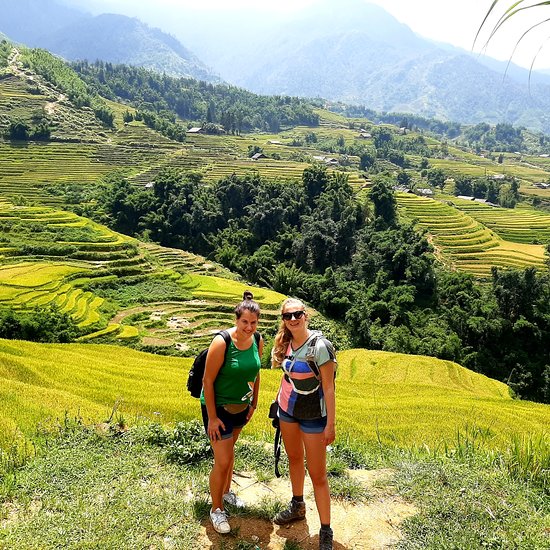
Long after your trek ends, Sapa lingers. It’s in the memory of early morning mist lifting off the terraces. In the quiet satisfaction of reaching a village after hours on the trail. In the warmth of a shared meal with strangers who quickly feel like friends.
Sapa cultural trekking doesn’t overwhelm you with grandeur it draws you in slowly, layer by layer. And that’s exactly why it stays. For international trekkers looking for something more than just another scenic hike, Sapa cultural trekking offers something rare: a journey that feels personal. Not just a place you explore but a place that, in its own quiet way, explores you right back.
Conclusion
Ultimately, Sapa cultural trekking is the perfect blend of physical challenge and spiritual connection. By walking through the ancient terraces and engaging with the local Hmong and Dao people, you gain a perspective that no other destination can offer. It is a journey into the soul of the mountains that will stay with you long after you return home.
FAQs
Is Sapa cultural trekking suitable for beginners?
Yes, there are many routes with varying difficulty levels that cater specifically to those new to hiking or those seeking a gentler pace.
What is the best month for Sapa cultural trekking?
The best times are from March to May or September to October when the weather is stable and the rice terraces are at their most beautiful.
Do I need a guide for Sapa cultural trekking?
While not mandatory for all trails, a local guide is highly recommended to help navigate unmarked paths and facilitate meaningful interactions with ethnic minority communities.
Ready to hit the trails? Join our vibrant community in the ExoTrails Community Group and be sure to like the Facebook Page for the latest hidden gems, trail updates, and daily inspiration!
Klook.com


