
Table of Contents Show
There are places in Vietnam where the forest still speaks — softly, patiently, in the rustle of bamboo leaves and the cry of cicadas that echo through ancient canopies. These are the sacred forests Vietnam cherishes — living sanctuaries that hold not only biodiversity but also the stories, rituals, and spirits of the people who have lived alongside them for centuries.
In a country celebrated for its karst mountains and rice terraces, these quiet green realms remain largely unseen. But for travelers seeking meaning beyond beauty, the sacred forests Vietnam offers something rare: a glimpse into harmony — between human, culture, and nature.
Read more interesting posts here:
- Best Things to Do in Halong Bay: A Guide to Vietnam’s Legendary Sea
- Exploring the Soul of the Highlands: Discovering the Best Tea Hills Vietnam
- The Mighty Bean: Why Vietnam Robusta Coffee is King of the Central Highlands
The Forests That Breathe History: Sacred Forests Vietnam in the North
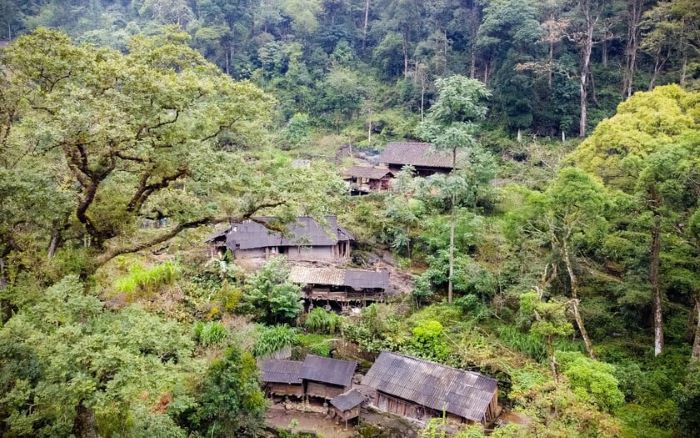
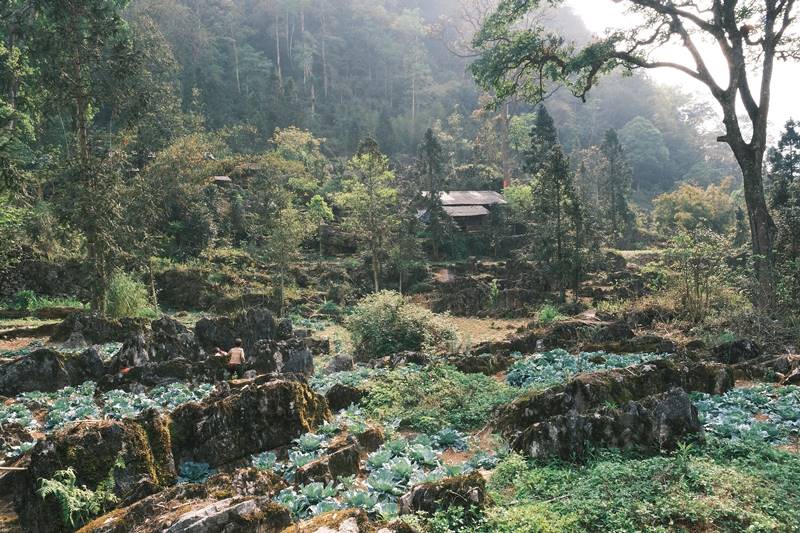
In the northern provinces of Yen Bai and Ha Giang, where the mist curls low over terraced hills, ethnic communities like the Tay and Dao still guard fragments of their ancient forests. They call them rừng thiêng — “spirit forests” — places believed to be the dwelling of protective deities and ancestral souls.
Here, the forest is more than ecosystem; it’s memory. Villagers perform annual rituals to honor the spirits who keep their crops fertile and their rivers flowing. Cutting trees, hunting, or even walking into certain areas without permission is forbidden — an unwritten conservation law that has quietly preserved biodiversity for generations within these sacred forests Vietnam maintains.
These sacred forests are often small — sometimes just a few hectares — but they serve as vital ecological corridors connecting mountain streams, wildlife, and local livelihoods.
The South’s Green Guardians: Sacred Forests Vietnam and Indigenous Stewardship
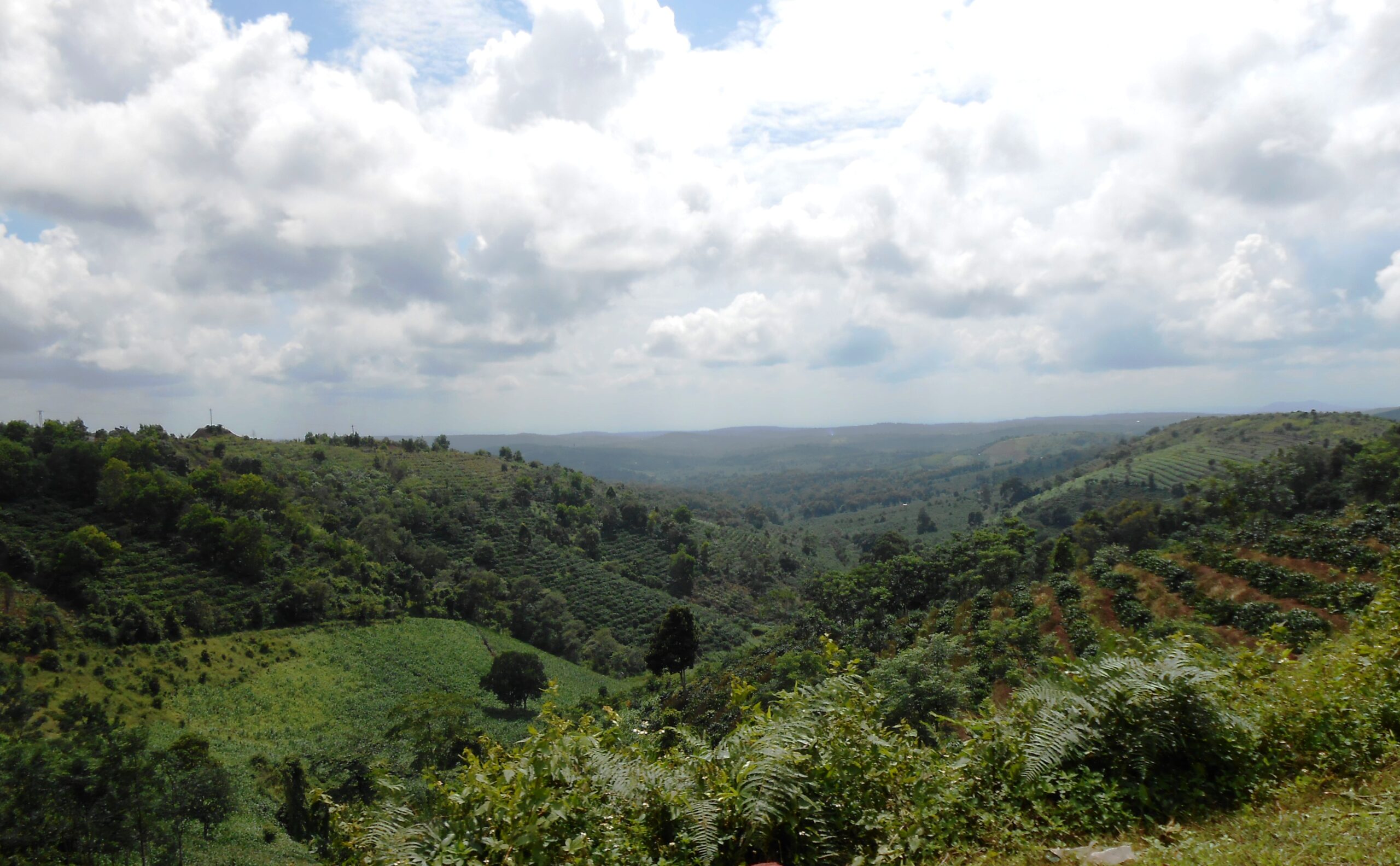
Travel south to Lam Dong or Dak Lak, and the story continues in a different key. Among the K’Ho and M’nong people, forest stewardship is embedded in daily life. Every trail, waterfall, and tree has a name — and often, a legend.
The K’Ho believe that spirits guard the highland sacred forests Vietnam values, and before entering to gather wood or forage, villagers offer a prayer or small gift — tobacco, rice, or a whisper of gratitude. It’s an act of reciprocity that modern conservation movements are only beginning to understand.
Today, organizations and platforms like ExoTrails are helping travelers experience these regions responsibly — mapping access points, collaborating with local guides, and encouraging ethical exploration. It’s eco-tourism rooted in respect, not consumption.
Between Tradition and Transformation: The Future of Sacred Forests Vietnam
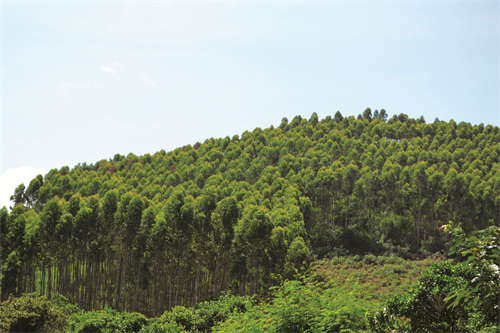
Yet, even the most sacred spaces are not immune to change. Deforestation, tourism, and agricultural expansion have pushed many communities to rethink how they protect their heritage.
In Pu Luong, villagers now lead guided treks that weave storytelling with conservation — explaining local beliefs while planting trees along ancient paths. In Cat Tien, former hunters have become forest rangers, turning survival into stewardship.
These small but powerful shifts reveal a profound truth: the sacred forests Vietnam protects aren’t just surviving — they’re evolving through the people who love them.
Where Adventure Meets Reverence in the Sacred Forests Vietnam
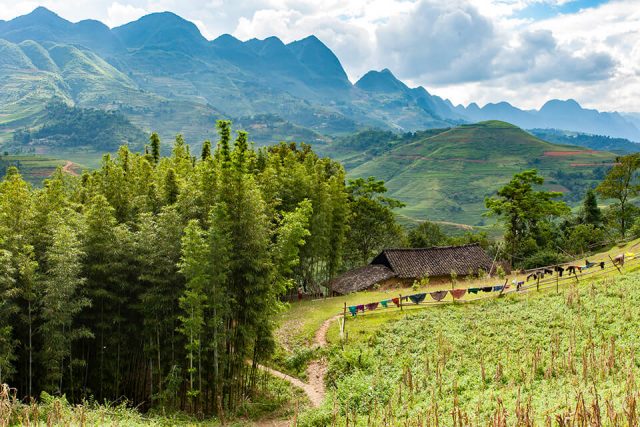
For the modern adventurer, exploring Vietnam’s sacred forests isn’t about adrenaline — it’s about awakening. It’s about walking slower, listening deeper, and understanding that every root, every sound, carries meaning.
As ExoTrails expands its network of verified eco-routes and community collaborations, these once-forbidden forests are opening their doors — not to exploitation, but to education. Each trail becomes a classroom; each guide, a storyteller; each visitor, a guardian in training.
Because in the end, the greatest adventure isn’t conquering nature — it’s learning how to belong to it.
Conclusion
The sacred forests Vietnam protects are vital ecological treasures and profound cultural archives, offering a unique vision of conservation driven by ancient tradition and spiritual respect. By supporting responsible tourism initiatives like those promoted by ExoTrails, travelers can ensure that these silent guardians and the vibrant indigenous cultures that protect them thrive for generations to come.
Ready to walk the trails of these ancient sanctuaries? Join our vibrant community on Facebook to share your trekking stories and tips, and don’t forget to like the ExoTrails fanpage for the latest updates and exclusive offers!
Frequently Asked Questions (FAQs)
Q: What is the main purpose of the sacred forests Vietnam maintains?
A: The main purpose is twofold: they serve as vital biodiversity reserves and as spiritual sanctuaries believed to be the dwelling places of protective deities and ancestral spirits.
Q: Which ethnic groups are known for protecting the sacred forests Vietnam has?
A: The Tay, Dao, K’Ho, and M’nong people are among the many ethnic communities that have long-standing, traditional practices for guarding and conserving these forest areas.
Q: Are there any specific rules for visiting the sacred forests Vietnam showcases?
A: Yes, visitors should always follow the guidance of local community leaders, which often includes rules against hunting, cutting trees, or entering specific ritual areas without permission.
Q: How does this concept of sacred forests differ from national parks?
A: Sacred forests are conserved primarily through traditional spiritual beliefs and local taboos, whereas national parks are protected by formal governmental law and modern conservation management.
Klook.com