


Vietnam's urban centers are a vibrant reflection of the country's economic dynamism and layered history. In cities like Hanoi and Ho Chi Minh City, life is a thrilling, densely packed blend of ancient spiritual practice, colonial-era architecture, and ambitious modern planning, a collision that makes Vietnamese urban culture intensely unique and alive, which you'll discover in this Vietnam city life guide.
Read more interesting posts here:
- Beyond the Crowds: The Ultimate Guide to Wild Camping Vietnam's Coastline
- Where Jungle Meets Sea: The Ultimate Guide to Coastal Trekking Vietnam
- Exploring the Diversity of Vietnam Climate Zones: From Tropical Palms to Misty Peaks
The enduring charm of the old quarter and tube houses in our Vietnam city life guide
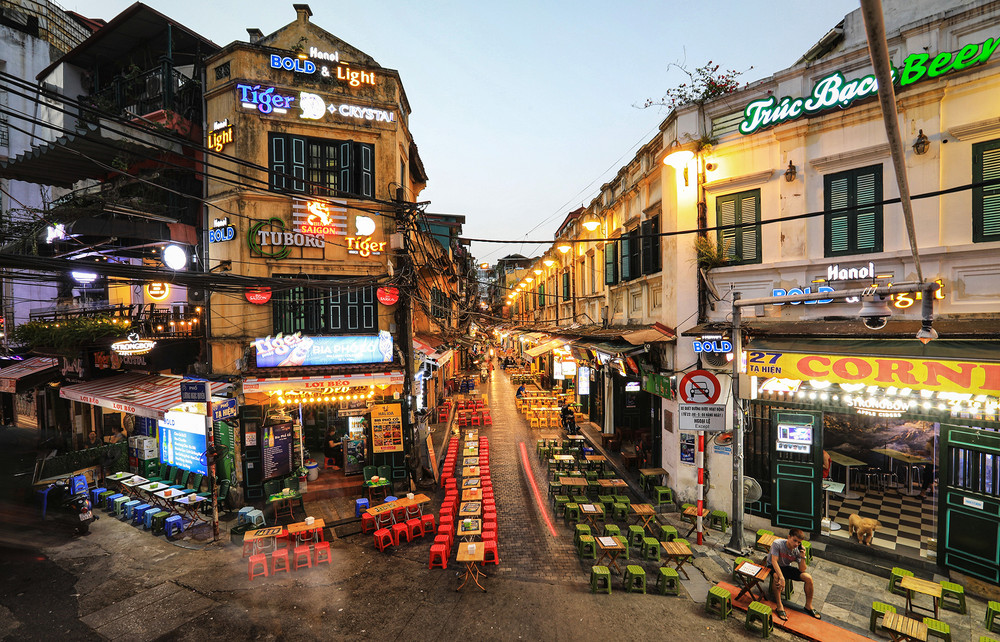
Vietnamese cities are defined by their distinctive historical residential and commercial structures, which speak directly to centuries of urban evolution and land-use pressure, a key highlight of any Vietnam city life guide.
The most famous example is Hanoi's Old Quarter, where the layout follows a medieval guild structure with "36 Streets" where tradespeople traditionally grouped together. Here, you find the iconic "Tube House" architecture: long, narrow buildings that maximize street frontage, a legacy of ancient tax laws based on street width. This density fosters a rich, communal street life, blurring the lines between private homes, sidewalk kitchens, and small businesses—an atmosphere often highlighted in any Vietnam city life guide. Ho Chi Minh City, while more sprawling and modern, retains pockets of its past. The architecture often showcases a blend of styles:
- Colonial Influences: Grand French-built structures like the Saigon Notre-Dame Cathedral and the Saigon Opera House stand as reminders of the colonial era.
- Modernist Architecture: Buildings from the former Republic of Vietnam era (pre-1975) showcase a unique Vietnamese take on mid-century modern design.
The drive for modernization and new urban spaces in your Vietnam city life guide
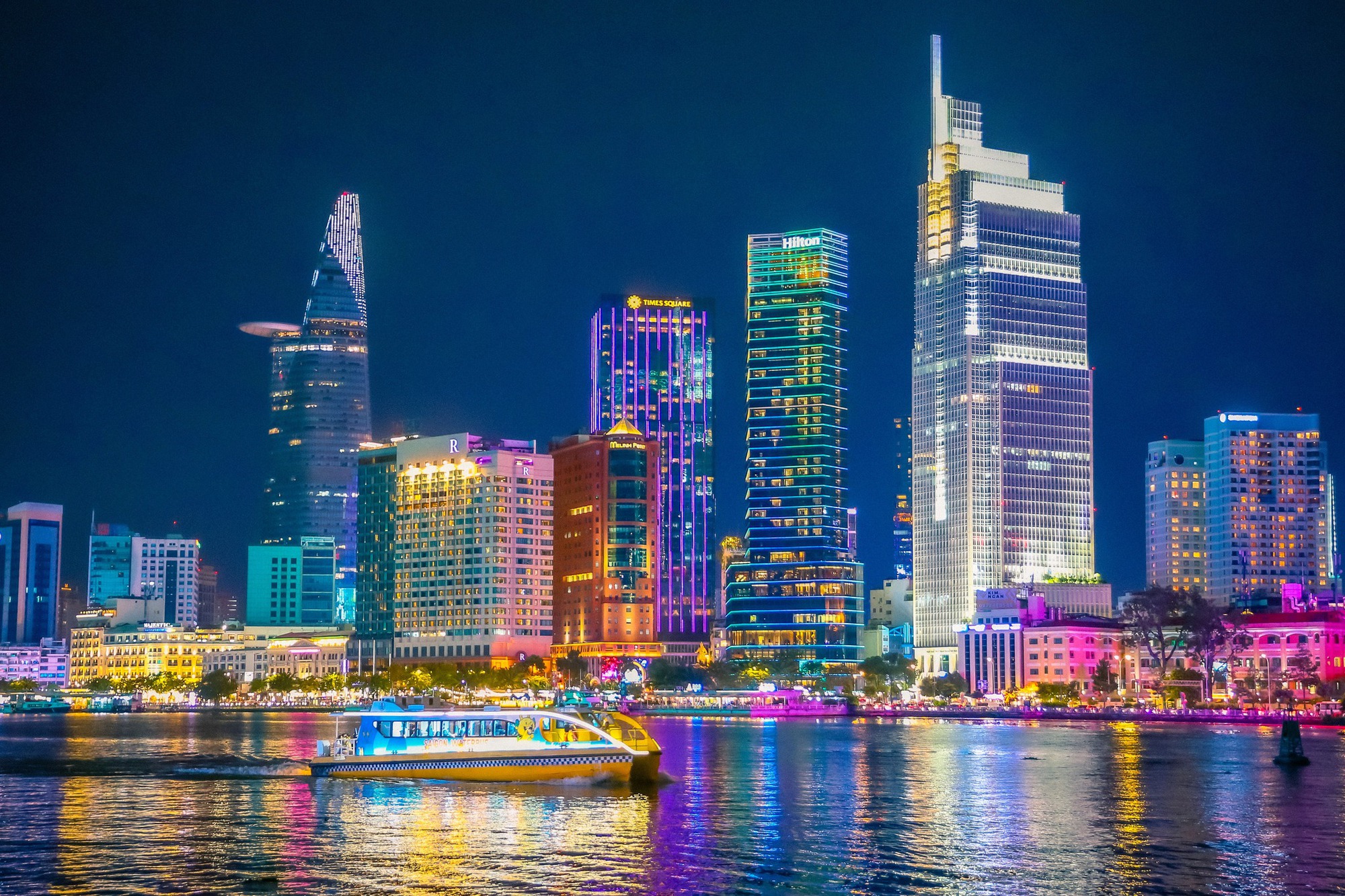
The speed of Vietnam's economic growth (Đổi Mới reforms) is visibly etched into its skylines and ambitious infrastructure projects, especially in Ho Chi Minh City. Rapid modernization has led to the development of massive new urban areas and iconic modern landmarks, transformations frequently highlighted in a Vietnam city life guide when exploring the country’s evolving urban landscape:
- Skyscrapers: Structures like Landmark 81 in HCMC, inspired by the bamboo shoot (a traditional Vietnamese symbol of growth), exemplify the new era of high-rise construction, blending futuristic design with national symbolism.
- Thu Thiem New Urban Area: Located across the Saigon River, this area in HCMC is undergoing massive development to become a major new financial and residential hub, reflecting a planned, sustainable approach to urban expansion often highlighted in a Vietnam city life guide.
- Metro Systems: Both Hanoi and HCMC are investing billions into developing extensive urban rail networks to combat legendary traffic congestion, prioritizing projects like HCMC's Metro Line 2 (Bến Thành – Tham Lương segment) to establish transit-oriented development (TOD).
This planning reflects a push to catch up with other major Asian capitals, with cities aiming to become sustainable smart cities by prioritizing public transportation and green infrastructure.
Public life and green spaces
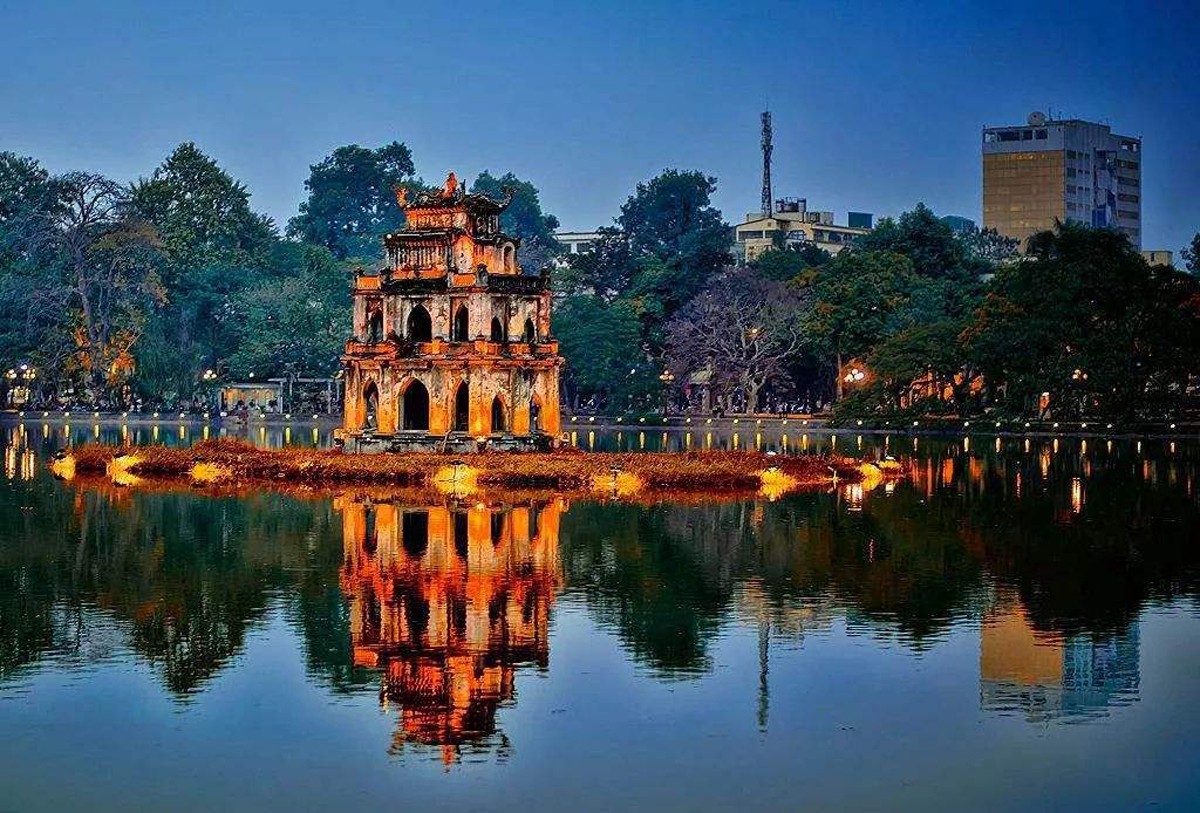
Despite the density and traffic, Vietnamese cities maintain a robust culture of public life, often centered around limited, yet vital, green spaces that every Vietnam city life guide recommends. The daily communal routines in urban parks are essential to the city's character:
- Morning Fitness: In Hanoi, Hoàn Kiếm Lake is the central gathering point for early morning tai chi, aerobics, and communal exercise, serving as the city's "green lung."
- Public Parks: There is a significant governmental push to increase the per-capita Urban Green Space (UGS), which is relatively low compared to international standards. Ho Chi Minh City, for instance, is actively converting valuable urban land, such as parts of the Saigon River waterfront, into public parks and cultural spaces to enhance the quality of life and create cultural legacies, an urban transformation often discussed in a Vietnam city life guide.
- New Typologies: Spaces like the Nguyễn Văn Bình Book Street in HCMC exemplify a new type of urban public space, blending pedestrian zones, bookstalls, and cafes into an accessible, open-air cultural zone that is increasingly being replicated.
Ultimately, Vietnam's urban life is defined by its ability to maintain a strong sense of community and heritage amidst unprecedented growth. The cities are a testament to the Vietnamese people's adaptability, an idea often emphasized in any Vietnam city life guide, where tradition and technology coexist on a shared plastic stool.
Conclusion
Whether you are wandering through the historic streets of Hanoi or marveling at the towering skyscrapers of Ho Chi Minh City, the urban energy here is truly unmatched. By following this comprehensive Vietnam city life guide, you can deeply immerse yourself in the rich heritage, vibrant public spaces, and rapid modernization that define these bustling metropolises. Pack your bags, embrace the chaotic charm, and get ready to experience the unforgettable magic of Vietnamese urban life firsthand.
To share your urban adventures and connect with fellow explorers, follow our Facebook Page and join our ExoTrails Community Group to connect with fellow explorers and stay updated on the latest trails!
FAQs
What is the best time of year to use this Vietnam city life guide?
The ideal time to explore these bustling urban centers is during the cooler, dry months from November to April. This comfortable weather allows you to fully enjoy walking tours and vibrant night markets without the heavy tropical rain.
Is it safe for tourists to walk around the cities at night?
Yes, major urban areas in Vietnam are generally very safe for tourists walking at night, especially in popular districts like Hanoi's Old Quarter. Just remember to stay aware of your surroundings and look out for motorbike traffic when crossing the busy streets.
How do locals usually travel within these busy cities?
Most locals rely heavily on motorbikes for their daily commute, but affordable ride-hailing apps are also incredibly popular for travelers. Additionally, both Hanoi and Ho Chi Minh City are actively developing modern metro systems to help ease the legendary traffic congestion.