
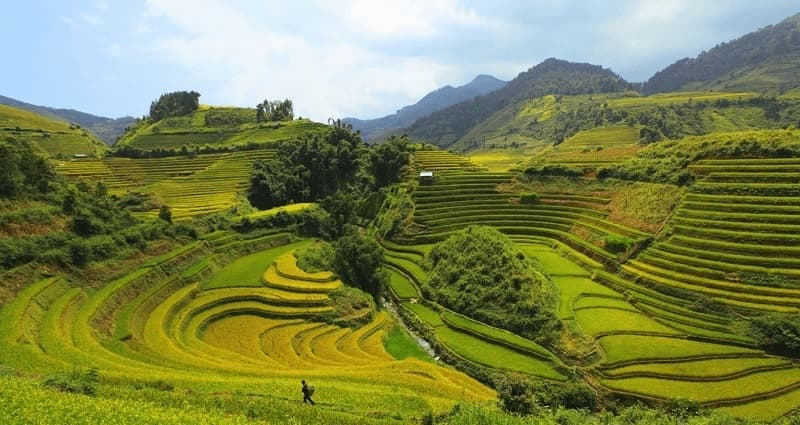

- Hidden Villages in Vietnam: 12 Breathtaking Routes into the Soul of an Ancient Empire
- Vietnam Eco-Resorts 2026: Spectacular Sanctuaries Echoing the Soul of an Ancient Land
- Pine forests in Vietnam: Breathtaking Alpine Sanctuaries Whispering Tales of a Forgotten Colonial Past
Sàng Ma Sáo: A Top Contender for the Best Eco Tourism Destinations in Vietnam
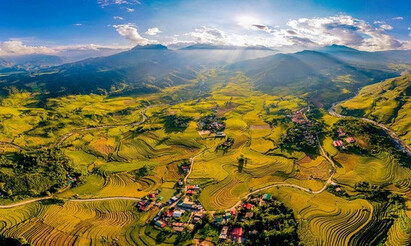
While Mù Cang Chải gets the Instagram fame, Sàng Ma Sáo (Bát Xát district) is where the earth still feels primal. This is the gateway to Kỳ Quan San (Muối Peak), the fourth-highest mountain in Vietnam and, in my opinion, the most rewarding climb in the country.
- The Primitive Angle: You aren't just observing terraces from a roadside viewpoint; you are navigating a vertical labyrinth unchanged for centuries. The Hmong and Dao communities here practice "rotating agriculture," a masterclass in ecological balance that keeps the soil fertile without the chemical shortcuts of modern farming. This commitment to nature makes it one of the best eco tourism destinations in Vietnam for conscious travelers.
- The Trek: This is a grueling 2-day ascent through ancient rhododendron forests. In early spring (February–March), the forest floor becomes a vibrant carpet of fallen blossoms. By the time you reach the summit, the "sea of clouds" is so dense and tactile you’d swear you could walk across it to the next peak.
Hoàng Su Phì: Preservation and Heritage in the Ancient Tea Forests
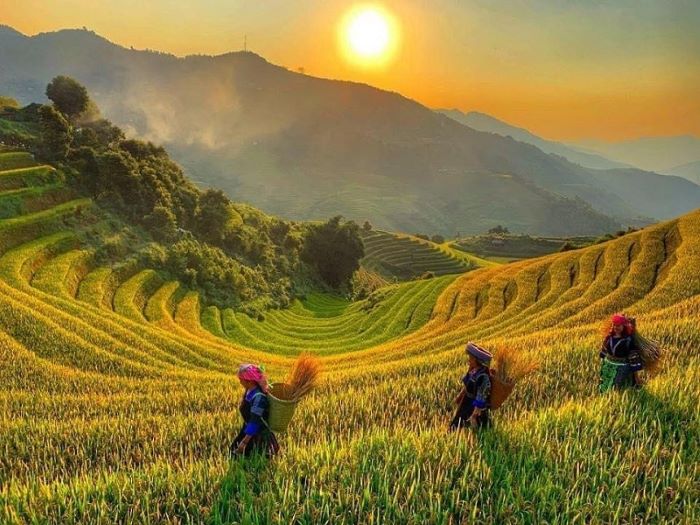
Moving east into the heart of Hà Giang, we leave the paved "Loop" behind for the sheer verticality of Hoàng Su Phì. This is eco-tourism in its purest form: preservation through consumption.
- The Heritage: We trek through the Tây Côn Lĩnh range to find 300-year-old Shan Tuyết tea trees. These aren't manicured bushes; they are moss-covered giants. The local indigenous groups harvest these wild leaves by climbing deep into the canopy, producing a tea that tastes like the mountain mist itself.
- The Impact: By staying in local stilt-house homestays here, you are directly funding the protection of these ancient forests against industrial logging. It’s a prime example of why these remote areas are often cited as the best eco tourism destinations in Vietnam.
Núi Thủng: Discovering the "Water World" of Cao Bằng
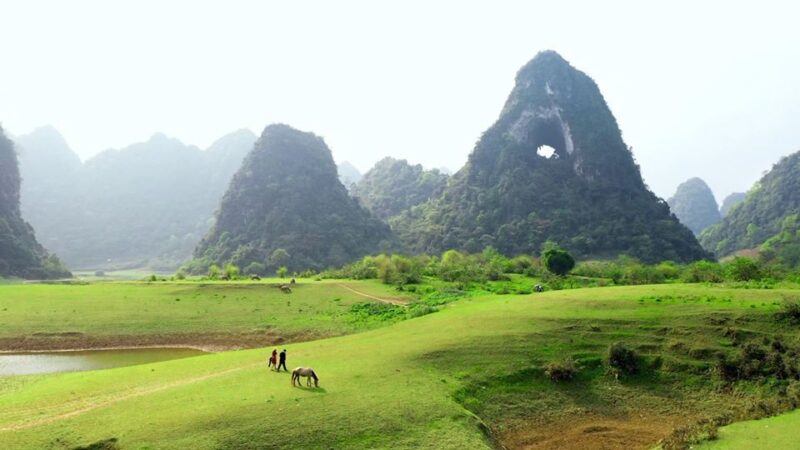
Finally, we reach the "Water World" of Cao Bằng. While everyone flocks to Ban Gioc Waterfall, the "Primitive" secret lies in the Thang Hen Lake System and the mysterious Núi Thủng (Angel Eye Mountain).
- The Mystery: This is a karst mountain with a massive, naturally eroded hole piercing straight through its heart. In the dry season, the surrounding valley transforms into a lush, nomadic meadow where water buffalo roam free.
- The Silence: There are no hotels here. We utilize low-impact campsites managed by the Tày people. It is a place of absolute stillness, where the only sound is the wind whistling through the mountain’s "eye."
The Guide’s Creed: Sustainable Travel in Vietnam’s Eco-Frontiers
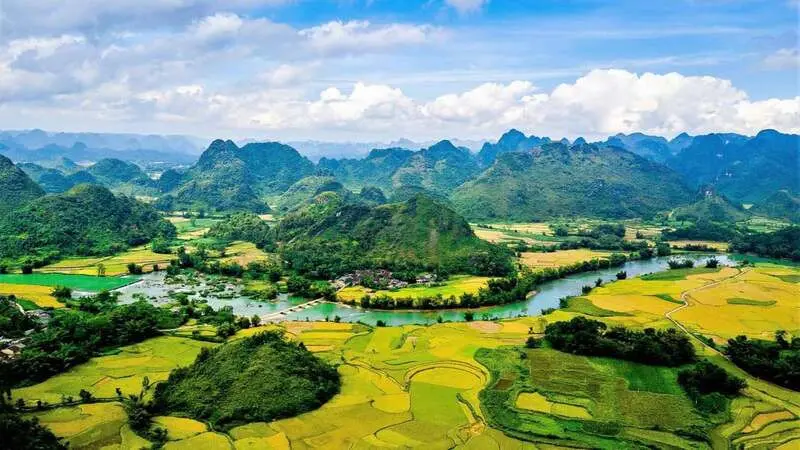
In my years on the trail, I’ve seen how "development" can sanitize the adventure out of a landscape. The Primitive North is the antidote, but it is fragile. To keep these as the best eco tourism destinations in Vietnam, we operate on a "Closed Loop" waste system everything carried in comes back out. We hire local "forest ghosts" (village guides) because their ancestral knowledge of medicinal plants and weather patterns is far superior to any GPS.
Ready to experience these hidden corners for yourself? Explore our handpicked selection of authentic Vietnam expeditions and book your next adventure today: https://bit.ly/4vwzPEdConclusion mới
Finding the best eco tourism destinations in Vietnam requires a willingness to leave the paved roads behind. From the ancient tea forests of Hà Giang to the "Angel Eye" of Cao Bằng, these locations offer a rare chance to see nature in its purest form. It requires sweat, respect, and a "Leave No Trace" mindset, but the reward is a view and an experience that belongs to you and the clouds alone.
FAQ (Frequently Asked Questions)
1. What are the best eco tourism destinations in Vietnam for trekking?
The "Primitive North," including Sàng Ma Sáo in Lào Cai and the Tây Côn Lĩnh range in Hà Giang, offers some of the most authentic and challenging trekking experiences in the country.
2. When is the best time to visit Northern Vietnam for eco-tourism?
The ideal time is from September to October (harvest season) or from February to March, when wild flowers like rhododendrons bloom in the ancient forests.
3. Do I need a guide to visit these remote areas?
Yes. For safety and cultural immersion, hiring local "forest ghosts" or village guides is highly recommended as they possess invaluable knowledge of the terrain and local traditions.
4. Is there luxury accommodation in these eco-tourism spots?
Most areas focus on low-impact tourism, meaning you will likely stay in traditional stilt-house homestays or managed campsites rather than luxury hotels.
5. How can I practice sustainable travel in Vietnam?
Follow the "Leave No Trace" principle: carry out all waste, respect local ethnic cultures, and choose local-led tours that contribute directly to forest conservation.


