





Table of Contents Show
When people imagine trekking in Sa Pa, the first image that usually comes to mind is the sweeping rice terraces carved into the mountains. These layered fields, often considered the best rice terraces in Sapa, are not just beautiful scenery, they are the defining feature of the region and the reason many of Sapa’s trekking routes exist in the first place.
Walking through these terraces is one of the most unforgettable parts of a Sapa trek. The trails weave directly between the fields, sometimes following narrow paths along the edges of the best rice terraces in Sapa that cascade down entire mountainsides. But beyond their beauty, the terraces tell a deeper story about the people who live in these mountains.
Read more interesting posts here:
- The Ultimate Secrets of Sapa Cultural Trekking for an Amazing Experience
- Climbing Fansipan Sapa: Uncovering the Amazing Secrets of the Porters
- Mekong Delta Tour From Ho Chi Minh City: An Unforgettable Authentic Escape
Understanding how generations created the best rice terraces in Sapa

The rice terraces around Sapa were not created overnight. They are the result of generations of careful farming and landscape engineering by ethnic minority communities who have lived in the region for centuries to build the best rice terraces in Sapa.
Groups such as the Black Hmong, Red Dao, Tay, and Giay gradually carved the terraces into steep mountain slopes in order to grow rice in an otherwise difficult environment. Each layer captures rainwater and directs it through a series of irrigation channels that flow down the mountains. This system allows farmers to grow rice on slopes that would otherwise be impossible to cultivate. When you trek through valleys like Muong Hoa Valley, you’re actually walking through the best rice terraces in Sapa and one of the most remarkable agricultural landscapes in Southeast Asia.
Why the best rice terraces in Sapa provide the perfect trekking environment

From a trekking perspective, the terraces create an incredibly scenic network of walking paths. Farmers need access to every layer of the fields, so over time small footpaths formed between terraces to maintain the best rice terraces in Sapa, connecting villages and farmland. Today, many of these same paths are used as trekking routes.
As you walk through the valley, the trail constantly changes elevation sometimes climbing along the hillside, sometimes descending toward small streams or bamboo bridges. Because the terraces follow the natural curves of the mountains, every turn in the trail reveals a slightly different view. This is why trekking in Sapa rarely feels repetitive. The scenery keeps shifting as you move deeper into the valley to find the best rice terraces in Sapa.
When to visit to see the best rice terraces in Sapa in full glory

One of the fascinating things about Sapa’s rice terraces is how different they look throughout the year. During the planting season in spring, many of the best rice terraces in Sapa are flooded with water, creating reflective pools that mirror the sky and surrounding mountains.
In summer, the fields turn vibrant green as young rice plants grow across the valley. By early autumn, the terraces transform again this time into a deep golden colour as the rice ripens before harvest. Each stage offers a completely different trekking experience, which is why seekers of the best rice terraces in Sapa visit across multiple seasons.
Experiencing a working landscape among the best rice terraces in Sapa

What makes Sapa’s terraces so unique compared to other scenic destinations is that they are still actively farmed today. As you trek through the best rice terraces in Sapa, you’ll often see farmers planting, tending, or harvesting rice depending on the season. Water buffalo may be working the fields, and small irrigation channels carry water from the mountains down through the terraces.
This isn’t just a landscape to admire it’s a working environment that supports entire communities. For trekkers, witnessing this daily life among the best rice terraces in Sapa adds depth and authenticity to the journey.
Why trekking is the only way to find the best rice terraces in Sapa
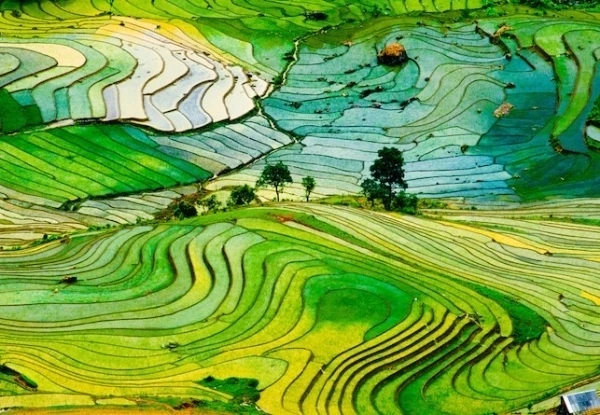
The rice terraces of Sapa are often photographed from scenic viewpoints, but the real magic happens when you walk among them. Trekking through these fields allows you to experience the best rice terraces in Sapa up close hearing the sound of water flowing through irrigation channels, watching farmers work the land, and seeing the mountains unfold around you step by step.
It’s this combination of culture, agriculture, and natural beauty that makes these fields the best rice terraces in Sapa and one of the most extraordinary trekking destinations in Vietnam. And once you’ve walked those terrace trails yourself, it’s easy to understand why travellers return again and again.
If you’re exploring alternatives to Fansipan, this small group trek through Muong Hoa Valley offers a more relaxed route to experience Sapa’s landscapes: Sapa Muong Hoa Valley Small Group Trekking Tour.
Conclusion
The best rice terraces in Sapa are far more than just a breathtaking backdrop for a photograph; they are a living testament to the harmony between human spirit and the natural world. By trekking deep into the valleys, you don’t just see the scenery you experience the heritage and hard work that define the best rice terraces in Sapa. It is a journey that offers profound peace and a story worth carrying home.
Frequently Asked Questions
1. When is the best time to see the rice terraces in Sapa at their greenest?
The terraces are at their most vibrant green during the summer months, specifically from late June through early August. This is the peak growing season when the rice plants are lush and cover the entire valley in emerald hues.
2. Are the trekking paths through the rice terraces difficult?
The difficulty varies. Many paths are narrow and can become very slippery when wet or muddy. While some routes follow relatively flat contours, most involve significant elevation changes. It is highly recommended to wear sturdy trekking boots and use a walking stick for balance on the narrow terrace edges.
3. Can I walk through the rice terraces without a guide?
While it is physically possible in some areas, hiring a local guide from the Hmong or Dao communities is highly recommended. The network of paths is complex and not marked. A local guide ensures you stay on the right track, provides cultural context, and ensures you do not inadvertently damage the crops or irrigation systems.
Ready to hit the trails? Join our vibrant community in the ExoTrails Community Group and be sure to like the Facebook Page for the latest hidden gems, trail updates, and daily inspiration!
Klook.com


