

Vietnam is a land rich in tradition, spirituality, and breathtaking landscapes. As you venture through its stunning outdoors, you'll encounter sacred spots that hold deep meaning for local communities. From serene spiritual sanctuaries to ancient ancestor stones, these locations offer a glimpse into Vietnam's cultural heritage. However, with beauty comes responsibility. Here’s a simple Vietnamese shrines and altars guide to help you navigate these sacred sites respectfully, ensuring that your visits honour the traditions and beliefs woven into the fabric of Southeast Asian culture.
Read more interesting posts here:
- Vietnam Secret Shores: Stunning Hidden Beaches You’ll Want All to Yourself
- Adventure Travel Vietnam App: Hidden Gems for an Unforgettable Northern Vietnam Trip
- Vietnam Trekking Difficulty Levels: Incredible Trails for Every Skill Level
1. A connection to the divine in our Vietnamese shrines and altars guide
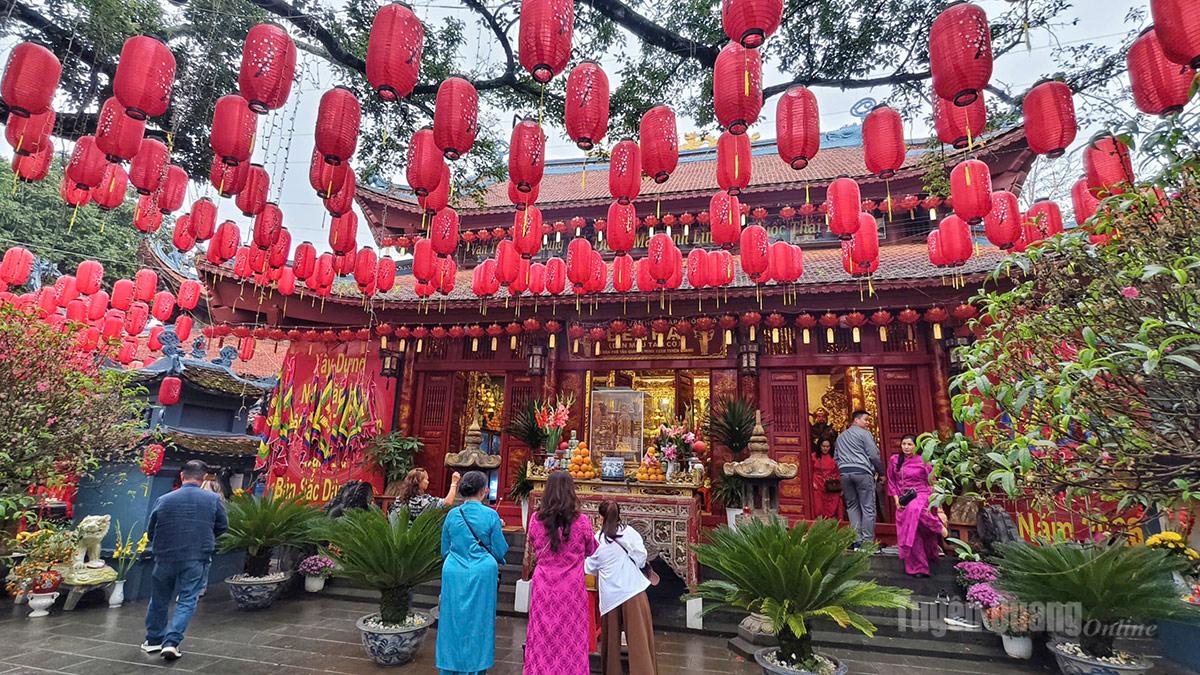
Shrines can be found in both urban areas and remote natural settings. Often adorned with vibrant flowers and incense, these spaces are dedicated to various deities or spirits, inviting visitors to pause and reflect.
Respect Guide:
- Keep Noise to a Minimum: Maintain a peaceful atmosphere by speaking softly.
- Follow Rituals: If you see locals performing offerings or prayers, observe quietly and consider participating if invited, as noted in any good Vietnamese shrines and altars guide.
- Dress Modestly: Wear clothes that cover your shoulders and knees as a sign of respect.
2. Forest offerings: Nature’s sacred spots in the Vietnamese shrines and altars guide
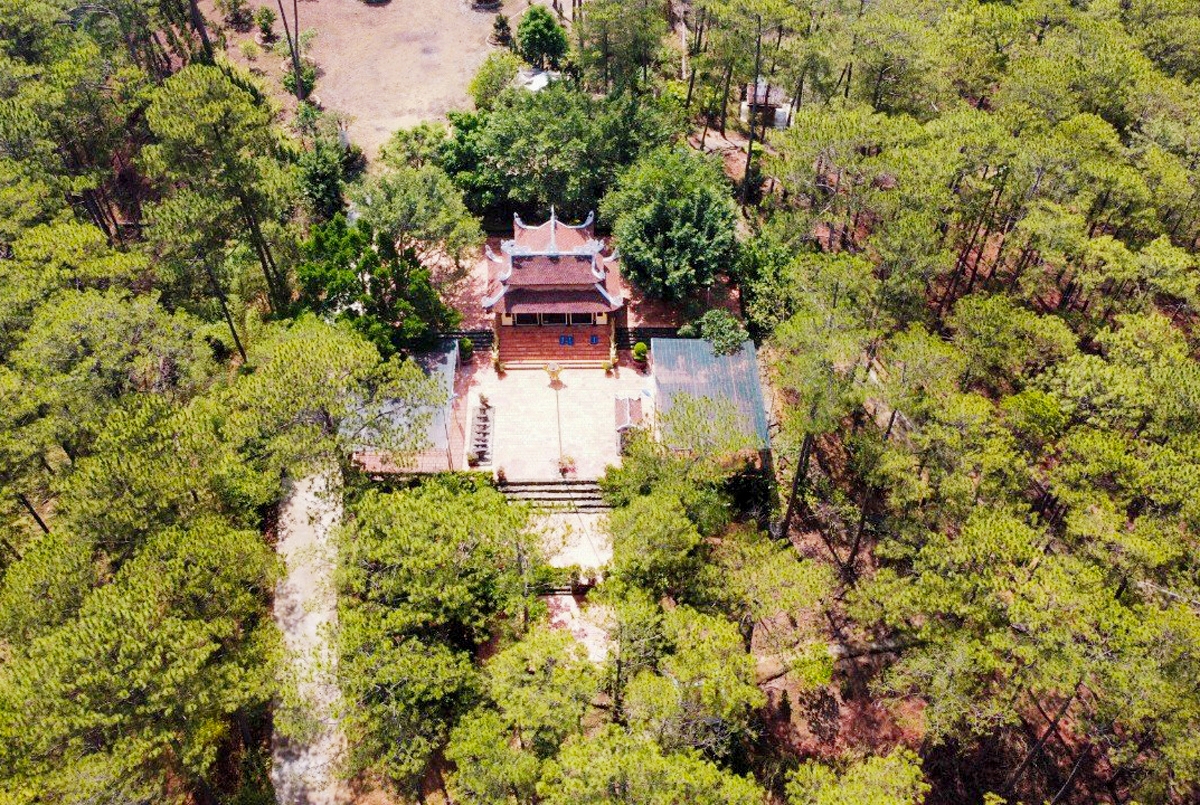
Forest altars, often tucked away in tranquil groves, are places where nature and spirituality converge. They typically feature offerings such as fruits, rice, or flowers, symbolizing gratitude to the spirits of the forest.
Respect Guide:
- Do Not Disturb Offerings: Avoid touching or moving anything on the spiritual table. These offerings are deeply significant to those who leave them, a key point in this Vietnamese shrines and altars guide.
- Leave No Trace: Pack out what you bring in; ensure the altar remains as pristine as you found it.
- Meditate Quietly: Feel free to enjoy the serenity of the space, but keep noise to a minimum to preserve the sacred energy.
3. Ancestor stones: Honoring the past
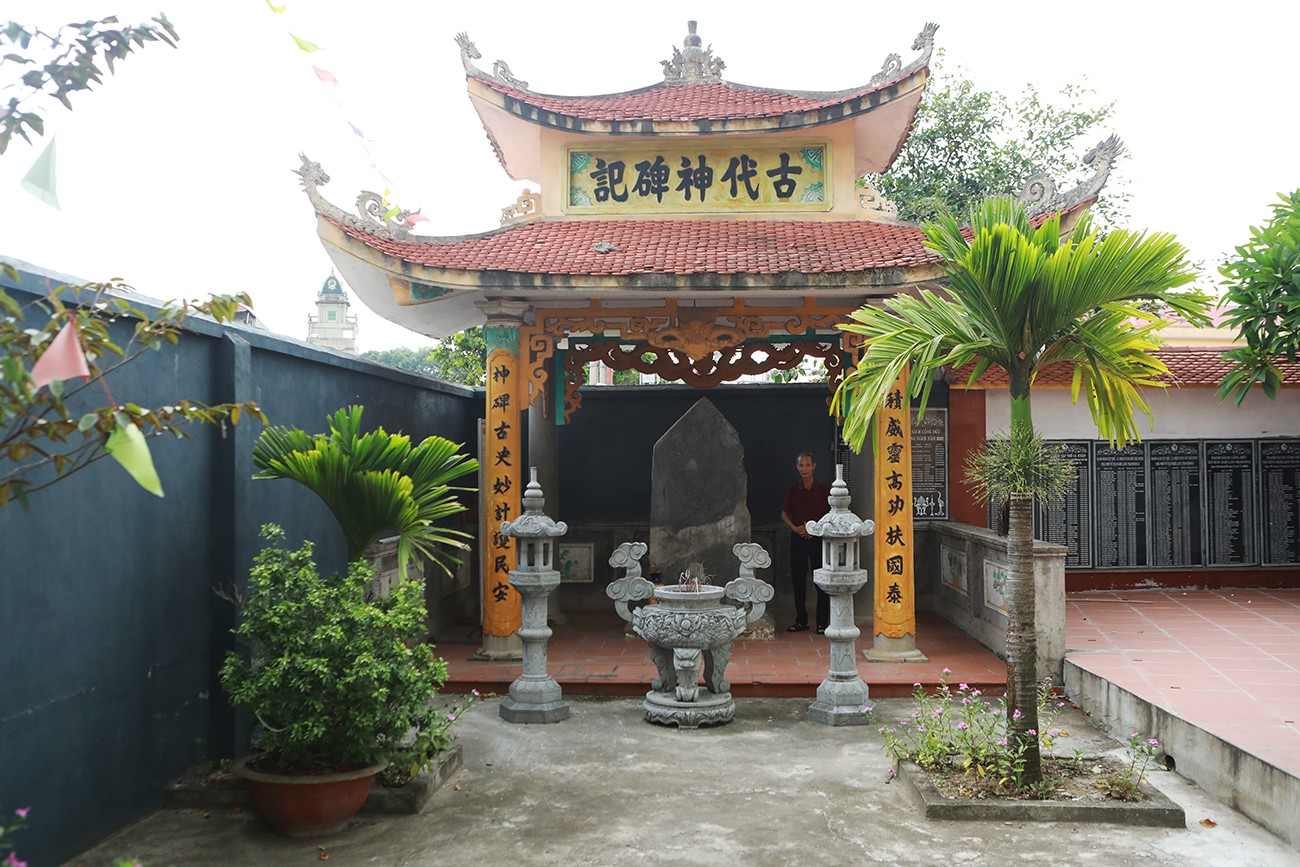
Often found in rural areas, ancestor stones are placed to honor deceased family members. These stones serve as reminders of lineage and traditions that bind families together, an important feature of the Vietnamese shrines and altars guide.
Respect Guide:
- Approach with Reverence: Treat these spots with the solemnity they deserve—an acknowledgment of life's cycles and respect for those who came before.
- Engage Gently: If you wish to leave an offering, check local customs first; different regions may have specific practices.
- Avoid Climbing or Sitting: Ancestor stones are not meant to be used as seating or climbing spots. Maintain a respectful distance.
4. Temples and pagodas: Harmony with nature in the Vietnamese shrines and altars guide
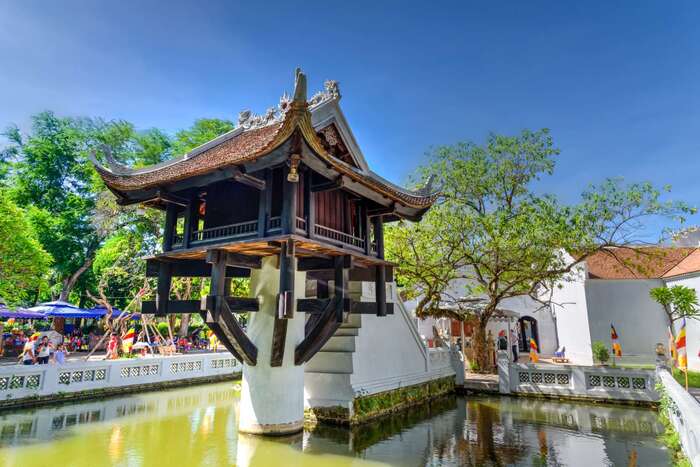
Temples and pagodas offer a glimpse into Buddhism and Daoism's rich history. Many of these sacred spaces are surrounded by stunning natural beauty, enhancing their spiritual significance.
Respect Guide:
- Observe Rules: Follow any posted guidelines, such as restrictions on photography or specific areas that are off-limits, a standard rule in any Vietnamese shrines and altars guide.
- Remove Shoes: It is customary to take your shoes off before entering temple areas.
- Be Mindful of Prayer Times: If you visit during prayer or ceremony times, step back to allow worshippers their space.
Capturing the beauty of sites
As you explore these sacred spots, don’t forget to take a moment to appreciate their natural beauty. Capture photos of the stunning landscapes, intricate architecture, and serene atmospheres. However, remember to be mindful of your surroundings and other visitors, always adhering to the principles of this Vietnamese shrines and altars guide.
If you're traveling with family and looking for a relaxing beach getaway near Ho Chi Minh City, Mui Ne is a great choice with its calm beaches and open spaces. This Mui Ne – Phan Thiet 2D1N tour from Ho Chi Minh City makes it easy to plan a stress-free trip.
Conclusion
Exploring the deeply spiritual landscapes of this beautiful country is an incredibly moving experience for any traveler. By following the respectful etiquette outlined in this comprehensive Vietnamese shrines and altars guide, you ensure that ancient traditions are preserved and local communities feel honored by your visit. Dress modestly, tread lightly through sacred forests, and let the quiet, timeless energy of these spiritual sites bring peace to your unforgettable journey.
Ready to share your cultural discoveries and connect with fellow mindful travelers? Join our vibrant community in the ExoTrails Community Group and be sure to like the Facebook Page for the latest heritage updates, travel tips, and daily inspiration!
FAQs
What is the most important rule in the Vietnamese shrines and altars guide?
The single most important rule is to dress modestly. Both men and women must ensure their shoulders and knees are fully covered before entering any temple, pagoda, or sacred outdoor sanctuary.
Is it okay to take photos of people praying at these shrines?
It is generally considered highly disrespectful to take close-up photos of locals actively praying or leaving offerings without their explicit permission. Always capture wide architectural shots instead to maintain a respectful distance.
Can I leave my own offering at a forest altar?
While it is a lovely gesture, you should only leave an offering (like fresh fruit or incense) if you fully understand the local customs or are guided by a local host. Never move or touch the existing offerings left by others.