

Table of Contents Show
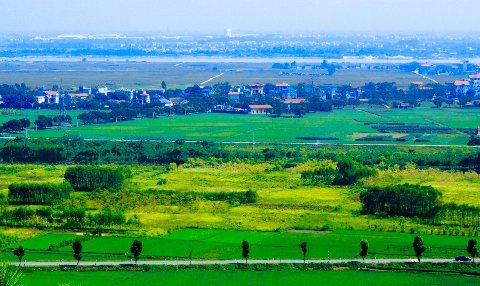
In a rapidly globalizing world, a rejuvenating movement is taking shape among young Vietnamese travelers, who are increasingly turning their attention to local destinations and ancestral villages. This trend reflects a profound desire to reconnect with their roots, explore their cultural heritage, and strengthen ties with family. As they embark on journeys within their home country, these travelers are discovering the beauty and richness of Vietnam’s diverse landscapes, traditions, and stories, all of which are deeply connected to the tradition of ancestral worship in Vietnam.
Read more interesting posts here:
- Discover Ha Giang Off the Beaten Path: The La Chi Culture Beyond Sapa
- Beyond the Postcard: Unforgettable Local Experiences Vietnam
- Trail Stories: How the Vietnam Hiking Community Is Redefining Adventure
A shift toward local travel and the role of ancestral worship in Vietnam
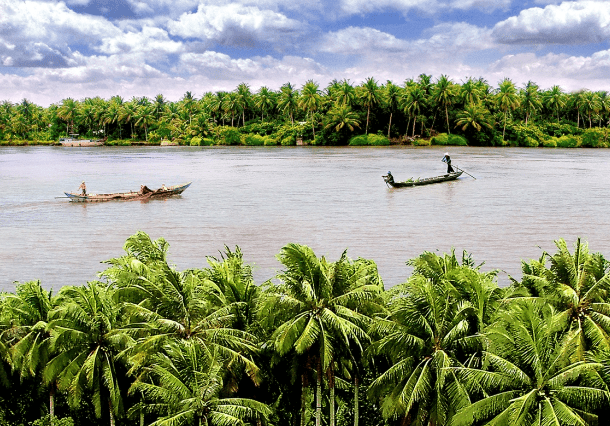
As wanderlust grows, many young Vietnamese are recognizing the treasures that lie within their hometowns and surrounding regions. This shift towards local travel emphasizes experiences that prioritize authenticity over the allure of international destinations. By choosing to explore less-traveled paths, they uncover the hidden gems of their culture—traditional festivals, artisanal crafts, and community gatherings that reflect the essence of Vietnamese life and the spiritual practice of ancestral worship in Vietnam.
Rediscovering ancestral villages and the practice of ancestral worship in Vietnam
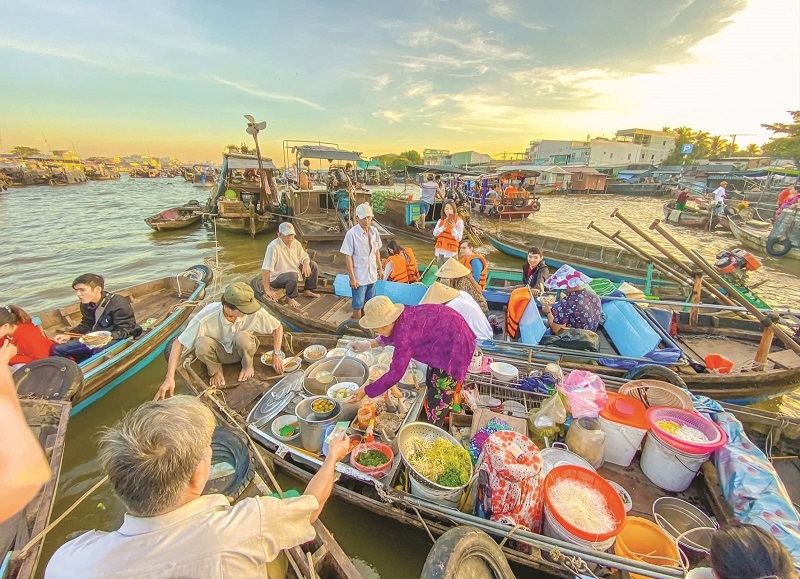
An integral part of this movement is the return to ancestral villages, where families gather to honor their heritage and lineage. Many young travelers are seeking to understand their roots more deeply, often finding themselves in the environments where their ancestors lived and thrived. This reconnection sparks a sense of belonging and identity, allowing them to appreciate the stories that shaped their families and the importance of ancestral worship in Vietnam.
In these villages, young travelers engage with local customs, learn traditional crafts, and partake in festivals that celebrate their culture. By participating in agricultural activities, craft demonstrations, or food preparation, they foster intergenerational bonds and nurture a sense of pride in their heritage, often centered around rituals related to ancestral worship in Vietnam. Such interactions not only revitalize local traditions but also create lasting memories rooted in family and culture.
Exploring family connections and the importance of ancestral worship in Vietnam
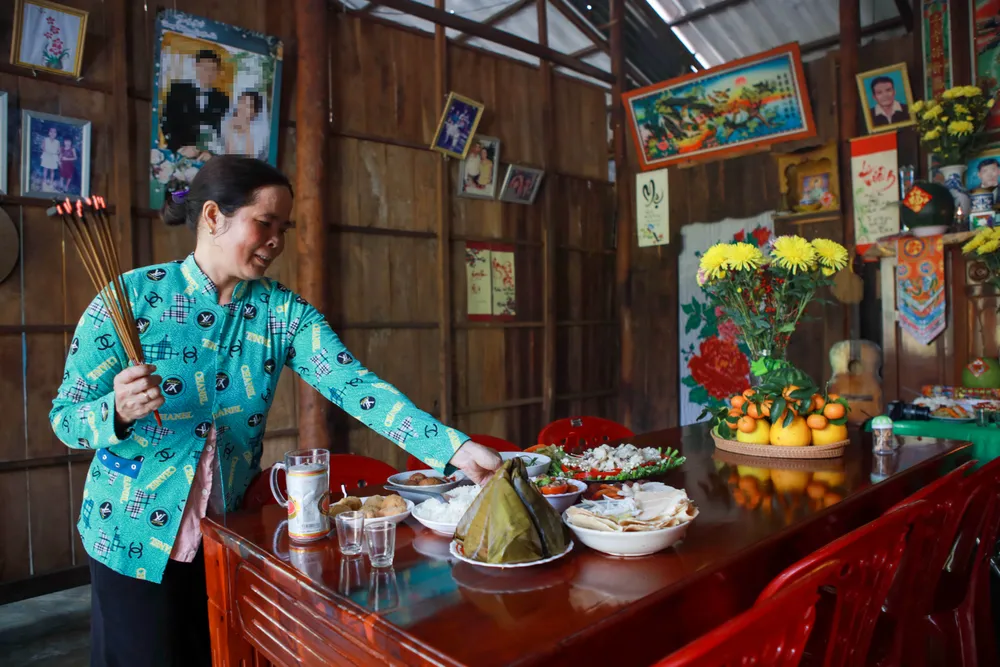
The movement towards local travel also emphasizes the importance of familial connections. Many young Vietnamese are making conscious decisions to spend more time with family members, visiting grandparents, and engaging in practices that strengthen their familial ties. This includes learning about family histories, participating in rituals of ancestral worship in Vietnam, or simply sharing meals that evoke memories of home.
In this context, travel becomes more than just an exploration of places; it transforms into a journey of the heart. Families gather to share stories, recount experiences, and pass down knowledge, enriching their understanding of their cultural heritage. These experiences foster a deep appreciation for their roots and the values instilled by previous generations.
Combining tradition with modernity beyond ancestral worship in Vietnam
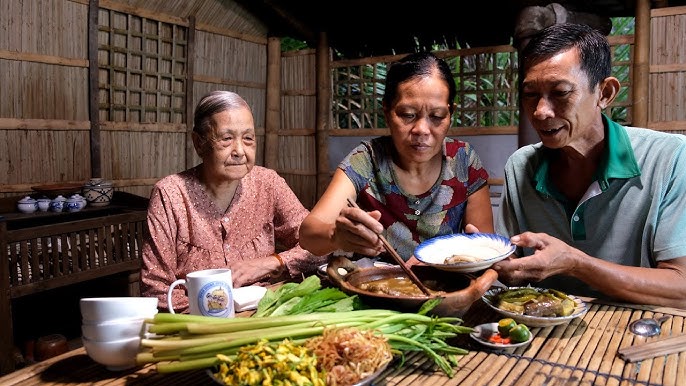
As young travelers venture through their hometowns, they also blend their experiences with contemporary influences. They may document their journeys through social media, sharing their discoveries with friends and followers, thus inspiring others to embark on similar journeys. This combination of tradition and modernity allows new generations to engage with their culture while finding their unique expression within it, even as they embrace the ancient tradition of ancestral worship in Vietnam.
Furthermore, local businesses and artisans benefit from this resurgence in interest, as travelers seek authentic products and experiences that reflect the character of their hometowns. From traditional crafts to local delicacies, these initiatives not only support local economies but also encourage a sustainable approach to tourism.
Conclusion
The movement toward rediscovering hometowns and reconnecting with cultural roots represents a significant trend among young Vietnamese travelers. By prioritizing local experiences, engaging with ancestral villages, and nurturing family connections, they are not only reaffirming their identities but also enriching the cultural landscape of Vietnam.
The powerful, continuous practice of ancestral worship in Vietnam is the spiritual anchor of this movement, ensuring that the stories and traditions of the past blend seamlessly with contemporary life, creating a vibrant tapestry of experiences that honors their roots while forging new paths for the future.
Join our vibrant community on Facebook to share your trekking stories and tips, and don’t forget to like the ExoTrails fanpage for the latest updates and exclusive offers!
Frequently Asked Questions (FAQs)
Q: What is the core spiritual practice behind the young generation’s return to their hometowns?
A: The core practice is the observance of ancestral worship in Vietnam, which involves rituals and offerings to honor the spirits of their forebears and maintain familial connections.
Q: Where is ancestral worship in Vietnam typically practiced?
A: It is typically practiced in a dedicated ancestral altar (bàn thờ) found in homes and sometimes in communal temples within ancestral villages.
Q: How does this tradition strengthen familial ties?
A: Ancestral worship in Vietnam requires family members to gather, share meals, and perform rituals together, reinforcing intergenerational bonds and a shared lineage.
Q: What role do young travelers play in keeping the tradition of ancestral worship in Vietnam alive?
A: By returning to their villages and actively participating in these rituals, young travelers ensure the cultural knowledge and practices are passed down to the next generation.
Klook.com