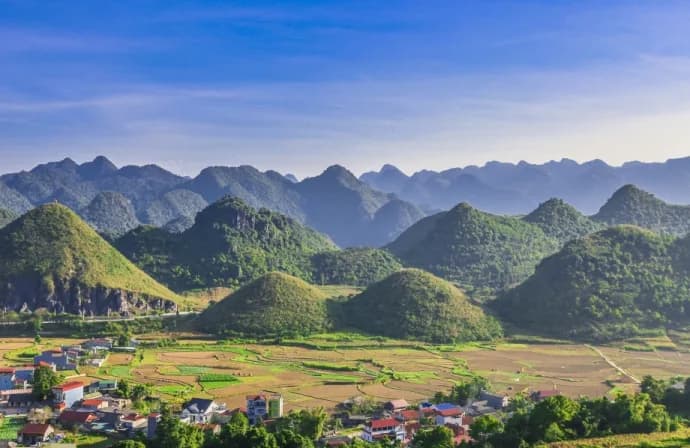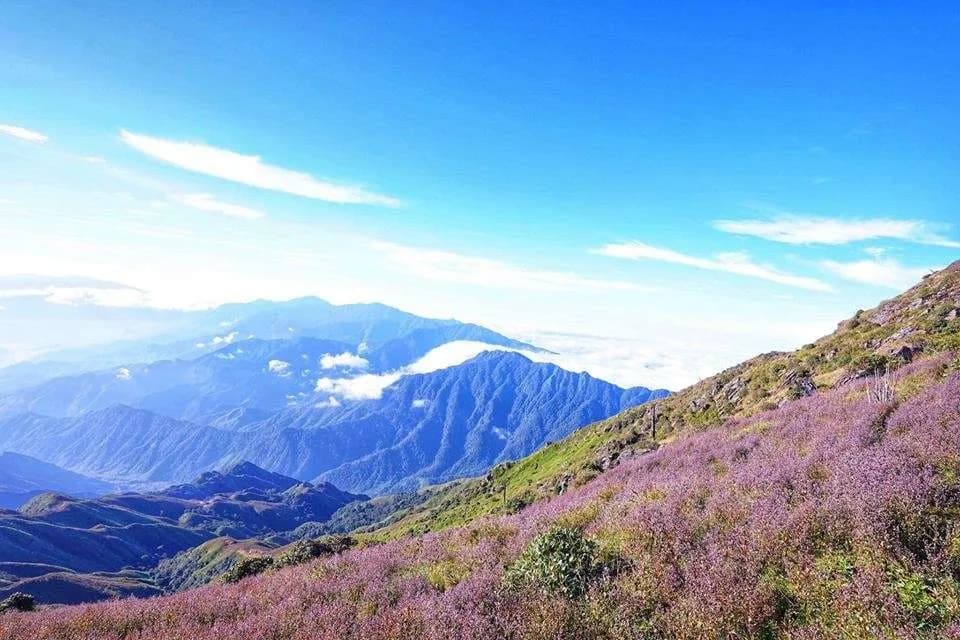


The sun rises softly over the misty fields of Moc Chau, catching the dew on rows of tea leaves. Down the valley, a farmer waves as you cycle past, the air scented with earth and morning rain. It’s not your typical tourist route, but for a growing number of travelers, Vietnam’s farmlands are becoming the new frontier of adventure, driving the popularity of agritourism in Vietnam.
Read more interesting posts here:
- Bamboo Water Wheels Vietnam: Powerful Stories of Timeless Eco-Engineering
- How the adventure tourism economy Vietnam is transforming rural growth through trails
- Sacred Paths: A Guide to Spiritual Trekking in Vietnam
Exploring agritourism in Vietnam beyond beaches and cities
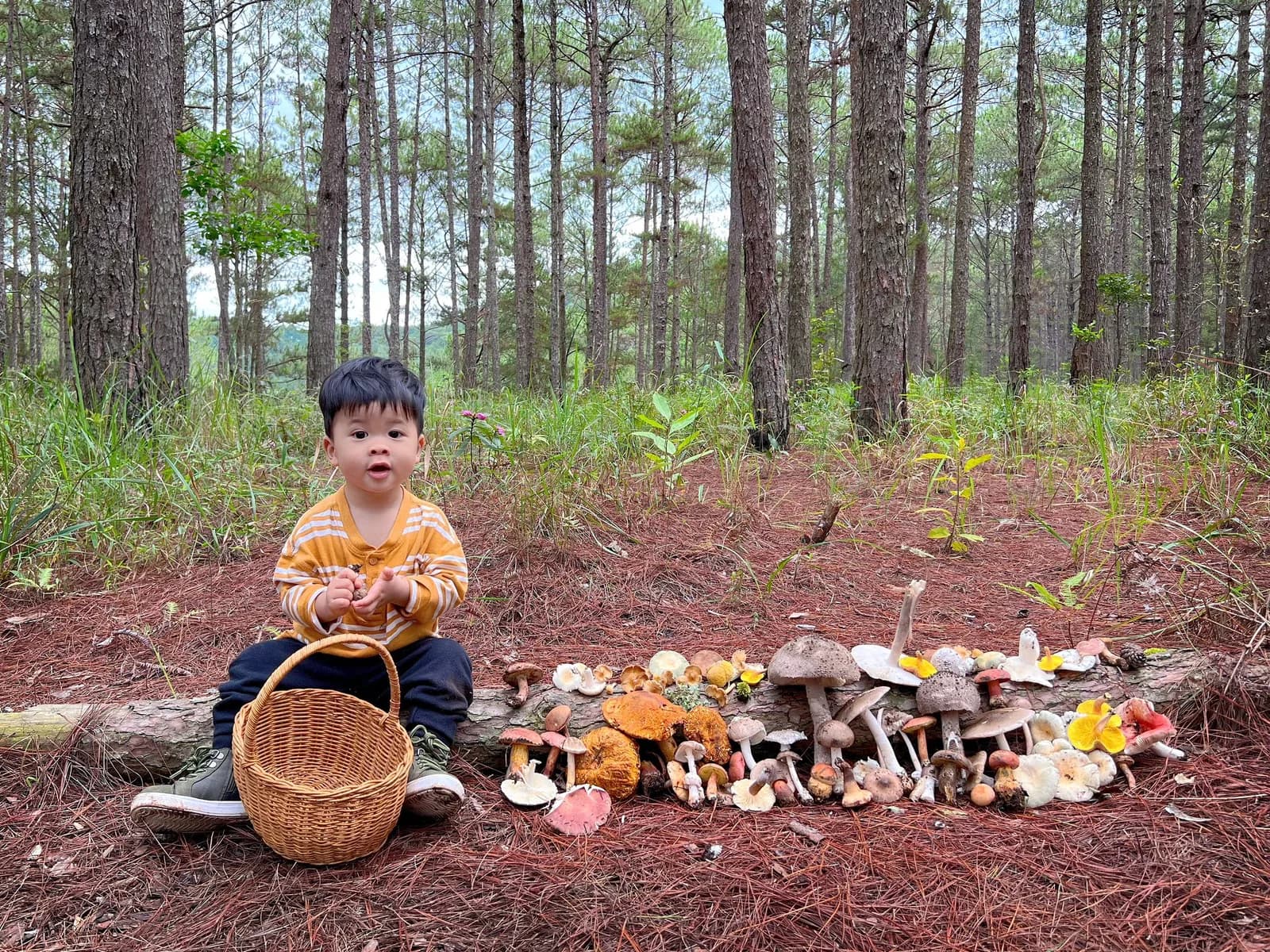
While Vietnam’s coastlines and cities have long drawn global travelers, a quieter form of tourism is taking root, agro-adventure travel. It’s a blend of exploration, culture, and sustainability, where travelers getting involved in agritourism in Vietnam get their hands dirty picking coffee cherries, planting rice, or foraging for wild herbs alongside local farmers.
From the cool highlands of Da Lat to the fertile deltas of the Mekong, these experiences offer something profoundly different: the chance to reconnect with nature while understanding the rhythms that sustain it. It’s travel that’s not just about taking photos, but taking part.
The real adventure in agriculture with agritourism in Vietnam
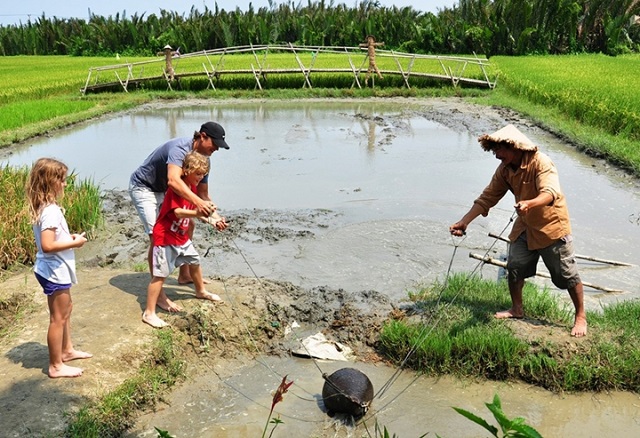
Imagine hiking through pepper plantations in Phu Quoc, following trails lined with green vines that scent the air with spice. Or trekking into Kon Tum’s coffee hills, where small cooperatives invite visitors to join harvest days and learn traditional roasting over wood fires. In Ninh Thuan, you can spend a day herding goats across arid hills, then relax under a canopy of stars with a local family’s home-cooked meal.
These are not curated tourist experiences, they’re authentic, lived-in moments that blend nature, people, and purpose. As sustainable travel gains traction, agritourism in Vietnam is redefining what “luxury” means. It’s no longer about five-star resorts; it’s about five-sense experiences.
Where adventure meets sustainability in agritourism in Vietnam
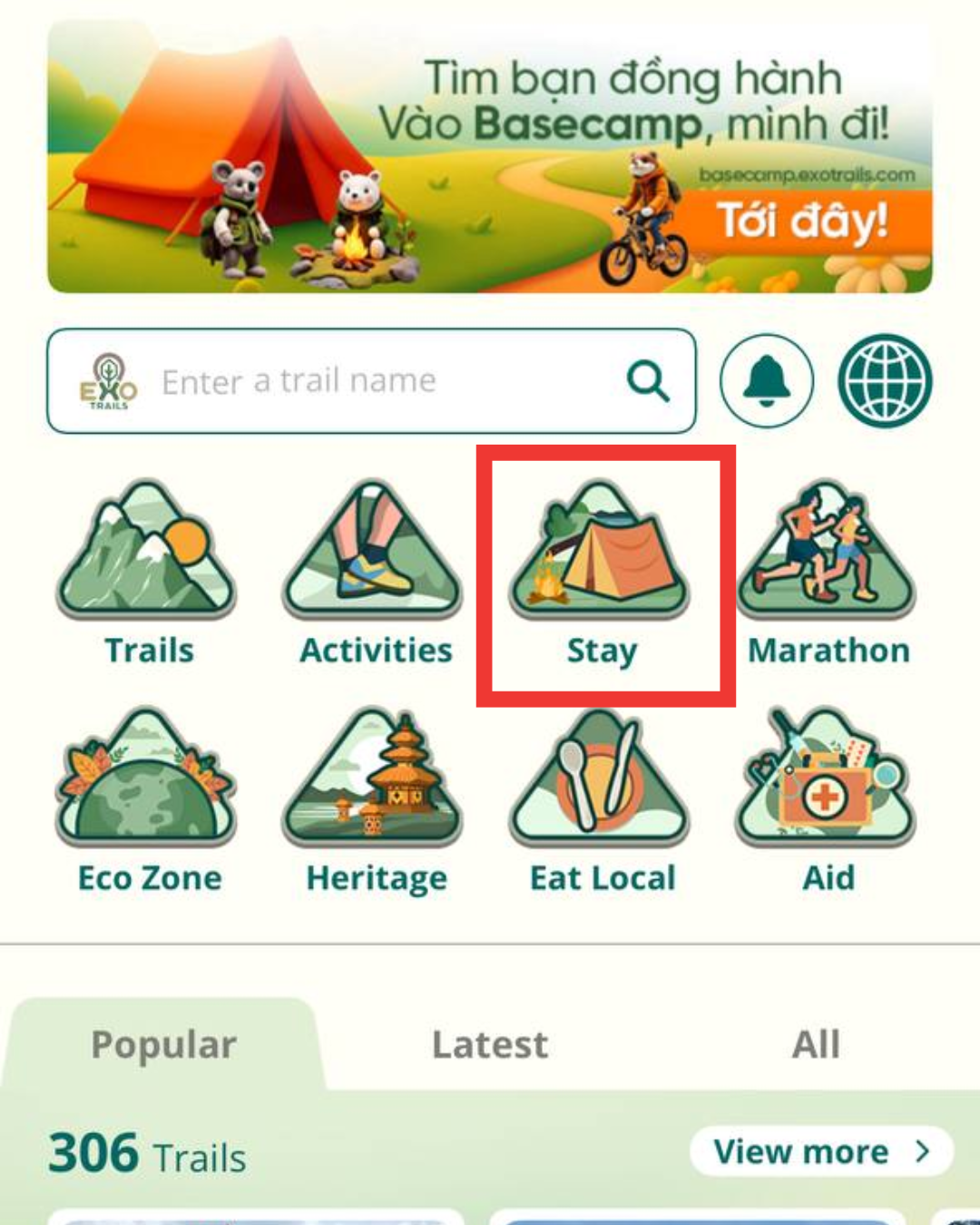
ExoTrails, Vietnam’s leading outdoor lifestyle platform, has been quietly mapping and curating some of these hidden gems through its STAY category, connecting travelers with eco-farms, scenic glamping sites, tea gardens, and agri-trails. Using verified maps and community recommendations, explorers can plan their routes, discover local markets, or even plan for harvest season when rural farms are in full swing of harvesting their crops.
Many of these destinations are family-run and community-based, meaning that every visit supports local livelihoods and helps preserve traditional practices. Travelers embracing agritourism in Vietnam can learn everything from honey harvesting in Ha Giang to natural dyeing in Lao Cai, and each experience carries the kind of authenticity that no commercial tour can replicate.
Getting a taste of the land through Vietnam agritourism
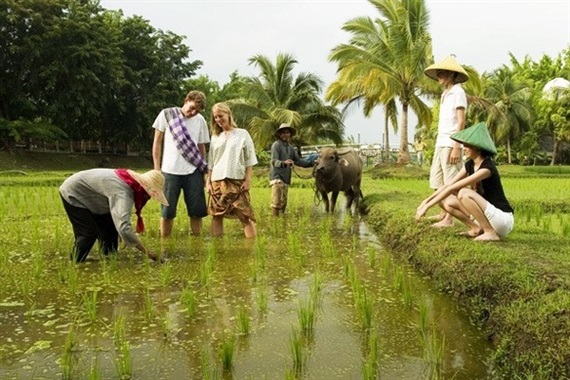
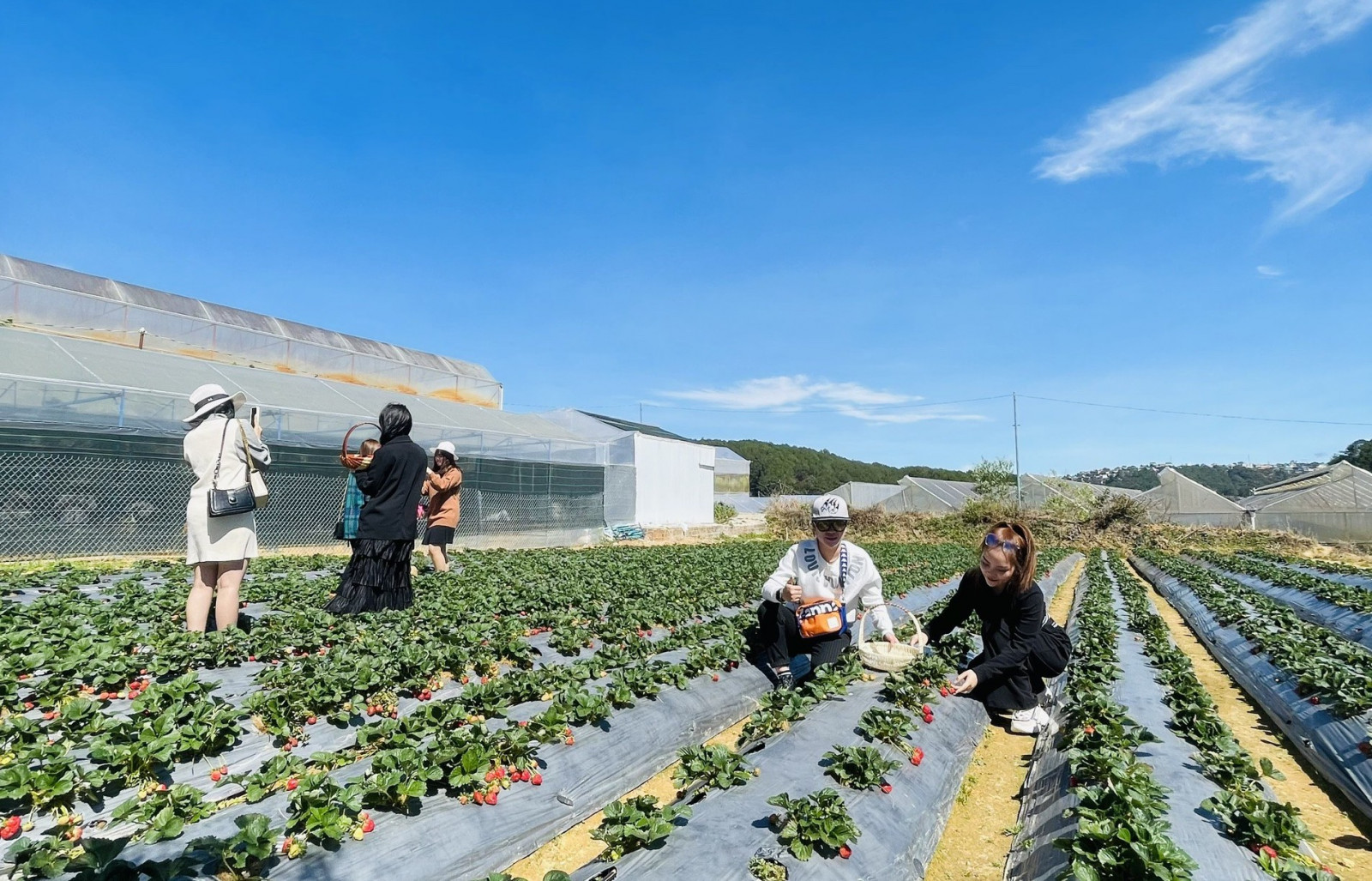
Food is the heart of every agro-adventure. In Pu Luong, trekkers end their hikes with com lam (rice cooked in bamboo) shared with their hosts by the fire. In Da Lat, farm-to-table brunches feature strawberries picked that same morning. And in the Mekong Delta, cycling trails lead to cacao farms where guests can grind their own beans into chocolate. Every meal tells a story of patience, craft, and a deep connection to the land that perfectly highlights the charm of agritourism in Vietnam.
Rooted in connection and the future of agritourism in Vietnam
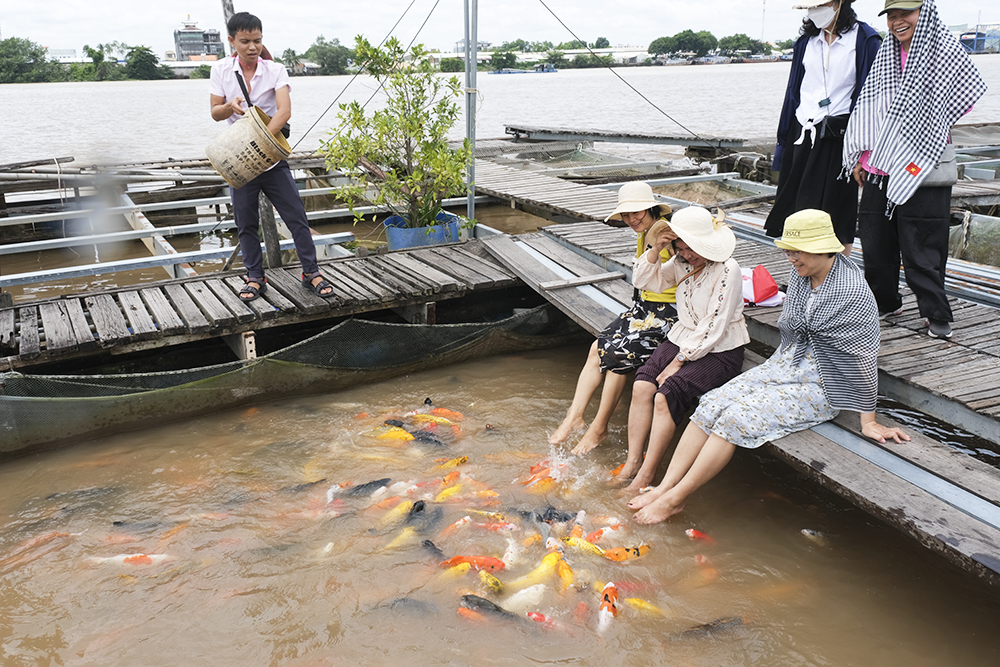
What makes agro-adventure so compelling is not just what you see, it’s who you meet. You walk away with soil on your hands, a memory of laughter in a field, and an understanding that Vietnam’s landscape isn’t just beautiful, it’s generous.
For travelers craving authenticity and meaning, this is the future of exploration: journeys that grow something lasting, both for the traveler and the land. So, the next time you open ExoTrails to plan your trip and experience the wonders of agritourism in Vietnam, look beyond the trailhead. Somewhere between a tea hill and a rice terrace, Vietnam’s heart is waiting: wild, warm, and wonderfully alive.
Conclusion
Engaging in agritourism in Vietnam is more than just a passing travel trend; it is a transformative way to experience the country's rich agricultural heritage. By choosing to forage, feast, and farm alongside local communities, you are actively supporting sustainable tourism and preserving time-honored traditions. Pack your sense of curiosity, respect the local land, and get ready to cultivate unforgettable memories in the great outdoors.
Ready to share your farming adventures and connect with fellow explorers? Follow our Facebook Page and join our ExoTrails Community Group to connect with fellow explorers and stay updated on the latest trails!
FAQs
What is the best time of year to experience agritourism in Vietnam?
The ideal time depends on the specific region and harvest seasons, but generally, the dry months from November to April offer excellent weather for outdoor farming activities. If you want to join the coffee or rice harvests, be sure to check regional schedules on the ExoTrails App before your trip.
Do I need prior farming experience to join these agro-adventures?
Not at all, as these sustainable farming experiences are designed for travelers of all skill levels. Local hosts are incredibly welcoming and will happily teach you everything you need to know about traditional harvesting, planting, and foraging.
Are these agricultural trails suitable for families with children?
Yes, many eco-farms and rural homestays offer gentle, hands-on activities like fruit picking or taking care of farm animals that are perfect for kids. It is a fantastic way for families to bond while learning about nature and local food sources together.