

There are places in Vietnam where time moves differently, where the hum of the world fades, replaced by the rustle of leaves, the ring of temple bells, and the distant chanting of monks. These are the hidden trails of Vietnam’s spiritual heart, ancient paths that lead not just to pagodas or peaks, but to a deeper sense of peace. In a country where nature and belief are inseparable, spiritual trekking in Vietnam offers a journey that’s both physical and spiritual, a pilgrimage into stillness.
Read more interesting posts here:
- How the adventure tourism economy Vietnam is transforming rural growth through trails
- Top Sunrise Peaks Vietnam: Chasing the First Light of Dawn
- Where Jungle Meets Sea: The Ultimate Guide to Coastal Trekking Vietnam
Discovering the path of the ancestors through spiritual trekking in Vietnam at Yen Tu
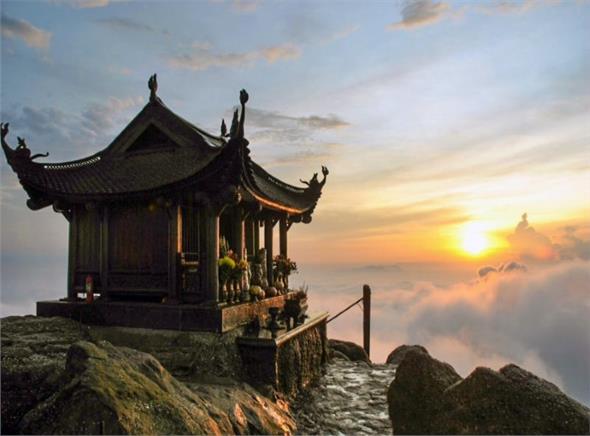
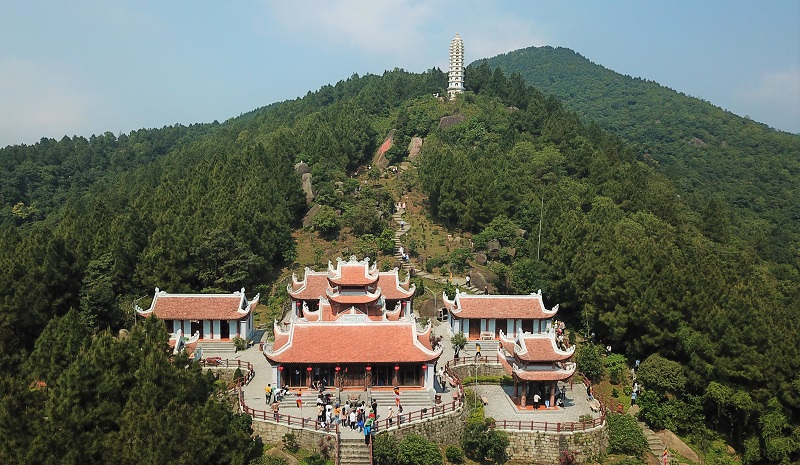
In the misty mountains of Quang Ninh province, Yen Tu has been a place of meditation for over 700 years. It was here that King Tran Nhan Tong, after abdicating his throne, founded Vietnam’s Truc Lam Zen Buddhism. The trek to Dong Pagoda at the summit is a gentle but soulful climb, winding through stone steps, forested slopes, and centuries-old stupas.
As a cornerstone of spiritual trekking in Vietnam, the climb allows pilgrims to stop, light incense, and simply listen to the wind moving through the pine trees. When you finally reach the summit, the view stretches endlessly, clouds drifting below, and the temple gleaming like a silver crown. It’s not just a hike; it’s a reminder that the most meaningful journeys often lead inward.
Navigating the sacred waters and trails of spiritual trekking in Vietnam at Huong Pagoda
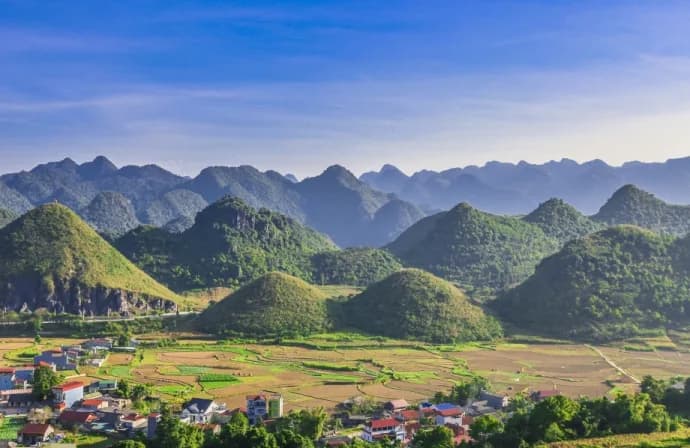
Just two hours from Hanoi, the Huong Pagoda is one of Vietnam’s most revered spiritual destinations and one of its most scenic. The journey begins on a small wooden boat gliding along the Yen River, surrounded by limestone cliffs and rice paddies that shimmer in the morning light. From there, a stone path climbs through caves and temples tucked into the mountainside Thien Tru, Giai Oan, and finally, Huong Tich Cave, whose entrance is said to resemble a dragon’s mouth.
Those engaging in spiritual trekking in Vietnam often find that this specific route offers a unique blend of physical movement and internal quietude. Travelers come here to seek blessings, but what they often find is silence, the kind that fills you with calm rather than emptiness.
Tay Con Linh – The Roof of the Northeast
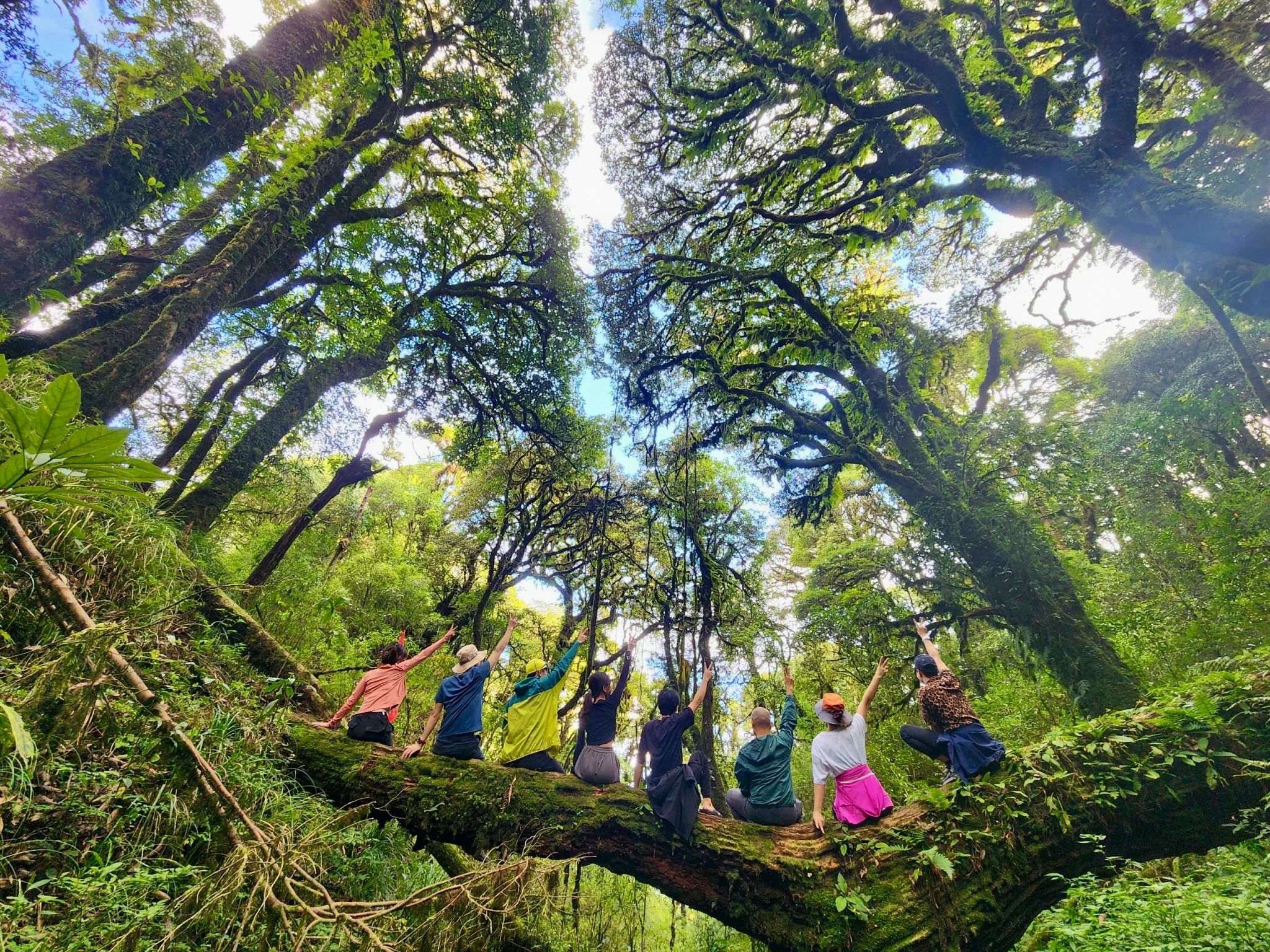
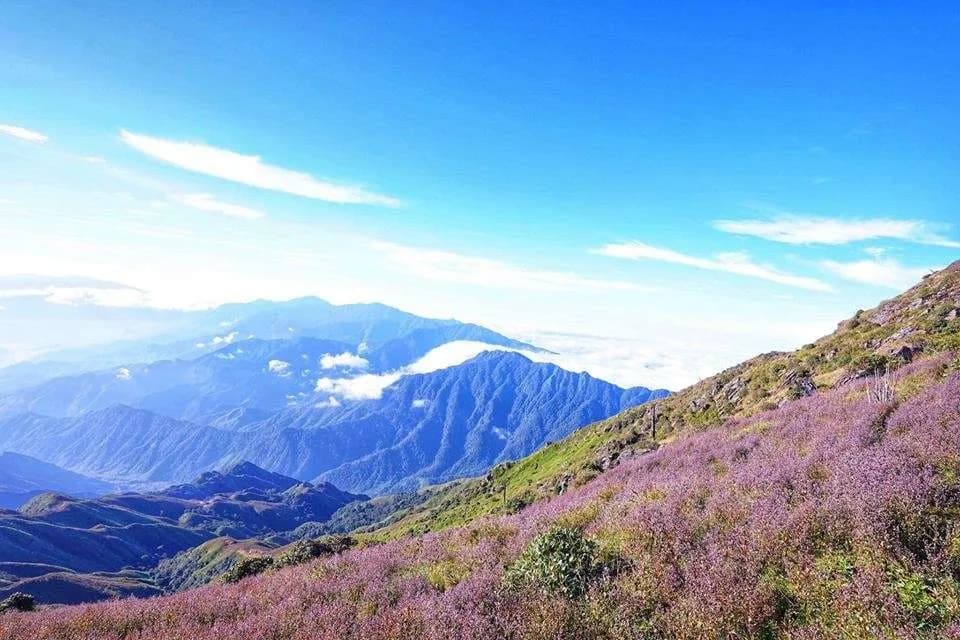
Far to the north, in Ha Giang province, lies Tay Con Linh, one of Vietnam’s most sacred peaks. For the Hmong and Dao people, it’s a spiritual mountain home to ancestral spirits and forest gods. The climb is demanding, rising through bamboo forests, mossy stone steps, and clouds that cling to the ridgelines. Few travelers make it here, which is exactly why it feels special.
Reaching the summit feels like entering a different world, where the air is thin, the earth hums quietly, and every gust of wind feels like an ancient whisper. Those who’ve experienced this form of spiritual trekking in Vietnam often describe it not just as a mountain climb, but as a rite of passage one that rewards patience, humility, and respect for nature.
Uncovering ancient history through spiritual trekking in Vietnam at My Son Sanctuary
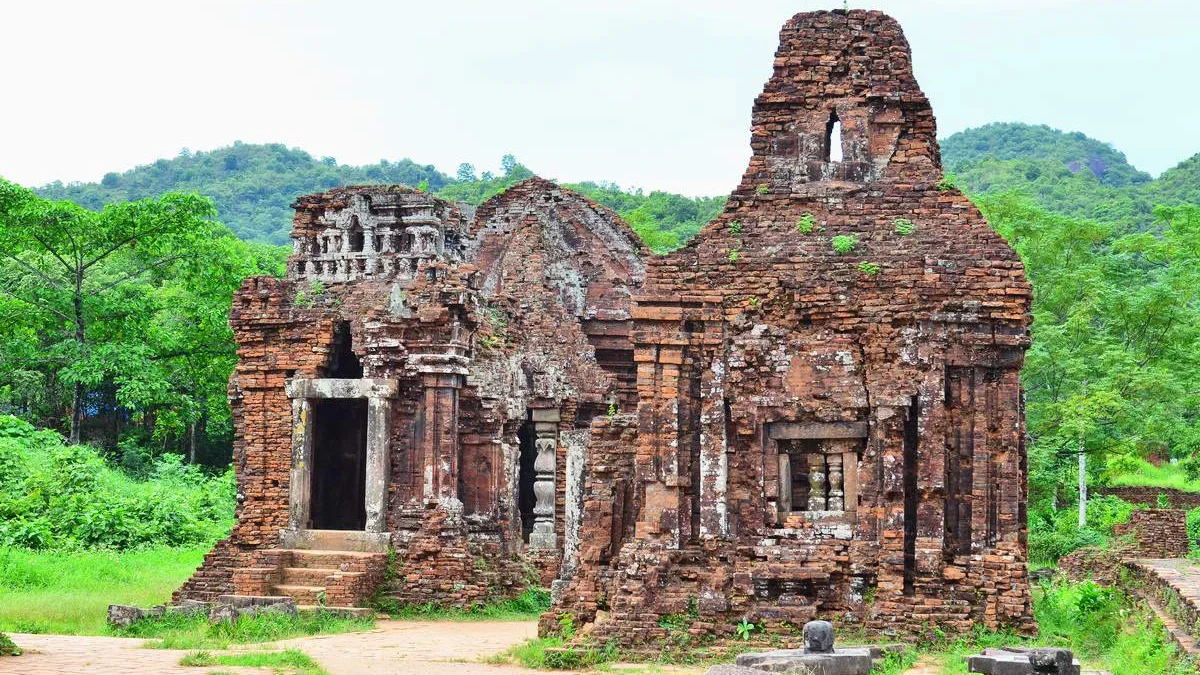
Deep in the forests of Quang Nam, the My Son Sanctuary reveals another layer of Vietnam’s spiritual heritage. Built by the Cham people over a millennium ago, its crumbling red-brick towers rise from the jungle like forgotten prayers. Trekking through My Son at sunrise, as the light filters through banyan trees, feels like stepping into history.
The scent of incense drifts through the ruins, and the silence is profound, a dialogue between earth, stone, and spirit. It’s a reminder that spiritual trekking in Vietnam isn’t confined to religion, it’s in the way you walk, breathe, and witness the world around you.
The spirit of the trail
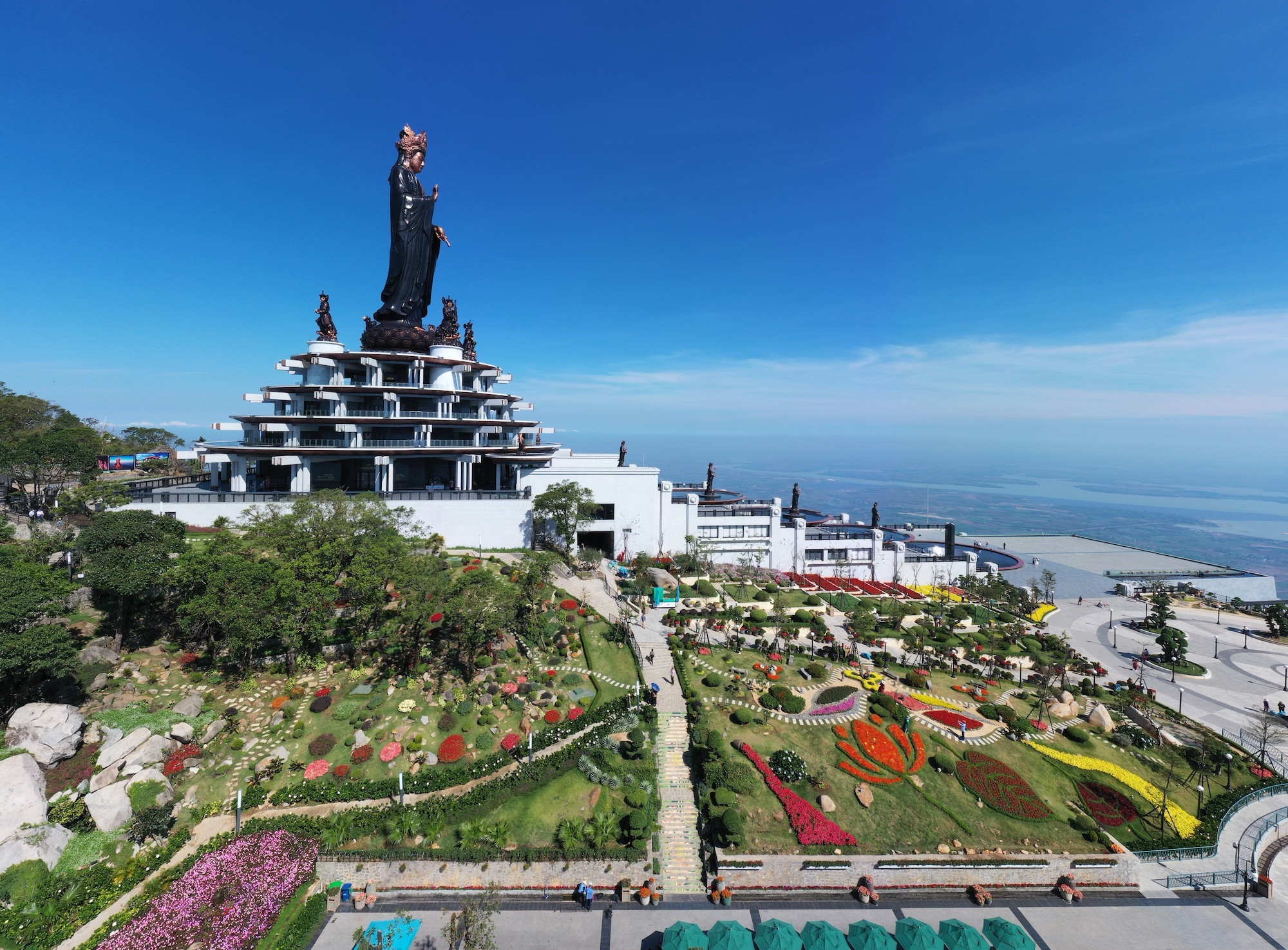
Across Vietnam, the line between sacred and natural is blurred, temples stand beside rivers, shrines nestle under banyan trees, and every mountain has a story. Platforms like ExoTrails are now bringing these routes to life, mapping paths that blend culture, nature, and mindfulness into one seamless experience.
For modern explorers, spiritual trekking in Vietnam offers something rare: the chance to travel not just through the country, but through its heart, where ancient wisdom still whispers through the mountains. Because sometimes, the most extraordinary adventures begin not with a destination, but with a quiet step into the unknown.
Conclusion
The experience of spiritual trekking in Vietnam is more than just an outdoor activity; it is a profound invitation to reconnect with both the earth and one's inner self. By walking these sacred paths with mindfulness and respect, travelers contribute to the preservation of Vietnam's delicate balance between cultural heritage and natural beauty. Whether you seek the misty heights of northern peaks or the quiet resonance of ancient ruins, the spiritual trails of Vietnam offer a transformative journey for every soul.
Ready to find your inner peace on the trail? Follow our Facebook Page and join our ExoTrails Community Group to connect with fellow explorers and stay updated on the latest trails!
FAQs
What is the best time for spiritual trekking in Vietnam?
The best time is generally during the dry season, from October to April, when the weather is cool and paths like Yen Tu or Tay Con Linh are safer and more accessible.
Is spiritual trekking in Vietnam suitable for beginners?
Yes, routes like the Perfume Pagoda and Yen Tu are well-developed with stone steps, making them accessible to most fitness levels, while Tay Con Linh is better suited for experienced trekkers.
How should I dress for spiritual trekking in Vietnam?
It is important to wear modest clothing that covers shoulders and knees, especially when entering temple grounds, while ensuring your footwear is suitable for rugged mountain terrain.
Do I need a local guide for spiritual trekking in Vietnam?
While some trails are well-marked, hiring a local guide is highly recommended for remote areas like Tay Con Linh to ensure safety and to learn about the deep cultural stories of the land.