

Imagine standing on the edge of a misty mountain peak, the sun filtering through the clouds as it casts golden rays over a patchwork of lush valleys and rugged terrains. If this scene transports you to the majestic Alps, you might be surprised to learn that Vietnam offers a similar sense of freedom in its own breathtaking landscapes. From the towering Annamite Range to the charming hills of Sapa, the Vietnam mountain ranges evoke the spirit of Europe’s beloved outdoor environments, but with warmer smiles, wilder trails, and far fewer crowds.
Read more interesting posts here:
- Vietnam River Trails: Breathtaking Hidden Routes Beyond the Banks
- Highland Plateau Ecosystems: Stunning Secrets Behind Vietnam’s Powerful Wind Temples
- Starlit Skies and Campfires: Magical Secrets Behind Vietnam’s Powerful Night Camp Culture
Exploring the Annamite Range within the Vietnam mountain ranges
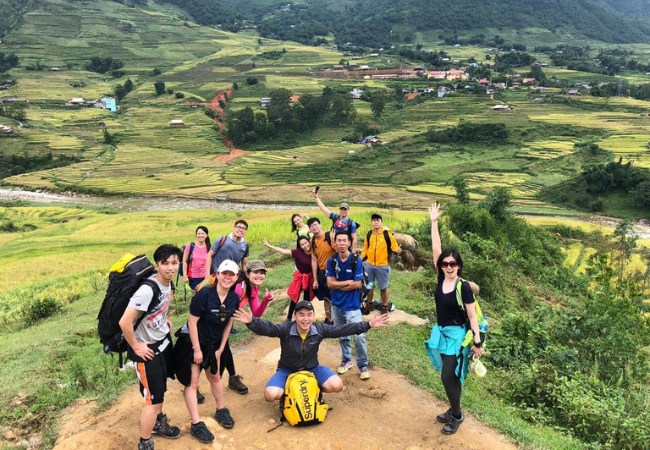
Stretching along the border of Vietnam and Laos, the Annamite Range offers an impressive backdrop that rivals any Alpine landscape. These stunning Vietnam mountain ranges, known for their dramatic karst formations and cascading waterfalls, are a hiker’s paradise just waiting to be explored. Unlike the heavily-trafficked trails of Europe, the Annamites provide a sense of solitude and connection with nature that is becoming increasingly rare.
The trails here can lead you deep into the heart of dense jungles, where biodiversity flourishes. Imagine trekking through the vibrant flora and fauna, accompanied by the sounds of exotic birds and the rustling of leaves in the wind. The rugged beauty of the Annamites, with their towering cliffs and hidden valleys, offers a wildness that stirs the adventurous spirit in any traveler exploring the Vietnam mountain ranges.
Discovering Sapa’s iconic hillsides and Vietnam mountain ranges
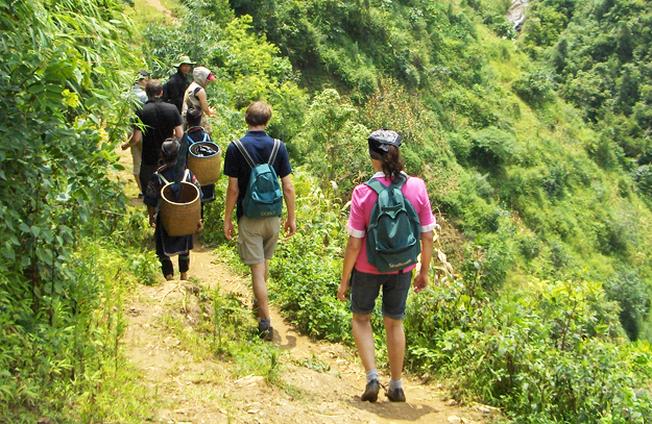
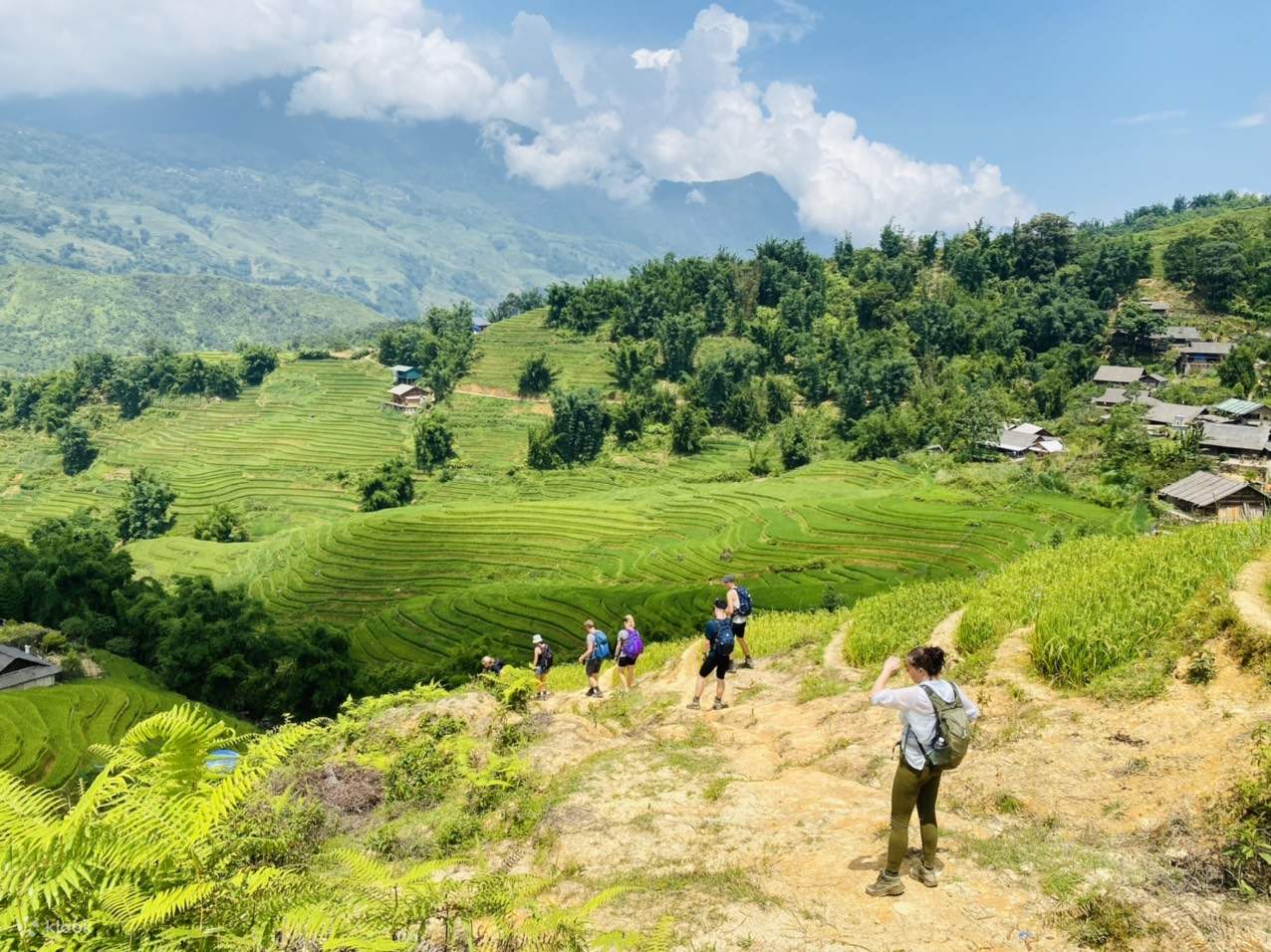
Venture north to Sapa, a region where verdant rice terraces cascade down the Vietnam mountain ranges, resembling the patchwork quilts of the Swiss Alps. The artistry of this landscape, shaped by centuries of local farming practices, creates a stunning visual feast, especially during the golden harvest season. Here, the sense of freedom comes from both the breathtaking scenery and the warm hospitality of the ethnic minority communities that call this area home.
In Sapa, you can embark on guided treks that take you through remote villages, allowing you to forge connections with the locals while embracing the serenity of your surroundings. The trails vary from easy walks to challenging hikes, accommodating adventurers of all skill levels throughout the Vietnam mountain ranges. And unlike the bustling resorts of Europe, Sapa offers a more personal touch with friendly local guides eager to share their knowledge and stories.
Embracing a wilder sense of adventure in Vietnam mountain
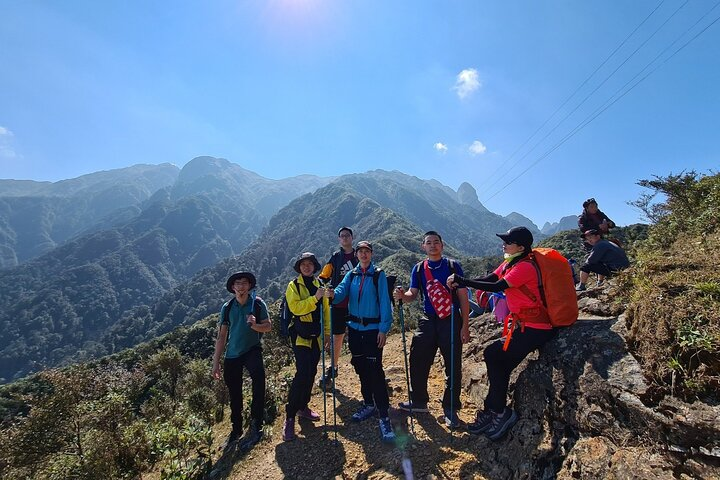
What sets Vietnam apart from European landscapes, particularly the Alps, is its unrivaled sense of adventure. In the Vietnam mountain ranges, the wilderness feels less restrained, more uncharted, an invitation to embrace the unknown. While the Alps may boast stunning beauty, the Annamite Range offers something raw and untamed. From navigating rocky paths to crossing swift rivers, exploring the Vietnam mountain ranges requires a spirit of adventure that few places can match.
Not only can you trek in stunning isolation, but you’re also likely to discover hidden gems along the way: secret waterfalls, panoramic viewpoints, and local markets alive with culture and color. These spontaneous encounters bring depth to your experience, allowing you to engage with the landscape and its inhabitants more meaningfully.
Experiencing local hospitality across Vietnam mountain
While the natural beauty of the Vietnam mountain ranges is undeniably captivating, it’s the warm smiles of the people that make it feel even more like your second home. The hospitality you encounter in Vietnam is a comforting embrace, one that stands in contrast to the sometimes impersonal experiences in Europe. Locals are eager to share their culture, inviting you into their homes and offering meals bursting with flavor that warm the soul.
This personal connection enriches your journey, transforming it from mere sightseeing to an exploration of heartfelt experiences. Sharing stories, laughter, and meals with local families deepens your understanding of the land, making every trek feel more significant.
Conclusion
The Vietnam mountain ranges represent a final frontier for those seeking an authentic connection with nature. Whether you are traversing the high-altitude clouds of the Hoang Lien Son or navigating the limestone corridors of the Central Highlands, these peaks offer a unique harmony of geological drama and human warmth. By choosing to explore these landscapes with a focus on sustainability and community, you ensure that the wild beauty of the Annamites and the terraced heritage of Sapa remain vibrant for future generations of adventurers.
Ready to find your summit? Follow our Facebook Page and join our ExoTrails Community Group to connect with fellow explorers and stay updated on the latest trails!
FAQs
What is the best time of year to visit the Vietnam mountain ranges?
For the northern ranges like Sapa, the best time is from September to November or March to May to avoid the extreme cold and the rainy season.
Are the Vietnam mountain ranges suitable for beginner hikers?
Yes, there are many well-established trails in areas like Sapa and Da Lat that cater to beginners, while the Annamite Range offers more challenging routes for experts.
What should I pack for a trek in the Vietnam mountain ranges?
Essential items include moisture-wicking layers, a high-quality rain jacket, sturdy trekking boots, and insect repellent to navigate the humid jungle sections.
Do I need a guide to explore the more remote Vietnam mountain ranges?
While some trails are marked, hiring a local guide is highly recommended for safety, cultural insights, and navigating the often complex terrain of the northern highlands.