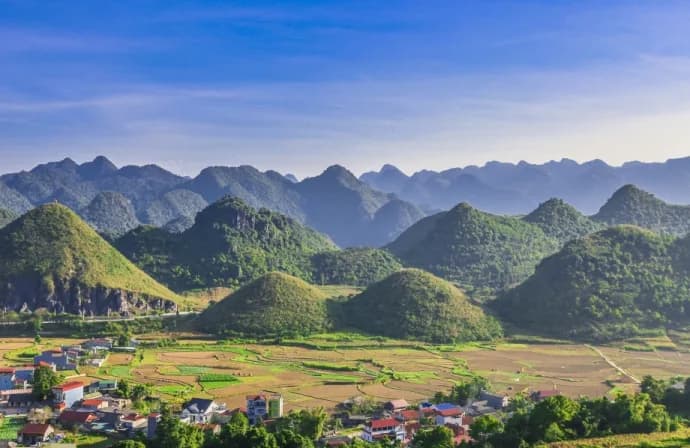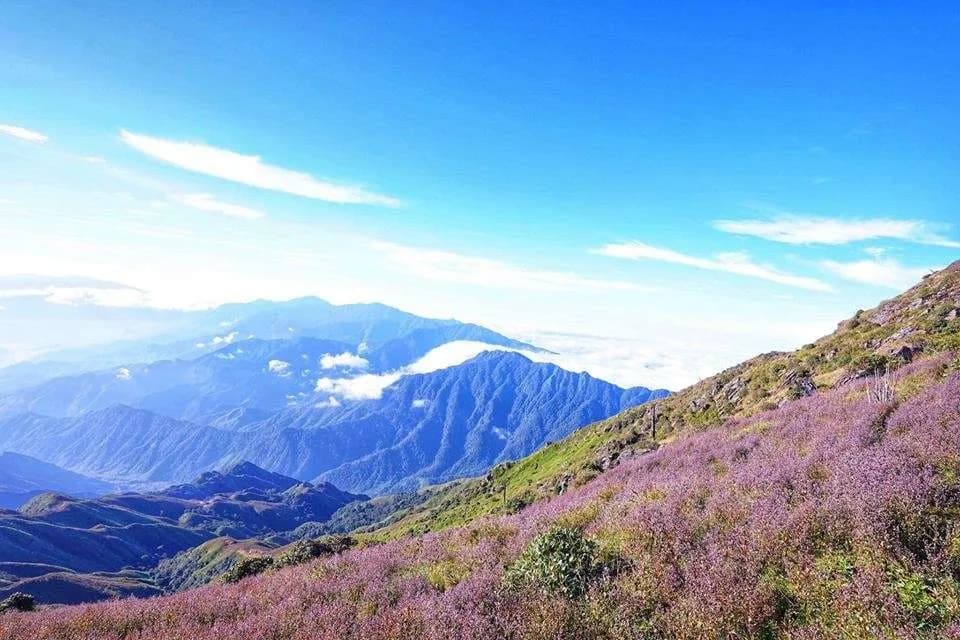


Vietnam’s landscape is a captivating tapestry woven with vibrant rivers that carve through mountains, valleys, and coastal plains. These waterways are not just lifelines for the communities they traverse; they also embody the raw, untamed beauty of nature. However, as the country progresses towards modernization, the specter of dams and diversions looms large over these ecosystems. Today, the few remaining wild rivers of Vietnam still roar with life, offering adventurous travelers a glimpse into the heartbeat of Vietnam’s natural world.
Read more interesting posts here:
- Discover the Unforgettable Organic Coffee Trails in Vietnam: The Ultimate Guide
- Vietnam Local Food Trails: Explore the Incredible Culinary Adventures Beyond the City
- Agritourism in Vietnam: Inspiring Farm Adventures Transforming Rural Travel
A symphony of sapphire bends along the wild rivers of Vietnam
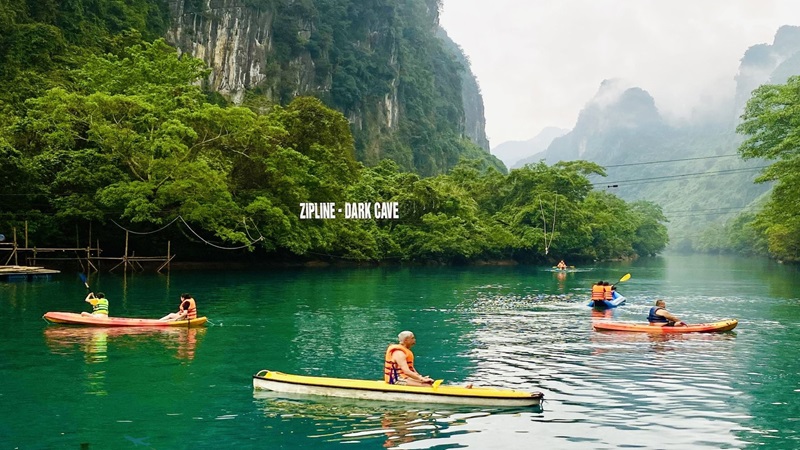
Among the most striking features of the wild rivers of Vietnam are the sapphire bends that capture the light and shimmer like precious stones. The Ma River in the north, flowing through the majestic landscapes of Nghệ An and Thanh Hóa provinces, is a prime example. Its meandering paths are flanked by breathtaking limestone cliffs and lush greenery, creating a stunning visual spectacle.
For travelers, the Ma River provides unparalleled opportunities for exploration. Kayaking or taking a traditional bamboo ferry allows you to immerse yourself in the serene beauty of the banks while experiencing the local way of life. Villagers often gather along the shores, relying on the river for fishing and transportation, and travelers exploring the wild rivers of Vietnam can engage with these communities, learning about their culture and customs.
Southern rapids that shake your bones on the wild rivers of Vietnam
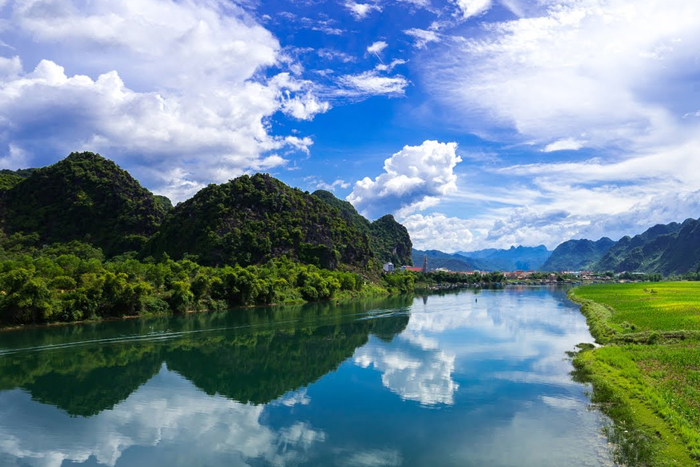
In stark contrast to the tranquil northern waterways are the powerful rapids of the southern wild rivers of Vietnam, none more exhilarating than the Don Da River. Flowing through the rugged terrain of the Central Highlands, this river offers thrilling white-water rafting experiences that are sure to rattle your bones.
Adrenaline junkies can navigate the roaring waters, surrounded by stunning mountain vistas and dense forest canopies. This is an adventure not just for the body but also for the soul, as the raw power of the river awakens a sense of connection to nature that can be profoundly transformative. The experience culminates in a sense of accomplishment as you conquer the rapids while immersing yourself in the wild beauty of Vietnam's lesser-known landscapes.
Northern wild rivers of Vietnam whispering through ancient forests
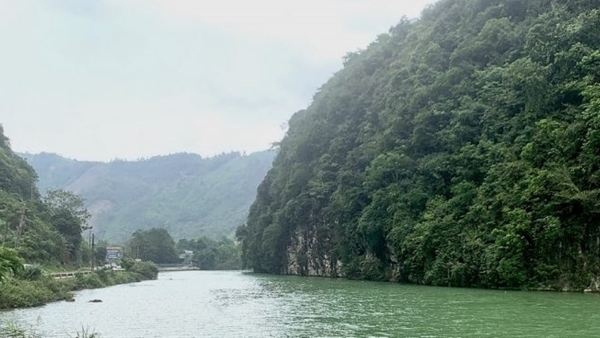
Venturing further north, the Lô River winds through pristine forests and ancient hill tribe villages in the mountainous regions of Tuyên Quang and Hà Giang. Here, these wild rivers of Vietnam whisper secrets of the land and its history, creating an intimate connection between nature and culture.
The banks of the Lô River are dotted with traditional stilt houses, where ethnic minorities such as the Tày and Thái live in harmony with their environment. Cruising along the river, you can witness traditional fishing techniques, partake in community festivals, and appreciate the landscape’s breathtaking beauty. The tranquility of the Lô River invites reflection, making it an ideal escape for travelers seeking peace amid the chaos of modern life.
The importance of preservation for the wild rivers of Vietnam
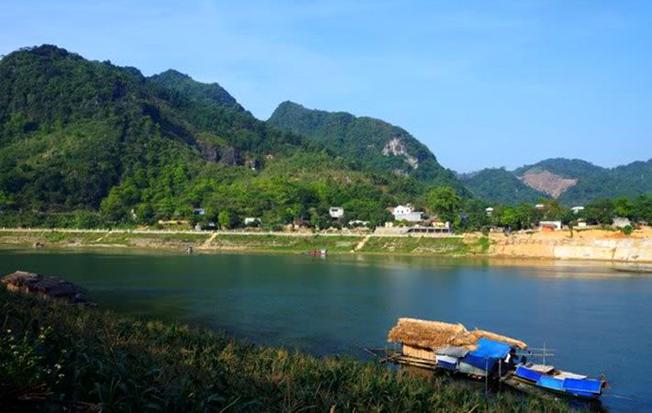
As Vietnam moves forward with infrastructural development, many of its untamed waterways face the threat of diversion and damming. Environmental concerns mount as ecosystems are disrupted and communities displaced. Recognizing the value of the wild rivers of Vietnam, both as natural treasures and cultural resources—is critical for preservation efforts.
Local and international organizations are increasingly committed to safeguarding these wild waterways. Eco-tourism initiatives aim not only to promote awareness of the natural beauty of Vietnam’s rivers but also to foster sustainable practices that protect these ecosystems from exploitation. By engaging travelers in conservation efforts, we can ensure that these rivers continue to flow freely for future generations to enjoy.
Conclusion
The last wild rivers of Vietnam are dynamic arteries of life, each with its own story to tell. From the sapphire bends of the Ma River to the exhilarating rapids of the Don Da and the serene whispers of the Lô River through ancient forests, these waterways capture the essence of Vietnam’s geographical diversity.
As adventurous travelers explore these spectacular rivers, they become part of a greater narrative, one that underscores the importance of conservation and reverence for nature. Embrace the wildness of Vietnam's rivers, and discover the raw beauty that lies at the heart of this remarkable country, a beauty that is increasingly rare and worth protecting. In doing so, not only will you experience unforgettable adventures, but you will also contribute to preserving the essence of Vietnam's natural heritage.
Ready to dive into more breathtaking adventures and share your own river journeys? Follow our Facebook Page and join our ExoTrails Community Group to connect with fellow explorers and stay updated on the latest trails!
FAQs
What is the best time of year to explore the wild rivers of Vietnam?
The ideal time to visit is during the dry season, from November to April, when water levels are safer and the weather is pleasantly cool. However, if you are looking for thrilling white-water rafting, visiting just after the rainy season offers the most exciting and powerful rapids.
Do I need previous kayaking or rafting experience for these rivers?
It depends entirely on the specific river, as tranquil northern routes like the Ma River are perfect for beginners, while southern rapids require more physical readiness. Always check with local guides or the ExoTrails app to ensure you match your skill level with the right water adventure.
How can I help protect the wild rivers of Vietnam during my trip?
You can actively support river conservation by booking eco-friendly tours, avoiding single-use plastics, and respecting the local communities living along the banks. Choosing responsible travel operators ensures that your visit funds preservation efforts rather than environmental exploitation.