




Table of Contents Show
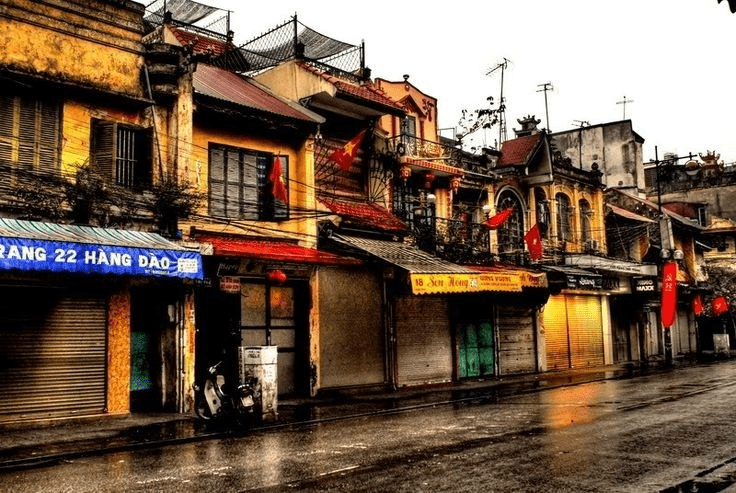
The capital’s Old Quarter is a treasure trove of history, culture, and architectural wonder. Among its most intriguing features is the Hanoi tube houses architecture narrow, multi-layered structures that tell a story of adaptive living influenced by historical taxation policies. This guide delves into the fascinating tube house architecture in Hanoi, how they reflect the city’s cultural resilience, and the vibrant life within.
Read more interesting posts here:
- Life on the Mekong River: Unforgettable Moments from Vietnam’s Floating Villages
- Best Vietnamese Street Food for Travelers: Must-Try Street Cart Dishes Across Vietnam
- Best Quiet Beaches in Vietnam: 5 Hidden Paradise Spots for an Unforgettable Escape
The Old Quarter: A historical overview of Hanoi tube houses architecture
Geographic Area
The Old Quarter, also known as the 36 Streets, encompasses an area of about 100 hectares. It is located north of Hoan Kiem Lake and is characterized by its narrow streets, bustling markets, and a rich tapestry of Hanoi tube houses architecture that dates back over a thousand years.
Historical Significance
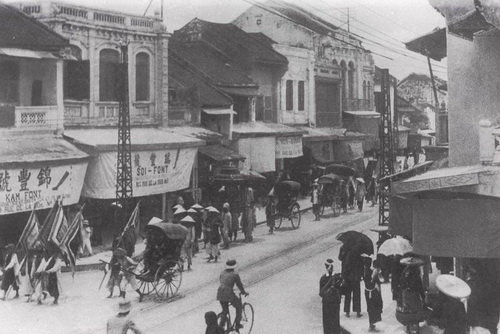
- Foundation: The Old Quarter’s history dates back to the 11th century, when it served as a commercial hub during the Ly Dynasty. Its strategic location by the Red River allowed for robust trade, contributing to its growth and cultural diversity.
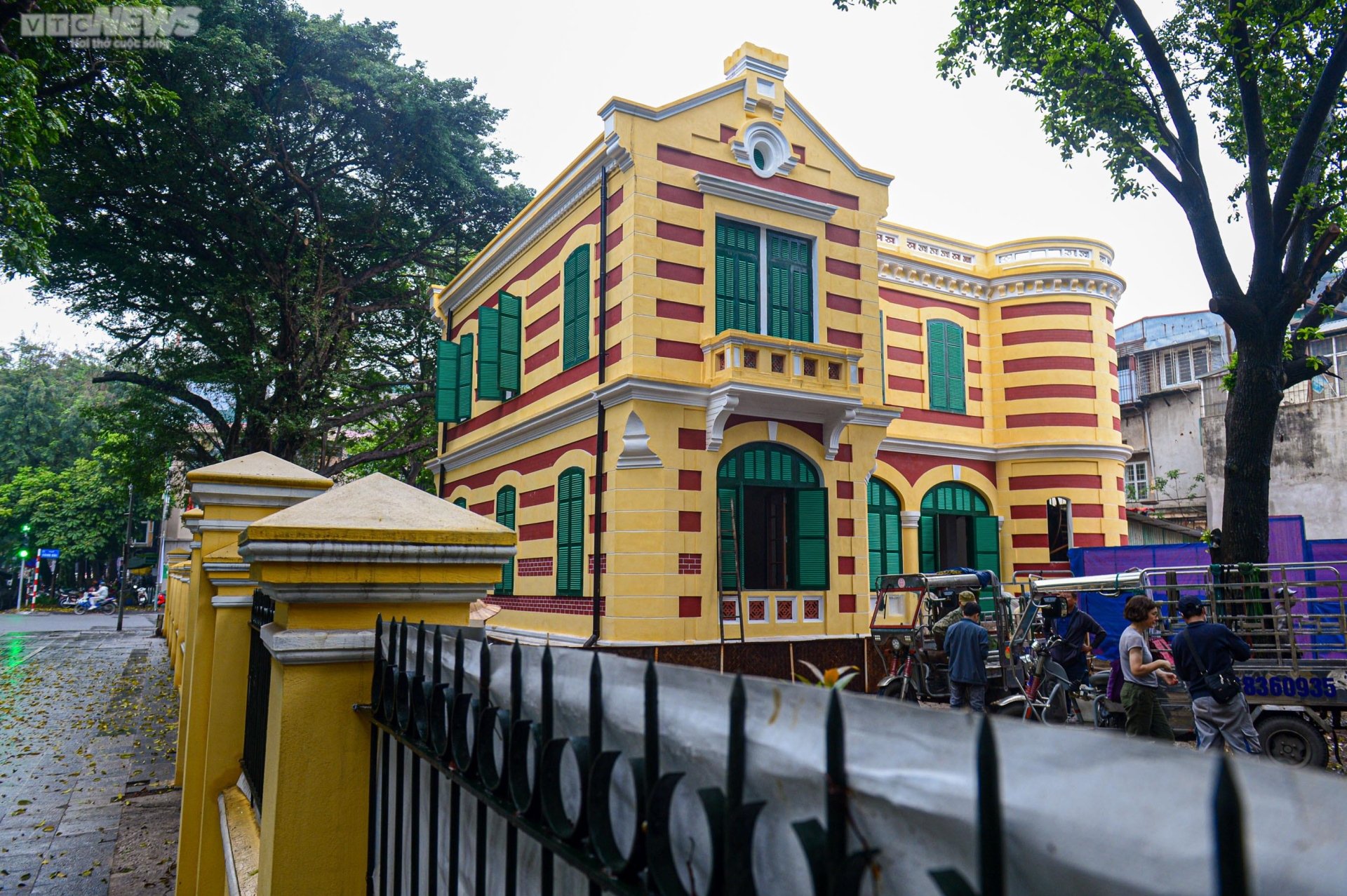
- Colonial Era: During the French colonial period in the late 19th century, the area underwent significant changes in urban planning. The French influence is visible in the blend of colonial-style buildings alongside traditional Hanoi tube houses architecture.
The story of Hanoi tube houses architecture
Origins and Design
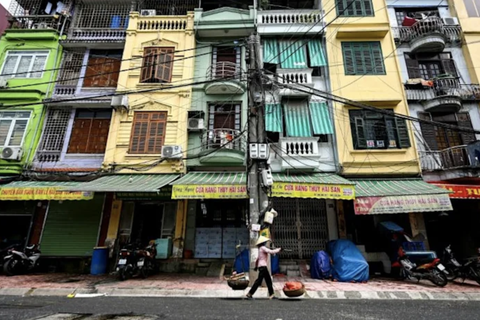
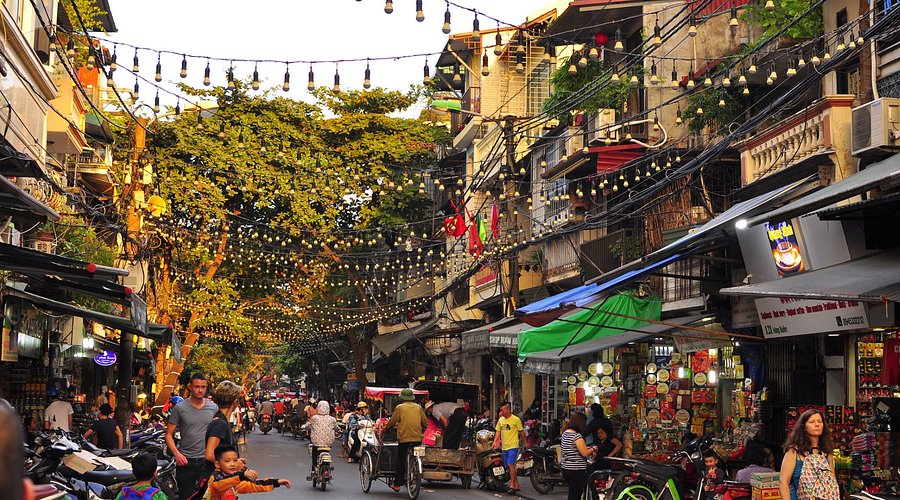
The distinctive shape of Hanoi tube houses architecture is a direct response to the taxation laws implemented by the French. Tax was levied based on the width of a property rather than its depth, prompting residents to build long and narrow homes that maximized usable space while minimizing tax burdens. Typically measuring only 4 to 6 meters wide but stretching deep into the city block, these houses are a striking example of form following function.
- Structure: Tube houses usually consist of three or more stories and feature a central courtyard that brings light and ventilation into the depths of the home. The architecture often includes traditional decorative elements, such as wooden shutters and ornate tiles, reflecting Vietnamese aesthetic values.
Adaptation to Urban Life
As Hanoi’s population grew, these homes evolved to accommodate the needs of urban living. Many tube houses are not just residences; they also serve as shops, cafes, and small businesses on the ground floor. This blend of living and commerce is a hallmark of the Old Quarter, showcasing the adaptability and resourcefulness of its residents.
Life inside the tube houses
A Labyrinth of Tradition and Commerce
Stepping inside Hanoi tube houses architecture reveals a complex interplay between tradition and modernity. The layout often includes small rooms dedicated to various functions, such as cooking, sleeping, and business. This multifunctional approach highlights the efficient use of space, essential in a bustling city.
- Cultural Practices: Inside, families often maintain traditional values, with rooms decorated with ancestral altars, family photos, and cultural artifacts that honor their heritage. Daily life unfolds amidst the hum of commerce, with families balancing their domestic and entrepreneurial duties.
The Community Spirit
The close-knit nature of Hanoi tube houses architecture fosters a strong sense of community. Neighbors often interact across courtyards or through shared walls, creating a vibrant neighborhood dynamic. Festivals, communal gatherings, and daily interactions contribute to a rich social fabric that characterizes life in the Old Quarter.
Exploring Hanoi tube houses architecture
Notable Areas to Visit
- Hang Gai Street: Known for its textile shops, this area features numerous examples of Hanoi tube houses architecture with intricate facades. Take a leisurely stroll to admire the buildings while exploring local crafts.
- Ma May Street: This street showcases some of the most well-preserved tube houses. You can visit the Bach Ma Temple nearby, which complements the historical feel of the area.
- Old Quarter Walking Tours: Consider joining a guided walking tour that focuses on the architecture and history of the Old Quarter. These tours often include insights from local guides who share anecdotes about the significance of tube houses in Hanoi’s culture.
Tips for Visiting
- Observe Quietly: While exploring, be respectful of residents’ privacy. Many buildings featuring Hanoi tube houses architecture are still homes, so keep noise to a minimum.
- Photography: Capture the unique architecture, but always ask for permission before photographing interiors or the residents.
- Engage Locally: Visit local businesses within the tube houses to support the community and gain deeper insights into daily life in the Old Quarter. Trying street food or shopping for handmade goods enhances your experience.
Conclusion
Wandering through the bustling alleys to witness the incredible Hanoi tube houses architecture is an absolute must for any history buff or cultural explorer. By understanding how French colonial taxes shaped these uniquely narrow, deep buildings, you gain a profound appreciation for Vietnamese adaptability and urban resilience. Grab your camera, respect the local residents, and step into the fascinating, multi-layered history of the iconic Old Quarter.
Ready to share your urban photography and connect with fellow architecture enthusiasts? Join our vibrant community in the ExoTrails Community Group and be sure to like the Facebook Page for the latest city guides, travel tips, and daily inspiration!
FAQs
Why is Hanoi tube houses architecture so incredibly narrow?
The extremely narrow facades were originally built as a direct result of French colonial property tax laws, which charged citizens based solely on the street-facing width of their home rather than the total square footage.
Can tourists safely go inside Hanoi tube houses architecture?
Yes, many of the ground floors function as public cafes, boutique shops, and bustling restaurants. However, you should always politely ask for permission before taking photographs of the private residential areas in the back or upstairs.
Where is the best place to see preserved Hanoi tube houses architecture?
The absolute best place to explore this unique building style is Ma May Street in the heart of the Old Quarter. Specifically, the Heritage House at 87 Ma May is perfectly restored and fully open to the public for tours.
Klook.com


